
Oklahoma, often envisioned as a sweeping landscape of prairies and plains, sparks a common question among travelers and geography enthusiasts: does this state truly boast mountains? While not adorned with the jagged, snow-capped peaks of the Rockies or the ancient, weathered ranges of the Appalachians, Oklahoma possesses a distinct topography that challenges conventional definitions and offers unique natural beauty. The answer, therefore, is not a simple yes or no, but rather a nuanced exploration of the state’s elevated terrains and geological formations that evoke a mountainous experience for those who seek it.
The Ouachita Mountains: Oklahoma’s Unexpected Alpine Appeal
The most compelling argument for Oklahoma possessing mountains lies within its southeastern corner, specifically the Ouachita Mountains. This ancient mountain range, predating the Appalachian Mountains, stretches across Arkansas and into Oklahoma, forming the state’s only truly mountainous region. Unlike the typical flatlands associated with Oklahoma, the Ouachitas present a rugged, forested, and elevated landscape that offers a surprising departure from the surrounding terrain.

Defining “Mountain” in the Oklahoma Context
The traditional image of a mountain often involves dramatic elevations, sheer cliffs, and extensive snow-capped summits. By this strict definition, Oklahoma might fall short. However, in geographical and travel contexts, “mountain” can also refer to any significant, elevated landmass that rises prominently above the surrounding terrain, characterized by considerable relief and often by steep slopes and a distinct summit area. The Ouachita Mountains fit this broader definition perfectly. Their peaks, while not towering, reach elevations substantial enough to create a distinct ecological zone and offer challenging hiking, breathtaking vistas, and a sense of rugged wilderness.
Geological Origins and Characteristics
The Ouachita Mountains are geologically unique. They were formed by folding and faulting of the Earth’s crust during the Alleghanian orogeny, a period of mountain-building that also contributed to the formation of the Appalachians. This intense geological activity resulted in uplift and the creation of parallel ridges and valleys, a characteristic geological feature of fold-and-thrust belt mountains. These ridges, covered in dense hardwood forests, create a visual and experiential environment that is undeniably mountainous. The highest point in the Ouachitas within Oklahoma is Mount Magazine, which, while technically in Arkansas and the highest point in the state, its range extends into Oklahoma and defines its mountainous character. Within Oklahoma itself, peaks like Black Fork Mountain and Rich Mountain offer significant elevation and challenging ascents, providing a true mountain hiking experience.
Activities and Attractions in the Ouachitas
For the adventurous traveler, the Ouachita Mountains offer a wealth of activities that embody the spirit of mountain exploration.
- Hiking and Backpacking: The Ouachita National Forest, which encompasses a significant portion of the range in Oklahoma, boasts an extensive network of trails. The Ouachita Trail, a premier long-distance backpacking route, traverses the most scenic and rugged parts of the mountains, offering a challenging and rewarding experience for seasoned hikers. Shorter trails lead to stunning overlooks, waterfalls, and remote wilderness areas, allowing visitors to immerse themselves in the natural beauty of this elevated region.
- Camping: Numerous campgrounds are scattered throughout the Ouachita National Forest, providing opportunities for both primitive and developed camping. Experiencing a night under the stars, surrounded by the hushed sounds of the forest, is an essential part of the mountain getaway.
- Scenic Drives: While challenging off-road adventures are possible, the Ouachitas also offer picturesque drives. Roads like the Talimena National Scenic Byway wind through the heart of the mountains, providing panoramic vistas of rolling forested peaks and deep valleys. This byway is particularly stunning in the fall when the deciduous forests erupt in a riot of color.
- Water Activities: The region is dotted with lakes and rivers, such as Broken Bow Lake and the Gaines Creek, offering opportunities for boating, fishing, swimming, and kayaking amidst a mountainous backdrop.
Beyond the Ouachitas: Elevated Terrains and “Mountain-Like” Landscapes
While the Ouachitas are the undisputed mountainous region of Oklahoma, other areas of the state present elevated terrains and geological features that can be perceived as mountain-like, offering distinct travel experiences. These areas might not meet a strict geological definition of a mountain range but possess significant topographical interest.
The Arbuckle Mountains: A Geological Anomaly
Located in south-central Oklahoma, the Arbuckle Mountains are another significant elevated region that defies the typical Oklahoma landscape. Geologically, these are much older than the Ouachitas and are characterized by exposed ancient rock formations, providing a unique window into the Earth’s history. While their peaks are not as high or rugged as the Ouachitas, the Arbuckles rise sharply from the surrounding plains, creating a distinct and visually striking landscape.
Geological Significance and Natural Wonders
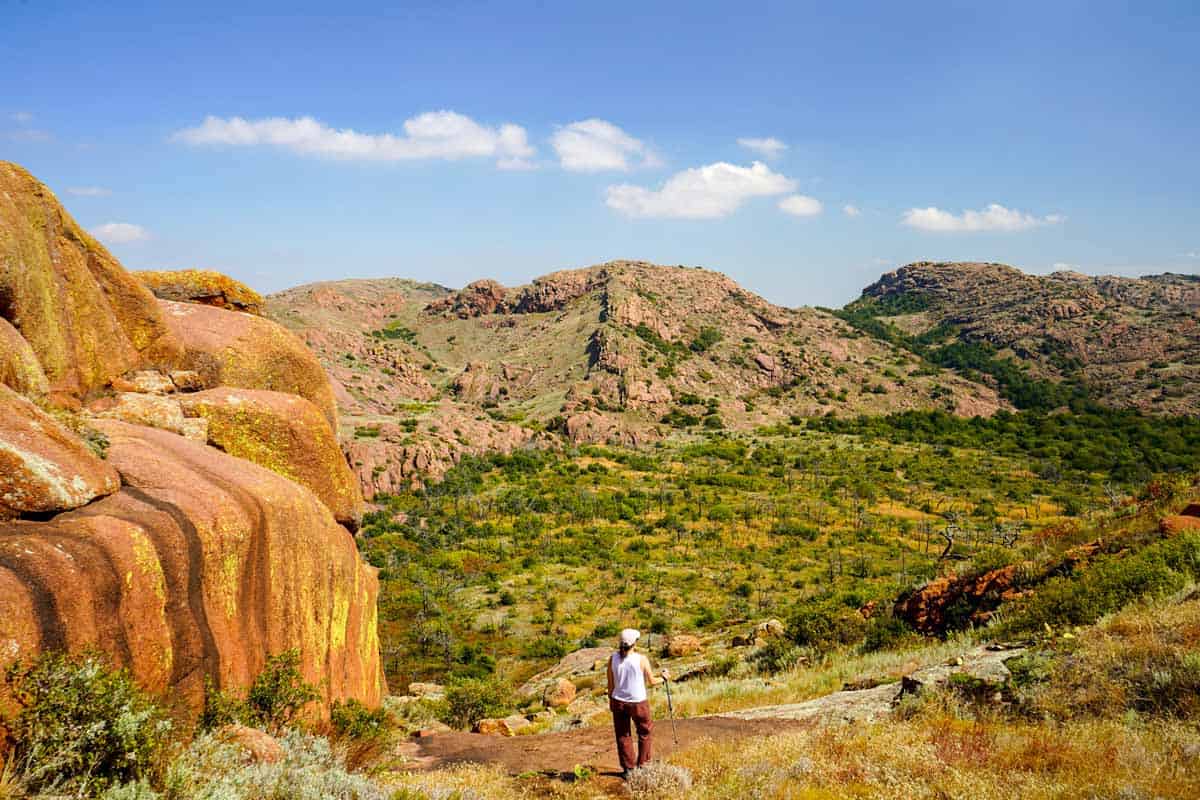
The Arbuckle Mountains are renowned for their geological diversity and the presence of numerous caves, springs, and natural bridges. The region is a hotbed for karst topography, with underground rivers and intricate cave systems. Turner Falls Park, home to Turner Falls, Oklahoma’s tallest waterfall, is a prime example of the natural beauty found here. The elevated terrain also supports unique flora and fauna adapted to these specific conditions.
Recreational Opportunities in the Arbuckles
The Arbuckle Mountains offer a different kind of outdoor adventure.
- Caving: Exploring the numerous caves, such as those found in Alabaster Caverns State Park, provides a subterranean exploration that is as captivating as any above-ground mountain hike.
- Hiking and Rock Climbing: While less extensive than in the Ouachitas, trails in the Arbuckles offer opportunities for hiking and experiencing the unique geological formations. The rugged terrain also attracts rock climbers to specific areas.
- Waterfalls and Springs: The presence of waterfalls like Turner Falls and numerous natural springs makes the Arbuckles a refreshing destination, particularly during warmer months.
The Ozark Plateau: Rolling Highlands in Northeastern Oklahoma
Northeastern Oklahoma is home to the southwestern reaches of the Ozark Plateau. While often described as a highland or plateau, this region shares characteristics with mountainous areas, featuring rolling hills, deep valleys, and significant forested areas that provide a sense of elevation and natural immersion.
Landscape and Ecosystems
The Ozark Plateau in Oklahoma is characterized by its forested hills and clear, spring-fed streams. The landscape is more subdued than the Ouachitas, with gentler slopes and rounded hilltops. However, the elevation gain from the surrounding flatlands is noticeable, and the dense forests create a feeling of being in a wild, untamed environment. This region is home to a rich biodiversity and a distinct rural charm.
Exploring the Ozark Highlands
The Ozark Plateau offers a more tranquil yet still captivating travel experience.
- Scenic Drives and Exploration: The rolling hills provide picturesque drives, particularly through areas like the Illinois River valley. These routes offer glimpses into the natural beauty and the local culture of the region.
- Outdoor Recreation: Kayaking and canoeing on the Illinois River are popular activities, taking advantage of the clear, cool waters. Hiking in state parks like Cherokee Landing State Park allows visitors to explore the forested hills and enjoy the tranquility of the plateau.
- Local Culture and History: The Ozarks have a rich history and a distinct cultural heritage, with opportunities to explore small towns, local crafts, and traditional music.
Dispelling the Myths: Oklahoma’s Diverse Topography
The perception of Oklahoma as a solely flat state is a common misconception that overlooks its remarkable topographical diversity. The presence of the Ouachita Mountains, the elevated Arbuckle Mountains, and the rolling Ozark Plateau demonstrates that Oklahoma offers more than just endless plains.
The Importance of Nuance in Travel Planning
For travelers seeking varied landscapes and outdoor adventures, understanding Oklahoma’s true topographical makeup is crucial. Instead of dismissing the state as flat, acknowledging its mountainous and highland regions opens up a world of possibilities for exploration, from challenging mountain treks in the Ouachitas to exploring ancient geological wonders in the Arbuckles or enjoying the serene beauty of the Ozarks.
Embracing Oklahoma’s Elevated Adventures
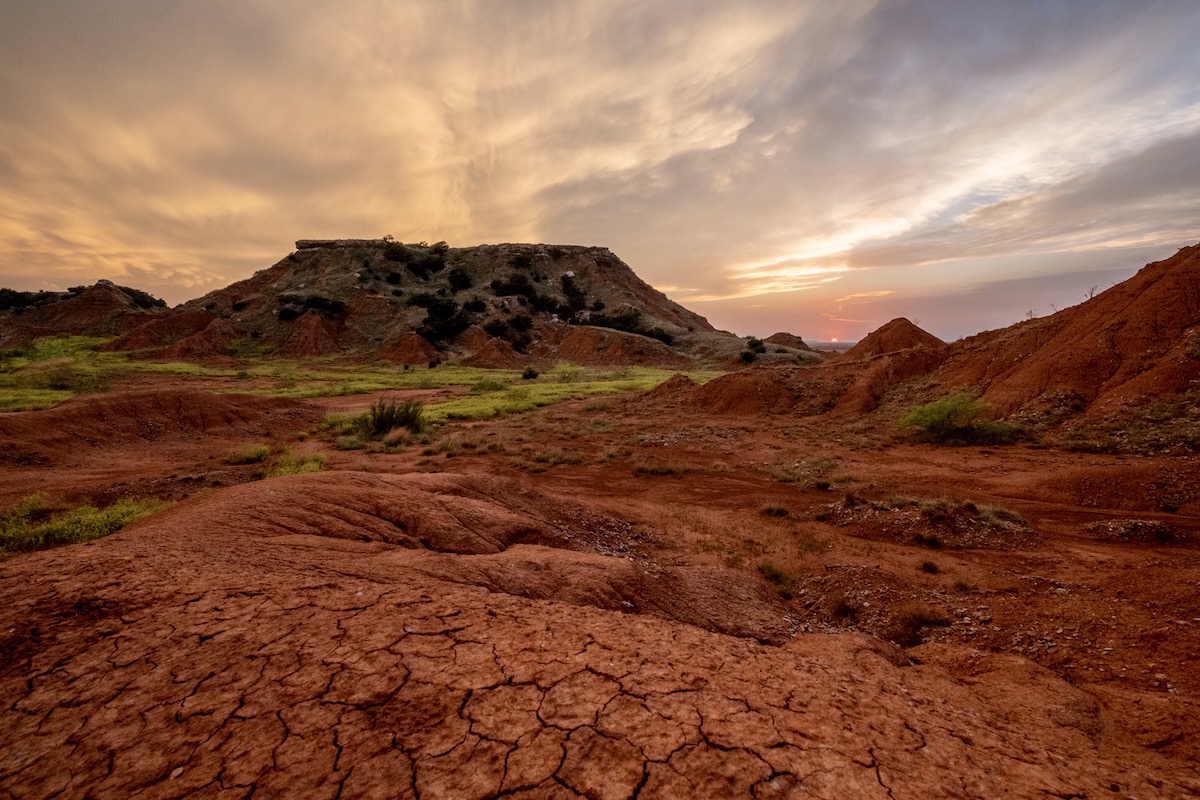
Oklahoma is a state that rewards curiosity and a willingness to look beyond common stereotypes. Its “mountains” and “mountain-like” terrains offer authentic outdoor experiences, stunning natural beauty, and a chance to discover a less-explored facet of America’s heartland. Whether you’re an avid hiker, a geology enthusiast, or simply someone looking for a different kind of natural escape, Oklahoma’s elevated landscapes are waiting to be discovered. The question of “Does Oklahoma have mountains?” ultimately leads to a richer understanding of the state’s diverse geography and the adventurous possibilities it holds.
LifeOutOfTheBox is a participant in the Amazon Services LLC Associates Program, an affiliate advertising program designed to provide a means for sites to earn advertising fees by advertising and linking to Amazon.com. Amazon, the Amazon logo, AmazonSupply, and the AmazonSupply logo are trademarks of Amazon.com, Inc. or its affiliates. As an Amazon Associate we earn affiliate commissions from qualifying purchases.