
Understanding the cost and process of obtaining a REAL ID in Oklahoma is a crucial step for many residents looking to navigate future travel and access secure facilities. As federal requirements for identification evolve, knowing the financial commitment and procedural nuances associated with a REAL ID becomes paramount. This guide delves into the specifics of acquiring a REAL ID in the Sooner State, demystifying the fees, necessary documentation, and the overall journey to secure this enhanced form of identification.
The Financial Investment: Decoding REAL ID Costs in Oklahoma
The cost of a REAL ID in Oklahoma is not a separate fee on top of a standard driver’s license or state identification card. Instead, it is integrated into the standard renewal or issuance fee. This means that if you are applying for a new driver’s license or state ID, or renewing an existing one, and opt for the REAL ID compliant version, you will pay the same fee as you would for a non-compliant card. The added security features and federal compliance do not incur an additional charge at the point of application.

Standard Fees for Driver’s Licenses and State IDs
The standard fee structure in Oklahoma for driver’s licenses and state identification cards is designed to be accessible. These fees are subject to change by the Oklahoma Department of Public Safety (DPS), so it’s always advisable to check their official website for the most current pricing. Generally, the fees cover the administrative costs of issuing, processing, and printing the identification.
- Driver’s License: For a standard driver’s license, whether it’s a Class A, B, or C, the issuance or renewal fee typically falls within a certain range. This fee often covers a set period, such as four or eight years, depending on the applicant’s age and the type of license. The REAL ID upgrade is included within this existing fee.
- State Identification Card: For individuals who do not drive but require official identification, a state identification card is available. The fee for these cards is usually comparable to or slightly less than that of a driver’s license and also includes the REAL ID option without an extra charge.
- Duplicate or Replacement Cards: If you lose your current driver’s license or state ID and need a replacement, there is a separate fee for a duplicate card. This fee is generally lower than the initial issuance fee and also covers the REAL ID compliant version if you choose to upgrade.
It’s important to note that these fees are for the card itself and do not include any potential costs associated with obtaining the required documentation. For example, if you need to order a new birth certificate or a certified copy of a marriage license, those third-party agencies will have their own fees.
Understanding the Value Proposition
While the cost of a REAL ID in Oklahoma is the same as a standard identification, the value it provides is significant for specific needs. The primary driver for obtaining a REAL ID is to comply with the federal REAL ID Act of 2005. This act establishes minimum security standards for state-issued driver’s licenses and identification cards. Once the enforcement date arrives, a REAL ID will be required for:
- Boarding Federally regulated commercial aircraft: This is perhaps the most widely recognized requirement. Without a REAL ID, you may be denied boarding on domestic flights.
- Accessing certain federal facilities: This includes military bases, nuclear power plants, and federal courthouses.
- Entering federal buildings: Such as post offices and Social Security Administration offices, though exceptions may apply.
For individuals who frequently travel by air or need access to these secure federal locations, the REAL ID is not just an identification card; it’s a key to continued freedom of movement and access. The “cost” then, in a broader sense, is the peace of mind and the avoidance of potential inconveniences or denials of service.
Navigating the Documentation Maze: What You Need for Your Oklahoma REAL ID
Beyond the monetary aspect, the most significant hurdle for many in obtaining a REAL ID is gathering the correct documentation. The Oklahoma Department of Public Safety (DPS) requires specific proofs to verify your identity, Social Security number, and residency. This often involves presenting a combination of documents, and it’s crucial to have originals or certified copies, as photocopies are typically not accepted.
Proving Your Identity and Date of Birth
To establish your identity and date of birth, you will need to present one acceptable document. The most common and preferred documents include:
- Certified Birth Certificate: This must be issued by the vital records office of the state, county, or city where you were born. It must have a raised or embossed seal and the signature of the issuing official. A hospital birth certificate is generally not sufficient.
- Valid U.S. Passport: A current and unexpired U.S. passport is a primary document for identity verification.
- Consular Report of Birth Abroad: For individuals born abroad to U.S. citizens.
- Certificate of Naturalization or Citizenship: If you are a naturalized citizen.
- Valid Foreign Passport: For non-U.S. citizens with valid immigration status.
Verifying Your Social Security Number
You must also provide proof of your Social Security number (SSN). Accepted documents include:
- Social Security Card: Your original Social Security card.
- W-2 Form: A recent Wage and Tax Statement.
- SSA-1099 Form: A Social Security Administration form for benefits.
- Non-SSA-1099 Form: Certain other tax forms that show your SSN.
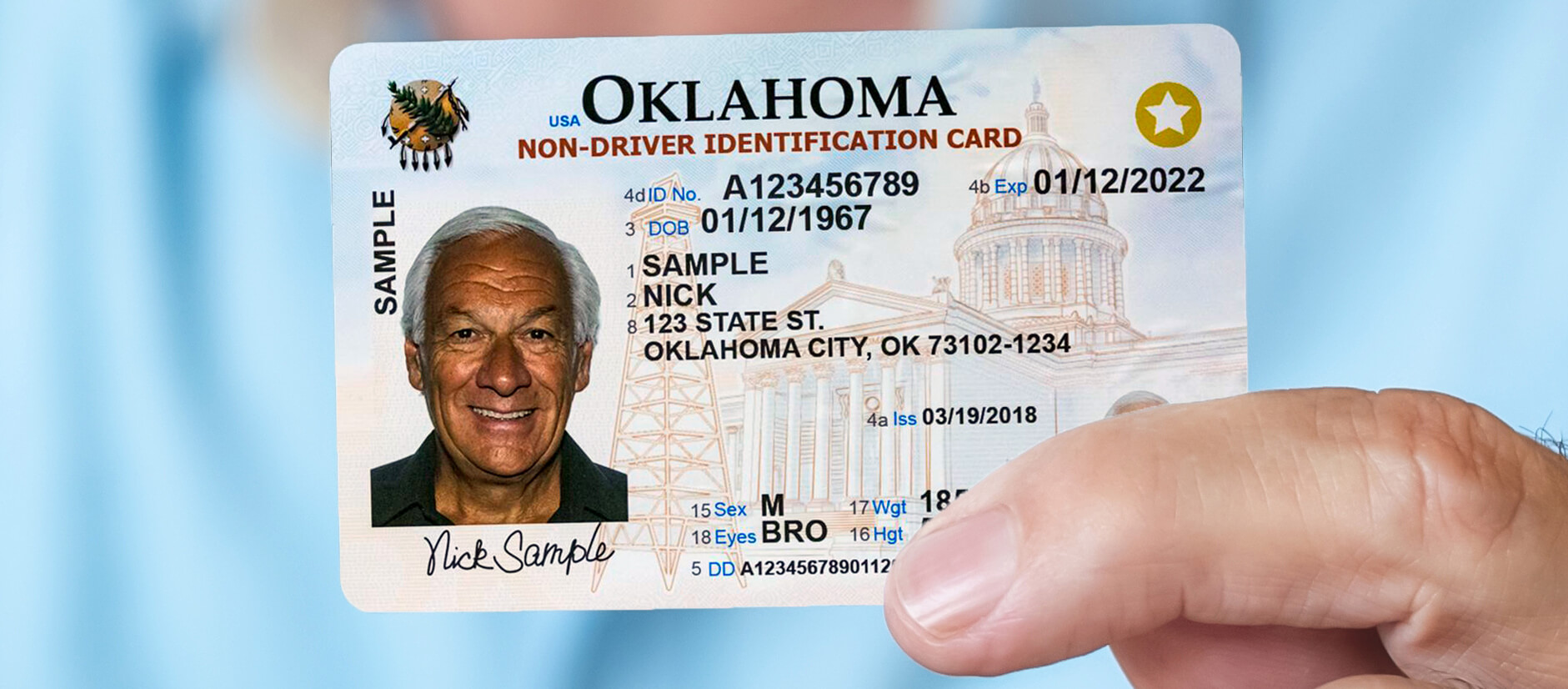
If your name has changed since your birth certificate was issued (due to marriage, divorce, or adoption), you will need additional documentation to bridge this gap. This is where many people encounter complexities.
Establishing Legal Name Changes
If your current name differs from the name on your birth certificate, you will need to present documentation that links your current name to the name on your birth certificate. This typically involves:
- Certified Marriage Certificate(s): If you have been married and your name has changed. If you have been married multiple times and your name has changed with each marriage, you will need all marriage certificates that lead to your current name.
- Certified Divorce Decree(s): If your name changed due to a divorce, and the decree clearly states the name change.
- Court Order for Name Change: A legal document from a court officially changing your name.
- Adoption Decree: If your name was changed through adoption.
It is imperative that these documents are original or certified copies with a raised seal and the registrar’s signature.
Demonstrating Oklahoma Residency
Finally, you must provide proof of your residency in Oklahoma. You will need two distinct documents, and both must show your current residential address. Utility bills are a common choice, but they must be recent. Accepted residency documents include:
- Utility Bills: Such as electric, gas, water, or trash bills. They must be dated within the last 30 days.
- Bank Statements: Showing your residential address.
- Pay Stubs: With your current address.
- Voter Registration Card:
- Deeds or Leases: For your residence.
- Mail from Government Agencies: Such as property tax statements or benefit statements.
- Insurance Policies: Homeowner’s or renter’s insurance policies.
It’s important to ensure that the address on all your documents is your current residential address. PO boxes are generally not accepted for residency verification.
The Application Process: Step-by-Step to Your Oklahoma REAL ID
The process of applying for a REAL ID in Oklahoma mirrors that of obtaining a standard driver’s license or state ID, with the crucial addition of presenting all your gathered documentation. The Oklahoma Department of Public Safety (DPS) has established clear procedures to guide applicants through this.
Scheduling an Appointment and Visiting a Service Center
In many cases, it is highly recommended, and sometimes mandatory, to schedule an appointment at a Oklahoma DPS Service Center. This helps to reduce wait times and ensures that you can be served efficiently. You can typically schedule appointments online through the official DPS website.
When you arrive at the Service Center, you will need to:
- Present Your Documents: You will submit all your collected original or certified documents to the licensing examiner. They will carefully review each one to ensure it meets the REAL ID requirements.
- Complete the Application Form: You will fill out the standard driver’s license or state ID application form. Ensure all information is accurate and complete.
- Take a Photo: A new photograph will be taken for your REAL ID. This photo will be used for the federally compliant identification.
- Pass Vision Screening: A standard vision test is required for driver’s licenses.
- Pay the Fee: You will pay the applicable fee for the issuance or renewal of your driver’s license or state ID. As mentioned, this fee includes the REAL ID option.
What Happens After Application
Once your application is processed and approved, you will receive a temporary paper ID. Your permanent REAL ID compliant driver’s license or state identification card will be mailed to you within a few weeks. It is crucial to check your mail regularly for its arrival.

Key Considerations and Tips
- Double-Check Your Documents: Before your appointment, meticulously review all your documents. Ensure they are original or certified, have the necessary seals, and accurately reflect your name and address. Any discrepancies can lead to delays or denial.
- Visit the DPS Website: The Oklahoma Department of Public Safety website is your most reliable source for up-to-date information on fees, required documents, and appointment scheduling. They often provide detailed checklists.
- Plan Ahead: Don’t wait until the last minute, especially as the federal enforcement date approaches. Obtaining all the necessary documents can take time.
- Name Changes Require Extra Attention: If you have had multiple name changes, ensure you have the complete chain of legal documentation.
- Residency Documents: Make sure your residency documents are current and show your physical address.
By understanding the costs, meticulously gathering the required documentation, and following the outlined application process, obtaining a REAL ID in Oklahoma can be a straightforward experience, ensuring you are prepared for future travel and access requirements.
LifeOutOfTheBox is a participant in the Amazon Services LLC Associates Program, an affiliate advertising program designed to provide a means for sites to earn advertising fees by advertising and linking to Amazon.com. Amazon, the Amazon logo, AmazonSupply, and the AmazonSupply logo are trademarks of Amazon.com, Inc. or its affiliates. As an Amazon Associate we earn affiliate commissions from qualifying purchases.