
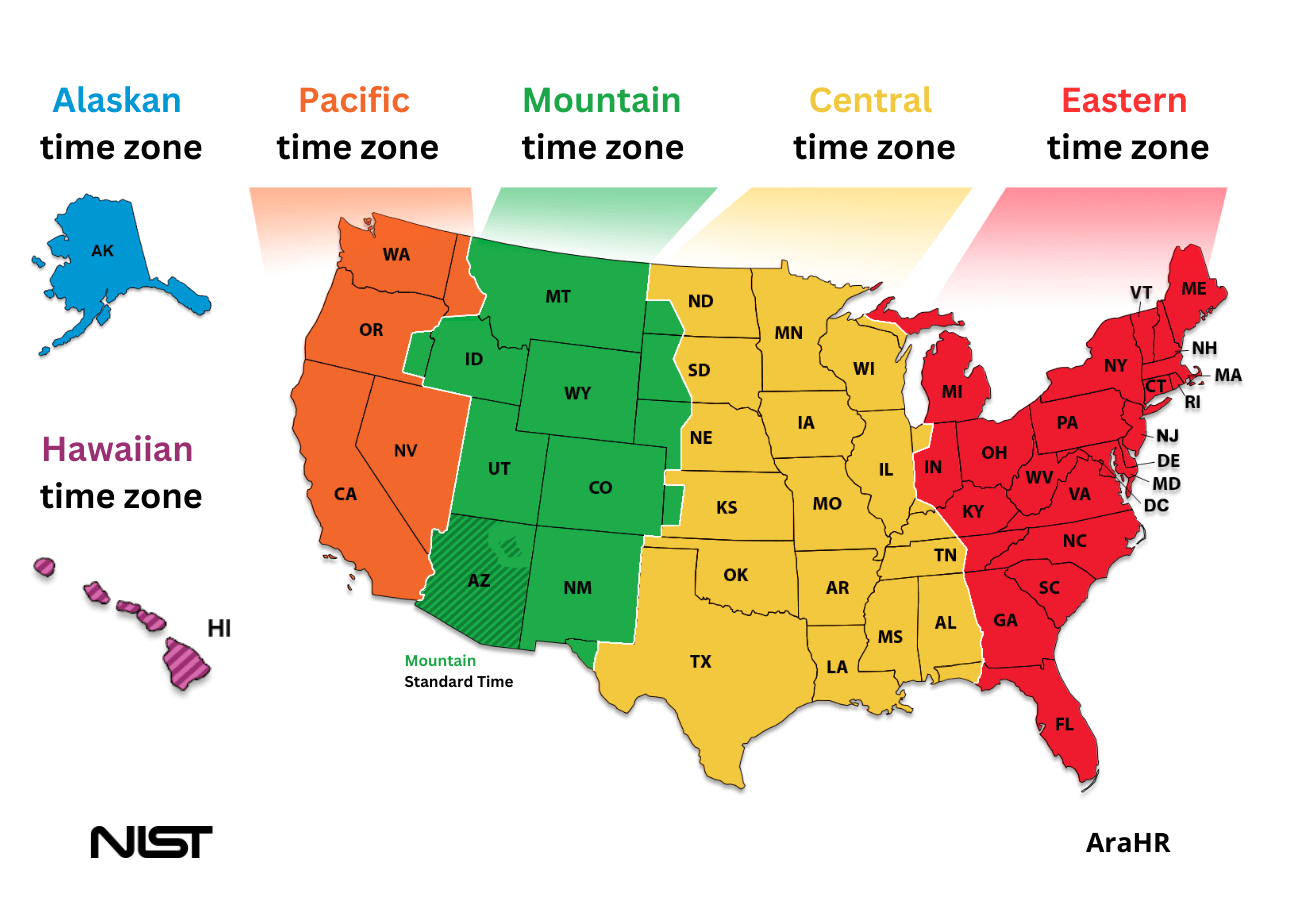
Understanding time zones is a fundamental aspect of planning any journey, and for travelers venturing into the heart of the American Midwest, the question “Is Oklahoma Central Time Zone?” is a pertinent one. The answer, in short, is a resounding yes. The entirety of the State of Oklahoma observes Central Standard Time (CST) during the winter months and Central Daylight Time (CDT) during the warmer months, aligning it with a significant portion of the United States. This uniformity simplifies travel logistics, business operations, and the general coordination of activities for residents and visitors alike.
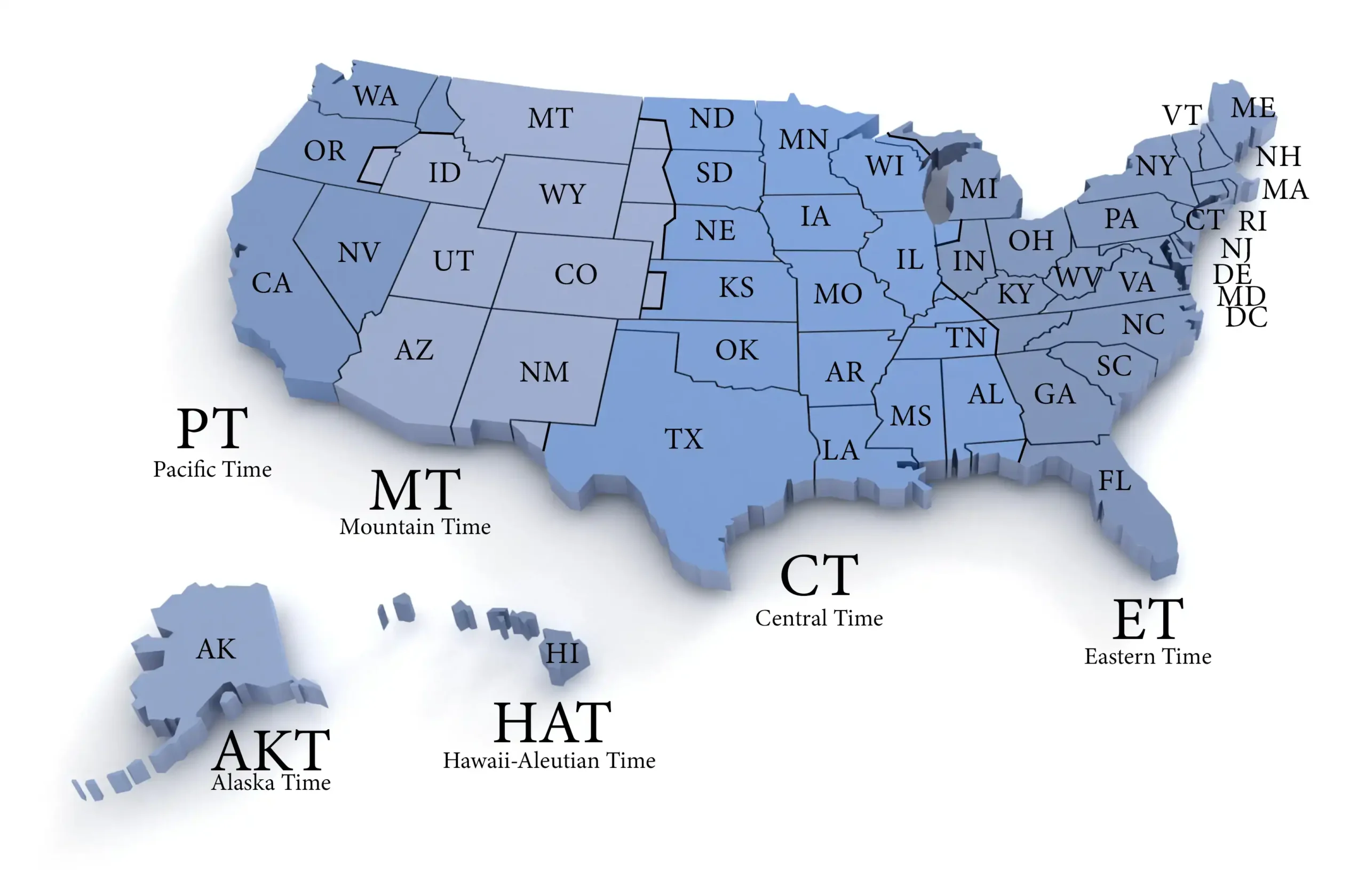
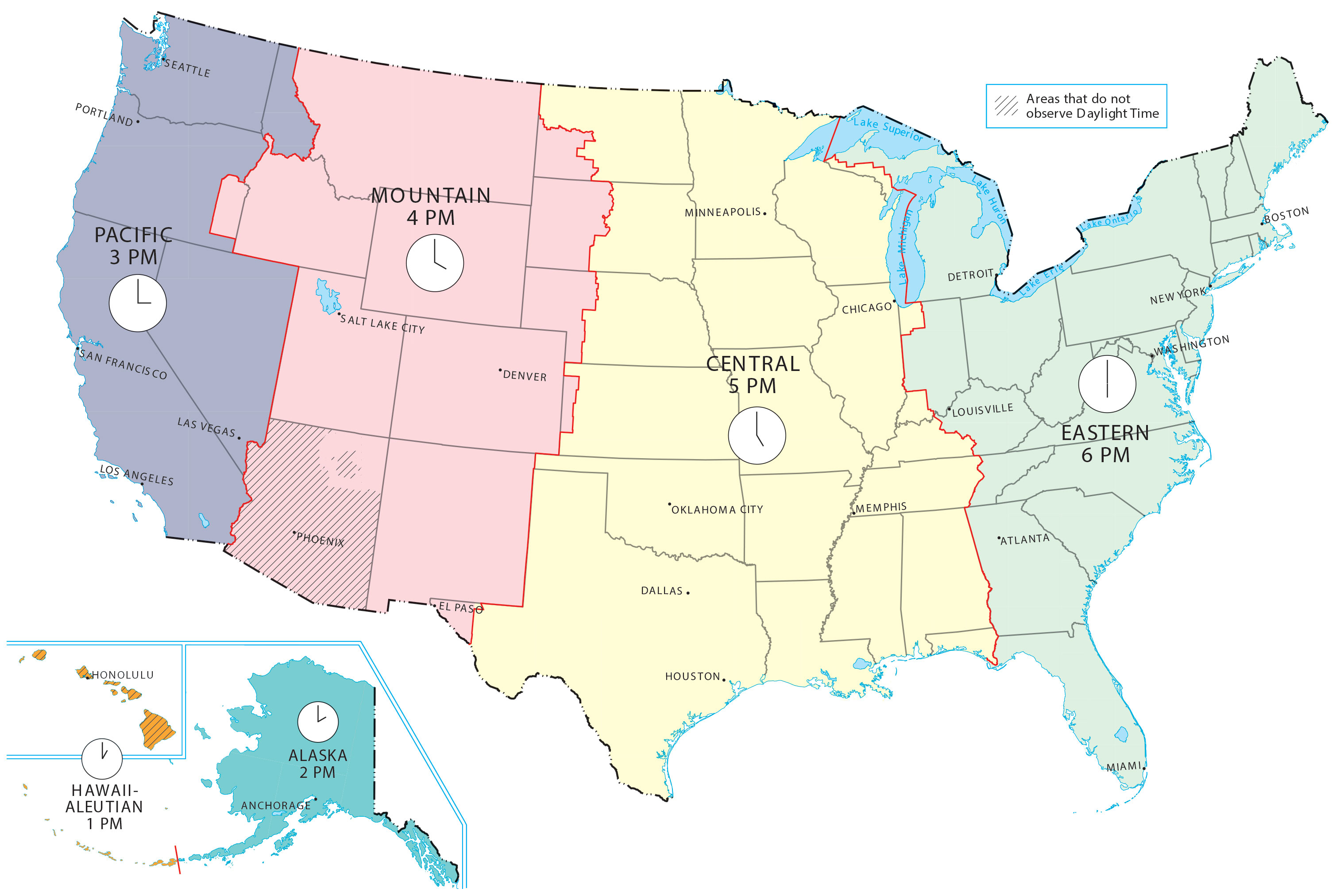
The implications of Oklahoma’s time zone status extend beyond mere scheduling; they influence everything from daily routines to the planning of major events. Knowing that Oklahoma operates on CST/CDT means that when it’s noon in Oklahoma City, it’s also noon in Chicago, Houston, and Minneapolis, but an hour earlier than in Denver or two hours earlier than in Los Angeles. This consistent temporal alignment is a crucial piece of information for anyone looking to navigate the state efficiently, whether for leisure or professional pursuits.
The Temporal Landscape of Oklahoma
The adherence to Central Standard Time is not a recent development but a long-standing feature of Oklahoma‘s temporal identity. This consistency provides a predictable framework for daily life, commerce, and travel. For a state that bridges the South and the West, and is a hub for industries ranging from energy to agriculture, having a unified time zone offers significant advantages in terms of operational efficiency and communication.
Understanding Daylight Saving Time in Oklahoma
Like most of the United States, Oklahoma observes Daylight Saving Time. This means that from the second Sunday in March to the first Sunday in November, the clocks are advanced by one hour, and the state operates under Central Daylight Time (CDT). During the rest of the year, from early November to mid-March, the state reverts to Central Standard Time (CST). This biannual shift is a common practice aimed at maximizing daylight hours during the warmer, longer days and is a synchronized change across the vast majority of the country. The observance of DST means that Oklahomans experience a temporary time shift that affects their daily schedules and requires adjustments in planning for events and travel during these periods.
The Benefits of a Unified Time Zone
The consistent application of the Central Time Zone across Oklahoma offers several practical advantages. For businesses, it streamlines operations, coordination of meetings, and supply chain management across different locations within the state and with partners in neighboring states that also observe Central Time. For travelers, it eliminates the confusion that can arise from navigating areas with multiple time zones. When planning a road trip through Oklahoma, or scheduling flights into airports like Will Rogers World Airport in Oklahoma City or Tulsa International Airport, you can rest assured that the local time will be consistent throughout the state. This temporal uniformity simplifies itinerary planning, ensuring that appointments, reservations, and scheduled activities align without the need for constant time zone conversions.
Navigating Oklahoma: Time Zone Implications for Travelers
For those planning a visit to Oklahoma, understanding its time zone is a critical component of a well-organized trip. Whether you’re heading to the bustling urban center of Oklahoma City, the cultural hub of Tulsa, or exploring the natural beauty of Wichita Mountains Wildlife Refuge, your watch will tell the same time across the state. This simplifies travel arrangements and allows for more seamless transitions between destinations within Oklahoma.
Planning Your Itinerary with Confidence
When booking accommodations, such as the Skirvin Hilton Oklahoma City or a charming bed and breakfast in a historic town like Guthrie, you can rely on the stated local times for check-in and check-out. Similarly, when scheduling visits to attractions like the Oklahoma City National Memorial & Museum or catching a performance at the Tulsa Performing Arts Center, understanding the time zone ensures you arrive punctually. This temporal consistency is a subtle yet significant factor that contributes to a stress-free travel experience.
Coordinating with Local Events and Businesses
Oklahoma’s participation in the Central Time Zone also means that business hours, restaurant reservations, and event timings will align with the broader Central Time Zone schedule. This is particularly helpful when communicating with local businesses or coordinating meetups with friends or colleagues in Oklahoma. You won’t need to worry about making time zone calculations for calls or meetings within the state, allowing for more straightforward communication and planning.
Oklahoma’s Place Within the Central Time Zone Framework
Oklahoma’s positioning within the Central Time Zone places it alongside a significant geographical swath of the United States. This shared temporal alignment fosters a sense of regional connectivity, impacting everything from broadcast schedules to national event timings. Understanding Oklahoma‘s time zone is not just about knowing what time it is; it’s about understanding its place within a larger temporal and geographical context.
Historical Context of Time Zones in Oklahoma
The adoption and standardization of time zones in the United States, including Oklahoma, were largely driven by the needs of the burgeoning railroad industry in the late 19th century. Prior to this, each town often kept its own local solar time, leading to significant logistical challenges for transportation and communication. The implementation of standardized time zones, including the Central Time Zone, brought much-needed order and efficiency. Oklahoma eventually adopted these standardized times, solidifying its position within the Central Time Zone framework. This historical context highlights the practical importance of time zone standardization in the development of the nation.
Connecting with Neighboring States and Regions
Because Oklahoma observes Central Time, it shares temporal alignment with many of its neighboring states, such as Texas, Kansas, and Missouri, as well as states further afield like Illinois and Louisiana. This shared time zone facilitates easier coordination for businesses operating across these states, as well as for individuals traveling between them. For instance, a business trip from Dallas, Texas to Oklahoma City involves no time change, simplifying scheduling and reducing the potential for confusion. This temporal uniformity enhances the interconnectedness of the region.
In conclusion, the answer to “Is Oklahoma Central Time Zone?” is a definitive yes. This temporal consistency is a key characteristic of the state, simplifying travel, business, and daily life for all who live in or visit Oklahoma. Understanding this fundamental aspect of the state’s geography and its temporal alignment with the broader United States is an essential step for anyone seeking to navigate and appreciate all that Oklahoma has to offer.
LifeOutOfTheBox is a participant in the Amazon Services LLC Associates Program, an affiliate advertising program designed to provide a means for sites to earn advertising fees by advertising and linking to Amazon.com. Amazon, the Amazon logo, AmazonSupply, and the AmazonSupply logo are trademarks of Amazon.com, Inc. or its affiliates. As an Amazon Associate we earn affiliate commissions from qualifying purchases.