
The vibrant tapestry of American states is often woven with threads of natural beauty, historical significance, and cultural pride. One of the most evocative symbols of a state’s identity is its official bird. For the great state of Oklahoma, this honor belongs to a creature of remarkable resilience and captivating presence: the Scissor-tailed Flycatcher. More than just a feathered resident, the Scissor-tailed Flycatcher embodies the spirit of the Sooner State with its distinctive appearance, its acrobatic aerial displays, and its tenacious hold on the prairies and open spaces that define Oklahoma’s landscape.
The selection of the Scissor-tailed Flycatcher as the state bird was a deliberate choice, reflecting a desire to honor a species that is both endemic to the region and visually striking. It represents a connection to the natural world that is deeply ingrained in the state’s heritage and continues to be a source of admiration for its residents and visitors alike.
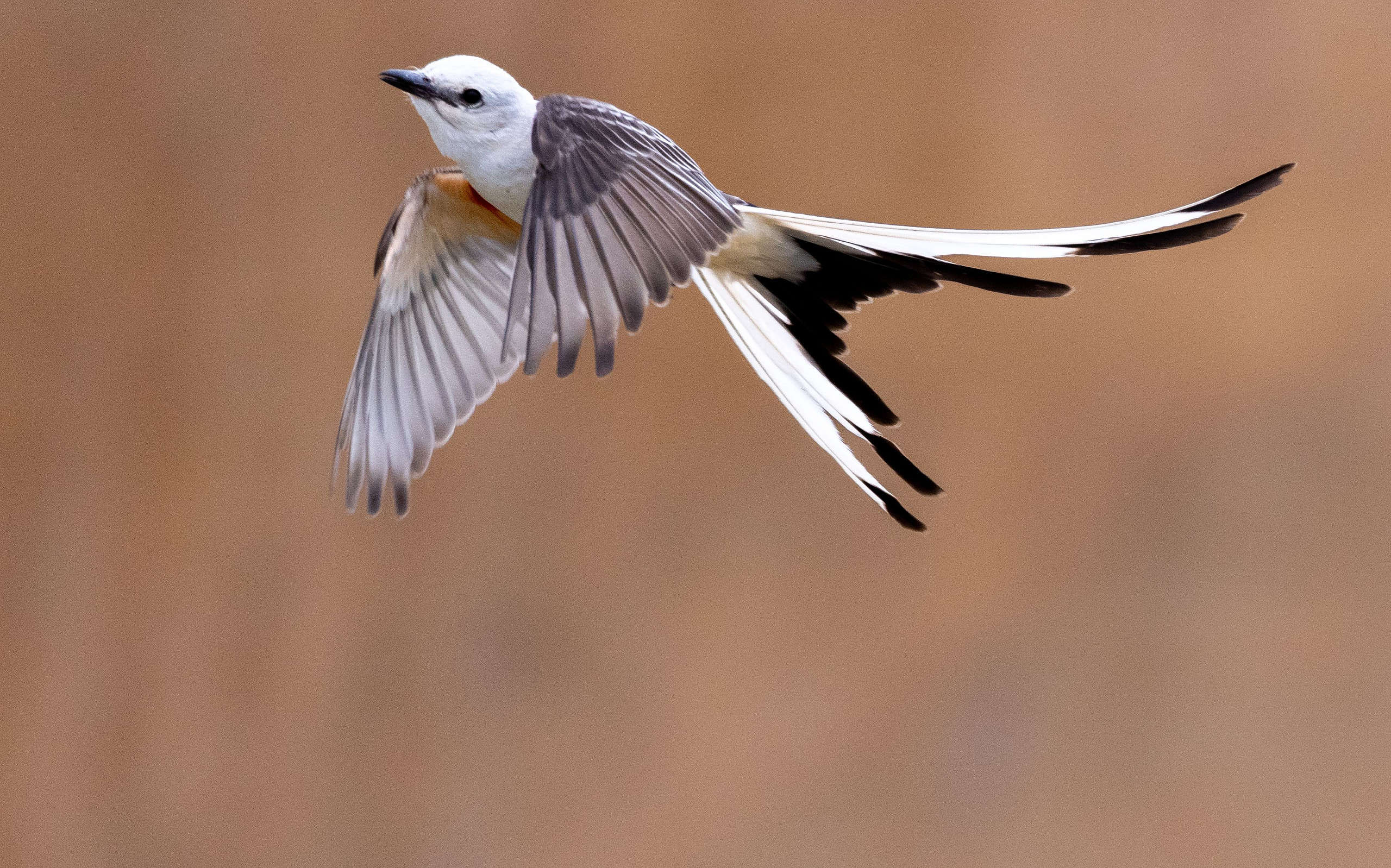
The Distinctive Elegance of the Scissor-tailed Flycatcher
The Scissor-tailed Flycatcher, scientifically known as Tyrannus forficatus, is a member of the Tyrannidae family, a group of birds renowned for their predatory prowess and distinctive hunting techniques. However, what truly sets this bird apart is its extraordinary tail, which gives it its common name and makes it instantly recognizable.
A Tail Unlike Any Other
The most striking feature of the Scissor-tailed Flycatcher is its exceptionally long, deeply forked tail. In males, especially during the breeding season, these tail streamers can be nearly as long as their entire body. The outer feathers are elongated and often curve outwards, creating a dramatic, scissor-like appearance as the bird maneuvers through the air. This unique appendage is not merely ornamental; it plays a crucial role in the bird’s aerial agility. The long, flexible tail streamers allow for incredibly precise and nimble flight, enabling the flycatcher to perform astonishing aerial acrobatics as it hunts. The coloration of the tail is also noteworthy, featuring black outer feathers and white inner feathers, which flash distinctively during flight.
Striking Plumage and Size
Beyond its remarkable tail, the Scissor-tailed Flycatcher boasts an attractive plumage that further enhances its visual appeal. Adult males are characterized by a soft gray back and wings, a pale pinkish or salmon blush on their flanks, and a bright white underside. Their heads are a darker gray, often with a blackish tinge. Females are generally similar in appearance but are typically duller and have shorter tail streamers. These birds are medium-sized, measuring around 10 to 15 inches in length, with the tail accounting for a significant portion of that measurement. Their relatively slender build and pointed wings contribute to their graceful flight.
Distribution and Habitat
The Scissor-tailed Flycatcher’s range is primarily centered in the southern plains of the United States and extends into parts of Mexico. Oklahoma, with its vast expanses of grassland, prairies, and open woodlands, provides an ideal habitat for this species. They are most commonly found in open country, including pastures, meadows, savannas, and even suburban areas with open spaces. They often perch on elevated spots such as fence posts, utility wires, or scattered trees, from which they launch their impressive hunting forays. This preference for open landscapes makes them a familiar sight across much of the Sooner State.
The Scissor-tailed Flycatcher’s Behavior and Lifestyle
The Scissor-tailed Flycatcher is a bird defined by its active and engaging behavior, particularly its hunting methods and its vibrant social interactions. Its presence adds a dynamic element to the natural soundscape and visual panorama of Oklahoma.

Master of Aerial Hunting
As their name suggests, Scissor-tailed Flycatchers are insectivores, relying heavily on aerial insectivory as their primary mode of foraging. They are remarkable aerialists, spending a significant portion of their day in active flight, searching for flying insects. Their hunting strategy is characterized by short, rapid sallies from a perch. They will sit patiently on a vantage point, their keen eyes scanning the air for prey. Upon spotting an insect, they will launch themselves into the air with explosive speed and agility, often executing complex aerial maneuvers to intercept their target. Their long tail acts as a rudder and stabilizer, allowing for sharp turns and sudden changes in direction. Once the insect is caught, they often return to their perch to consume it, or they may fly to another location. Their diet consists mainly of grasshoppers, beetles, flies, moths, and other flying insects, making them beneficial to agriculture by helping to control pest populations.
Vocalizations and Communication
While not known for elaborate songs, Scissor-tailed Flycatchers do possess a repertoire of vocalizations that they use for communication. Their calls are typically sharp and percussive, often described as a “kip” or “chip” sound. During territorial disputes or when alarmed, they may emit a more insistent series of sharp notes. Males also engage in courtship displays that involve vocalizations along with their spectacular aerial performances, further emphasizing the importance of sound in their interactions.
Nesting and Reproduction
The breeding season for the Scissor-tailed Flycatcher typically begins in late spring. They are monogamous, and pairs will establish a territory that they defend from other birds. The nest is usually built in a tree or shrub, often at a moderate height above the ground. The nest itself is a cup-shaped structure constructed from twigs, grass, rootlets, and other plant materials, often lined with finer materials such as feathers or animal hair. The female typically lays three to five eggs, which are creamy white with reddish-brown spotting. Both parents share incubation duties and the responsibility of feeding the nestlings, which hatch after about two to three weeks. The young birds fledge after another two to three weeks, becoming independent shortly thereafter. The striking tail of the male is believed to play a role in attracting mates during these courtship rituals.
The Scissor-tailed Flycatcher’s Significance in Oklahoma
The adoption of the Scissor-tailed Flycatcher as the official state bird of Oklahoma was not merely a bureaucratic decision but a reflection of the bird’s deep connection to the state’s natural heritage and its symbolic resonance with the people of Oklahoma.
A Symbol of the Prairie and Open Spaces
The Scissor-tailed Flycatcher is inextricably linked to the vast, open grasslands and prairies that characterize much of Oklahoma. Its presence signifies a healthy ecosystem and a thriving natural environment. For generations, the sight of these distinctive birds soaring and diving over the plains has been an integral part of the Oklahoma landscape. Their resilience and adaptability in these open environments mirror the spirit of the state’s inhabitants, who have long relied on and found beauty in the open expanses of their home. The bird serves as a constant reminder of the ecological richness of Oklahoma and the importance of preserving its natural heritage.
Official Designation and Public Appreciation
The Scissor-tailed Flycatcher was officially designated as the state bird of Oklahoma on June 15, 1951. This legislative act solidified its status as a symbol of the state and has since fostered a sense of pride and recognition among its citizens. Its image appears on various state emblems, educational materials, and is often featured in discussions about Oklahoma’s natural history. The bird’s charismatic appearance and engaging behavior make it a popular subject for birdwatchers, photographers, and nature enthusiasts who visit Oklahoma specifically to observe its wildlife. Educational programs and conservation efforts often highlight the Scissor-tailed Flycatcher as an ambassador for Oklahoma’s diverse bird populations and its commitment to environmental stewardship.

Observing the State Bird in Oklahoma
For visitors and residents alike, observing the Scissor-tailed Flycatcher can be a rewarding experience. Prime viewing opportunities are available during the spring and summer months, when the birds are most active and visible. Many state parks and wildlife refuges across Oklahoma offer excellent habitats for these flycatchers. Areas like the Tallgrass Prairie Preserve near Pawhuska or the Ouachita National Forest (though denser forests are less preferred, the edges can be good) can provide sightings. Simply driving through rural roads with open fields, fence lines, and scattered trees throughout the state will often yield views of this iconic bird. Their habit of perching prominently on wires and posts makes them relatively easy to spot against the expansive Oklahoma sky. Experiencing the Scissor-tailed Flycatcher in its natural habitat is a quintessential Oklahoma experience, connecting one to the wild beauty and living symbols of the state.
LifeOutOfTheBox is a participant in the Amazon Services LLC Associates Program, an affiliate advertising program designed to provide a means for sites to earn advertising fees by advertising and linking to Amazon.com. Amazon, the Amazon logo, AmazonSupply, and the AmazonSupply logo are trademarks of Amazon.com, Inc. or its affiliates. As an Amazon Associate we earn affiliate commissions from qualifying purchases.