
Oklahoma, a state renowned for its vast prairies, rolling hills, and diverse wildlife, presents an exciting proposition for hunters and nature enthusiasts alike. For those drawn to the thrill of the chase and the allure of the great outdoors, understanding the intricacies of deer season is paramount. This guide delves into the specifics of when deer hunting is permissible in the Sooner State, offering insights that will help plan your expedition.
The Oklahoma Department of Wildlife Conservation (ODWC) meticulously sets the hunting regulations each year, balancing conservation efforts with opportunities for sportsmen. These regulations are crucial for ensuring the long-term health of the deer population and preserving the rich hunting heritage of Oklahoma. Navigating these dates and regulations is the first step for any aspiring deer hunter in the state.
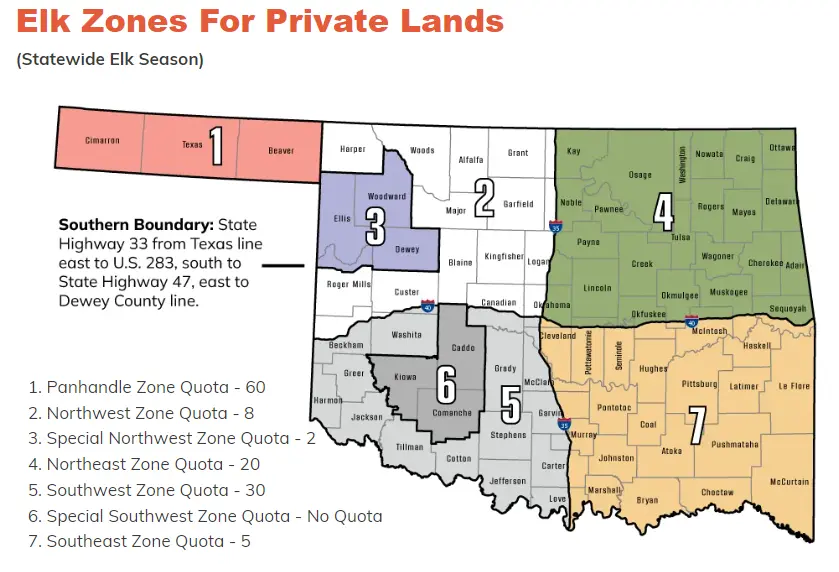
Understanding Oklahoma’s Deer Hunting Seasons
Oklahoma’s deer hunting landscape is characterized by a variety of seasons, each catering to different hunting preferences and equipment. These seasons are strategically implemented to manage deer populations effectively and provide distinct hunting experiences.
Archery Season
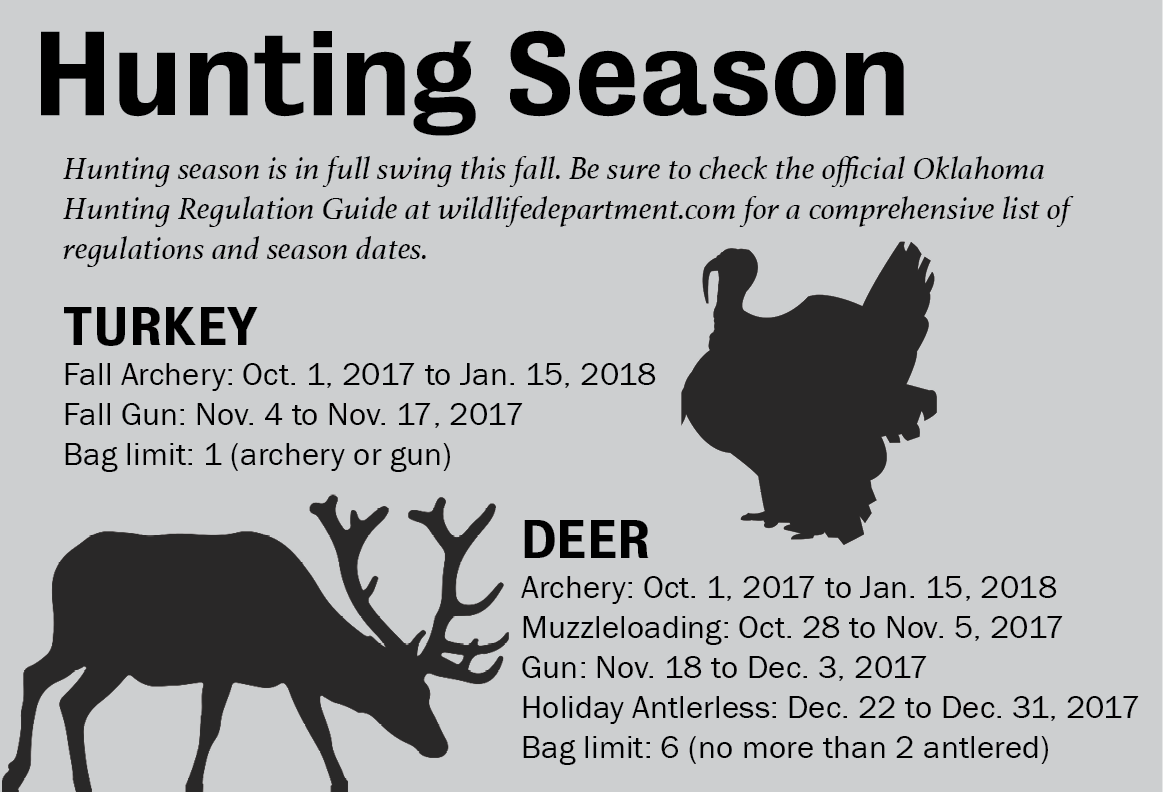
The archery season typically opens in early October and extends through January. This extended period allows hunters to pursue deer using bows and arrows, a method demanding skill, patience, and a deep understanding of deer behavior. Archery hunters often enjoy the quiet solitude and the intimate connection with nature that this style of hunting provides. The prolonged season offers ample opportunity for those who prefer a more traditional and challenging approach to pursuing whitetail deer and other species. Successful archery hunting often requires extensive scouting, knowledge of wind direction, and precision shooting at closer ranges.
Youth Season
Oklahoma designates a special youth season, usually held in late September or early October, preceding the general firearms seasons. This season is specifically designed for hunters aged 17 and under, allowing them to hunt under the supervision of an adult. The youth season is a vital component of hunter recruitment and education, fostering a love for the outdoors and conservation in the next generation. It provides a valuable opportunity for experienced hunters to mentor young enthusiasts, passing on essential skills and ethical hunting practices in a controlled and encouraging environment. This season often coincides with favorable weather conditions, making it an ideal time for young hunters to experience the outdoors.
Firearms Seasons
Oklahoma offers several distinct firearms seasons, each with its own set of regulations and timing.
Antelope Season
While not strictly deer, Oklahoma sometimes offers specific seasons for pronghorn antelope, often in the western parts of the state. These seasons are typically shorter and have very specific geographical boundaries. Pronghorn are known for their speed and stamina, offering a unique challenge for rifle hunters. Understanding the specific open areas and dates for antelope hunting is crucial for those interested in pursuing this swift game animal.
Deer Gun Season (Either-Sex and Specific Sex)
The main firearms deer season, often referred to as the “gun season,” generally commences in mid-November and runs through early December. This is arguably the most popular season for many hunters due to the accessibility of firearms and the increased likelihood of encountering deer. Within this general firearms season, there are often different designations:
- Either-Sex Hunts: These periods allow hunters to harvest either a buck or a doe. This flexibility is crucial for wildlife management, allowing for targeted population control in areas where doe numbers might be high.
- Buck-Only Hunts: In certain management units or at specific times within the general season, hunting may be restricted to bucks only. These regulations are implemented to protect doe populations and ensure sustainable harvesting.
The exact start and end dates for these firearms seasons, as well as the specific sex designations for each hunting unit, are detailed in the annual Oklahoma Hunting Regulations guide published by the ODWC. It is imperative for hunters to consult this guide for the most up-to-date and localized information.
Late Season and Muzzleloader Season
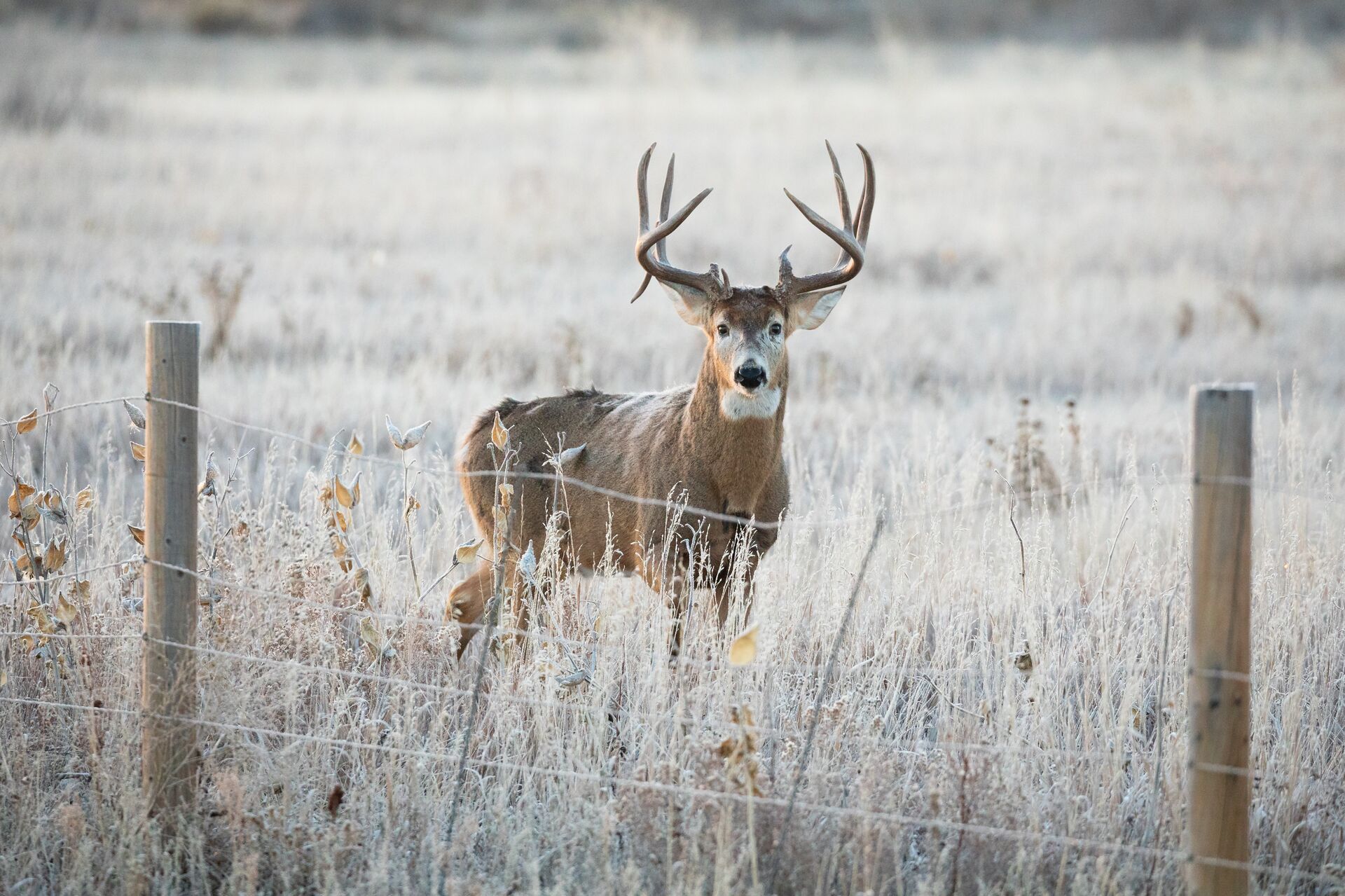
Following the general gun season, Oklahoma often provides a late muzzleloader season, typically in December. This season offers another opportunity for firearms hunters to pursue deer with muzzleloading rifles, a traditional and challenging form of hunting. The late season can be particularly rewarding as deer may be more active and moving into food sources as winter sets in. This period also allows for a different set of hunting strategies and equipment, appealing to those who appreciate historical hunting methods.
Planning Your Deer Hunting Trip in Oklahoma
A successful deer hunting trip in Oklahoma requires more than just knowing the season dates; it involves careful planning, adherence to regulations, and preparation.
Obtaining Necessary Licenses and Permits
Before heading afield, ensuring you have the correct hunting licenses and permits is non-negotiable. Oklahoma requires resident and non-resident hunters to purchase specific deer hunting licenses. Depending on the type of season and the specific unit you plan to hunt, additional permits, such as antlerless tags or special management area permits, may be necessary. The ODWC website is the primary resource for purchasing licenses and understanding the permit requirements. Ignorance of these regulations can lead to penalties, so thorough research is essential.
Selecting Your Hunting Location
Oklahoma offers a diverse range of hunting environments, from the Cross Timbers region’s dense woodlands to the open plains and river bottoms. Understanding the habitat preferences of deer within these various regions can significantly enhance your chances of success. The ODWC provides maps and information on public hunting lands, wildlife management areas, and state parks that are open to hunting. Private land hunting is also a significant option, often requiring landowner permission or participation in leasing programs. Popular areas include the Ouachita National Forest in the east and the Osage Hills State Park for those seeking rugged terrain.
Essential Gear and Preparation
Proper gear is critical for a safe and successful hunting experience. This includes appropriate firearms or archery equipment that comply with ODWC regulations, ammunition, a high-quality hunting knife, a reliable compass or GPS device, and appropriate camouflage clothing suitable for the prevailing weather conditions. For bowhunters, ensuring their equipment is properly sighted in and that they are proficient in making ethical shots is paramount. For firearms hunters, understanding safe firearm handling and marksmanship is fundamental. Essential survival gear, such as a first-aid kit, water, and high-energy food, should also be carried.
Understanding Wildlife Management and Conservation
The regulations surrounding deer season in Oklahoma are not arbitrary; they are rooted in a commitment to wildlife management and conservation.
Bag Limits and Tagging Requirements
The ODWC sets specific bag limits for deer, dictating how many deer a hunter can harvest per season and per day. These limits often vary based on the type of season and the specific hunting unit. Additionally, there are strict tagging requirements that must be followed immediately after a successful harvest. This involves properly filling out and attaching the harvest tag to the animal and checking the deer in through the ODWC’s electronic reporting system or at a designated check station within a specified timeframe. These measures are vital for tracking harvested animals and gathering data for population management.
Antler Restrictions and Doe Management
In certain areas of Oklahoma, antler restrictions may be in place, particularly for youth and archery seasons, to encourage the harvest of older, mature bucks and allow younger bucks to mature. These restrictions aim to improve the age structure and genetic quality of the deer population. Furthermore, doe management is a critical component of the state’s wildlife strategy. Antlerless permits and either-sex seasons are often utilized to control doe populations, which can proliferate rapidly and lead to habitat degradation and increased instances of disease.
Ethical Hunting Practices
Ethical hunting is a cornerstone of responsible sportsmen. This encompasses a commitment to making clean, quick kills, respecting private property, adhering to all hunting laws and regulations, and practicing hunter safety at all times. Ethical hunters also understand the importance of conservation and strive to leave no trace, minimizing their impact on the natural environment. Understanding and practicing these principles ensures the continuation of hunting traditions for future generations and maintains public support for wildlife management initiatives.
By understanding and respecting the specific dates, regulations, and ethical considerations surrounding deer season in Oklahoma, hunters can embark on a rewarding and responsible pursuit of this iconic game animal. The Oklahoma Department of Wildlife Conservation provides a wealth of resources to aid hunters in their preparation and endeavors.
LifeOutOfTheBox is a participant in the Amazon Services LLC Associates Program, an affiliate advertising program designed to provide a means for sites to earn advertising fees by advertising and linking to Amazon.com. Amazon, the Amazon logo, AmazonSupply, and the AmazonSupply logo are trademarks of Amazon.com, Inc. or its affiliates. As an Amazon Associate we earn affiliate commissions from qualifying purchases.