
The verdant, mountainous landscapes of Oregon are home to a diverse array of wildlife, and among its most iconic inhabitants are bears. For visitors and residents alike, understanding the presence and behavior of these magnificent creatures is crucial for safe and respectful enjoyment of the state’s natural beauty. The answer to whether bears inhabit Oregon is a resounding yes, with multiple species coexisting within its varied ecosystems.
Understanding Oregon’s Bear Populations
Oregon boasts a healthy and growing population of black bears, the most common species encountered. While grizzly bears historically roamed parts of eastern Oregon, their presence is now exceedingly rare, with confirmed sightings being exceptional. The focus for most wildlife enthusiasts and park visitors is firmly on the adaptable and widespread black bear.
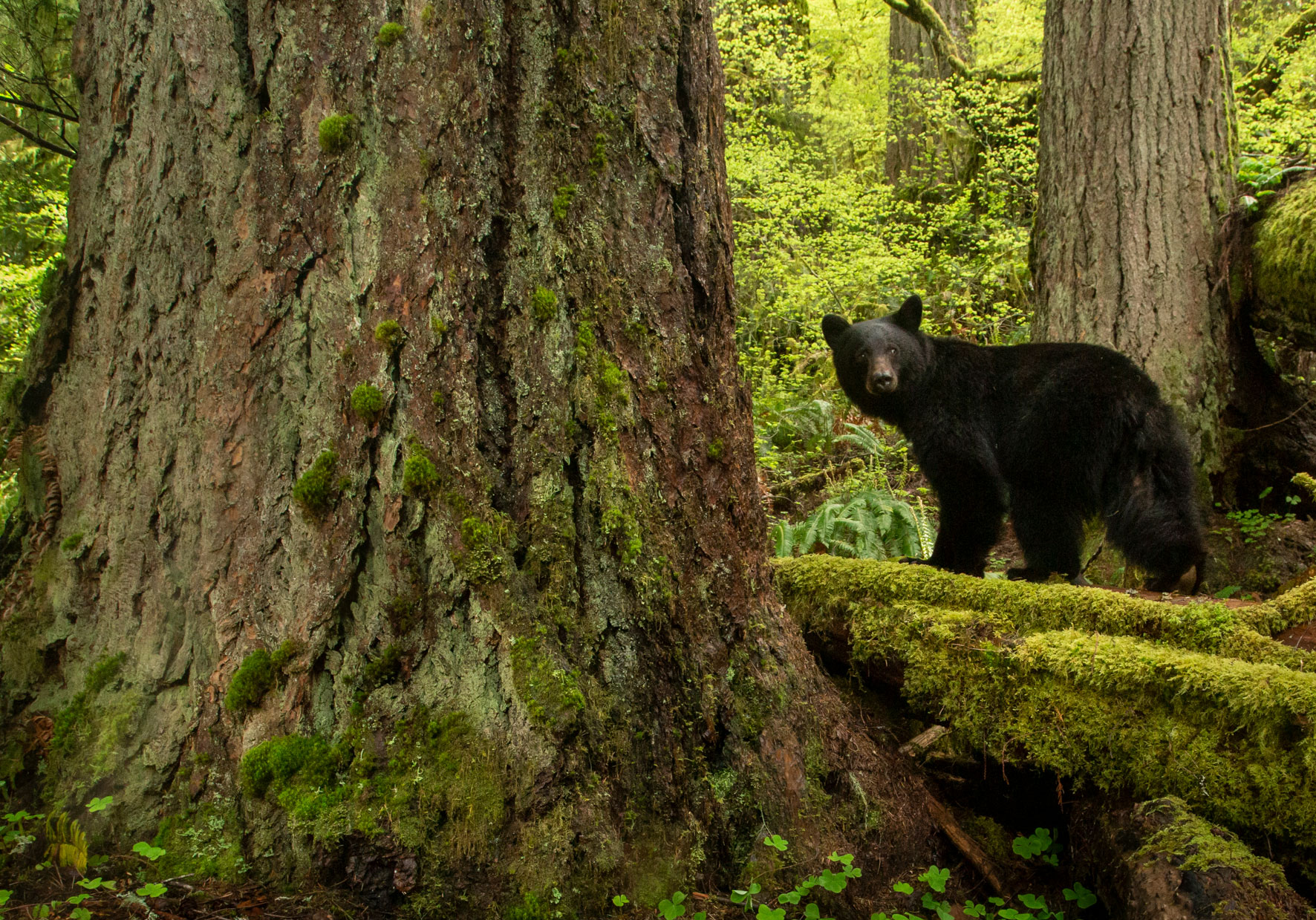
The American Black Bear: A Ubiquitous Resident
The American black bear (Ursus americanus) is found throughout much of Oregon, from the dense forests of the Coast Range to the rugged mountains of the Cascades and the high desert plateaus of the east. These bears are incredibly adaptable, thriving in a variety of habitats. Their diet is omnivorous, consisting of berries, nuts, insects, roots, and occasionally fish and small mammals.
- Distribution: Black bears are particularly prevalent in areas with significant forest cover, including national forests like the Mt. Hood National Forest and the Siskiyou National Forest, as well as state parks and wilderness areas. They can also be found in more developed areas where food sources are readily available, such as campgrounds and residential areas bordering natural habitats.
- Behavior: Despite their name, black bears can range in color from black to brown, cinnamon, and even blonde. They are generally shy and reclusive, preferring to avoid human contact. Encounters are typically brief, and bears will usually flee if given the opportunity. However, it is essential to remember that they are wild animals and can become accustomed to human presence if exposed to food sources.
- Conservation Status: The black bear population in Oregon is considered healthy and is managed by the Oregon Department of Fish and Wildlife. Their populations have been stable or increasing in recent decades, reflecting effective management strategies and habitat preservation.
The Ghost of the Past: Grizzly Bears in Oregon
While not a current concern for most visitors, it’s historically significant to acknowledge the presence of grizzly bears (Ursus arctos horribilis) in Oregon. These larger, more powerful bears once roamed freely across the eastern parts of the state, particularly in the Wallowa Mountains. Habitat loss and human conflict led to their extirpation from the state. Occasionally, individual grizzlies may wander into northeastern Oregon from neighboring Idaho, but these instances are extremely rare and are closely monitored by wildlife agencies. The focus of public safety and wildlife interaction remains firmly on the black bear.
Where to Potentially See Bears in Oregon
Observing bears in their natural habitat is a thrilling prospect for many, but it requires knowledge of their preferred environments and ethical viewing practices. While sightings are never guaranteed, certain areas in Oregon offer a higher probability of encountering these elusive creatures.
Coastal Forests and Mountain Ranges
The extensive forests that blanket the Oregon Coast and the majestic Cascade Mountains are prime black bear territory. These areas provide ample food, water, and shelter, supporting a healthy bear population.
- National Forests: Explore the dense woodlands of the Willamette National Forest, the Umpqua National Forest, and the Deschutes National Forest. These vast tracts of land offer numerous hiking trails and backcountry areas where bears are known to roam.
- State Parks: Many of Oregon’s state parks, particularly those with significant forested areas, can be home to bears. Parks like Silver Falls State Park with its abundant waterfalls and lush vegetation, or Smith Rock State Park (though less known for bears, its surrounding wilderness can harbor them) might offer opportunities. Always check park advisories for recent wildlife activity.
- Wildlife Refuges: Areas like the Bandon Marsh National Wildlife Refuge and the Finley National Wildlife Refuge provide protected habitats for a variety of wildlife, including bears.
High Desert and Eastern Oregon
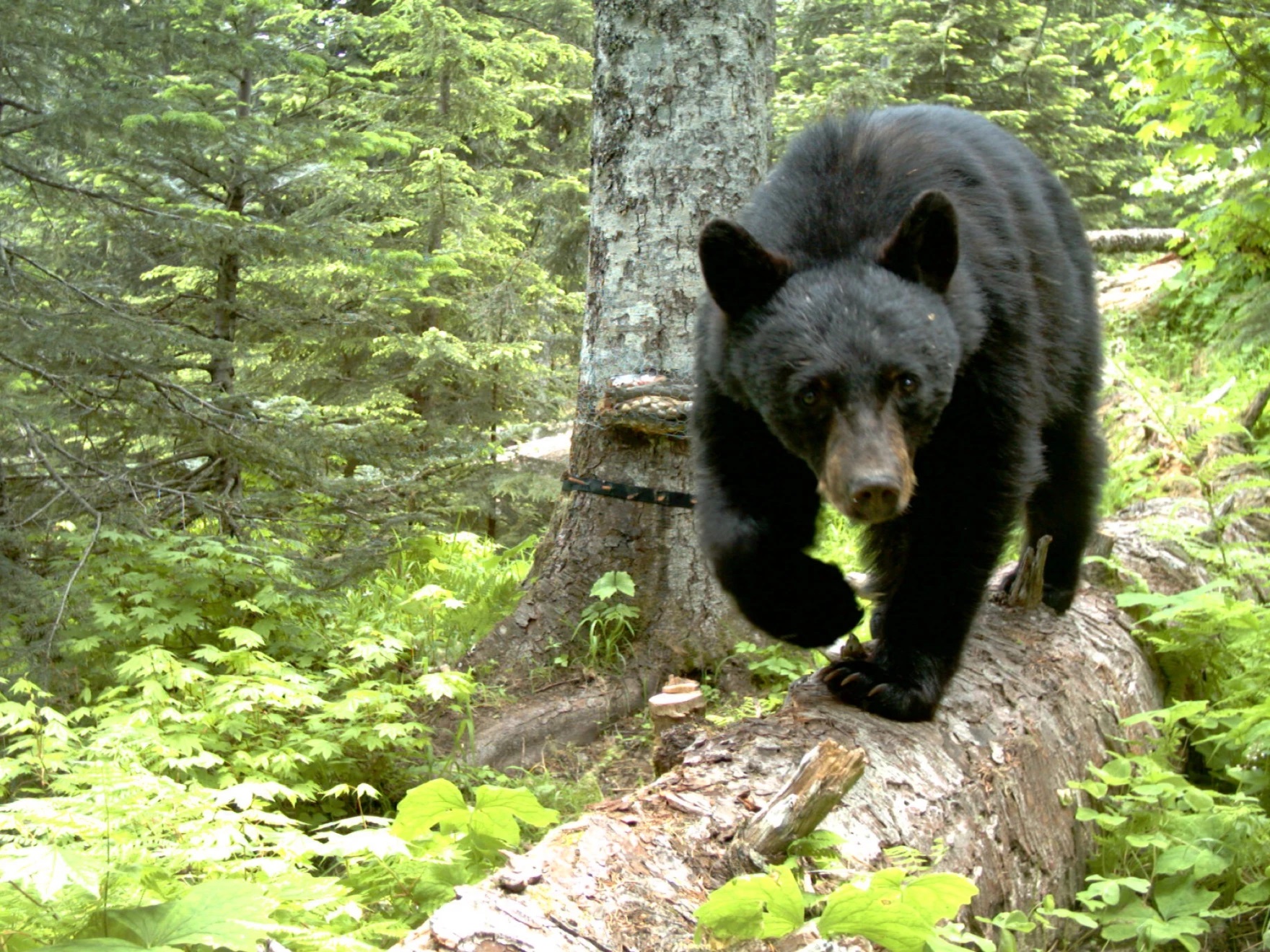
While the dense forests are more commonly associated with bears, eastern Oregon, particularly in areas with riparian corridors and timberlines, can also support black bear populations.
- Steens Mountain Wilderness: The rugged terrain of the Steens Mountain Wilderness offers a unique landscape where bears might be found, especially in the valleys and around water sources.
- Ochoco National Forest: This expansive forest in central Oregon provides habitat for black bears, with opportunities for observation in less-traveled areas.
Safe Bear Encounters: Essential Tips for Visitors
The presence of bears in Oregon is a part of its wild charm, but it necessitates a responsible approach to ensure the safety of both humans and wildlife. Adhering to guidelines set by the Oregon Department of Fish and Wildlife is paramount.
Bear-Aware Practices in the Wild
When exploring bear country, vigilance and preparedness are key. Understanding bear behavior and how to minimize your impact is crucial for a positive experience.
- Make Noise: Bears generally want to avoid you. Talking, singing, or wearing a bell can alert them to your presence, giving them a chance to move away. Avoid surprising them, especially in dense vegetation or when near a noisy river.
- Travel in Groups: Larger groups are often more intimidating to bears and can help deter an encounter.
- Be Aware of Your Surroundings: Look for signs of bear activity, such as tracks, scat, or overturned rocks. Avoid hiking at dawn or dusk, when bears are most active.
- Leash Your Dogs: Dogs can provoke bears. Keep them on a leash and under control at all times.
Food Storage and Campground Safety
Improper food storage is one of the primary reasons bears become habituated to human areas, leading to potential conflicts.
- Secure Food: Always store food, garbage, and scented items in bear-resistant containers or lockers provided at campgrounds. If no such facilities are available, hang your food at least 10 feet off the ground and 4 feet away from the tree trunk. Never leave food unattended in your tent or vehicle.
- Cleanliness: Keep your campsite clean. Wash dishes immediately after use and dispose of wastewater away from your sleeping area and water sources.
- Avoid Feeding Bears: Intentionally or unintentionally feeding bears is dangerous and illegal. It alters their natural behavior and can lead to them being euthanized.

What to Do if You Encounter a Bear
While rare, encountering a bear can be unnerving. Knowing how to react can de-escalate the situation.
- Stay Calm: Do not run. Running can trigger a chase response.
- Identify Yourself: Speak in a calm, low voice to let the bear know you are human.
- Back Away Slowly: Give the bear plenty of space to retreat. Avoid direct eye contact, which can be perceived as a threat.
- Do Not Approach: Never try to get closer to a bear for a photograph or out of curiosity.
- If Charged: If a bear charges, stand your ground and use bear spray if you have it. Black bear charges are often bluff charges, and the bear may turn away at the last minute. If contact is made, fight back aggressively, focusing on the bear’s face and muzzle. (Note: This differs from advice for grizzly bear encounters, where playing dead is sometimes recommended, but grizzly encounters are extremely rare in Oregon).
By respecting these guidelines, visitors can ensure that their exploration of Oregon’s wild spaces is both enjoyable and safe for everyone, including its wild bear inhabitants.
LifeOutOfTheBox is a participant in the Amazon Services LLC Associates Program, an affiliate advertising program designed to provide a means for sites to earn advertising fees by advertising and linking to Amazon.com. Amazon, the Amazon logo, AmazonSupply, and the AmazonSupply logo are trademarks of Amazon.com, Inc. or its affiliates. As an Amazon Associate we earn affiliate commissions from qualifying purchases.