
Oregon, a jewel of the Pacific Northwest, is renowned for its breathtaking natural beauty, vibrant cities, and a progressive approach to many aspects of life, including labor policies. For travelers planning a visit, residents navigating daily expenses, or entrepreneurs eyeing the bustling tourism sector, understanding the minimum wage structure in Oregon is more than just a matter of compliance – it’s key to comprehending the cost of living, the economic landscape, and the overall lifestyle experience the state offers. Unlike a uniform federal minimum wage across the United States, Oregon has implemented a unique, tiered system designed to address the varying costs of living across its diverse regions. This system directly influences everything from the price of a latte in Portland to the affordability of a stay at a charming boutique hotel on the Oregon Coast, making it a crucial topic for anyone interested in the state’s economic heartbeat.

This guide will delve into the intricacies of Oregon’s minimum wage, exploring its regional variations, historical context, and future outlook. We will examine how this wage impacts the state’s thriving tourism and hospitality sectors, influencing everything from job opportunities to the cost of travel and accommodation. Whether you’re considering a move, planning an unforgettable vacation, or simply curious about the economic dynamics of this captivating state, understanding Oregon’s minimum wage offers invaluable insights into the broader lifestyle and travel experiences available.
Oregon’s Unique Minimum Wage Structure: A Regional Look
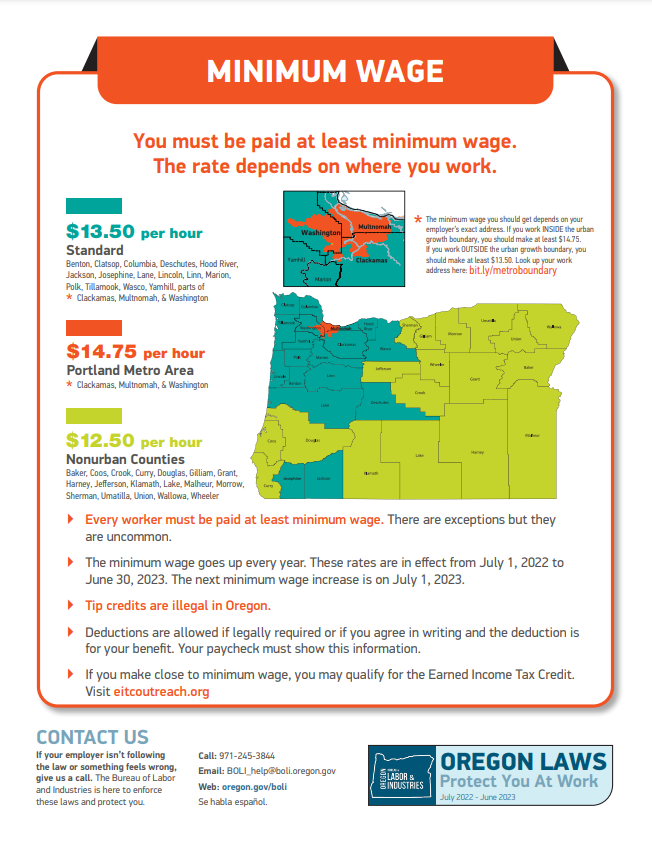
Oregon’s approach to minimum wage is distinctive because it acknowledges that the cost of living can vary dramatically from one part of the state to another. This realization led to the implementation of a three-tiered system, which took full effect in 2016 and continues to be adjusted annually. This progressive model aims to ensure that workers in high-cost urban areas receive a wage that better reflects their local expenses, while also allowing for a more gradual increase in regions with lower costs of living.
The Three Tiers: Portland Metro, Standard, and Non-Urban
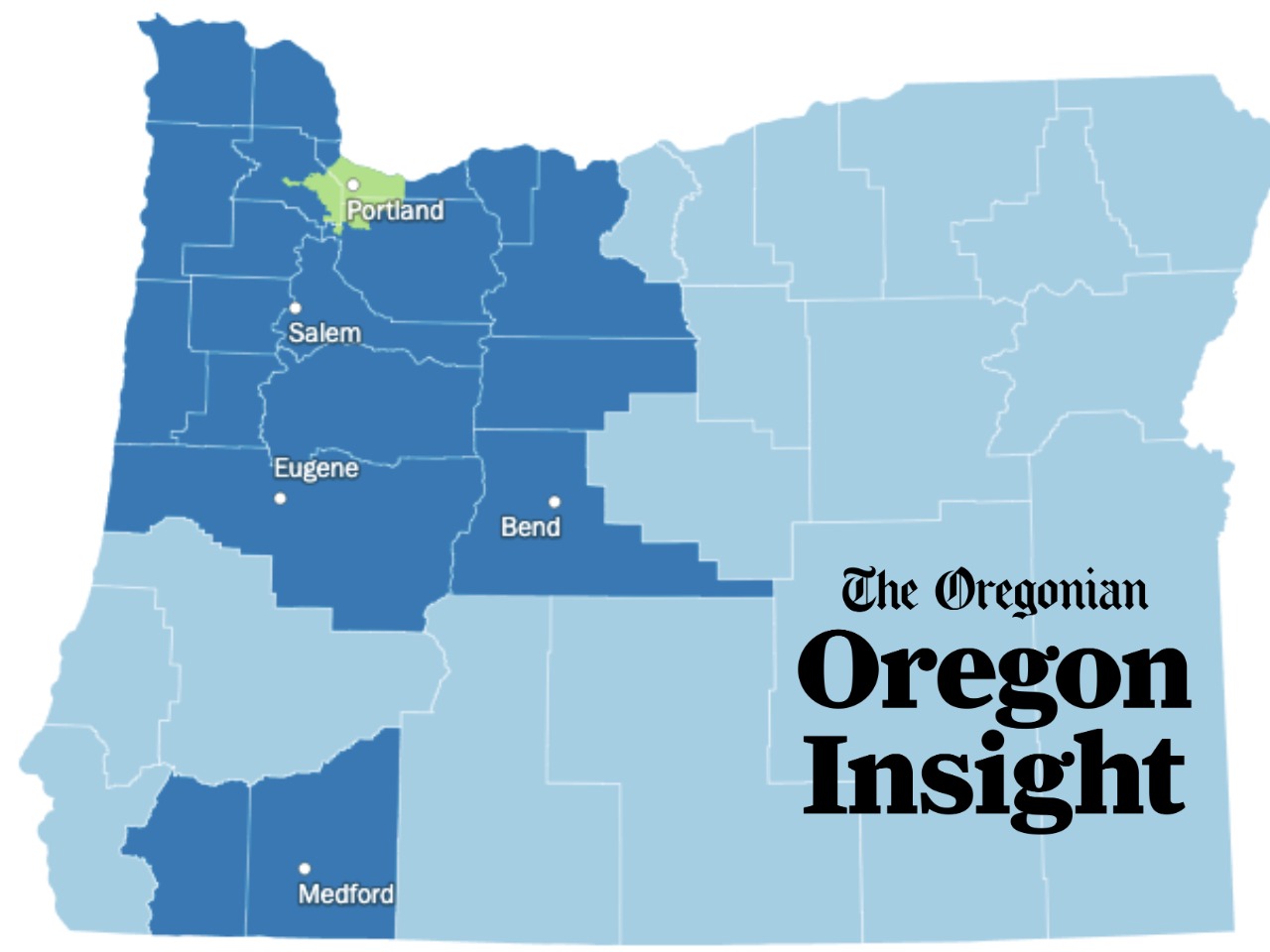
The state is divided into three distinct zones, each with its own minimum wage rate:
-
Portland Metro Area: This zone encompasses the city of Portland and surrounding urban areas, including parts of Clackamas, Multnomah, and Washington counties. As the economic and cultural hub of Oregon, this region consistently experiences the highest cost of living, particularly when it comes to housing and transportation. Consequently, it has the highest minimum wage rate in the state. For instance, as of July 1, 2024, the minimum wage in the Portland Metro Area is set to be $15.95 per hour, reflecting the significant expenses associated with living and working in a bustling metropolitan environment. This higher wage is intended to help workers afford essentials, although many still face challenges with housing affordability.
-
Standard Area: This zone covers a broad swathe of the state, including many mid-sized cities and their surrounding communities. Key areas within this tier include the state capital Salem, the university town of Eugene, the high-desert adventure hub of Bend, and the agricultural heartland of the Willamette Valley, stretching down to southern Oregon cities like Medford and Grants Pass. While still significant urban centers, the cost of living in these areas is generally lower than in the Portland Metro. The minimum wage here is set at a mid-tier rate, which as of July 1, 2024, is projected to be $14.70 per hour. This rate aims to provide a fair wage that aligns with the slightly more moderate living expenses prevalent in these vibrant communities, which are often popular destinations for travelers seeking cultural experiences or outdoor adventures.
-
Non-Urban Area: This tier encompasses the more rural and economically diverse areas of Oregon. These often include coastal towns like Astoria and Tillamook, eastern Oregon communities, and other regions with smaller populations and generally lower costs of living. The minimum wage in these non-urban areas is the lowest of the three tiers, recognizing the different economic realities. For example, the non-urban minimum wage as of July 1, 2024, is expected to be $13.20 per hour. While lower, this rate is still a substantial increase from the federal minimum wage, demonstrating Oregon’s commitment to ensuring a living wage even in its more remote locales. These regions often thrive on niche tourism, agriculture, and forestry, and the wage structure reflects a balance between supporting workers and maintaining the viability of local businesses.
Annual adjustments to these rates are tied to the Consumer Price Index for All Urban Consumers (CPI-U) to account for inflation, ensuring that the minimum wage retains its purchasing power over time. This forward-thinking approach means businesses and workers can anticipate future changes, providing a degree of stability in financial planning.
Understanding the Cost of Living in Oregon’s Diverse Regions
Connecting the minimum wage to the actual cost of living is crucial for both residents and visitors. Oregon’s diverse geography means that a comfortable wage in one region might barely cover essentials in another.
In the Portland Metro Area, housing is by far the most significant expense. Rent for even a modest apartment can consume a large portion of a minimum wage earner’s income, making budget travel accommodations like hostels or shared vacation rentals more appealing for visitors. Transportation costs are also higher, although Portland’s robust public transit system, TriMet, offers some relief. Food prices, dining out, and entertainment expenses like visiting the Oregon Zoo or catching a show at the historic Arlene Schnitzer Concert Hall are also typically at the higher end. For tourists, this translates to higher prices for hotel stays, dining experiences, and even souvenirs. Understanding this can help travelers budget effectively for their urban adventures.
In the Standard Area, cities like Salem and Eugene offer a slightly more affordable lifestyle. Housing costs are still a primary concern but generally less prohibitive than in Portland. These cities are gateways to the Willamette Valley wine country or the stunning Oregon Coast, making them popular bases for exploring. For travelers, this might mean slightly more affordable hotel rates compared to Portland, but prices can still climb during peak seasons, especially in popular spots like Bend where demand for resorts and outdoor adventure activities is high. The local culture here often revolves around community events, farmers’ markets, and access to nature, which can be more budget-friendly.
The Non-Urban Area, encompassing much of Eastern Oregon, the Oregon Coast, and rural southern Oregon, typically presents the lowest cost of living, particularly regarding housing. While wages are lower, the relative affordability of rent and other essentials often allows for a more comfortable lifestyle for minimum wage earners. For tourists, these areas can offer excellent value. Charming coastal towns like Cannon Beach (home to the iconic Haystack Rock) or historic Astoria may have lower-priced local eateries and more affordable accommodation options outside of peak season. Campgrounds and smaller, family-run hotels often dominate, catering to a budget-conscious traveler looking to immerse themselves in nature, perhaps exploring Crater Lake National Park or hiking trails around Mount Hood.
Understanding these regional differences is vital for any visitor to Oregon. It not only helps in budgeting for travel expenses but also provides a glimpse into the daily lives of the residents and the economic considerations shaping local communities and services.
Minimum Wage and the Oregon Tourism & Hospitality Sector
The tourism and hospitality sector is a cornerstone of Oregon’s economy, attracting millions of visitors annually drawn to its scenic beauty, craft breweries, and vibrant cultural scene. From bustling hotels in downtown Portland to quaint bed and breakfasts in the Willamette Valley and coastal resorts, this industry relies heavily on a dedicated workforce. The state’s tiered minimum wage directly impacts this sector, influencing employment, service quality, and ultimately, the cost of a traveler’s experience.
Impact on Service Industry Workers and Job Opportunities
Many roles within the tourism and hospitality industry, such as hotel housekeepers, front desk staff, restaurant servers, kitchen assistants, retail associates in tourist shops, and entry-level tour guides, are often paid at or near the minimum wage. Oregon’s higher minimum wage, especially in the Portland Metro Area, is designed to provide these essential workers with a more livable income.
This elevated wage can have several positive effects. It can attract a more stable workforce, reducing turnover and potentially leading to better-trained and more experienced staff. Higher wages can also boost morale and productivity, which can translate into improved customer service – a critical component of the hospitality industry. Imagine a more attentive hotel concierge at The Nines Hotel in Portland, or a more cheerful server at a popular eatery in Ashland, both benefiting from a wage that allows them to better afford their local cost of living.
However, the increased labor costs also present challenges for businesses, particularly small, independent operations. Owners of local restaurants or small boutique hotels may need to adjust their pricing or operational models to absorb these costs. This could mean increased prices for services, changes in staffing levels, or greater investment in automation. For those considering jobs in Oregon’s tourism sector, the minimum wage structure provides a clearer picture of potential earnings relative to the local cost of living, influencing decisions on where to seek employment, be it in the bustling scene of Hood River or a quieter role in Corvallis.
Navigating Oregon as a Budget Traveler: Costs Beyond the Wage
For the budget-conscious traveler, understanding Oregon’s minimum wage policies indirectly translates into practical considerations for trip planning. While direct wages don’t impact what you pay at checkout, the overall cost of doing business for hotels, restaurants, and attractions does.
In the Portland Metro Area, expect higher prices for almost everything. A night at a mid-range hotel, dining at a popular restaurant, or even a local craft beer at a pub in the Pearl District will likely reflect the higher labor costs. Savvy budget travelers in Portland often opt for hostels like The Society Hotel, utilize public transportation, seek out food carts for affordable and diverse meals, and enjoy free attractions like exploring Powell’s City of Books or strolling through Washington Park.
Moving into the Standard Area, cities like Eugene or Salem often offer a slightly more relaxed pace and potentially better value for accommodations and dining. Here, travelers might find more affordable family-run restaurants and mid-tier hotels or apartments that provide comfortable stays without breaking the bank. Exploring nearby natural wonders like Silver Falls State Park or cycling through the Willamette Valley are fantastic budget-friendly activities.
The Non-Urban Areas, particularly the coast or eastern Oregon, often present the best opportunities for significant budget savings. Accommodation options range from charming, locally-owned motels in towns like Florence to plentiful campgrounds along the Oregon Coast or near majestic Mount Hood. Dining often features fresh, local ingredients at more approachable prices, such as famous seafood shacks in Depoe Bay. The primary attractions in these regions are often natural landmarks like Multnomah Falls or the scenic Columbia River Gorge, which can be enjoyed with minimal or no entry fees, making them ideal for truly experiential and budget-conscious travel.
By strategically planning their itinerary and understanding the cost implications of each region’s economic environment, travelers can enjoy the full breadth of Oregon’s offerings, from its bustling urban centers to its tranquil wilderness, without overspending.
The Broader Economic Landscape: Lifestyle and Investment in Oregon
The minimum wage, while seemingly a simple numerical value, profoundly influences the broader economic landscape of Oregon. It shapes the dynamics of local businesses, impacts the decisions of individuals considering long-term stays or relocation, and ultimately contributes to the overall vibrancy and character of the state. For those looking at Oregon from a lifestyle perspective or as a potential destination for investment, understanding these economic ripples is crucial.
From Local Businesses to Long-Term Stays: Economic Ripples
Oregon’s minimum wage policy plays a significant role in the viability and operational strategies of local businesses, particularly those in the tourism, retail, and service sectors. Small businesses, which are often the backbone of local economies, must carefully manage their payrolls in line with the tiered wage system. In high-wage areas like Portland, this might encourage businesses to innovate, automate certain tasks, or focus on niche, higher-value services to justify increased labor costs. It can also foster a business environment where employers are incentivized to invest in employee training and development, creating a more skilled and stable workforce. This can lead to higher quality goods and services, which ultimately benefits both residents and tourists.
For individuals considering a long-term stay, whether as digital nomads, retirees, or those relocating for work, the minimum wage rates provide a baseline for understanding earning potential and the cost of living. A high minimum wage in the Portland area, for instance, implies a certain standard of living, but also a higher barrier to entry in terms of housing and general expenses. Conversely, the non-urban minimum wage, while lower, coincides with significantly reduced living costs, offering a potentially more relaxed and affordable lifestyle. This affects the attractiveness of various regions for different demographics – Portland for career-driven urbanites, Bend for outdoor enthusiasts, or coastal towns for those seeking serenity and natural beauty.
Moreover, the wage policy is often seen as a statement of Oregon’s values, emphasizing worker welfare and a commitment to reducing income inequality. This can attract a certain type of workforce and entrepreneur who aligns with these progressive ideals, further shaping the state’s economic and social fabric. The flow of workers, tourists, and capital into and out of Oregon is subtly guided by these economic undercurrents, influencing everything from the number of new hotels being built to the proliferation of local artisanal shops.
Choosing Your Oregon Experience: Where Wages Meet Lifestyle
The interplay between Oregon’s minimum wage and its diverse cost of living creates a spectrum of lifestyle choices and travel experiences. For the traveler, understanding this relationship allows for more informed decisions about where to spend their time and money, aligning their budget with their desired experience.
If a vibrant urban lifestyle and cultural immersion are priorities, then Portland is the undeniable hub. Here, the higher minimum wage reflects the dynamic economy, bustling arts scene, and diverse culinary landscape. While potentially more expensive, the access to world-class attractions, unique hotels, and innovative restaurants can be worth the investment. Think of attending a show at the Keller Auditorium or exploring the food trucks on Alder Street – these experiences are shaped by an economy that supports a higher wage.
For those seeking an active outdoor lifestyle with a strong community feel, Central Oregon, particularly Bend, offers an enticing blend. The standard minimum wage here supports a robust service industry catering to adventure tourists. While popular resorts can be pricey, the abundance of outdoor activities like skiing on Mount Bachelor or hiking at Smith Rock State Park offers incredible value, regardless of budget.
And for travelers whose ideal lifestyle involves tranquility, natural beauty, and a slower pace, the Oregon Coast or rural eastern Oregon presents affordable charm. Here, the non-urban minimum wage supports local economies focused on natural resources and niche tourism. Budget-friendly accommodation options, fresh seafood at local prices, and free access to stunning beaches and forests, such as those found around Cape Kiwanda or the Wallowa Mountains, allow for a deeply immersive and economical travel experience.
In essence, Oregon’s minimum wage is not just an economic figure; it’s a guide to understanding the diverse opportunities and challenges within the state. For visitors, it offers a lens through which to appreciate the local economy and plan an authentic experience. For residents and those considering a move, it provides a vital framework for financial planning and identifying regions that best align with their desired quality of life.
Conclusion
Oregon’s distinctive, tiered minimum wage system stands as a testament to the state’s progressive economic philosophy, designed to address the varied cost of living across its urban, standard, and non-urban regions. This nuanced approach impacts far more than just hourly earnings; it ripples through the entire economic fabric of the state, influencing everything from the affordability of daily life for residents to the operational strategies of businesses and the overall cost of a visitor’s experience.
For travelers, understanding “how much is minimum wage in Oregon?” provides crucial context for planning an unforgettable journey. It sheds light on why a luxury stay in a Portland hotel like The Heathman Hotel might command a higher price, while a charming boutique hotel along the Oregon Coast might offer more budget-friendly rates. It helps to explain the cost of dining out, the price of local goods, and even the general vibe of service in different areas, allowing for more informed decisions on budget travel, accommodation choices, and activity planning.
For individuals considering relocating to Oregon or working within its robust tourism and hospitality sectors, the minimum wage structure is a critical factor in assessing the viability and quality of life in different communities. It reflects a commitment to supporting workers, while also posing unique challenges and opportunities for the diverse range of local businesses that make Oregon such a vibrant and appealing destination.
Ultimately, the minimum wage in Oregon is more than just a number; it’s a dynamic element of a complex economy, deeply intertwined with the state’s unique lifestyle, stunning landmarks, and thriving tourism industry. By appreciating its intricacies, visitors and residents alike can gain a deeper understanding of what makes this Pacific Northwest gem truly special.
LifeOutOfTheBox is a participant in the Amazon Services LLC Associates Program, an affiliate advertising program designed to provide a means for sites to earn advertising fees by advertising and linking to Amazon.com. Amazon, the Amazon logo, AmazonSupply, and the AmazonSupply logo are trademarks of Amazon.com, Inc. or its affiliates. As an Amazon Associate we earn affiliate commissions from qualifying purchases.