
Oregon, a jewel of the Pacific Northwest, beckons with its diverse landscapes, vibrant cities, and a burgeoning spirit of innovation. From the rugged beauty of the Oregon Coast to the majestic peaks of Mount Hood, and the fertile vineyards of the Willamette Valley, this state offers an unparalleled backdrop for both adventure and enterprise. For aspiring entrepreneurs, digital nomads, or established businesses looking to expand into a dynamic market, establishing a Limited Liability Company (LLC) in Oregon is often the foundational step. Whether you dream of launching a boutique hotel in Portland, a unique travel agency specializing in Columbia River Gorge excursions, a sustainable accommodation experience near Crater Lake National Park, or a lifestyle brand catering to Oregon’s outdoor enthusiasts, an LLC provides crucial protection and flexibility.

The process of forming an LLC can seem daunting, but it’s a straightforward journey when approached methodically. This comprehensive guide will walk you through every essential step, ensuring your new Oregon business is set up for success, allowing you to focus on realizing your vision within this captivating state. An LLC shields your personal assets from business liabilities, offers favorable tax treatment, and projects a professional image, making it an ideal choice for a wide array of ventures—especially those that interact directly with the vibrant tourism, travel, and hospitality sectors that thrive across Oregon.
Why Choose Oregon for Your Business Venture?
Oregon’s appeal extends far beyond its breathtaking landmarks and natural beauty. It’s a state that fosters entrepreneurship, particularly in sectors that align with its unique lifestyle and environmental ethos. For those envisioning businesses connected to memorable experiences, Oregon presents a fertile ground.
Oregon’s Appeal for Lifestyle and Tourism Businesses
Imagine running a glamping resort on the Oregon Coast, a culinary tour company in Portland that explores the city’s renowned food scene, or a wellness retreat nestled in the Siskiyou Mountains. Oregon’s reputation as a destination for outdoor activities, craft beverages, and progressive culture attracts millions of visitors annually. This steady stream of tourism creates a robust market for innovative businesses. Cities like Bend offer a high-desert playground, while Ashland is famous for its Shakespeare Festival and cultural attractions. Even smaller towns like Astoria and Tillamook draw visitors with their historical significance and unique offerings.
Beyond tourism, Oregon offers an appealing lifestyle for entrepreneurs. A strong emphasis on work-life balance, access to nature, and a supportive community make it an attractive place to live and operate a business. The state has a progressive outlook, often leading the way in sustainability and social responsibility, which can resonate deeply with businesses looking to make a positive impact. Furthermore, Oregon benefits from its strategic location, providing access to major West Coast markets.
The Benefits of an LLC Structure for Entrepreneurs
An LLC is a hybrid business entity that combines the limited liability protection of a corporation with the pass-through taxation and operational simplicity of a sole proprietorship or partnership. For entrepreneurs in Oregon, these benefits are particularly compelling:
- Limited Liability Protection: This is the primary advantage. As an LLC owner, your personal assets (home, car, personal savings) are generally shielded from business debts and lawsuits. This separation is crucial, especially for businesses in the hospitality or travel sectors where customer interactions carry inherent risks.
- Tax Flexibility: LLCs offer flexibility in how they are taxed. By default, the IRS treats a single-member LLC as a sole proprietorship and a multi-member LLC as a partnership, meaning profits and losses “pass through” to the owners’ personal tax returns, avoiding double taxation. However, an LLC can also elect to be taxed as an S-corporation or C-corporation if it makes financial sense for the business. This flexibility allows businesses to optimize their tax strategy as they grow.
- Credibility and Professionalism: Operating as an LLC can enhance your business’s credibility in the eyes of customers, suppliers, and potential investors. It signifies a serious and legitimate operation, which is invaluable when dealing with partners for accommodation bookings, tour collaborations, or property leases for a new resort.
- Operational Simplicity: Compared to corporations, LLCs typically have fewer ongoing compliance requirements and less stringent record-keeping rules, allowing entrepreneurs to focus more on their core business activities rather than administrative overhead.
Navigating the Core Steps to Form Your Oregon LLC
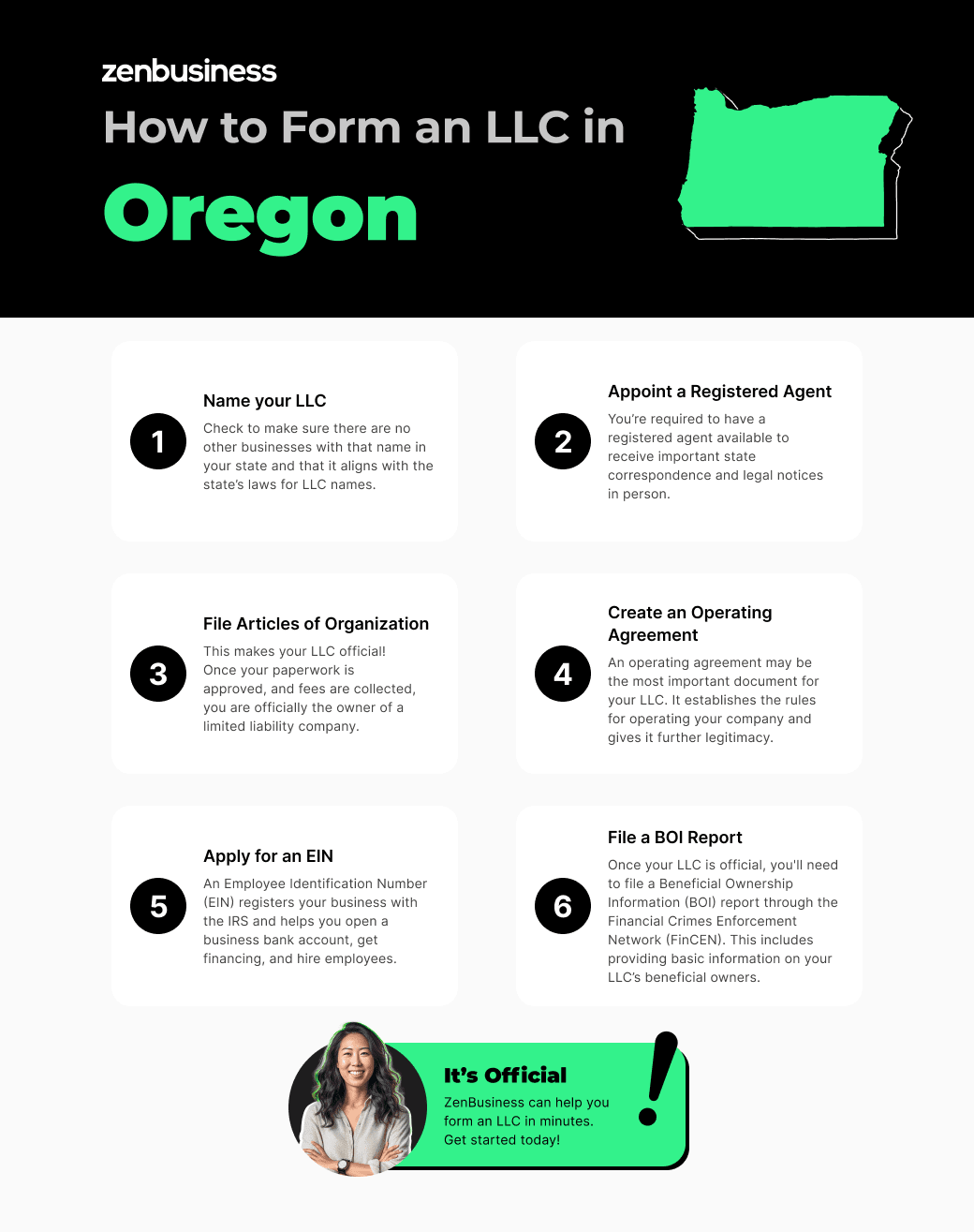
The journey to establishing your Oregon LLC involves several key legal and administrative steps. Each step is designed to ensure your business is properly registered and recognized by the state.
Step 1: Naming Your Oregon LLC and Ensuring Availability
Choosing the right name for your LLC is more than just branding; it’s a legal requirement. Your chosen name must be distinguishable from other registered entities in Oregon and must include “LLC,” “L.L.C.,” “Limited Liability Company,” or “Limited Company.”
- Check Name Availability: The first crucial step is to search the Oregon Secretary of State’s business name database online. This will tell you if your desired name is already in use. It’s wise to have a few alternative names ready.
- Reserve Your Name (Optional): If you’ve found an available name but aren’t quite ready to file your Articles of Organization, you can reserve it for up to 120 days by filing an Application for Reservation of Business Name with the Oregon Secretary of State. This is particularly useful if you’re still finalizing business plans or securing funding for your dream hotel or tour operation.
Step 2: Designating Your Oregon Registered Agent
Every Oregon LLC must have a registered agent. This individual or entity is responsible for receiving legal documents, state correspondence, and service of process on behalf of your LLC. The registered agent must have a physical street address in Oregon (not a P.O. box) and be available during normal business hours.
- Who can be a Registered Agent? You can appoint yourself, another member of your LLC, a friend, a family member, or a professional registered agent service. While appointing yourself might seem cost-effective, using a professional service offers several advantages, especially for those who travel frequently or operate their business from a home address. A professional registered agent ensures privacy and reliable receipt of important documents, no matter where your travels take you.
Step 3: Filing Your Articles of Organization with the State
This is the official document that legally creates your Oregon LLC. You will file the Articles of Organization with the Oregon Secretary of State.
- Information Required: The Articles of Organization will typically ask for:
- Your LLC’s name.
- The name and address of your registered agent.
- The name and address of the organizer (the person filing the document).
- The mailing address for your LLC.
- A declaration that the LLC exists to engage in lawful activities.
- Filing Method: You can file online through the Oregon Secretary of State’s business portal, or by mail. Online filing is generally faster and more efficient. Once approved, the state will send you a confirmation, officially recognizing your LLC.
Essential Post-Formation Procedures for a Thriving Business
Establishing your LLC is just the beginning. Several critical steps follow to ensure your business operates smoothly, legally, and is well-prepared for growth in Oregon’s competitive landscape.
Crafting a Robust Oregon LLC Operating Agreement
While not legally required to file with the Oregon Secretary of State, an Operating Agreement is the most important internal document for your LLC. It acts as a contract among the members (owners) of the LLC, outlining the company’s ownership structure, management responsibilities, voting rights, profit and loss distributions, and procedures for admitting new members or dissolving the LLC.
- Why it’s Crucial:
- Prevents Disputes: Clearly defines how decisions are made and how conflicts are resolved, which is vital for multi-member LLCs, whether they’re partners in a boutique accommodation or co-founders of a travel tech startup.
- Protects Limited Liability: A well-drafted Operating Agreement helps reinforce the separation between personal and business assets, further solidifying your limited liability protection.
- Defines Roles: Especially important for tourism businesses that might involve diverse roles, from hotel management to tour guide operations.
- Flexibility: It allows you to tailor the internal workings of your LLC to suit your specific business needs, rather than being bound by default state rules.
Securing an Employer Identification Number (EIN)
An Employer Identification Number (EIN), also known as a Federal Tax Identification Number, is like a Social Security number for your business. It’s a nine-digit number assigned by the IRS (Internal Revenue Service) and is essential for most LLCs.
- When You Need an EIN:
- If your LLC has more than one member.
- If your LLC has employees (e.g., staff for your accommodation or tour guides).
- If your LLC elects to be taxed as a corporation instead of a pass-through entity.
- How to Get an EIN: You can apply for an EIN online directly through the IRS website, and it’s usually issued immediately. This is a free service.
Understanding Oregon Business Licenses and Permits
Depending on the nature of your business and its location within Oregon, you may need to obtain various federal, state, and local licenses and permits. This is particularly relevant for businesses in the hospitality, food, and travel industries.
- State-Level Requirements: Oregon does not have a general state business license, but specific industries are regulated. For instance, if you operate a bed and breakfast, a hotel, or offer guided outdoor experiences, you will likely need licenses from state agencies regulating health, safety, or environmental standards. The Oregon Business Xpress portal is a valuable resource for identifying relevant state licenses.
- Local-Level Requirements: Cities and counties often have their own licensing requirements. For example, a business operating in Portland or Eugene will need a city business license. If you’re running a short-term rental property, you’ll need to check specific ordinances in Multnomah County, Deschutes County, or other jurisdictions where your accommodation is located. Zoning laws are also critical, especially for physical establishments like restaurants or resorts.
Maintaining Compliance and Growing Your Oregon Enterprise
Once your LLC is officially formed and initial post-formation steps are complete, the focus shifts to ongoing compliance and strategic growth. Staying organized and informed is key to the longevity and success of your Oregon venture.
Opening a Dedicated Business Bank Account
Separating your personal and business finances is not just good accounting practice; it’s crucial for maintaining the limited liability protection that an LLC offers. “Piercing the corporate veil” can occur if there’s no clear distinction between personal and business funds.
- Why it’s Vital:
- Legal Protection: Reinforces the legal separation between you and your business.
- Simplified Accounting: Makes tracking income and expenses much easier, especially during tax season.
- Professionalism: Projects a more professional image to clients, vendors, and lenders.
- Requirements: Most banks will require your Articles of Organization, Operating Agreement, and EIN to open a business checking or savings account.
Ongoing Filings and Tax Obligations in Oregon
Compliance doesn’t end after formation. Oregon LLCs have ongoing obligations to remain in good standing with the state and federal authorities.
- Oregon Annual Report: All Oregon LLCs are required to file an annual report with the Oregon Secretary of State. This report updates the state with current information about your LLC, such as your registered agent’s details and principal address. Missing this filing can lead to administrative dissolution of your LLC.
- State Taxes: Oregon has state income tax. Depending on how your LLC is taxed federally (pass-through vs. corporate), you or your LLC will have corresponding state tax obligations. Oregon also has a Corporate Activity Tax (CAT) for businesses with commercial activity over a certain threshold, which may apply to larger LLCs. Consulting with a local tax professional familiar with Oregon tax law is highly recommended.
- Federal Taxes: As mentioned, LLCs offer tax flexibility. You’ll file taxes with the IRS based on your chosen tax classification. This could be Schedule C for single-member LLCs (as a sole proprietorship), Form 1065 for multi-member LLCs (as a partnership), or corporate tax forms if you’ve elected corporate taxation.

Embracing the Entrepreneurial Journey in the Pacific Northwest
Starting an LLC in Oregon is more than just a legal formality; it’s a declaration of your entrepreneurial spirit and a commitment to building something meaningful within a state that cherishes unique ventures. From the cultural hub of Portland, the state capital of Salem, to the natural wonders that draw visitors from around the globe, Oregon provides a rich tapestry of opportunities. Whether your business is a cozy Airbnb by the Oregon Coast, a bespoke travel planning service for Willamette Valley wine tours, or a sustainable resort near Mount Hood, the LLC structure provides the robust foundation you need to flourish.
By diligently following these steps, you’ll not only establish a legally sound business but also position yourself to contribute to and benefit from Oregon’s thriving economy and vibrant lifestyle. The journey of building a business is an adventure in itself, and Oregon offers an extraordinary setting for that adventure to unfold. Embrace the challenge, enjoy the process, and watch your Oregon LLC become a testament to your vision and dedication.
LifeOutOfTheBox is a participant in the Amazon Services LLC Associates Program, an affiliate advertising program designed to provide a means for sites to earn advertising fees by advertising and linking to Amazon.com. Amazon, the Amazon logo, AmazonSupply, and the AmazonSupply logo are trademarks of Amazon.com, Inc. or its affiliates. As an Amazon Associate we earn affiliate commissions from qualifying purchases.