
The question “What is the temperature in Portland, Oregon?” is more than a simple query about current weather conditions; it’s a gateway to understanding the city’s unique climate, its impact on daily life, and how it shapes the experiences of visitors and residents alike. Situated in the Pacific Northwest, Portland Oregon boasts a temperate climate that is generally mild, but with distinct seasonal variations. Understanding these fluctuations is key to planning a trip, enjoying outdoor activities, or simply appreciating the rhythm of this vibrant city.
Understanding Portland’s Climate Patterns
Portland’s weather is largely influenced by its proximity to the Pacific Ocean and the Cascade Mountains to the east. The ocean moderates temperatures, preventing extreme heat in the summer and extreme cold in the winter. The Cascades, on the other hand, act as a rain shadow, contributing to the region’s reputation for being lush and green, while also influencing precipitation patterns. This geographical interplay creates a climate that is characterized by wet, mild winters and warm, dry summers, with distinct spring and autumn transitional periods.

Winter’s Embrace: Mild and Wet
Portland Oregon experiences winters that are typically cool and wet, but rarely frigid. Average daytime temperatures in December, January, and February hover in the 40s Fahrenheit (around 4-9 degrees Celsius). Snowfall is infrequent and usually light, melting quickly. However, occasional cold snaps can bring freezing temperatures and a dusting of snow, transforming the city with a temporary, picturesque white blanket. The consistent rainfall during these months is what nourishes the abundant greenery that Portland Oregon is known for. This precipitation often manifests as persistent drizzle rather than heavy downpours, contributing to a cozy, indoor-friendly atmosphere. The short daylight hours also mean that evenings arrive early, encouraging gatherings in warm cafes and restaurants.
Spring’s Awakening: A Gradual Transition
As winter recedes, Portland Oregon ushers in spring with a gradual warming trend. March, April, and May see temperatures steadily climb, with averages moving into the 50s and 60s Fahrenheit (around 10-15 degrees Celsius). The rain begins to taper off, and the city bursts into bloom. Cherry blossoms, rhododendrons, and countless other flowers paint the landscape in vibrant hues. This season is a favorite for many, offering pleasant temperatures ideal for exploring the city’s numerous parks and gardens, such as the International Rose Test Garden or the Japanese Garden. The increasing daylight hours also invigorate outdoor activities and street life.
Summer’s Warmth: Dry and Inviting
The summer months, from June through August, are typically the warmest and driest in Portland Oregon. Average daytime temperatures often reach the high 70s and low 80s Fahrenheit (around 25-28 degrees Celsius), with occasional heatwaves pushing temperatures into the 90s or even 100s Fahrenheit. These warmer periods are generally short-lived and are often followed by refreshing evening breezes. The low humidity and abundant sunshine make summer the prime season for outdoor recreation. From hiking in the Columbia River Gorge to enjoying a craft beer at an outdoor patio or attending one of the city’s many festivals, summer in Portland Oregon is a time of vibrant activity and long, pleasant evenings.
Autumn’s Palette: Crisp and Colorful
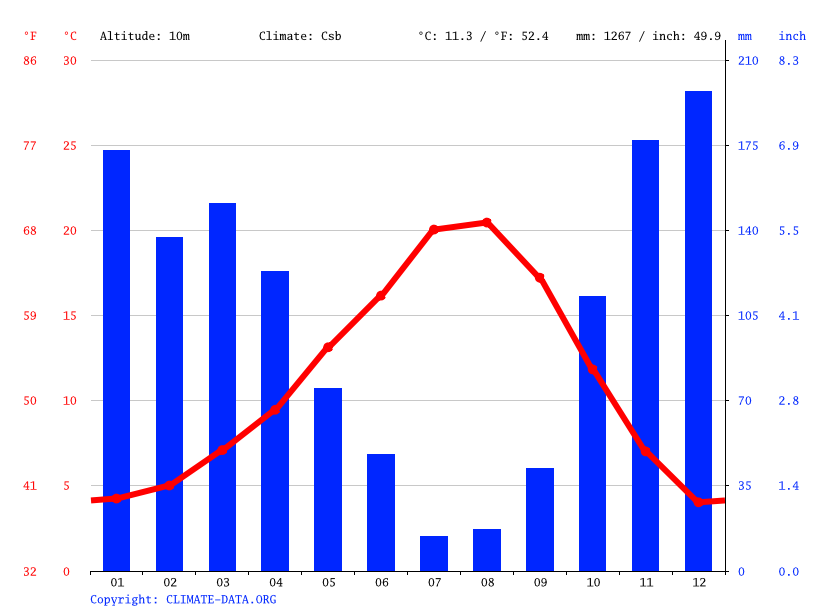
As summer wanes, Portland Oregon transitions into a beautiful autumn. September, October, and November bring cooler temperatures, with averages falling back into the 50s and 60s Fahrenheit (around 10-15 degrees Celsius) in early autumn and dropping into the 40s Fahrenheit (around 4-9 degrees Celsius) as the season progresses. The most striking feature of autumn in Portland Oregon is the spectacular display of fall foliage. The deciduous trees in Forest Park and across the city transform into a breathtaking tapestry of reds, oranges, and yellows. While rainfall begins to increase again, the crisp air and stunning visual scenery make autumn a magical time to visit and explore.
The Impact of Temperature on Portland’s Lifestyle and Activities
The temperature in Portland Oregon profoundly influences the daily lives of its residents and the experiences available to its visitors. The mild, wet winters encourage indoor pursuits and a cozy appreciation for the city’s culinary scene and arts culture. The transition into spring and the subsequent warm, dry summers beckon people outdoors, transforming parks and waterfronts into bustling hubs of activity.
Seasonal Activities Shaped by the Thermometer
- Winter: Cozying up in a coffee shop like Stumptown Coffee Roasters, visiting the Portland Art Museum, or enjoying indoor farmers’ markets like the Portland Farmers Market at Portland State University are popular activities when the weather is cool and damp.
- Spring: The blooming gardens, such as the Hoyt Arboretum, and outdoor festivals become the main attractions. Hiking in nearby Forest Park becomes increasingly appealing as the trails dry out.
- Summer: Outdoor dining, visiting the Oregon Zoo, attending concerts at venues like the McMenamins Edgefield, and exploring the Tom McCall Waterfront Park are quintessential summer experiences. The annual Rose Festival is a highlight of this season.
- Autumn: Leaf-peeping excursions to areas surrounding the city, visiting pumpkin patches, and enjoying the crisp air while exploring the Powell’s City of Books are popular. The Waterfront Blues Festival sometimes extends into early autumn.
What to Pack: Dressing for the Portland Climate
Understanding the typical temperatures in Portland Oregon is crucial for packing appropriately.
- Winter: Layers are key. Think waterproof and windproof outer shells, sweaters, long-sleeved shirts, and comfortable waterproof shoes. An umbrella is a must.
- Spring: A mix of lighter layers, including a waterproof jacket, comfortable walking shoes, and perhaps a scarf for cooler evenings.
- Summer: Light, breathable clothing is ideal. Shorts, t-shirts, sundresses, and comfortable walking shoes are perfect. Sunscreen and a hat are advisable for hotter days.
- Autumn: Similar to spring, layers are important. A light jacket, a waterproof outer layer, sweaters, and closed-toe shoes will serve you well.

Microclimates Within Portland
While we can discuss general temperature trends for Portland Oregon, it’s important to acknowledge that microclimates exist within the metropolitan area. These variations are influenced by elevation, proximity to waterways, and urban development. For instance, areas closer to the Willamette River might experience slightly different temperatures than neighborhoods situated in the hills. The western parts of the city, particularly those closer to the Coast Range, tend to receive more rainfall than the eastern sections. These subtle differences can impact everything from vegetation to the feeling of the air, adding another layer of complexity to Portland’s climate.
The temperature in Portland Oregon is not just a number; it’s a defining characteristic of the city’s environment, shaping its seasons, its natural beauty, and the vibrant lifestyle of its inhabitants. Whether you are planning a visit or are a long-time resident, understanding these climatic patterns will undoubtedly enhance your appreciation for this dynamic Pacific Northwest gem.
LifeOutOfTheBox is a participant in the Amazon Services LLC Associates Program, an affiliate advertising program designed to provide a means for sites to earn advertising fees by advertising and linking to Amazon.com. Amazon, the Amazon logo, AmazonSupply, and the AmazonSupply logo are trademarks of Amazon.com, Inc. or its affiliates. As an Amazon Associate we earn affiliate commissions from qualifying purchases.