
Las Vegas, Nevada – the mere mention of its name conjures images of glittering lights, non-stop entertainment, and an exhilarating energy that seems to defy the normal passage of time. For travelers from across the globe, understanding what time it is in Las Vegas is far more than a simple inquiry; it’s the gateway to meticulously planning an unforgettable trip, managing jet lag, and synchronizing with a city that truly never sleeps. Whether you’re considering a luxurious escape, a budget-friendly adventure, a family vacation, or a crucial business stay, grasping the temporal context of Sin City is paramount to maximizing every moment of your experience.
This guide delves into the specifics of Las Vegas’s time zone, the implications of Daylight Saving Time, and practical advice for travelers to navigate these differences seamlessly. From booking flights and accommodations to scheduling world-class shows and dining experiences, we’ll ensure you’re well-equipped to synchronize your watch with the vibrant pulse of one of the world’s most dynamic travel destinations.

Understanding Las Vegas’s Time Zone
Las Vegas operates within the Pacific Time Zone (PT), which is a key piece of information for any visitor. This geographical placement on the West Coast of the United States positions it three hours behind the Eastern Time Zone (ET), two hours behind the Central Time Zone (CT), and one hour behind the Mountain Time Zone (MT). For international travelers, understanding this offset relative to Greenwich Mean Time (GMT) or Coordinated Universal Time (UTC) is crucial. Specifically, Pacific Time is UTC-8 during Standard Time and UTC-7 during Daylight Saving Time. This consistent offset simplifies calculations for arrivals and departures, but the nuances of Daylight Saving Time demand closer attention.
The Pacific Standard Time (PST) and Pacific Daylight Time (PDT) Distinction
The Pacific Time Zone observes two distinct phases throughout the year: Pacific Standard Time (PST) and Pacific Daylight Time (PDT).
- Pacific Standard Time (PST): This is the standard offset, which is 8 hours behind Coordinated Universal Time (UTC-8). PST is typically in effect during the fall and winter months.
- Pacific Daylight Time (PDT): During spring and summer, the region switches to Daylight Saving Time, meaning clocks are advanced by one hour. This makes Pacific Daylight Time 7 hours behind Coordinated Universal Time (UTC-7).
The transition usually occurs on the second Sunday in March when clocks “spring forward” one hour, and on the first Sunday in November when they “fall back” one hour, reverting to Standard Time. Knowing these dates is vital for travelers, especially those planning visits around the transitional periods, as it can subtly shift arrival times, reservation schedules, and even the perceived duration of daylight.
How Daylight Saving Time Affects Your Visit
For many, Daylight Saving Time can be a minor inconvenience, but for travelers to Las Vegas, it requires a conscious adjustment.
- Spring Forward: If you arrive in Las Vegas the weekend clocks spring forward, you essentially “lose” an hour. This can exacerbate jet lag, especially for those traveling from eastward time zones, making the initial adjustment feel more pronounced. Your flight might arrive at a different local time than your booking initially indicated if you booked before the change.
- Fall Back: Conversely, when clocks fall back, you “gain” an hour. This can be a welcome bonus for travelers, potentially easing the transition back to your home time zone or allowing for an extra hour of sleep or exploration.
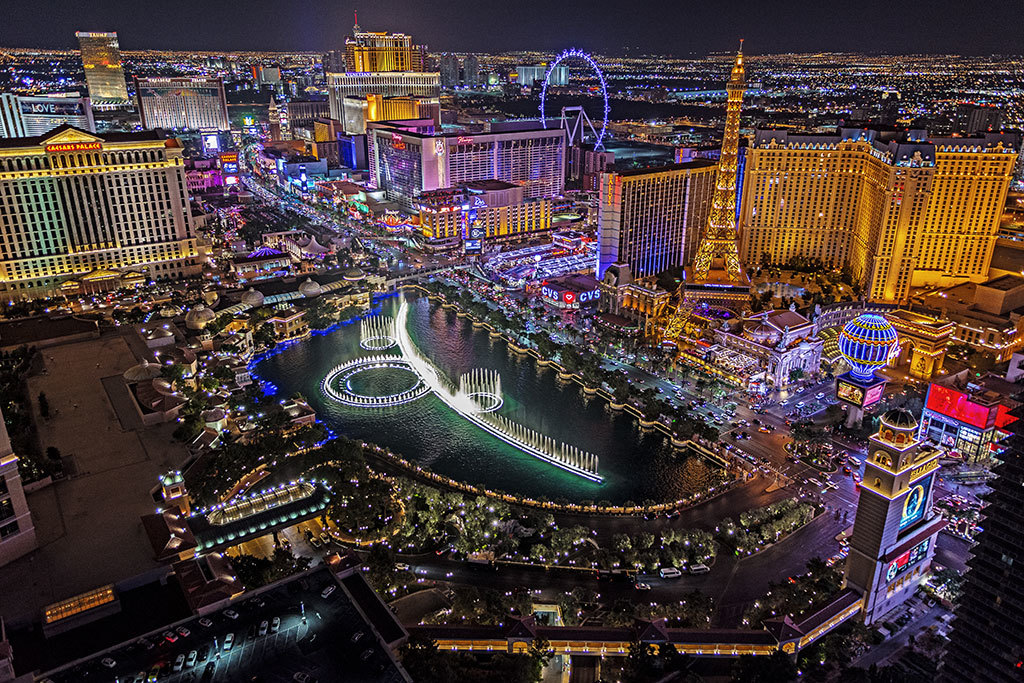
- Impact on Itinerary: Daylight Saving Time primarily affects the perception of daylight hours. During PDT, evenings remain bright for longer, which can be advantageous for enjoying outdoor attractions like the Bellagio Fountains or a stroll along The Strip. This extended daylight might influence your plans for day trips to natural landmarks like the Grand Canyon or Red Rock Canyon, allowing for later departures or longer exploration. Always double-check your arrival and departure times with airlines and hotel bookings, particularly if your travel dates straddle the DST transitions.
Navigating Time Differences as a Traveler
The excitement of a Las Vegas trip often overshadows the practical considerations of time zone changes, but failing to address them can detract from your experience. From battling jet lag to coordinating intricate itineraries, a proactive approach to time differences is a hallmark of a seasoned traveler.
Conquering Jet Lag: Tips for a Smooth Transition
Jet lag, a physiological condition resulting from rapid travel across multiple time zones, can significantly impact your energy levels and enjoyment. Here’s how to minimize its effects when heading to Las Vegas:
- Pre-Adjust Your Sleep Cycle: A few days before your trip, try to gradually shift your bedtime and wake-up time closer to Las Vegas local time. For eastbound travelers, this means going to bed and waking up later; for westbound travelers, earlier.
- Hydrate and Avoid Caffeine/Alcohol: Staying well-hydrated throughout your flight and upon arrival is crucial. Alcohol and excessive caffeine can disrupt sleep patterns and worsen dehydration.
- Seek Sunlight: Upon arrival, expose yourself to natural light, especially in the morning. Sunlight helps reset your body’s internal clock. Take a walk along The Strip or enjoy breakfast outdoors.
- Adjust Immediately: As soon as you land, try to operate on Las Vegas time. Eat meals at appropriate local times and resist the urge to nap for too long during the day, even if you’re exhausted.
- Comfortable Accommodation: Choosing the right hotel in Las Vegas can aid in combating jet lag. Look for rooms with blackout curtains, comfortable bedding, and a quiet environment. Aria Resort & Casino and The Cosmopolitan of Las Vegas, for instance, are known for their luxurious and tranquil accommodations, helping you achieve restful sleep.
Orchestrating Your Las Vegas Itinerary: Shows, Dining, and Tours
Las Vegas is a city built on timing, from the curtain rising on a spectacular show to the precise reservation at a celebrity chef’s restaurant.
- Showtimes: The world-renowned shows featuring artists like Adele at Caesars Palace or the mesmerizing performances at Bellagio are strictly time-bound. Always double-check show start times in Pacific Time and factor in travel time to the venue, which can be considerable depending on traffic on The Strip.
- Dining Reservations: Securing a table at popular restaurants, whether at The Venetian or the Wynn Las Vegas, often requires advance booking. Ensure your desired reservation time aligns with your adjusted body clock, especially for early dinners or late-night supper clubs, so you can fully enjoy the culinary experience.
- Excursions and Tours: Day trips to the Grand Canyon, Hoover Dam, or Red Rock Canyon typically have early morning departure times. Confirm these times carefully, especially if your tour operator is based in a different time zone (e.g., some Grand Canyon tours originating from Arizona may operate on Mountain Standard Time year-round if they don’t observe DST). Early mornings might feel even earlier with jet lag, so plan your first few days with less intensive activities.
Staying Connected: Communication Across Time Zones
For many travelers, maintaining communication with family, friends, or colleagues back home is essential. The time difference in Las Vegas necessitates careful planning for calls and video chats.
- Family Check-ins: If your family is in New York City (ET), a 9 AM call for you in Las Vegas means it’s already noon for them. Conversely, an evening call from London or Tokyo could be in the middle of your Las Vegas night.
- Business Stays: For business travelers, scheduling virtual meetings and client calls requires precise synchronization. Be mindful of international time zone differences. A 4 PM meeting in Las Vegas might be inconveniently late or early for partners in Europe or Asia.
- Utilize World Clocks: Most smartphones and smartwatches offer world clock functions, allowing you to easily track multiple time zones simultaneously. This simple tool can prevent missed calls and communication mishaps, ensuring your personal and professional connections remain strong while you enjoy your Las Vegas adventure.
The Unique Temporal Rhythm of Las Vegas
Beyond the technicalities of time zones and Daylight Saving Time, Las Vegas possesses a unique ability to distort one’s perception of time. The very essence of the city challenges the conventional understanding of hours, minutes, and seconds, creating an immersive experience where the clock often feels irrelevant.
The City That Never Sleeps: A 24/7 Playground
Las Vegas is famously known as the “City That Never Sleeps,” and this moniker is well-earned. The continuous hum of activity means that regardless of the hour, something is always happening:
- Casinos: Slot machines chime and card games run uninterrupted 24 hours a day, 7 days a week. There’s no “closing time” for the gaming floors at resorts like MGM Grand or Caesars Palace, encouraging a perpetual state of play.
- Dining: From breakfast buffets to gourmet late-night eateries, countless restaurants offer dining options around the clock. Whether it’s a 3 AM craving or an early morning start, you’ll find a place to eat.
- Entertainment: While major shows have set times, many bars, lounges, and smaller venues offer live music and entertainment well into the early hours of the morning. Even landmarks like the High Roller observation wheel and the Fremont Street Experience in Downtown Las Vegas operate late, allowing visitors to enjoy the sights under the cover of night.
- Shopping: Some retail outlets within the major resorts, particularly luxury boutiques, maintain extended hours, catering to visitors who might prefer to shop after a late dinner or show. This constant availability of amenities means that the usual markers of time – sunrise, sunset, mealtimes – often blur, allowing visitors to craft their schedules entirely around their desires rather than the clock.

Beyond the Clock: How Las Vegas Distorts Your Sense of Time
Beyond the sheer volume of 24/7 activities, several factors contribute to Las Vegas’s unique ability to warp one’s perception of time:
- Windowless Casinos: Many gaming floors and interior spaces within hotels like the Mirage or Bellagio are intentionally designed with few to no windows. This creates a disorienting effect, making it difficult to gauge whether it’s day or night outside, encouraging guests to lose themselves in the moment.
- Artificial Lighting: The omnipresent, vibrant artificial lighting indoors and the dazzling lights of The Strip outdoors further obscure the natural progression of time. The city often looks just as bright and active at 2 AM as it does at 2 PM, fostering an environment where time simply doesn’t seem to matter.
- Excitement and Immersion: The high-octane excitement, the thrill of gambling, the captivation of a live performance, or the sheer joy of a lavish meal can make hours feel like minutes. Visitors often find themselves so immersed in the Las Vegas experience that they completely lose track of the clock, only to be surprised when they realize how much time has passed. This temporal distortion is a deliberate part of the Las Vegas charm, contributing to the sense of escape and fantasy that draws millions of visitors annually. It’s a place where you can truly forget the outside world, including its rigid adherence to time.
Practical Planning: Maximizing Your Las Vegas Experience
Navigating the complexities of time zones and the unique temporal rhythm of Las Vegas requires strategic planning to ensure a seamless and enjoyable trip. By focusing on smart booking, understanding various lifestyle considerations, and leveraging the city’s 24/7 nature, you can truly make the most of every moment.
Booking Smart: Flights, Hotels, and Reservations
Strategic booking is your first line of defense against time-related travel woes.
- Flights: When booking flights to McCarran International Airport (now Harry Reid International Airport), always confirm the arrival and departure times in local Las Vegas time. Consider arrival times that allow for some daylight adjustment if you’re coming from significantly different time zones, rather than landing late at night when your body clock might be signaling bedtime. For instance, arriving in the afternoon allows you to settle in and get some sun before dinner, aiding in jet lag recovery.
- Hotels & Accommodation: When researching and booking hotels, whether luxury suites at The Palazzo, budget-friendly rooms off The Strip, or a long-term stay apartment, pay attention to check-in and check-out times. Most properties adhere to standard 3 PM check-in and 11 AM check-out times, which are in Pacific Time. If your flight arrives much earlier, inquire about early check-in options or luggage storage to avoid waiting around. Similarly, if you have a late flight, ask about late check-out or use the hotel’s amenities (like the pool or spa) after checking out.
- Tours and Attractions: For planned activities like a helicopter tour over the Grand Canyon or a visit to the Eiffel Tower Viewing Deck at Paris Las Vegas, confirm their operating hours and your reservation times in Las Vegas local time. Some tours might have very early starts, especially for scenic destinations like the Mojave Desert that aim to beat the heat, so factor in extra wake-up time.
Lifestyle Considerations: From Luxury Escapes to Budget Adventures
The impact of time differences can vary depending on your travel style and budget.
- Luxury Travel: Guests enjoying a luxury travel experience often have access to amenities that can ease time zone transitions. Exclusive lounges, private transfers, and personalized concierge services at resorts like The Wynn Las Vegas or Bellagio can minimize stress and help maintain a relaxed pace. Fine dining experiences and high-end shows are often best enjoyed when you’re fully rested and alert, making jet lag management a priority.
- Budget Travel: For budget travelers, being mindful of time means making smart choices to maximize value. Early bird specials for dining, happy hour deals for drinks, and matinee show tickets can offer significant savings. Knowing the local time helps you capitalize on these offers, ensuring you don’t miss out due to a misaligned internal clock. Public transportation options also have schedules that are best understood in local time.
- Family Trips: Traveling with children adds another layer of complexity. Kids are often more susceptible to jet lag. Plan activities that allow for flexibility, include downtime for naps, and try to stick to a routine that closely mimics their home schedule, gradually adjusting it to Las Vegas time. Evening shows might be too late for younger children, so consider afternoon attractions or early dinner and evening pool time.
- Business Stays: For those on a business trip, time is money. Precision in scheduling meetings, attending conferences, and managing communications across time zones is critical. Ensure your devices automatically update to Pacific Time and clearly communicate your availability in local time to colleagues and clients. Business amenities in hotels like Mandalay Bay or The Venetian are designed to support a productive stay, but it’s up to you to manage your own clock effectively.
Making the Most of Every Moment in Sin City
Ultimately, understanding what time it is in Las Vegas is about empowering you to fully immerse yourself in its unique offerings.
- Embrace the Flow: While it’s important to be aware of the clock for specific appointments, also allow yourself to embrace the timeless nature of Las Vegas. Let the city guide you sometimes – enjoy a sunrise over the Mojave Desert if you’re up early, or dance until dawn if the mood strikes.
- Utilize Hotel Amenities: Take advantage of the 24-hour room service, fitness centers, or late-night entertainment options available at your chosen accommodation. If you find yourself awake at an odd hour due to jet lag, there’s always something to do.
- Digital Tools: Rely on your smartphone for accurate local time, time zone conversions, and setting alarms for critical appointments. Most modern devices automatically adjust to the local time zone, making the transition seamless.
- Plan Downtime: Even in a city of non-stop excitement, incorporating periods of rest and relaxation is vital. A leisurely morning by the pool at MGM Grand or a relaxing spa treatment can rejuvenate you for another round of Las Vegas adventures.
By understanding the Pacific Time Zone, anticipating the effects of Daylight Saving Time, and strategically planning your itinerary, you’ll be well-prepared to make the most of your visit to Las Vegas. This city, with its blend of timeless allure and precise scheduling, awaits your arrival – perfectly synchronized for an unforgettable experience.
LifeOutOfTheBox is a participant in the Amazon Services LLC Associates Program, an affiliate advertising program designed to provide a means for sites to earn advertising fees by advertising and linking to Amazon.com. Amazon, the Amazon logo, AmazonSupply, and the AmazonSupply logo are trademarks of Amazon.com, Inc. or its affiliates. As an Amazon Associate we earn affiliate commissions from qualifying purchases.