
The transatlantic journey from New York to London is one of the world’s most iconic and frequently traveled air routes, connecting two global powerhouses of culture, finance, and tourism. For anyone planning this significant trip, perhaps for a thrilling urban adventure, a crucial business meeting, or a leisurely European exploration, the most immediate question is often: “How long will I actually be in the air?” While a direct flight typically spans between 6.5 to 7.5 hours, this seemingly simple answer belies a range of influencing factors that can subtly alter your travel time. From the specific airport you depart from and arrive at, to the type of aircraft, prevailing weather conditions, and even the nuances of air traffic control, numerous elements converge to determine the precise duration of your journey. Understanding these variables is not just about satisfying curiosity; it’s about empowering you to make informed decisions for a smoother, more comfortable, and ultimately more enjoyable travel experience.
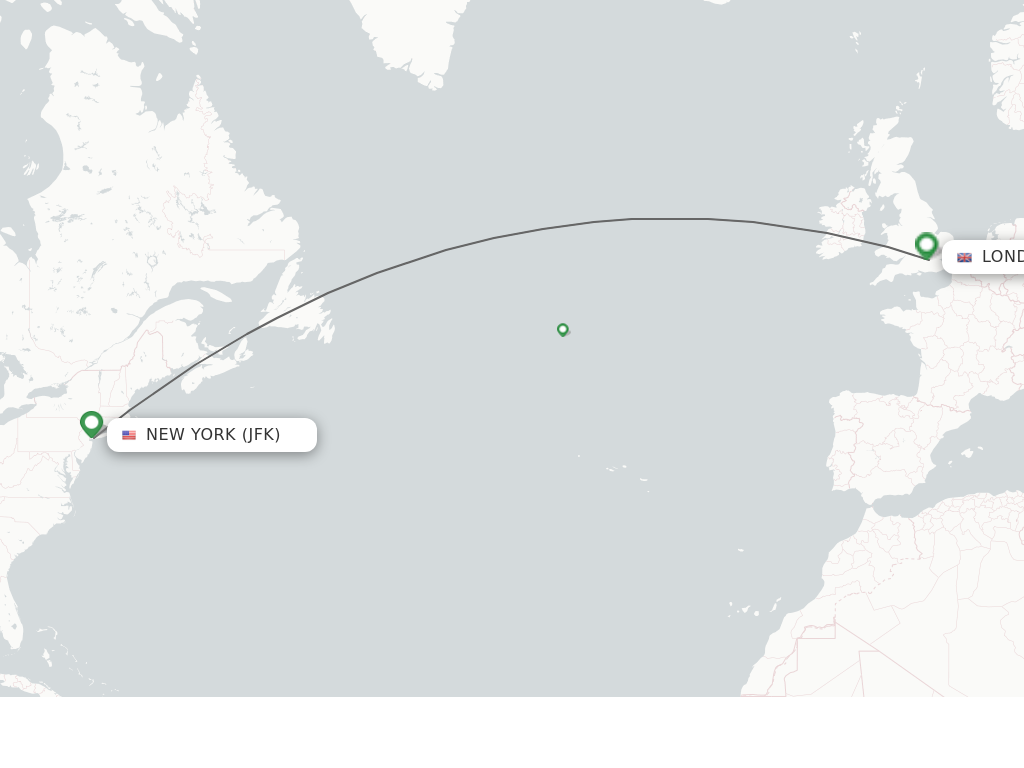
This comprehensive guide will delve into the intricacies of flying from the bustling concrete jungle of New York to the historic charm of London, exploring everything from the technical aspects that impact flight duration to practical tips for preparing for a long-haul journey and making the most of your arrival. Whether you’re a seasoned globetrotter or planning your first international foray, mastering the details of this iconic route will undoubtedly enhance your overall adventure.
Understanding the Transatlantic Journey: Factors Affecting Flight Duration
While the general timeframe for a direct flight between New York and London is well-established, several dynamic factors can lead to variations in actual flight time. These elements are a complex interplay of geography, technology, and meteorology, all contributing to the unique character of each transatlantic crossing.
Non-Stop vs. Connecting Flights
The most significant determinant of your total travel time is whether you opt for a non-stop flight or one with layovers.
Non-stop flights are, unequivocally, the quickest option. They whisk you directly from one city to the other without any intermediate stops, minimizing both in-air time and eliminating the often-considerable delays associated with connecting itineraries. For the New York to London route, direct flights are plentiful, offered by numerous major carriers, making them the preferred choice for most travelers prioritizing efficiency.
Connecting flights, while sometimes more economical, add substantial time to your journey. A layover, which can range from a quick hour to an extended overnight stay, might occur in another North American hub like Boston or Toronto, or even a European city such as Dublin or Reykjavik, before continuing to London. Each stop involves disembarking, navigating a new airport, potentially changing terminals, going through security again, and waiting for your next departure. While these can sometimes be opportunities to explore an additional destination, they inherently extend total travel time significantly, often turning a 7-hour flight into a 10-15 hour journey or even longer. For those prioritizing quick arrival, avoiding connections is paramount.
Aircraft Type and Speed
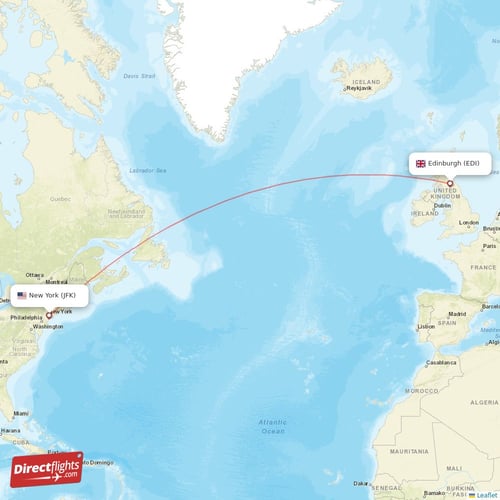
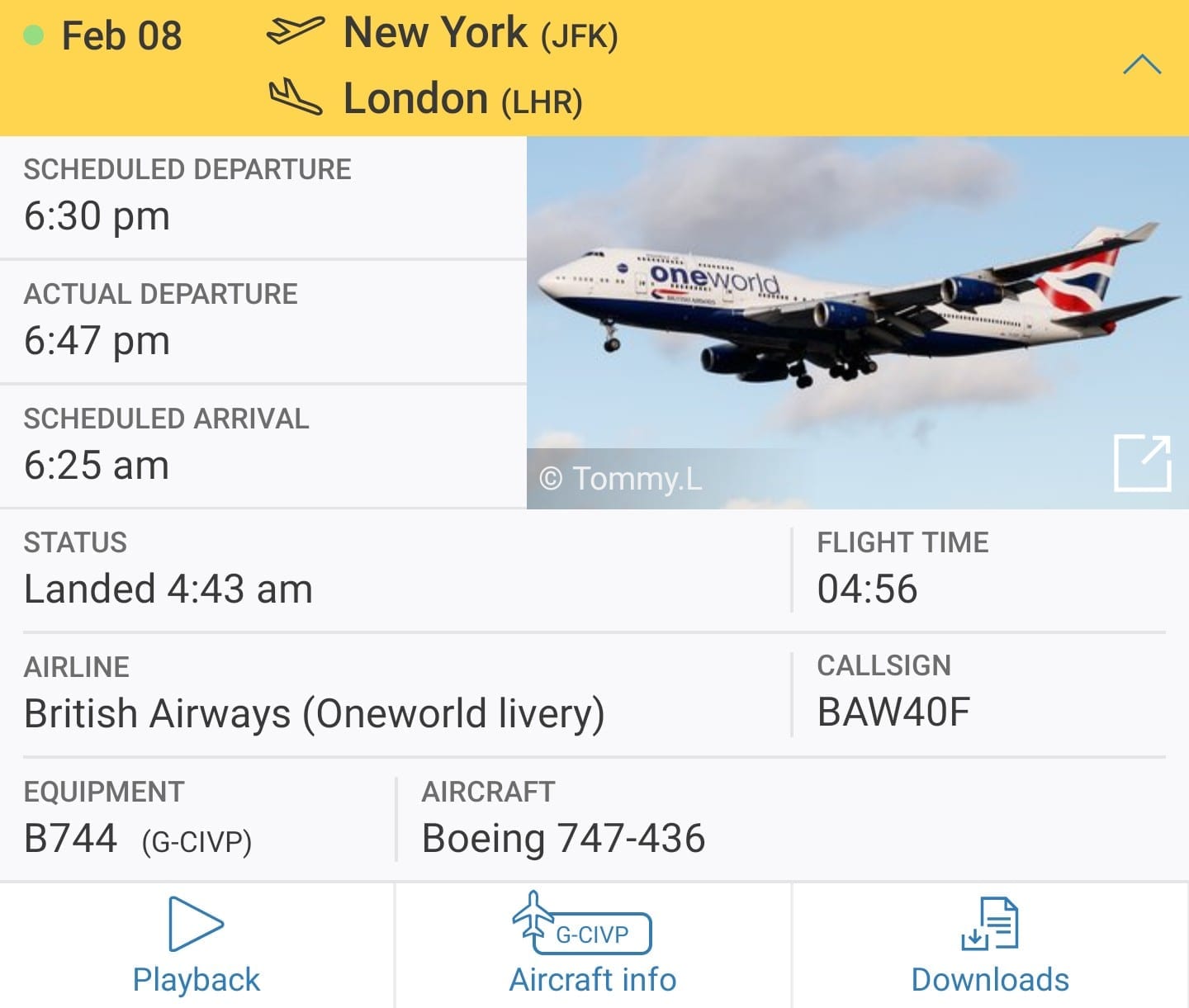
The type of aircraft employed for your transatlantic flight also plays a subtle yet impactful role in flight duration. Modern long-haul aircraft are engineered for speed, fuel efficiency, and passenger comfort, but variations exist. For instance, newer generations of wide-body jets like the Boeing 787 Dreamliner and the Airbus A350 are designed to cruise efficiently at high altitudes, potentially shaving a few minutes off the journey compared to older models. These aircraft boast advanced aerodynamics and more powerful, efficient engines, allowing them to maintain higher average speeds over long distances. While the difference might only be 15-30 minutes, it’s a factor in optimal route planning and fuel consumption for airlines, indirectly affecting advertised flight times.
Headwinds, Tailwinds, and Weather Conditions
Perhaps the most variable and influential factor affecting transatlantic flight times is the weather, particularly the presence of jet streams. These high-altitude, fast-flowing air currents predominantly move from west to east across the Atlantic. Flights from New York to London benefit from these powerful tailwinds, essentially getting a push from behind, which can significantly shorten the flight duration. It’s not uncommon for an eastbound flight to arrive 30 minutes to an hour earlier than its westbound counterpart (from London to New York) due to the consistent headwind encountered on the return journey.
Conversely, adverse weather conditions, such as strong storms or turbulence along the flight path, can necessitate detours, alter cruising altitudes, or reduce cruising speeds for passenger safety and comfort. Air traffic control might also mandate slower speeds or holding patterns near busy airports like London Heathrow (LHR) or JFK due to congestion or low visibility, adding minutes to the journey before landing. While less common, extreme weather events can even lead to diversions, adding substantial time and logistical challenges.
Airspace Congestion and Route Optimization
The skies above the North Atlantic are among the busiest in the world, especially during peak travel seasons. Air traffic controllers meticulously manage this complex network to ensure safe separation between thousands of aircraft. High volumes of traffic, particularly during peak departure and arrival windows, can lead to airspace congestion. This might require aircraft to fly slightly longer, optimized routes to avoid crowded sectors, or to enter holding patterns upon approach to London’s busy airports.
Airlines use sophisticated flight planning software to calculate the most efficient routes daily, taking into account winds, weather, and air traffic restrictions. These optimized routes aim to balance the shortest possible distance with fuel efficiency and safe operational practices. While route optimization generally works to minimize flight times, unforeseen congestion or last-minute changes can still add a small margin to the scheduled duration.
The Typical Flight Experience: What to Expect from New York to London
Beyond the technicalities of flight duration, understanding the typical experience of a transatlantic journey can significantly enhance your preparation and enjoyment. This route is a gateway to diverse cultures and experiences, making the journey itself part of the adventure.
Average Flight Times
For a direct flight from New York to London, passengers can generally expect an in-air duration of approximately 6 hours and 30 minutes to 7 hours and 30 minutes.
- Flights departing from JFK (John F. Kennedy International Airport) or Newark Liberty International Airport (EWR) are the most common points of origin in the New York metropolitan area. While LaGuardia Airport (LGA) primarily handles domestic flights, it occasionally offers international connections, though direct flights to London are not typical from LGA.
- In London, the primary arrival airports for transatlantic flights are London Heathrow (LHR) and London Gatwick (LGW). LHR is the busiest airport in the UK and a major global hub, offering extensive connections and convenient access to the city center. LGW, while further south, is also well-connected and frequently serves this route. Other London airports like London Stansted, London Luton, and London City Airport are typically used by European low-cost carriers or business travelers (in the case of London City Airport) and less commonly for direct flights from New York.
In-Flight Amenities and Services
Given the duration of a transatlantic flight, airlines have tailored their in-flight experience to maximize passenger comfort and entertainment. Regardless of your chosen class, expect a range of services designed to make the time pass pleasantly:
- Entertainment: Almost all major airlines operating this route offer extensive in-flight entertainment systems. These typically include a wide selection of movies (Hollywood blockbusters, international cinema), TV shows, music albums, games, and even destination guides. Most personal screens are touch-sensitive and offer USB ports for charging devices.
- Meals and Beverages: Complimentary meals and drinks are standard on transatlantic flights. For a 6-7 hour flight, you can usually expect at least one main meal service, often with a choice of entrees, along with snacks and a beverage service (alcoholic and non-alcoholic options usually available, though premium drinks might be extra in economy). Specific dietary requirements can often be catered for if requested in advance.
- Wi-Fi Connectivity: Many airlines now offer in-flight Wi-Fi, allowing passengers to stay connected for work or leisure. While often available for a fee, it can be a valuable amenity for those needing to check emails, browse the web, or message friends and family.
- Cabin Classes: The level of luxury and personalized service escalates significantly across different cabin classes.
- Economy Class: Offers standard seating, essential amenities, and shared services. It’s the most budget-friendly option.
- Premium Economy: Provides more legroom, wider seats, enhanced meal service, and sometimes priority boarding. It’s a comfortable upgrade without the full cost of business class.
- Business Class: Features lie-flat seats or pods, gourmet dining, premium lounges access, and dedicated cabin crew. This class transforms the flight into a truly luxurious experience.
- First Class: The pinnacle of air travel, offering private suites, bespoke dining, exclusive lounges, and unparalleled personalized service. For the ultimate luxury travel lifestyle, first class rivals the finest hotel suites.
Dealing with Jet Lag
Crossing five time zones from New York (Eastern Time Zone) to London (Greenwich Mean Time) means that upon arrival, your internal body clock will be approximately five hours behind local time. This significant shift can lead to jet lag, characterized by fatigue, disorientation, disrupted sleep patterns, and reduced concentration. Mitigating jet lag is crucial for enjoying your trip from the moment you land.
Here are some tips:
- Adjust Sleep Schedule: A few days before departure, try to gradually shift your sleep and meal times closer to London time.
- Stay Hydrated: Drink plenty of water before, during, and after your flight. Avoid excessive alcohol and caffeine, which can exacerbate dehydration.
- Move Around: During the flight, get up and stretch regularly to promote circulation and prevent stiffness.
- Set Your Watch: Upon boarding, immediately set your watch to London time and try to operate on that schedule for meals and rest.
- Seek Sunlight: Once in London, try to expose yourself to natural light during the day, especially in the morning. This helps reset your circadian rhythm.
- Avoid Naps: Resist the urge to take long naps during the day. Push through until evening to establish a proper night’s sleep.
Planning Your Transatlantic Adventure: Beyond the Flight Duration
The journey from New York to London is more than just a flight; it’s the beginning of an adventure. Strategic planning, from airport selection to post-arrival logistics, can greatly enhance your overall travel experience, tying into elements of travel, accommodation, and local tourism.
Choosing Your Departure and Arrival Airports
Your choice of airports in both New York and London can significantly impact not just flight duration, but also convenience and onward travel.
In New York:
- JFK: The busiest international gateway, offering the widest range of airlines and direct flight options to London. It’s located in Queens and accessible via AirTrain and subway.
- Newark Liberty International Airport (EWR): Located in New Jersey, EWR also serves as a major hub for transatlantic flights, particularly for United Airlines. It’s easily accessible from Manhattan via NJ Transit trains.
In London:
- London Heathrow (LHR): The most popular choice for transatlantic arrivals. It offers the fastest connections to central London via the Heathrow Express train (15-20 minutes to Paddington Station) and direct access to the London Underground (Piccadilly Line).
- London Gatwick (LGW): The second-largest airport, located south of London. It connects to central London via the Gatwick Express to London Victoria Station (30 minutes) and regular train services.
- London City Airport (LCY): A smaller airport closer to the financial district, primarily for business travelers and shorter European routes. Direct transatlantic flights are rare but do exist for specific niche markets.
Consider the proximity of your chosen airport to your accommodation and your preferred method of transportation to ensure a smooth transition from air to ground.
Selecting the Right Airline and Booking Your Flight
The New York-London route is highly competitive, served by a plethora of reputable airlines. Major carriers offering direct flights include British Airways, Virgin Atlantic, Delta Air Lines, United Airlines, and American Airlines. When selecting an airline, consider factors beyond just price:
- Reputation and Service: Read reviews and assess customer service.
- Loyalty Programs: If you’re a frequent flyer, choosing an airline within your alliance can accrue valuable points.
- In-flight Amenities: Compare entertainment options, Wi-Fi availability, and meal quality, especially if you have specific preferences or needs.
- Aircraft Type: Research the type of aircraft scheduled for your flight to understand seating configurations and general comfort.
For booking, flexibility with your travel dates can often lead to significant savings. Utilize flight comparison websites to scout for the best deals, but also check the airlines’ official websites for exclusive offers or better package deals. Booking several months in advance, especially during peak seasons, is generally recommended.
London Awaits: Post-Arrival Considerations
Once you’ve touched down in London, the adventure truly begins. Efficient planning for your post-arrival logistics will set the tone for your entire trip.
Transportation from the Airport:
As mentioned, Heathrow offers the Heathrow Express and London Underground. From Gatwick, the Gatwick Express or regular train services are efficient. Taxis and ride-sharing services are also available but can be significantly more expensive and subject to traffic delays. Consider purchasing an Oyster card or using a contactless payment card for seamless travel on London’s public transport network.
Accommodation in London:
London boasts an unparalleled array of accommodation options to suit every budget and style of travel.
- Luxury Hotels: Neighborhoods like Mayfair, Knightsbridge, and Westminster are home to world-renowned establishments such as The Langham, London, The Ritz London, and Claridge’s, offering opulent suites, impeccable service, and a truly indulgent lifestyle experience.
- Boutique Hotels: Areas like Covent Garden, Soho, and Shoreditch feature stylish, unique boutique hotels that often immerse guests in local culture and provide a more personalized stay.
- Apartments and Villas: For longer stays or family trips, renting an apartment or villa can offer a home-away-from-home experience, particularly in neighborhoods like Kensington or Chelsea.
- Budget-Friendly Options: Hostels, budget hotels, and guesthouses are plentiful, especially around areas like Victoria or King’s Cross, providing affordable accommodation without compromising on access to attractions.
Initial Activities and Exploration:
Upon settling in, London offers an endless array of landmarks and activities to dive into. Depending on your energy levels post-flight, consider:
- A leisurely stroll through Hyde Park or along the South Bank of the River Thames, admiring views of the London Eye and Tower Bridge.
- Visiting iconic landmarks like Buckingham Palace, the historic Tower of London, or the majestic Westminster Abbey.
- Immersing yourself in culture at world-class museums such as the British Museum or the National Gallery.
- Enjoying a traditional British pub meal or exploring one of London’s vibrant food markets for a taste of local cuisine.
- Catching a world-class show in the West End for a quintessential London experience.
In conclusion, while the direct flight from New York to London is a manageable 6.5 to 7.5 hours, the entire journey encompasses much more than just airborne time. By understanding the factors influencing flight duration, preparing for the in-flight experience, and meticulously planning your arrival and accommodation, you can transform a simple transatlantic crossing into the memorable start of an extraordinary London adventure. Safe travels!
LifeOutOfTheBox is a participant in the Amazon Services LLC Associates Program, an affiliate advertising program designed to provide a means for sites to earn advertising fees by advertising and linking to Amazon.com. Amazon, the Amazon logo, AmazonSupply, and the AmazonSupply logo are trademarks of Amazon.com, Inc. or its affiliates. As an Amazon Associate we earn affiliate commissions from qualifying purchases.