
New York City, often simply referred to as NYC or “The Big Apple,” is much more than just a city; it’s a global icon, a melting pot of cultures, and a dynamic hub that pulsates with an energy unlike any other place on Earth. Its towering skyscrapers, bustling avenues, and diverse neighborhoods paint a picture of relentless activity and endless opportunity. One of the most frequently asked questions about this magnificent metropolis, especially by those planning a visit or contemplating a move, is “How many people are living in New York City?” The answer is a staggering testament to its enduring allure and economic vitality, profoundly impacting everything from daily life and urban planning to tourism experiences and the very fabric of its unique lifestyle.
The sheer volume of people who call New York City home is a cornerstone of its identity, influencing its vibrant culture, diverse culinary scene, and unparalleled range of attractions. From the iconic streets of Manhattan to the artistic enclaves of Brooklyn, the sprawling communities of Queens, the historical depths of The Bronx, and the suburban charm of Staten Island, each borough contributes to the city’s incredible population density and rich tapestry of human experience. Understanding the demographic landscape of NYC is crucial for anyone seeking to grasp its essence, whether as a prospective resident, a curious traveler, or an astute observer of urban life. This article will delve into the numbers, explore what it means to live amidst such density, and examine how the city’s population shapes its character, attractions, and overall appeal as a premier destination for travel and lifestyle.
A Metropolis of Millions: Understanding New York City’s Population
New York City, located at the mouth of the Hudson River in the United States’s most populous state, New York, is by far the most populous city in the United States and one of the most densely populated major cities in North America. The numbers are astonishing, reflecting a magnetic pull that has drawn people from every corner of the globe for centuries.
The Sheer Scale and Demographic Tapestry
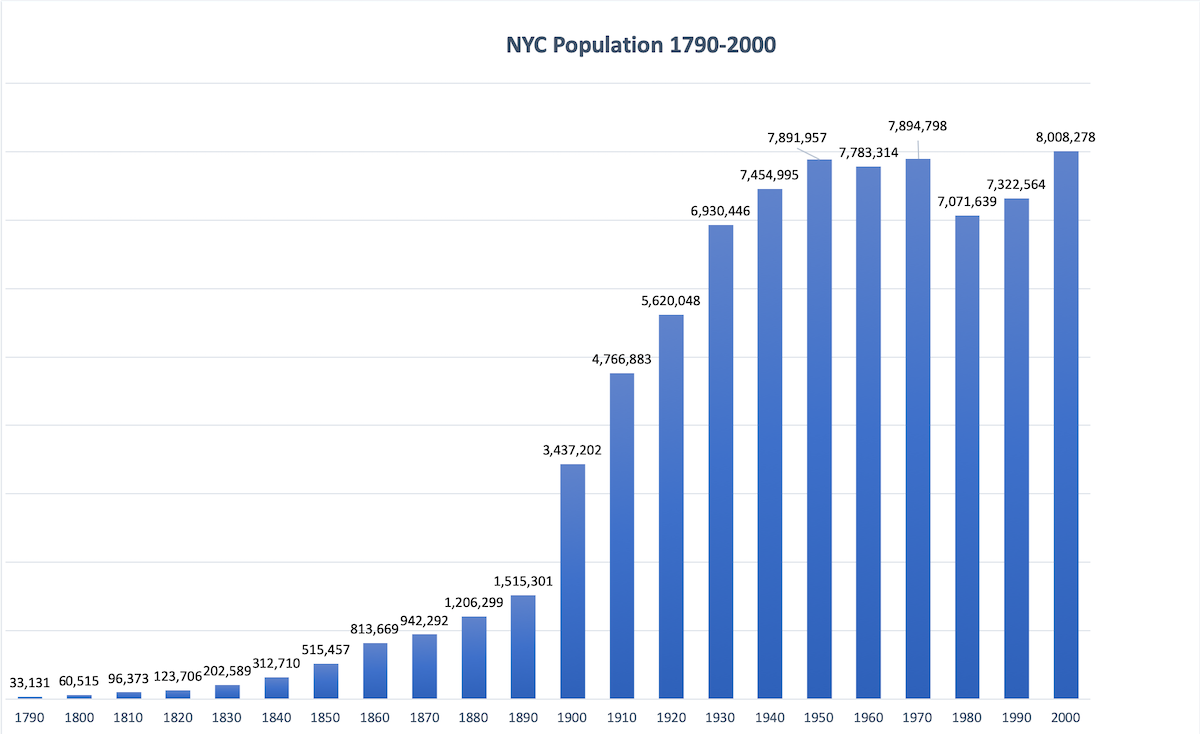
According to the most recent official estimates, the population of New York City hovers around 8.5 to 8.8 million residents. This figure positions NYC as a truly gargantuan urban center, a city-state in its own right in terms of scale and influence. To put this into perspective, its population is larger than that of many entire countries. This colossal number is not static; it constantly fluctuates due to births, deaths, and significant migratory patterns, with people moving both into and out of the city.
What makes this population truly remarkable is its unparalleled diversity. New York City is celebrated as a “melting pot,” a place where over 800 languages are spoken, and immigrants from virtually every nation on Earth have established communities. This demographic tapestry is woven into the very fabric of the city, influencing every aspect of its daily life, from its countless festivals and parades to its incredibly varied culinary landscape. For instance, in neighborhoods like Flushing in Queens, you can experience a vibrant Asian culture that rivals cities in Asia, while Harlem in Manhattan remains a historic center of African-American culture. Little Italy and Chinatown also contribute to this rich cultural mosaic. This incredible diversity is not just a statistical anomaly; it is the living, breathing soul of NYC, making it an endlessly fascinating destination for tourists eager to experience global cultures without ever leaving the five boroughs.

Population Density and Urban Dynamics
The sheer number of residents is only part of the story; how these millions of people are distributed across the city’s relatively compact land area is equally important. New York City is one of the most densely populated major cities globally, particularly its most famous borough, Manhattan. Here, residents live vertically, in towering apartment buildings and high-rises, a defining characteristic that shapes the urban landscape and lifestyle.
This extreme density impacts virtually every facet of life in NYC. Public transportation, primarily the extensive subway system, becomes not just a convenience but a necessity, moving millions of people daily. Public spaces, from Central Park to neighborhood squares, are treasured and intensely utilized. The constant buzz and energy are a direct result of so many people living, working, and interacting in close proximity. For visitors, this density translates into a vibrant, walkable city where new discoveries await around every corner. It means crowded sidewalks in areas like Times Square, but also an unparalleled sense of community in residential neighborhoods. The urban dynamics dictated by this density create both challenges, such as the high cost of living and occasional congestion, and incredible opportunities, like access to an extraordinary array of amenities, services, and cultural experiences.

Navigating Life in the Big Apple: The Resident Experience
Living in New York City is an experience unlike any other, shaped by its vast population and unique urban environment. For those considering moving to the city or simply curious about local life, understanding these dynamics is key.
The Cost of Urban Living and Accommodation
With millions vying for space, one of the most significant aspects of life in NYC is the cost of living, particularly accommodation. New York City consistently ranks among the most expensive cities in the world for housing. Apartments, whether for rent or purchase, command premium prices, especially in desirable areas like Manhattan, Brooklyn Heights, or Greenwich Village. This reality often means residents compromise on space, embracing smaller living quarters in exchange for the unparalleled opportunities and lifestyle the city offers.
The accommodation landscape is incredibly diverse, ranging from luxury suites and penthouses with stunning views of the East River or the Atlantic Ocean, to charming brownstones, modern apartment buildings, and even co-ops. Many residents opt for apartments, often shared, to manage costs. For long-term stays, options like serviced apartments are becoming increasingly popular, offering amenities that mimic hotel living while providing a sense of home. Websites for booking and comparison are essential tools for navigating this complex market. Even hotels, from the iconic The Plaza Hotel overlooking Central Park to the boutique offerings in SoHo or Lower East Side, reflect this premium, though they offer unparalleled access to attractions for visitors. The high demand from millions of residents and countless tourists keeps the housing and hotel markets fiercely competitive.
Commuting and Connectivity Across the Boroughs
With such a dense and widespread population, an efficient transportation system is vital. New York City’s subway system, operated by the MTA, is one of the largest and busiest in the world, serving millions of riders daily. It is the lifeline connecting the five boroughs, allowing residents to commute from The Bronx to Wall Street, or from Queens to Midtown Manhattan. Buses, commuter rail lines (like the Long Island Rail Road and Metro-North Railroad), ferries, and of course, the ubiquitous yellow cabs and ride-sharing services, further enhance connectivity.
For residents, commuting is a daily ritual, often involving navigating crowded platforms and trains. However, this extensive network means that owning a car is often more of a burden than a convenience due to parking challenges and traffic. For visitors, the public transit system is an invaluable tool for exploring the city, offering an authentic glimpse into the daily lives of New Yorkers while efficiently whisking them between landmarks like the Empire State Building, Museum of Modern Art, and the Brooklyn Bridge. The sheer scale of movement underscores how intertwined the population is with the city’s infrastructure and the seamless flow it enables for residents and tourists alike.
Beyond the Numbers: New York City as a Lifestyle and Tourist Hub
The millions of people living in New York City are not just a statistic; they are the active participants, creators, and consumers of the city’s unparalleled lifestyle and tourism offerings. Their presence fuels the city’s continuous evolution as a global center for culture, art, fashion, and business.
Iconic Landmarks and Cultural Attractions
For both residents and the millions of tourists who visit annually, NYC boasts an extraordinary collection of landmarks and cultural attractions. The sheer number of people creates a demand that supports an incredible array of world-class institutions. Imagine strolling through Central Park, a massive urban oasis in the heart of Manhattan, where residents jog, picnic, and relax alongside tourists marveling at its beauty. The Statue of Liberty stands as a beacon of freedom, welcoming visitors arriving from across the Atlantic Ocean and reminding residents of the city’s rich immigrant history.
Other famous places include the breathtaking views from the Empire State Building or One World Trade Center, the bustling energy of Times Square with its dazzling billboards, and the historic majesty of Grand Central Terminal. Cultural institutions like the Metropolitan Museum of Art, the Museum of Modern Art, and the Guggenheim Museum offer endless exploration into art, history, and science. These landmarks and museums are not just for tourists; they are integral parts of the lives of many New Yorkers, who frequently visit them and draw inspiration from their presence. The city’s architecture itself, from classic brownstones to modernist skyscrapers, tells a rich story of history and innovation.
From Local Gems to Global Gastronomy
The diverse population directly translates into an equally diverse and vibrant culinary scene, making New York City a top destination for food lovers. From Michelin-starred restaurants serving haute cuisine to humble street carts offering delicious and affordable bites, there’s something to satisfy every palate and budget. Neighborhoods like Greenwich Village are famed for their charming cafes and eclectic eateries, while Chelsea Market offers a curated experience of local and international foods.
This gastronomic wealth is a direct result of millions of residents from various backgrounds demanding authentic flavors from their homelands, alongside a thriving tourism industry eager to sample everything NYC has to offer. Beyond food, the city’s local culture is expressed through its countless independent bookstores, music venues, community gardens, and neighborhood-specific activities. Tourists interested in local culture can easily find hidden gems that showcase the true spirit of New York City, often with the help of local guides or through immersive experiences designed to go beyond the typical tourist traps. Hotels like the Ritz-Carlton New York or JW Marriott Essex House provide luxury amenities and often feature top-tier restaurants that contribute to this culinary excellence.
The Pulse of a Dynamic City: Events and Experiences
The sheer number of people in New York City ensures that there’s always something happening, reflecting a dynamic lifestyle for all. Broadway offers world-class theatrical productions, drawing millions of theatergoers annually. Live music venues, from intimate jazz clubs in Greenwich Village to large arenas like Madison Square Garden, host performances nightly. Seasonal events, such as the Macy’s Thanksgiving Day Parade, New Year’s Eve in Times Square, and numerous cultural festivals in Queens or Brooklyn, are attended by millions and watched by even more.
The city also caters to a variety of lifestyles, from luxury travel enthusiasts exploring high-end boutiques on Fifth Avenue to budget travelers seeking free attractions like walking the High Line or ferry rides past the Statue of Liberty. Family trips find joy in the American Museum of Natural History or a day at Coney Island, while business stays benefit from proximity to global financial hubs and convention centers. This constant flux of activities and experiences is a direct consequence of a massive, diverse population both creating and consuming entertainment, culture, and commerce.
Why the World Calls New York City Home (or a Must-Visit Destination)
The answer to “How many people are living in New York City?” is a number that speaks volumes about the city’s global standing and its enduring appeal. It’s a testament to the powerful combination of opportunities, experiences, and a unique way of life that continues to draw individuals and families from around the world.
Economic Engine and Opportunity Hub
At its core, New York City is a powerful economic engine, offering unparalleled opportunities across a vast array of industries. From finance on Wall Street to media in Midtown, tech in Silicon Alley, fashion in the Garment District, and arts in countless galleries and studios, the city is a magnet for talent and ambition. This concentration of industries creates a robust job market, attracting millions seeking career growth and success. The sheer volume of businesses and professionals also fuels a thriving service sector, including a massive tourism industry that supports hotels, restaurants, and attractions, further contributing to the city’s population.
For many, moving to New York City is synonymous with pursuing a dream, whether it’s starring on Broadway, launching a startup, or making a name in the art world. This aspirational quality is a key driver behind its perpetually high population and explains why people are willing to navigate its challenges for the promise of its rewards.
A Beacon of Diversity and Innovation
Finally, New York City’s enormous and diverse population is its greatest strength, fostering an environment of continuous innovation and cultural exchange. The daily interactions among people from different backgrounds spark creativity, drive new ideas, and ensure the city remains at the forefront of global trends. This vibrant exchange is evident in its cutting-edge art scenes, diverse culinary innovations, and progressive social movements.
For tourists, this translates into an endlessly fascinating destination where every neighborhood offers a distinct flavor and experience. For residents, it means being part of a dynamic, forward-thinking community where diversity is celebrated, and opportunities for learning and personal growth are boundless. Whether you’re drawn by the promise of a dream, the thrill of exploration, or simply the desire to be part of something bigger, the millions of people living in New York City are a testament to its enduring power as a global capital and an incomparable place to live, visit, and experience life to its fullest.
LifeOutOfTheBox is a participant in the Amazon Services LLC Associates Program, an affiliate advertising program designed to provide a means for sites to earn advertising fees by advertising and linking to Amazon.com. Amazon, the Amazon logo, AmazonSupply, and the AmazonSupply logo are trademarks of Amazon.com, Inc. or its affiliates. As an Amazon Associate we earn affiliate commissions from qualifying purchases.