
Understanding the temperature in New York isn’t merely about checking a weather app for today’s forecast; it’s about grasping the dynamic, four-season climate that profoundly shapes every aspect of a visit to this iconic metropolis. From packing essentials to choosing the perfect accommodation and planning activities, the seasonal temperature dictates the rhythm of travel and tourism in the Big Apple. New York offers a distinct experience in every quarter, each with its unique charm and challenges, making an awareness of its annual temperature fluctuations invaluable for any traveler. Whether you dream of strolling through snow-dusted streets, basking in summer sunshine, admiring vibrant fall foliage, or enjoying the crisp air of spring, knowing what to expect from the mercury will transform your trip from good to unforgettable. This comprehensive guide delves into New York’s climate throughout the year, offering insights into how temperature influences travel planning, landmark visits, culinary experiences, and lifestyle choices, ensuring you’re well-prepared for an adventure tailored to your preferences.
A City of Four Seasons: Understanding New York’s Climate
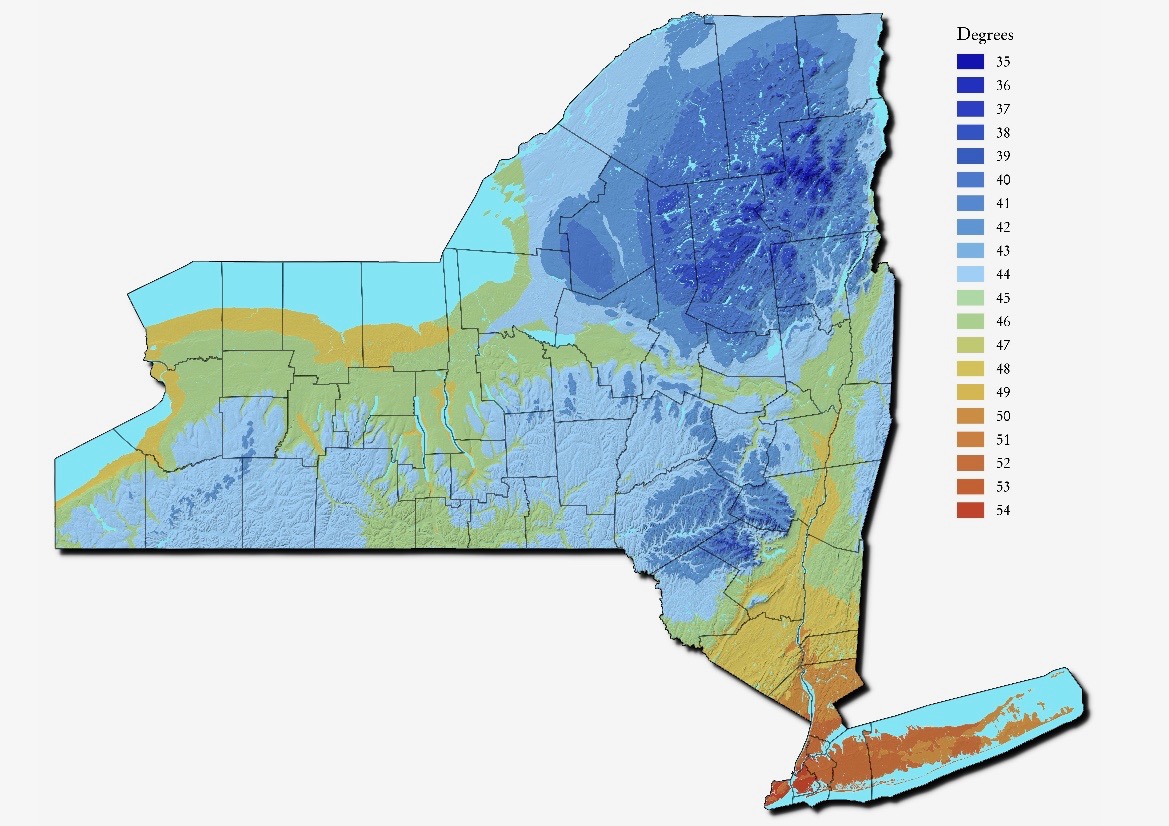
New York City is celebrated for its truly distinct four seasons, a characteristic that defines its atmosphere and the range of experiences available to visitors. Unlike cities with more temperate or consistent climates, New York embraces significant swings in temperature, from freezing winters to hot, humid summers, with delightful transitional periods in between. This variability means that the ideal time to visit often depends entirely on personal preference and the type of activities you wish to pursue. Understanding these seasonal shifts is the first step in crafting an informed travel itinerary, ensuring comfort and maximizing enjoyment during your exploration of the city’s many wonders.
Springtime in the City: Blooming Beauty and Mild Breezes (March – May)
As winter’s chill recedes, New York awakens to a refreshing spring. Temperatures typically range from 40°F (4°C) to 60°F (15°C) in early spring, gradually warming to 55°F (13°C) to 75°F (24°C) by late May. This shoulder season is often considered one of the best times to visit due to its pleasant weather and fewer crowds compared to summer. The city bursts into life with vibrant blooms in its numerous parks and gardens. A leisurely stroll through Central Park, admiring the cherry blossoms around the Jacqueline Kennedy Onassis Reservoir or exploring the botanical gardens, becomes a truly enchanting experience. Outdoor dining begins to flourish, with cafes and restaurants extending their seating onto sidewalks, inviting visitors to savor meals al fresco.
For those planning a spring trip, packing layers is crucial, as mornings can be cool and evenings brisk, even if afternoons are warm. A light jacket or sweater, coupled with comfortable walking shoes, will prepare you for diverse activities. From a travel perspective, spring offers a sweet spot: hotel bookings can be slightly more affordable than peak summer rates, and attractions are less congested, allowing for a more relaxed exploration of landmarks like the Statue of Liberty or the Brooklyn Bridge. It’s an ideal time for those interested in a blend of outdoor exploration and cultural immersion before the full intensity of summer sets in.

Summer in New York: Vibrant Energy and Sizzling Heat (June – August)
Summer in New York is an exhilarating experience, characterized by a vibrant energy that pulses through the city. Temperatures during these months typically range from 70°F (21°C) to 90°F (32°C), often accompanied by high humidity, particularly in July and August. While the heat can be intense, it also ushers in a wealth of outdoor activities and a festive atmosphere. New Yorkers flock to urban beaches like Coney Island for sun and amusement, and parks host free concerts and movie screenings. Rooftop bars become prime destinations for evening relaxation, offering stunning cityscapes and cool breezes.
However, the summer months also bring larger crowds and higher prices for accommodations and flights. Booking well in advance is essential, and selecting hotels with efficient air conditioning is paramount for a comfortable stay. When planning your days, consider alternating between outdoor sightseeing and indoor activities such as visiting world-class museums like the Metropolitan Museum of Art or the Museum of Modern Art (MoMA), or catching a Broadway show, which offers a cool, cultural escape from the heat. Light, breathable clothing, sunscreen, and plenty of hydration are non-negotiable for navigating the city in summer. Despite the heat and crowds, the sheer volume of events, festivals, and the palpable energy make a summer visit an unforgettable, quintessential New York experience, especially for family trips or those seeking lively nightlife.
Autumn in New York: Crisp Air and Golden Hues (September – November)
Many consider autumn the most picturesque and pleasant time to visit New York. The sweltering heat of summer gives way to crisp, comfortable air, with temperatures ranging from 50°F (10°C) to 70°F (21°C) in September and October, gradually cooling to 40°F (4°C) to 55°F (13°C) by November. This moderate climate is perfect for extensive exploration on foot, allowing visitors to fully appreciate the city’s architecture and parks. Central Park, the New York Botanical Garden, and the neighborhoods along the Hudson River burst into spectacular displays of fall foliage, painting the urban landscape in hues of gold, red, and orange.
Autumn is also a peak season for cultural events, including various film festivals, fashion week, and the famous New York City Marathon. The pleasant weather encourages outdoor markets, street fairs, and continued al fresco dining. Packing for autumn involves layers – sweaters, light jackets, and perhaps a scarf – to accommodate fluctuating temperatures throughout the day. Given its popularity, accommodation can be in high demand, particularly in October, so early booking is strongly advised. For those seeking romantic getaways, cultural immersion, or simply the most comfortable weather for sightseeing, autumn in New York delivers an idyllic experience that truly captures the city’s charm.
Winter in New York: Enchanting Snowscapes and Festive Cheer (December – February)
Winter transforms New York into a magical wonderland, especially during the holiday season. Temperatures typically hover between 20°F (-6°C) and 40°F (4°C), with occasional dips below freezing and the potential for snow. While the cold can be biting, the festive atmosphere, particularly from Thanksgiving through New Year’s, is unparalleled. Iconic sights like the Christmas tree at Rockefeller Center, the elaborate window displays on Fifth Avenue, and the holiday markets create an enchanting experience. Ice skating at Rockefeller Center, Bryant Park, or Central Park becomes a popular activity, and the city’s indoor attractions, such as its world-class museums and Broadway theaters, offer cozy refuges from the cold.
Post-holiday, January and February often see fewer tourists and can present opportunities for more budget-friendly travel and accommodation deals. However, extreme cold or heavy snowfall can occasionally disrupt travel plans, so flexibility is key. Packing warm clothing – heavy coats, hats, gloves, scarves, and waterproof boots – is absolutely essential for winter visits. Despite the chill, a winter trip to New York offers a unique charm, whether it’s witnessing the city blanketed in snow or enjoying the warmth of a cozy restaurant after a day of exploring. It’s perfect for festive family trips or for those seeking to experience the city’s famous holiday spirit.
Planning Your New York Trip: Beyond Just the Thermometer
While temperature is a primary consideration, a successful trip to New York involves integrating climate awareness into broader travel planning. This means thinking about how the seasons impact everything from where you sleep to what you eat and which famous landmarks you choose to explore. The city’s diverse offerings mean there’s always something to do, regardless of the weather, but smart planning ensures you’re prepared for optimal enjoyment.
Accommodation Choices Across Seasons
The seasonal temperatures in New York significantly influence accommodation choices and booking strategies. In summer, properties with reliable air conditioning are non-negotiable for comfort after a day of sightseeing in the heat. Conversely, during winter, robust heating systems and perhaps amenities like indoor pools or cozy lounges become more appealing. Peak seasons, such as summer and the holiday period in winter, see higher demand and prices for hotels, boutique hotels, and vacation rentals. Booking several months in advance is crucial to secure preferred locations and competitive rates during these times.
Shoulder seasons (spring and late fall) or the quieter post-holiday winter months often present better value and more availability, allowing travelers to potentially upgrade to luxury resorts or suites that might be out of budget during peak times. When reviewing accommodation options, consider the proximity to public transport – especially useful in colder or rainy weather – and read recent reviews concerning climate control. For longer stays, especially in fluctuating weather, an apartment rental might offer more flexibility and comfort, allowing you to control your indoor environment more effectively.

Navigating New York’s Landmarks and Attractions
New York’s wealth of landmarks and attractions can be enjoyed year-round, but the visitor experience is undoubtedly shaped by the temperature. Outdoor attractions, such as the High Line linear park, a ferry ride to the Statue of Liberty, or a stroll across the Brooklyn Bridge, are most pleasant in spring, early summer, or autumn. During the scorching summer, it’s wise to visit outdoor sites early in the morning or late in the afternoon to avoid the midday sun, interspersing these with visits to air-conditioned indoor venues.
In winter, indoor attractions become paramount. The vast collections of the Metropolitan Museum of Art, the vibrant energy of Times Square (which is always bustling regardless of temperature), or the architectural marvels of Grand Central Terminal offer warmth and cultural enrichment. Observation decks like the Empire State Building, Top of the Rock, or One World Observatory provide breathtaking panoramic views in any season, though you’ll appreciate indoor viewing areas on colder days. Consider the time of day for observation deck visits, too; sunsets are stunning year-round but can be extremely cold in winter. A flexible itinerary that allows for shifts between indoor and outdoor activities based on the real-time weather forecast will ensure a comfortable and enjoyable exploration of the city’s diverse offerings.
Culinary Experiences and Local Lifestyle
The temperature also plays a significant role in New York’s vibrant culinary scene and local lifestyle. In warmer months, food tours exploring neighborhoods like Greenwich Village or Chinatown become popular, allowing visitors to sample street food and dine al fresco at sidewalk cafes. The desire for refreshing beverages and lighter meals takes precedence, with ice cream trucks and outdoor markets flourishing. Rooftop bars are at their peak, offering not just drinks but also an elevated dining experience with stunning city views.
As temperatures drop, the focus shifts to cozy, intimate dining experiences. Restaurants with fireplaces, hearty comfort food, and warm drinks become highly sought after. Winter is an excellent time to explore the city’s diverse range of international cuisines, from steaming bowls of ramen in the East Village to rich Italian dishes in Little Italy. Seasonal ingredients also dictate menus, with spring bringing fresh produce and autumn celebrating harvest flavors. Engaging with the local lifestyle means embracing these shifts, whether it’s enjoying a picnic in Central Park on a sunny spring day or seeking out a warm, bustling pub near Wall Street during a cold winter evening. Each season presents a unique opportunity to taste and experience New York’s gastronomic landscape.
Essential Tips for Every New York Visitor
Regardless of the season you choose for your New York adventure, a few universal tips will enhance your experience and help you adapt to the city’s often unpredictable weather patterns. First and foremost, always pack layers. Even within a single day, temperatures can fluctuate significantly, especially during spring and autumn. A waterproof outer layer is also a smart addition, as unexpected rain showers can occur year-round.
Secondly, check the local weather forecast regularly leading up to and during your trip. Technology makes it easy to stay informed, and knowing what to expect can help you make last-minute adjustments to your itinerary. Be prepared for extremes: hot and humid summers require light clothing and hydration, while cold winters necessitate heavy coats, hats, gloves, and scarves.
Thirdly, leverage New York’s extensive public transportation system, particularly the subway. It’s a lifesaver in all weather conditions – a cool escape from summer heat, a warm refuge from winter cold, and a dry option during rain. It also helps navigate the city efficiently, saving your feet for when the weather is truly ideal for walking.
Finally, embrace flexibility. While planning is crucial, New York’s weather can be dynamic. Be open to altering your plans if a sudden downpour or an unexpected heatwave hits. There’s always an indoor alternative or a cozy cafe waiting to be discovered. By remaining adaptable and prepared for the city’s distinct seasonal temperatures, you’re set to have a comfortable, engaging, and utterly unforgettable journey through one of the world’s greatest cities.
In conclusion, the temperature in New York is far more than a number; it’s a defining characteristic that shapes the entire travel experience. From the vibrant blooms of spring to the sizzling energy of summer, the crisp beauty of autumn, and the enchanting chill of winter, each season offers a unique lens through which to view and interact with this magnificent city. By understanding these climatic rhythms and planning accordingly, you can curate a trip that not only matches your ideal comfort level but also immerses you deeply in the specific charm and activities each New York season has to offer. So, pack wisely, plan smartly, and prepare to be captivated by the ever-changing, always fascinating temperatures of New York City.
LifeOutOfTheBox is a participant in the Amazon Services LLC Associates Program, an affiliate advertising program designed to provide a means for sites to earn advertising fees by advertising and linking to Amazon.com. Amazon, the Amazon logo, AmazonSupply, and the AmazonSupply logo are trademarks of Amazon.com, Inc. or its affiliates. As an Amazon Associate we earn affiliate commissions from qualifying purchases.