
New York City, a global epicenter of finance, fashion, art, and culture, operates on a rhythm all its own. Often referred to as “the city that never sleeps,” its constant motion is inextricably linked to its position within a specific global time zone. For travelers, business professionals, and anyone engaging with this vibrant metropolis, understanding the time in New York is far more than a simple numerical fact; it’s a key to unlocking successful travel plans, seamless communication, and a truly immersive experience. From coordinating flights and hotel check-ins to catching a Broadway Show or making an important business call, every interaction with New York is governed by its local clock. This article delves into the intricacies of New York’s time, its practical implications for various aspects of travel and lifestyle, and how to make the most of every precious minute in this incredible destination.
Understanding New York’s Time Zone: EST vs. EDT
At its core, New York City falls within the Eastern Time Zone (ET), a designation shared by much of the eastern United States and parts of eastern Canada. However, merely stating “Eastern Time” doesn’t fully capture the nuances, as this zone observes Daylight Saving Time, leading to a shift between Eastern Standard Time (EST) and Eastern Daylight Time (EDT) throughout the year.
Decoding Eastern Standard Time (EST)
During the colder months, typically from early November to mid-March, New York City operates on Eastern Standard Time (EST). This is five hours behind Coordinated Universal Time (UTC-5). This means that when it is noon UTC, it is 7:00 AM in New York. EST is the baseline, the “standard” time for the region, reflecting its geographical position relative to the prime meridian. Understanding this base time is crucial for long-term planning, particularly for international travelers and businesses that consistently interact with New York.
Embracing Eastern Daylight Time (EDT)
As spring arrives, so does Daylight Saving Time (DST), shifting New York City to Eastern Daylight Time (EDT). This typically occurs on the second Sunday in March, when clocks “spring forward” one hour. EDT is four hours behind Coordinated Universal Time (UTC-4). This change effectively grants an extra hour of daylight in the evenings, a welcome alteration for tourists eager to explore and locals enjoying outdoor activities. The shift back to EST happens on the first Sunday in November, when clocks “fall back” an hour. For visitors, being aware of this transition is vital; arriving a day before or after the change can affect meeting times, flight schedules, and even public transport timetables if not accounted for.
The Practicality of Time Zones for Travelers
For anyone planning a trip to New York, understanding EST and EDT isn’t just academic. It directly impacts your itinerary. Flight bookings are always based on local time, so international travelers must calculate time differences accurately to avoid missed connections or early arrivals. Hotel check-in and check-out times, typically set in local hours, can mean the difference between a smooth arrival and a lengthy wait if you’re arriving from a distant time zone. Business travelers, in particular, must align their meeting schedules with New York’s operational hours, often coordinating with colleagues in Europe or Asia who are many hours ahead or behind. Proper time zone awareness ensures seamless communication and avoids costly misunderstandings.
Navigating Time and Travel in the City That Never Sleeps
The moniker “the city that never sleeps” isn’t just a catchy phrase; it’s a testament to New York City’s perpetual energy. This constant activity, however, still operates within the framework of local time. From early morning jogs in Central Park to late-night jazz clubs in Greenwich Village, every experience has its own timing.
Planning Your Visit: Maximizing Every New York Minute
Effective planning is paramount to making the most of your time in New York. This involves more than just booking flights and accommodation; it’s about strategizing your daily schedule to embrace the city’s unique rhythm. For international visitors, anticipating and mitigating jet lag is a critical first step. Gradual adjustments to your sleep schedule before departure, staying hydrated on the flight, and exposing yourself to natural light upon arrival can help your body adjust to NYC time more quickly.
When booking accommodation, consider properties that offer amenities catering to different time zones, such as 24-hour concierge services, early check-in options, or even in-room dining services available around the clock. Many luxury hotels, like The Plaza Hotel or the St. Regis New York, are adept at accommodating guests arriving at unusual hours. Checking these options in advance can significantly enhance your arrival experience. Furthermore, understanding peak times for popular attractions can help you avoid long queues, allowing you to maximize your sightseeing. For example, visiting the Empire State Building or the Top of the Rock at opening or later in the evening often provides a less crowded experience.
Iconic Landmarks and Attractions on New York Time
New York City boasts an unparalleled collection of landmarks, each with its own operating hours and peak visitation times that align with the local clock. A visit to Times Square is iconic at any time, but its vibrant energy truly comes alive as the evening progresses and the billboards illuminate the night sky. Broadway Shows, a quintessential NYC experience, typically have evening performances starting between 7:00 PM and 8:00 PM, with matinees on Wednesdays, Saturdays, and Sundays. Booking tickets well in advance, and being mindful of the show’s runtime, is essential for fitting it into your schedule.
Museums like the Metropolitan Museum of Art or the Museum of Modern Art generally open in the late morning and close in the late afternoon or early evening. Planning your visit to coincide with less busy periods, such as weekday mornings, can provide a more serene experience. The Statue of Liberty and Ellis Island require ferry reservations, and timed entry tickets are highly recommended, especially during peak tourist seasons. Even a stroll across the Brooklyn Bridge or an exploration of Central Park benefits from time-sensitive planning, allowing you to catch a breathtaking sunset or enjoy a less crowded picnic spot.

The Culinary Scene and Nightlife: Dining Around the Clock
New York’s diverse culinary landscape caters to every palate and schedule. From early morning bagels and coffee to late-night fine dining, the city truly offers food around the clock. Breakfast spots in Manhattan fill up quickly with commuters starting their day, while lunch rushes dominate the business districts. Dinner, particularly in popular neighborhoods, can require reservations days or even weeks in advance, especially for highly-rated restaurants. The peak dining hours typically fall between 7:00 PM and 9:00 PM, aligning with New York’s evening rhythm.
For those seeking to experience New York’s renowned nightlife, the options are endless. Bars and clubs in areas like Meatpacking District or the Lower East Side come alive after 10:00 PM and often stay open until the early hours of the morning. Many iconic jazz clubs and comedy venues have multiple showtimes, allowing flexibility in your evening plans. Experiencing New York’s street food scene, whether from a hot dog stand or a specialized food truck, also follows the city’s timing, with vendors appearing at lunch and dinner hotspots, and some staying open late for the post-bar crowd.
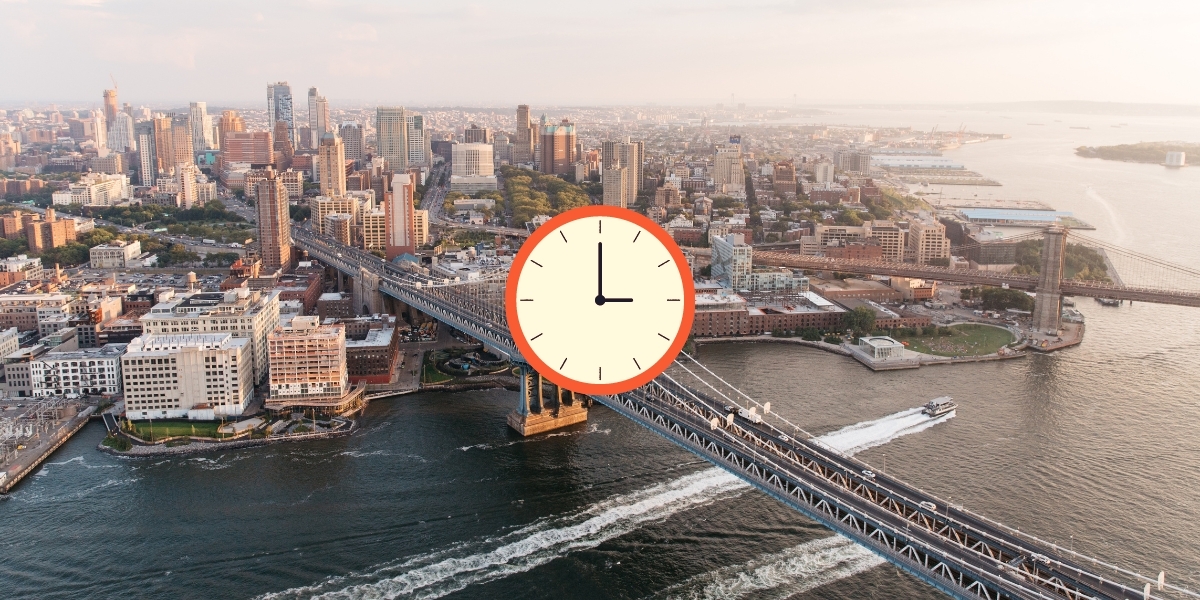
Beyond the Clock: Embracing New York’s Unique Rhythms
While understanding the exact time in New York is a practical necessity, truly experiencing the city involves appreciating its deeper, almost intangible rhythms – the pulse of its industries, the ebb and flow of its diverse cultures, and the sheer energy that permeates every street.
Business and Finance: The Pace of Wall Street
New York City is a global financial powerhouse, and the operations of Wall Street and the New York Stock Exchange dictate a significant portion of the world’s economic activity. The trading day typically begins at 9:30 AM EST/EDT and concludes at 4:00 PM EST/EDT. This precise window has profound implications for global financial markets, with traders and analysts across continents aligning their workdays to New York’s schedule. For business travelers, this means early mornings for calls with Europe and late evenings for coordinating with Asia, making time management an even more critical component of their stay. The demand for business-centric accommodation, with features like high-speed internet, meeting rooms, and efficient transport links, is a direct reflection of this intense commercial rhythm.

Culture and Lifestyle: A City That Never Sleeps
The phrase “the city that never sleeps” is perhaps most evident in New York’s cultural and social fabric. It’s a place where you can find a coffee shop open at 5:00 AM, a museum hosting a late-night event, or an impromptu street performance happening at midnight. This constant availability of experiences is a hallmark of the New York lifestyle. Diverse neighborhoods each have their own peak times, from the bustling morning markets in Chinatown to the late-night eateries in Koreatown.
Whether you’re exploring the historic cobblestone streets of SoHo, admiring the lights of Rockefeller Center during the holidays, or reflecting at the 9/11 Memorial & Museum, each moment is part of a larger, always-moving tapestry. Engaging with New York’s culture means embracing this flow, allowing for spontaneity while still keeping a practical eye on schedules for specific events, tours, or reservations.
Accommodation Choices to Fit Every Schedule
Given the city’s 24/7 nature, accommodation options in New York City are designed to cater to every kind of traveler and every schedule. Luxury hotels offer unparalleled services, including round-the-clock concierges, in-room dining, and state-of-the-art fitness centers that often operate outside standard business hours. Boutique hotels provide personalized experiences, sometimes offering unique amenities like late-night jazz lounges or early morning coffee services.
For budget travelers, numerous hostels and more affordable hotels provide comfortable stays, often centrally located to minimize travel time to attractions. The rise of apartment rentals through platforms like Airbnb also offers flexibility, allowing travelers to experience New York like a local, with options for long-term stays that better integrate with the city’s daily rhythms. Regardless of your choice, considering proximity to public transportation, reviewing guest feedback on early check-in/late check-out flexibility, and understanding cancellation policies are crucial steps in securing the perfect base for your New York adventure.
In conclusion, knowing “What Is The Time In New York Time?” is more than a trivial query; it’s the gateway to understanding and experiencing one of the world’s most dynamic cities. From the practicalities of adjusting to EST or EDT to the subtle nuances of New York’s constant rhythm, every aspect of your visit will be influenced by the clock. By planning wisely, leveraging available amenities, and embracing the city’s unique pace, you can ensure that every minute spent in New York City is a moment to remember.
LifeOutOfTheBox is a participant in the Amazon Services LLC Associates Program, an affiliate advertising program designed to provide a means for sites to earn advertising fees by advertising and linking to Amazon.com. Amazon, the Amazon logo, AmazonSupply, and the AmazonSupply logo are trademarks of Amazon.com, Inc. or its affiliates. As an Amazon Associate we earn affiliate commissions from qualifying purchases.