
New York is often called the city that never sleeps, and indeed, its vibrant energy persists through every season. However, understanding the weather in New York is crucial for any traveler planning a visit, as the climate dramatically influences everything from your packing list to your itinerary, and even your choice of accommodation. From scorching summer days to brisk winter snowfalls, the United States’ most populous city experiences a full spectrum of meteorological conditions, each presenting its own unique charm and challenges. This guide will help you navigate the city’s diverse climate, ensuring your trip is as comfortable and memorable as possible, whether you’re here for the iconic landmarks, world-class hotels, or the unparalleled lifestyle experiences.
Seasonal Overview: Navigating New York’s Diverse Climate
New York boasts four distinct seasons, each offering a different facet of the city’s personality. Knowing what to expect weather-wise for each quarter of the year is the first step in planning a seamless and enjoyable visit, whether you’re a first-time tourist or a returning traveler.
Spring in the City: Blooming Beauty and Mild Breezes
Spring in New York, typically from April to June, is a truly enchanting time. After the chill of winter, the city awakens with a burst of color and renewed energy. Temperatures are generally mild and pleasant, ranging from the low 40s Fahrenheit (around 4-7°C) in early spring to the mid-70s Fahrenheit (around 21-24°C) by June. While sunshine is abundant, spring is also known for its unpredictable showers, so a compact umbrella and water-resistant footwear are essential companions.
This season is ideal for exploring the city’s numerous parks and outdoor attractions. A stroll through Central Park reveals cherry blossoms, daffodils, and tulips in full bloom, making it a picturesque destination for photographers and nature lovers. The Brooklyn Botanic Garden also becomes a vibrant tapestry of flora. Spring’s comfortable temperatures make it perfect for walking tours, ferry rides past the Statue of Liberty and Ellis Island, and exploring neighborhoods like Greenwich Village on foot. Outdoor dining areas, from rooftop bars in Manhattan to quaint cafes in Queens, begin to fill up, allowing visitors to soak in the bustling city atmosphere al fresco. Accommodation-wise, spring can see a surge in demand around holidays like Easter and Memorial Day, so booking your hotels or apartments well in advance is a smart move. Many hotels with outdoor amenities, such as terraces or gardens, truly shine during this season, offering guests a beautiful urban oasis.

Summer in New York: Sunshine, Buzz, and Heat
From July to August, New York transforms into a vibrant, bustling metropolis under the summer sun. Expect hot and often humid conditions, with average daytime temperatures frequently in the high 80s Fahrenheit (around 30-32°C), and occasionally climbing into the 90s (over 32°C). Evenings offer little reprieve, often remaining warm and sticky. While the days are long and bright, summer can also bring sudden, intense thunderstorms, providing a brief but welcome cool-down.
Despite the heat, summer is a peak tourist season, drawing visitors with a packed calendar of outdoor events and activities. From free concerts in Central Park and Shakespeare in the Park to street festivals and outdoor movie screenings, there’s always something happening. Many locals and tourists flock to the beaches of Coney Island or Rockaway Beach for a refreshing escape. Exploring iconic landmarks like the Brooklyn Bridge or the High Line is best done early in the morning or late in the afternoon to avoid the midday sun. For accommodation, air conditioning is an absolute necessity, not just a luxury. Hotels like the Four Seasons Hotel New York Downtown or even boutique options across the boroughs often feature excellent cooling systems and, sometimes, rooftop pools, providing a perfect respite from the heat. Staying hydrated is paramount, and light, breathable clothing is a must. Travel during this period can be more expensive, especially for flights and popular hotels, so budgeting accordingly and booking early is advisable.
Autumn in New York: Crisp Air and Fiery Foliage
Autumn, from September to November, is arguably the most beloved season in New York, celebrated for its perfect balance of comfortable temperatures and stunning natural beauty. The oppressive summer humidity gives way to crisp, clear air, with daytime temperatures hovering between the 50s and 70s Fahrenheit (10-21°C). The vibrant fall foliage, especially noticeable in Central Park, along the Hudson River, and in the city’s quieter residential areas, paints the landscape in hues of red, orange, and gold.
This idyllic weather makes autumn ideal for exploring all aspects of New York. It’s prime time for outdoor photography, leisurely walks, and open-air markets. Major events like Fashion Week kick off the season, followed by the highly anticipated Macy’s Thanksgiving Day Parade in November. Sports enthusiasts can catch a New York Jets or New York Giants game, while culture vultures can enjoy the start of the Broadway season. Given the delightful weather and numerous attractions, autumn is a very popular time for tourism, often leading to higher demand for hotels and flights. Layers are key for your wardrobe, as mornings and evenings can be quite cool, even if the midday sun is warm. Choosing a hotel with a view of Central Park or the East River can offer breathtaking vistas of the changing leaves, making your stay even more memorable. Consider properties in areas like Upper West Side or Upper East Side for closer proximity to these natural spectacles.
Winter in New York: Snowy Spectacles and Festive Spirit
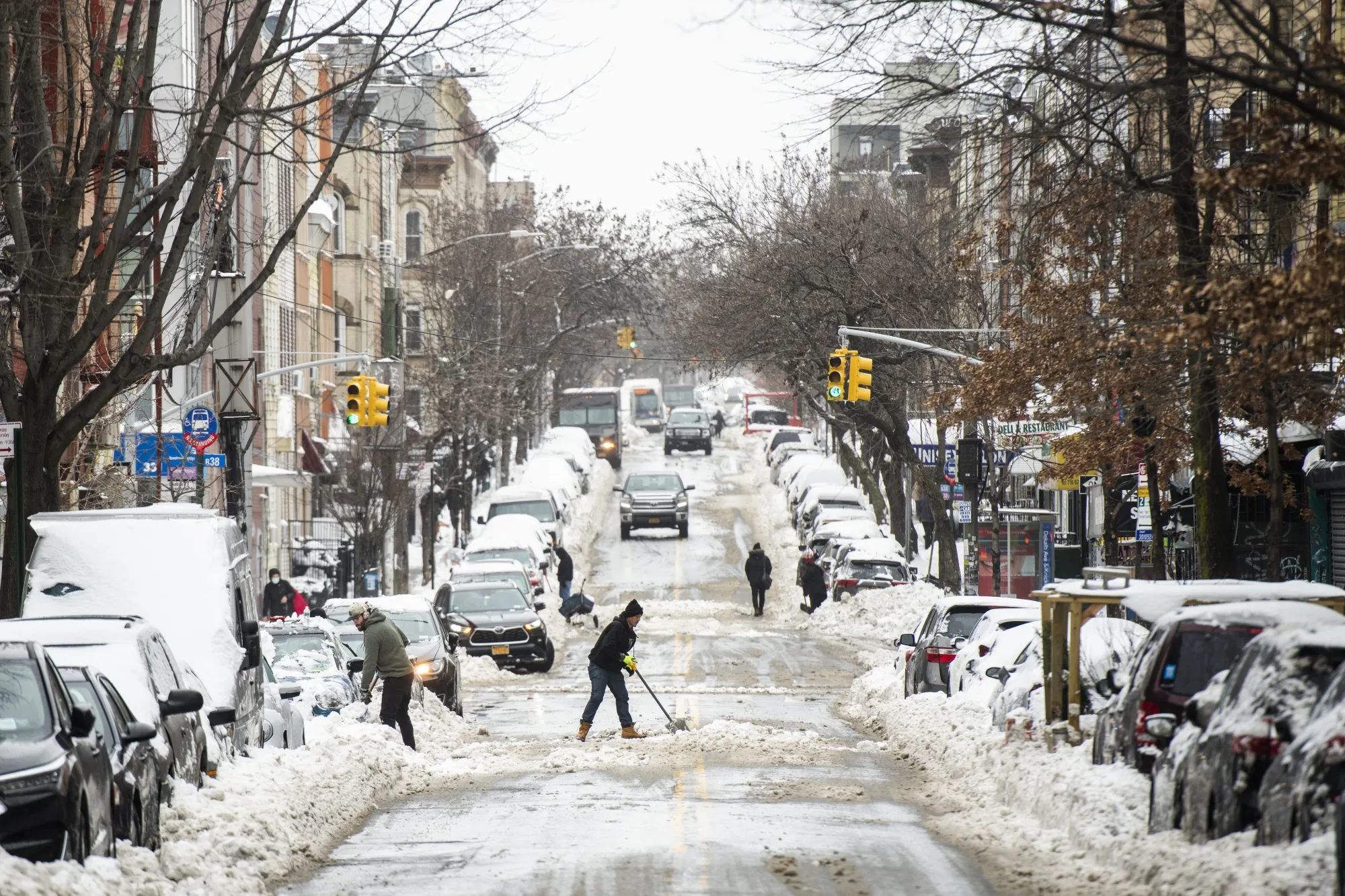
Winter in New York, spanning from December to March, transforms the city into a magical, often snow-covered wonderland, especially during the holiday season. Temperatures are cold, frequently dipping below freezing (32°F or 0°C), and can occasionally plunge into the single digits or negatives, particularly in January and February. Snowfall is common, ranging from light dustings to significant blizzards, which can temporarily disrupt travel but also create incredibly scenic views. Icy winds, especially through the skyscraper canyons of Manhattan, can make it feel even colder.
Despite the biting cold, winter is an incredibly atmospheric time to visit, particularly in December, when the city is ablaze with festive lights and holiday cheer. Ice skating at Rockefeller Center or Bryant Park, exploring the famous holiday markets, and witnessing the New Year’s Eve ball drop in Times Square are quintessential New York experiences. This season also offers an excellent opportunity to dive into the city’s rich indoor cultural scene, from the extensive collections of the Metropolitan Museum of Art and the Museum of Modern Art to captivating Broadway shows. Packing warm layers, a heavy coat, waterproof boots, gloves, a hat, and a scarf is absolutely essential. Accommodation during the holiday season can be pricey, with iconic hotels like The Plaza Hotel offering luxurious festive experiences. However, January and February often present off-peak travel deals, making it a more budget-friendly time to visit for those prepared for the cold. Consider hotels with cozy amenities like fireplaces, indoor pools, or excellent spa facilities to warm up after a day of exploration.
Weather’s Influence on Your New York Experience
The climate in New York doesn’t just dictate what you wear; it profoundly impacts every aspect of your trip, from how you choose your lodging to which activities you can enjoy and even the local lifestyle you experience.
Choosing Your Accommodation Wisely
When planning your stay in New York, the weather should be a significant factor in your accommodation choices. During the hot summer months, effective air conditioning is non-negotiable. Many modern hotels and even vacation rentals, particularly in areas like Midtown Manhattan or Downtown Brooklyn, offer state-of-the-art climate control. Conversely, in winter, reliable heating and good insulation are paramount. Some luxury hotels might even feature amenities like heated floors in bathrooms or communal fireplaces in lounges, adding to the comfort.
For families or those planning an extended stay, considering apartments or suites with kitchenettes can be beneficial, offering a home-away-from-home feel regardless of the weather outside. Hotels with indoor pools or fitness centers become attractive options in winter, allowing for recreation despite the cold. In summer, hotels with rooftop terraces or outdoor pools offer a refreshing escape. Reviewing hotel amenities and recent guest reviews specifically concerning climate control can save you from discomfort. Booking during shoulder seasons (late spring, early fall) might offer better rates and more flexibility, but popular dates like New Year’s Eve in Times Square or summer concert series will always command higher prices for even standard rooms.
Navigating Landmarks and Attractions
New York’s wealth of landmarks and attractions offers both indoor and outdoor experiences, making it possible to enjoy the city in any weather. However, your itinerary will naturally shift with the seasons. Sunny spring days and crisp autumn afternoons are perfect for exploring outdoor wonders like the Statue of Liberty and Ellis Island via ferry, walking across the Brooklyn Bridge, or taking a leisurely stroll through Central Park. The observation decks of the Empire State Building or Top of the Rock offer unparalleled panoramic views, best enjoyed on clear days.
When the weather turns inclement – be it scorching heat, heavy rain, or biting cold – the city’s world-class indoor attractions become invaluable. Spend a day immersed in art at the Metropolitan Museum of Art, the Museum of Modern Art, or the Guggenheim Museum. Explore the bustling Grand Central Terminal, shop along Fifth Avenue, or catch a matinee Broadway show. Even attractions like the One World Observatory offer spectacular views from indoors, providing a comfortable escape from external elements. Flexibility in your itinerary is key; always have a backup plan for rainy or extremely hot/cold days, allowing you to seamlessly switch between outdoor exploration and indoor cultural immersion.
Lifestyle and Local Culture through the Seasons
The weather in New York also deeply influences the local lifestyle and cultural activities available. Culinary experiences, for instance, shift with the seasons. Summer brings a profusion of outdoor dining, farmers’ markets, and street food vendors, especially in neighborhoods like Flushing or Williamsburg. Rooftop bars buzz with energy as locals and tourists seek out refreshing cocktails and city views. In contrast, autumn and winter usher in a focus on cozy indoor dining, with restaurants offering hearty, comforting dishes, and cafes becoming popular havens for warm drinks.
Cultural events also adapt. While summer is filled with outdoor concerts and festivals, cooler months bring the peak season for Broadway shows, opera at the Metropolitan Opera, and classical performances at Carnegie Hall. Fashion Week takes place in February and September, showcasing collections for the upcoming seasons. Even simply observing New Yorkers provides insight: in summer, they’re out jogging in parks or lounging by the Hudson River; in winter, they’re bundled up, moving briskly, perhaps grabbing a warm pretzel from a street vendor near Wall Street. Understanding these seasonal rhythms allows visitors to more fully immerse themselves in the authentic pulse of the city.

Practical Tips for Weather-Proofing Your New York Trip
Regardless of when you visit, a few practical considerations can significantly enhance your comfort and enjoyment in New York.
Firstly, pack smart and in layers. Even within a single day, New York weather can be fickle. A sunny morning might give way to a breezy afternoon or an evening shower. Layers allow you to easily adjust to temperature fluctuations. Always check the forecast a few days before your trip and again on the morning of each day to guide your outfit choices.
Secondly, invest in good footwear. You’ll do a lot of walking in New York, so comfortable shoes are paramount. In spring and fall, sturdy walking shoes are perfect. For summer, breathable sandals or sneakers are ideal. In winter, waterproof boots with good grip are essential, especially if snow or ice is anticipated.
Thirdly, stay hydrated and protected from the sun. In summer, carry a reusable water bottle and refill it frequently. Sunscreen, sunglasses, and a hat are also crucial to protect against strong UV rays.
Finally, leverage public transportation. The extensive subway system is a fantastic way to navigate the city, especially during extreme weather. It provides a cool respite in summer and a warm haven in winter, allowing you to bypass adverse conditions on the streets and efficiently reach attractions in The Bronx, Brooklyn, Queens, or Staten Island. Always check for service advisories, particularly during heavy snowfall or summer heatwaves, as these can sometimes impact subway and bus schedules.
In conclusion, the weather in New York is as dynamic and diverse as the city itself. While it certainly presents a range of conditions, with a little preparation and flexibility, each season offers a unique and unforgettable experience. By understanding the climate, choosing appropriate accommodation, and adapting your activities, you can ensure your visit to this magnificent metropolis is enjoyable, comfortable, and truly reflective of the vibrant New York lifestyle, no matter the forecast.
LifeOutOfTheBox is a participant in the Amazon Services LLC Associates Program, an affiliate advertising program designed to provide a means for sites to earn advertising fees by advertising and linking to Amazon.com. Amazon, the Amazon logo, AmazonSupply, and the AmazonSupply logo are trademarks of Amazon.com, Inc. or its affiliates. As an Amazon Associate we earn affiliate commissions from qualifying purchases.