
To ask “What is time in New York City right now?” is to pose a question that extends far beyond the mere tick of a clock. While the literal answer points to the current minute in the Eastern Time Zone, the true essence of time in NYC is a vibrant, multi-layered tapestry woven into the very fabric of the city’s identity. It’s the relentless rhythm of a metropolis that truly never sleeps, a dynamic flow that dictates everything from the rush-hour commute to the best moment to catch a Broadway show, from the perfect time to visit an iconic landmark to the quiet hours when the city reveals a different kind of magic.
For any traveler, whether embarking on a fleeting business trip, a romantic getaway, or an extended family vacation, understanding New York City’s relationship with time is paramount. It influences your accommodation choices, your tourism itineraries, and ultimately, your entire travel experience. This article delves into the various dimensions of “time” in NYC, offering insights to help you synchronize with its pulse and make every moment count.

The Rhythmic Pulse of the Eastern Time Zone
At its most fundamental, time in New York City is governed by the Eastern Time Zone (ET), observed across much of the eastern United States and Canada. This standardized timekeeping is the foundation upon which the city operates, yet its implications for visitors are nuanced.
Decoding New York’s Official Time (EST/EDT)
Like many regions, New York City observes Daylight Saving Time. From early November to mid-March, the city operates on Eastern Standard Time (EST), which is five hours behind Coordinated Universal Time (UTC-5). However, for the majority of the year – from mid-March to early November – the clocks spring forward by an hour, transitioning to Eastern Daylight Time (EDT), or UTC-4.
This shift might seem minor, but it’s crucial for travelers, particularly those arriving from different time zones. The impact of jet lag can be magnified or lessened depending on the direction and time of year you travel. For instance, arriving in New York City from Europe during EDT means a slightly smaller time difference, which can make adjustment a bit smoother. Conversely, flying west to NYC can often feel like gaining hours, allowing more immediate activity upon arrival. Being aware of whether it’s EST or EDT is essential for confirming flight times, hotel check-ins, and coordinating with others who might be in different time zones.
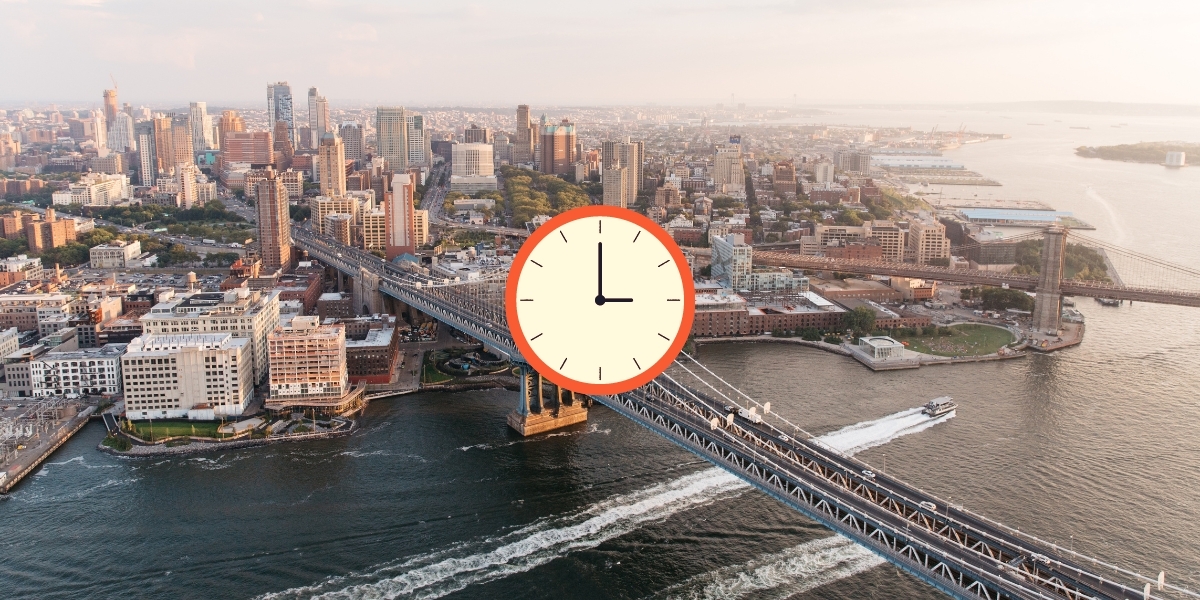
The Literal Moment: Understanding the Clock
When you check your phone and see the time in New York City right now, you’re observing this literal, standardized moment. But beyond that singular point, consider the layers of activity it implies. If it’s 9 AM, the city is in full swing: commuters are flooding the subway, coffee shops are bustling, and early birds are already at the museums. If it’s 3 PM, school dismissal is approaching, afternoon tea services are winding down, and the pre-theater dinner rush is beginning to simmer. At 1 AM, while many cities sleep, NYC still hums with late-night diners, jazz clubs, and the constant movement of emergency services and essential workers. The clock isn’t just a number; it’s a dynamic marker of the city’s current state of being.
Beyond the Clock: Time as an NYC Experience
The truly unique aspect of time in New York City isn’t just its official designation, but how it’s lived, felt, and perceived. It’s an experiential phenomenon that sets NYC apart.
The City That Never Sleeps: A 24/7 Rhythm
The moniker “the city that never sleeps” is not merely a cliché; it’s a fundamental truth that profoundly impacts the lifestyle of both residents and visitors. Unlike many global cities that wind down significantly after midnight, New York City maintains a remarkable level of activity around the clock. The subway, operated by the MTA, runs 24/7, providing constant mobility. Delis, bodegas, and even some upscale eateries are open late, catering to every craving. This constant availability can be a blessing for travelers, allowing for spontaneous adventures and flexible scheduling.
However, this 24/7 rhythm also means a heightened sense of urgency and pace. New Yorkers move quickly, speak quickly, and expect efficiency. For tourists accustomed to a slower pace, this can initially feel overwhelming. It’s crucial to adapt to this rhythm, or at least be prepared for it, to fully immerse yourself in the urban experience. From navigating crowded sidewalks in Midtown Manhattan to grabbing a quick slice of pizza, everything operates on an accelerated clock.

Navigating NYC’s Pace: Planning Your Precious Moments
Given New York City’s boundless energy, effective time management is the key to a rewarding visit. Whether you’re here for two days or two weeks, prioritizing activities and understanding travel times between different boroughs and neighborhoods is vital. A common mistake is underestimating the sheer size and scope of attractions. What looks close on a map can still be a 15-minute subway ride or a significant walk.
Consider grouping attractions geographically. For example, a morning exploring the Statue of Liberty and Ellis Island in the Financial District can be followed by an afternoon at the 9/11 Memorial & Museum and One World Observatory, all within reasonable proximity. Similarly, pairing the Metropolitan Museum of Art (The Met) with a stroll through Central Park is a natural fit. This strategic approach to your itinerary can save hours of transit time and maximize your sightseeing capacity, ensuring you experience more of the city’s diverse offerings.
Optimizing Your NYC Journey Through Time
The way you allocate your time in New York City directly correlates with the richness of your experience. Strategic planning is not about rigidly adhering to a minute-by-minute schedule, but rather about making informed choices to get the most out of every day.
Strategic Timing for Iconic Landmarks and Attractions
Almost every major NYC landmark has optimal visiting times that can significantly enhance your experience.
- Empire State Building or Top of the Rock at Rockefeller Center: For breathtaking views, sunrise or sunset offer unparalleled photo opportunities, though these times also attract larger crowds. Visiting right at opening or later in the evening can offer a more tranquil experience. Pre-booking tickets online is almost always a time-saver, allowing you to bypass long queues.
- Museums (e.g., The Met, MoMA, American Museum of Natural History): Weekday mornings, shortly after opening, are generally the least crowded. Many museums also offer specific late-night openings on certain days, which can provide a unique and often less frantic viewing experience.
- Broadway Shows: Evening performances are the norm, typically starting between 7 PM and 8 PM. Matinee performances on Wednesdays, Saturdays, and Sundays offer an alternative for those who prefer daytime entertainment or want to free up their evenings. Booking tickets well in advance, especially for popular shows, is essential to secure your preferred date and time.
- Central Park: This sprawling oasis offers different experiences depending on the time of day. Early mornings are perfect for quiet walks and jogs. Afternoons bring lively crowds, street performers, and picnics. Evenings can be magical, with illuminated paths and the city skyline as a backdrop.
- Times Square: While perpetually busy, experiencing Times Square at night, with its dazzling billboards and vibrant energy, is a quintessential NYC experience. Visiting during off-peak morning hours can offer a slightly less crowded perspective, allowing for easier navigation.
Culinary Clocks and Nightlife Rhythms
New York City’s culinary scene is as diverse as its population, and understanding its timing is key to enjoying it fully.
- Dining: Brunch is a beloved NYC institution, typically served from 11 AM to 3 PM on weekends. Lunch rushes can be intense, especially in business districts like Midtown and the Financial District, usually from 12 PM to 2 PM. Dinner service starts relatively early, with many restaurants opening for dinner around 5 PM, particularly to cater to pre-theater crowds. Peak dinner times are usually between 7 PM and 9 PM, making reservations highly advisable for popular establishments. Consider dining slightly earlier or later to avoid the biggest crowds.
- Nightlife: The city truly comes alive after dark. Bars, lounges, and clubs in neighborhoods like Greenwich Village, SoHo, and the Lower East Side often buzz until the early hours of the morning. Jazz clubs, comedy venues, and live music spots offer entertainment late into the night. For a more relaxed evening, rooftop bars provide stunning city views and often stay open until well past midnight. The flexibility of NYC’s nightlife means there’s always something to do, regardless of the hour.
Seasonal Shifts and Lifestyle Cadences
Beyond the daily rhythm, the “time” in New York City is also shaped by the seasons and the varied lifestyle approaches of its visitors.
Best Times to Visit: Embracing New York’s Seasons
Each season offers a distinct New York City experience, influencing crowd levels, weather, and available activities.
- Spring (April-May): Pleasant temperatures, blooming parks, and outdoor dining begin to flourish. It’s a fantastic time for sightseeing and exploring neighborhoods on foot. Crowds are moderate, making it a good balance between vibrant activity and manageable numbers.
- Summer (June-August): Hot and humid, but packed with outdoor events, free concerts, street festivals, and opportunities to visit places like Governors Island. Tourist season is at its peak, meaning larger crowds and higher hotel prices. Early mornings or late evenings are best for popular outdoor attractions like the Brooklyn Bridge or the High Line.
- Fall (September-November): Often considered the ideal time to visit, with crisp air, beautiful foliage in Central Park and along the Hudson River, and a buzzing cultural scene. Crowds are still significant, especially around events like the Macy’s Thanksgiving Day Parade, but the weather is perfect for exploration.
- Winter (December-March): Cold, often snowy, but magical, especially during the holiday season. The city sparkles with Christmas decorations, ice skating rinks open, and the energy around New Year’s Eve is electrifying. While very cold, this period offers unique experiences and can be less crowded after the holidays, leading to potentially better accommodation deals.
Time Management for Every Traveler: From Luxury to Budget
How you approach time in New York City also depends on your travel lifestyle.
- Luxury Travelers: Time is often prioritized over cost. Utilizing concierge services at hotels like The Plaza Hotel or the Four Seasons, booking private tours, or opting for car services rather than public transport are ways to save precious minutes and enhance comfort. Pre-booked experiences, exclusive access, and fine dining reservations at prime times are all part of a seamless luxury experience.
- Budget Travelers: Time management becomes about efficiency and smart choices. This means embracing public transportation, walking extensively, seeking out free attractions like walking the Brooklyn Bridge or exploring Central Park, and taking advantage of happy hour deals or lunch specials. It also involves more personal research and planning, as you’re likely managing your own itinerary rather than relying on curated services.
- Family Trips: For families, time often revolves around children’s schedules. Early starts, mid-day breaks back at the hotel or apartment rental, and kid-friendly dining times are crucial. Prioritizing attractions with universal appeal, such as the American Museum of Natural History or a ferry ride to the Statue of Liberty, ensures everyone enjoys the experience without feeling rushed or overtired.
- Business Stays: Efficiency is paramount. Proximity to business meetings dictates hotel choice – perhaps a Grand Hyatt Hotel in Midtown for convenience. Strategic use of travel time, perhaps catching up on emails during an Amtrak commute from outside the city or utilizing quick taxi rides between appointments, defines the experience. Evenings might offer a brief window for networking dinners or a quick taste of the city’s culture, making flexible timing crucial.
Embracing the Present: Making Every Moment Count in NYC
So, “What is time in New York City right now?” It is a constant, vibrant hum. It’s the literal second on the clock, the collective energy of millions, the seasonal shifts, and the individual pace of every person experiencing this incredible metropolis. For those planning a visit, understanding and harmonizing with this dynamic sense of time is the ultimate guide to an unforgettable journey.
Whether you’re rushing to catch a subway, lingering over a Manhattan brunch, or gazing at the city lights from a rooftop bar, New York City invites you to make every second count. Don’t just observe the time; immerse yourself in its flow. Let the city’s relentless energy propel you, its diverse offerings captivate you, and its unique rhythm inspire you. Because in NYC, time isn’t just measured; it’s lived.
LifeOutOfTheBox is a participant in the Amazon Services LLC Associates Program, an affiliate advertising program designed to provide a means for sites to earn advertising fees by advertising and linking to Amazon.com. Amazon, the Amazon logo, AmazonSupply, and the AmazonSupply logo are trademarks of Amazon.com, Inc. or its affiliates. As an Amazon Associate we earn affiliate commissions from qualifying purchases.