
New York City, often called the “Big Apple,” is not just a city; it’s a global phenomenon, a melting pot of cultures, ambitions, and dreams. Its iconic skyline, bustling streets, and diverse neighborhoods paint a picture of ceaseless energy. At the heart of this vibrant metropolis lies its most fundamental characteristic: its population. The sheer number of people who call New York City home, and the rich tapestry of their backgrounds, are what truly define its unique spirit. For travelers planning a visit, understanding this demographic heartbeat isn’t just about statistics; it’s about grasping the very essence of the city’s tourism, accommodation, and lifestyle offerings.
As one of the most populous cities in the United States and indeed the world, New York City’s population is a dynamic entity, constantly evolving and influencing every facet of urban life. From the demand for hotels and diverse culinary experiences to the vibrant street life and the preservation of landmarks, the millions of residents shape the visitor experience in profound ways. This article delves into the fascinating world of New York City’s population, exploring its current state, historical growth, and the undeniable impact it has on anyone experiencing this unparalleled destination.
The Vibrant Heartbeat: Current Population Snapshot of New York City
At the latest estimates, the resident population of New York City hovers around 8.5 to 8.8 million people. This makes it the most populous city in the United States, far surpassing other major urban centers. But these numbers are more than just figures; they represent a dense concentration of humanity living, working, and thriving within a relatively compact geographical area. This density is a key driver of the city’s vertical architecture, its extensive public transportation system, and its incredibly diverse cultural landscape.
The daily rhythm of New York City is dictated by its inhabitants. From the early morning commuters flooding the subway lines to the late-night revelers in Times Square or Greenwich Village, the city is a 24/7 hive of activity. This constant motion is what makes New York City such a compelling destination for travel. It’s a place where you can always find something happening, a restaurant open, or a new experience awaiting, largely thanks to the sheer volume and diversity of its residents.
A Demographic Tapestry: Who Lives in NYC?
What truly sets New York City’s population apart is its unparalleled diversity. It is often said that over 800 languages are spoken in the city, making it the most linguistically diverse city in the world. People from virtually every country on earth have made New York City their home, bringing with them a rich array of traditions, cuisines, and perspectives. This multiculturalism isn’t confined to specific enclaves but permeates every aspect of city life.
Visitors can explore neighborhoods like Chinatown, Little Italy, or Harlem, each offering a distinct cultural immersion that feels like a trip around the world within a single city. This demographic richness profoundly impacts tourism, presenting an endless array of authentic cultural experiences, from world-class ethnic restaurants to vibrant festivals and unique local markets. For those interested in local culture, the population itself is the primary attraction, offering insights into global communities without ever leaving the five boroughs.
The Five Boroughs: A City of Cities
New York City is composed of five distinct boroughs, each with its own character, population density, and attractions. Understanding these differences helps both residents and visitors appreciate the full scope of the city.
- Manhattan: The smallest borough geographically but the most densely populated and arguably the most famous. Home to major landmarks like the Empire State Building, Central Park, Times Square, and the financial hub of Wall Street. Its population density drives the demand for towering skyscrapers, luxury hotels like The Plaza Hotel and The St. Regis New York, and a high-paced lifestyle.
- Brooklyn: The most populous borough, Brooklyn boasts a diverse population and a vibrant cultural scene. From the historic brownstones of Park Slope to the artistic enclaves of Bushwick, it offers a more residential feel with trendy restaurants, independent boutiques, and iconic sights like the Brooklyn Bridge and Coney Island.
- Queens: Geographically the largest and one of the most ethnically diverse urban areas in the world. Its population represents a microcosm of global cultures, evident in its incredible food scene, featuring authentic cuisines from across Asia, Latin America, and beyond. Queens also hosts Flushing Meadows-Corona Park, home to the Unisphere, and offers a more suburban-urban blend.
- The Bronx: Known for Yankee Stadium and the Bronx Zoo, this borough is rich in history and green spaces, including Van Cortlandt Park and Orchard Beach. Its population reflects a strong Hispanic and African American heritage, contributing to a vibrant community spirit and distinct cultural contributions.
- Staten Island: The least populous and most suburban of the boroughs, Staten Island offers a quieter escape with stunning views of the Manhattan skyline from its iconic ferry. Its population enjoys more space and a slower pace, yet remains intrinsically linked to the pulse of the larger city.

This “city of cities” concept means that the demographic makeup of New York City is not monolithic but a rich mosaic, offering varied experiences for long-term stays or short visits, depending on which borough one chooses to explore.
A Historical Perspective: New York City’s Growth Story
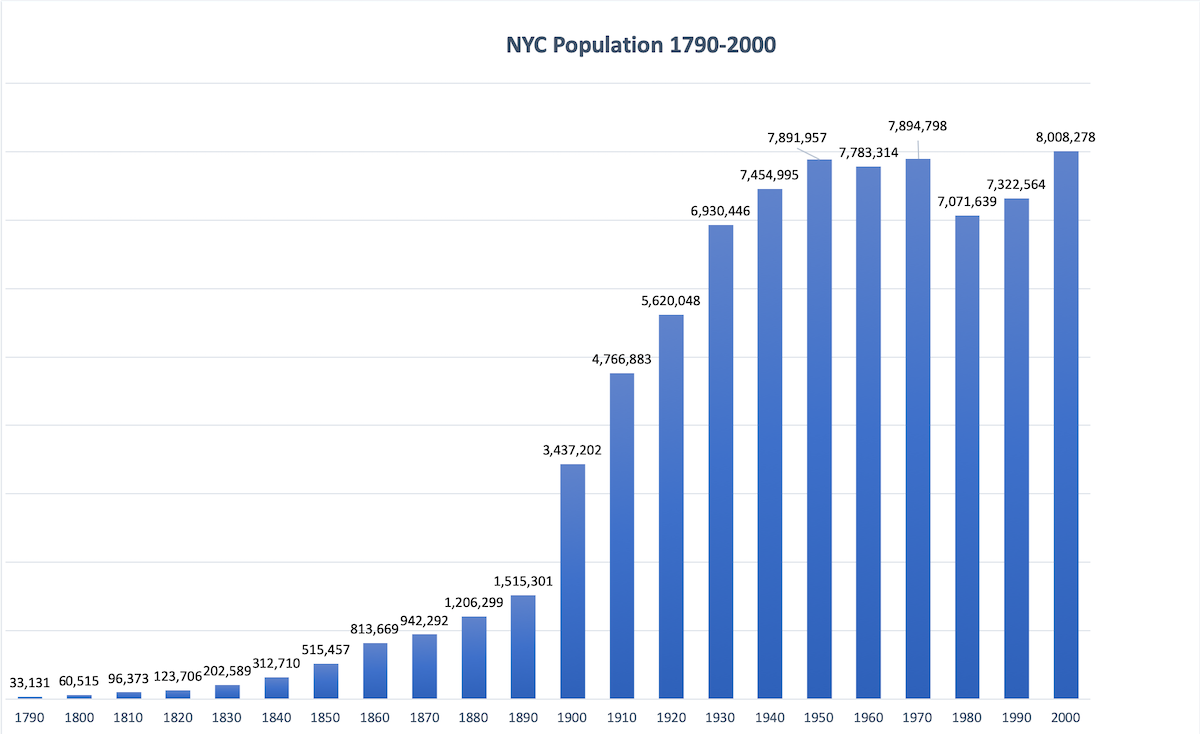
The current population of New York City is the culmination of centuries of growth, driven by a powerful magnetism that has drawn people from all corners of the globe. From its humble beginnings as a Dutch trading post, New York City rapidly transformed into a major port city and eventually a global metropolis.
In the 18th and 19th centuries, its strategic location on the Atlantic coast made it a gateway for trade and immigration. The opening of the Erie Canal further solidified its position as a commercial hub, connecting the city to the interior of the United States. This economic vibrancy, coupled with a promise of opportunity, became an irresistible draw for successive waves of migrants.
Waves of Immigration: Fueling Urban Expansion
Immigration has been the bedrock of New York City’s population growth and cultural identity. The late 19th and early 20th centuries saw massive influxes of immigrants from Europe, processed through Ellis Island, seeking new lives and opportunities. Italians, Irish, Jewish, and Eastern European communities profoundly shaped the city’s neighborhoods, industries, and social fabric. These groups established vibrant communities, building churches, synagogues, and social clubs that continue to contribute to the city’s rich heritage.
Later in the 20th century, immigration patterns shifted, bringing people from Latin America, Asia, and Africa. Each wave has added new layers to the city’s demographic tapestry, creating the diverse, multilingual, and multicultural environment we see today. This continuous refreshment of its population has kept New York City dynamic and ever-evolving, influencing everything from its food scene to its art and music. Understanding this history helps visitors appreciate the depth of culture and the stories behind the landmarks and attractions they encounter.
Population Dynamics: Challenges and Adaptations
While population growth is often a sign of vitality, it also brings significant challenges. New York City has continually adapted to accommodate its expanding population, leading to innovations in urban planning, transportation, and infrastructure. The development of its iconic subway system, the construction of bridges like the Brooklyn Bridge, and the constant evolution of its housing landscape are all responses to the pressures of a growing populace.
The city’s ability to absorb and integrate millions of newcomers, providing housing, jobs, and services, is a testament to its resilience and adaptive capacity. This dynamic interplay between population and urban development is a fascinating aspect of New York City, offering insights into how one of the world’s largest cities functions. For visitors, observing the intricate dance of people and infrastructure, from the efficient bustle of Grand Central Terminal to the serene escape of Central Park, provides a deeper understanding of urban life.
Population’s Impact on the Urban Experience: Tourism, Accommodation, and Lifestyle
The massive population of New York City is not just a statistic; it’s a living force that shapes the city’s character and profoundly impacts the experience of every visitor. From the availability and style of accommodation to the diverse array of activities and local culture, the millions of residents contribute to the city’s unique allure.
Catering to the Masses: Hotels and Accommodation in a Densely Populated Metropolis
With millions of residents and an equally impressive number of annual tourists, the demand for accommodation in New York City is exceptionally high. This has led to a highly competitive and diverse hotel industry, catering to every possible preference and budget. Luxury travelers can find opulence at institutions like The Peninsula New York or The St. Regis New York, offering world-class amenities and service in prime Manhattan locations. For those seeking modern elegance, newer establishments such as the Times Square EDITION provide chic design and vibrant social spaces.
Budget travelers and those looking for a more contemporary, lifestyle-oriented stay also have a plethora of options, with boutique hotels like Arlo Nomad and Moxy NYC Times Square offering compact rooms, communal areas, and vibrant dining experiences. Beyond traditional hotels, the city’s population also supports a thriving ecosystem of apartment rentals and long-term stays, providing visitors with a chance to experience local life more authentically. The sheer volume of residents means there’s always a market for new and innovative accommodation solutions, driving competition and choice. The high population density, particularly in Manhattan, pushes buildings upwards, resulting in many hotels offering breathtaking skyline views, a direct benefit of the urban environment necessitated by dense living.
Lifestyle and Culture: The Human Element of NYC’s Allure
The diverse population is the wellspring of New York City’s unparalleled lifestyle and cultural vibrancy. Every neighborhood pulses with its own unique energy, driven by its residents. The artistic community thrives, supporting world-renowned institutions like the Metropolitan Museum of Art and the Museum of Modern Art, as well as countless smaller galleries and performance spaces. Broadway wouldn’t exist without its dedicated audiences and talented performers drawn from across the globe.
The culinary scene is another direct reflection of the population’s diversity, offering an almost infinite array of global cuisines, from Michelin-starred restaurants to humble street food carts. The fashion on Fifth Avenue, the music in Harlem, the independent spirit of Greenwich Village – all are products of the millions of individuals who contribute their unique heritage and creativity to the city’s collective identity. For tourists, this means that merely walking the streets is an immersive cultural experience, a constant engagement with different languages, styles, and traditions.

Navigating the Crowds: Tips for Visitors
While the high population density contributes to New York City’s electrifying atmosphere, it also means crowds, especially at popular tourist attractions. Visitors should be prepared for bustling sidewalks, packed subway cars during rush hour, and queues at iconic spots like the Statue of Liberty or One World Observatory.
To enhance their travel experience, planning ahead is crucial. Booking attraction tickets online in advance, utilizing off-peak hours for popular sites, and exploring neighborhoods beyond central Manhattan can help mitigate the effects of the crowds. Leveraging the city’s extensive public transportation system, though often busy, is the most efficient way to get around. Embracing the energy and movement of the city, rather than resisting it, is key to enjoying the unique New York City lifestyle.
Looking Ahead: The Future of New York City’s Population
The population of New York City is not static; it’s a constantly shifting entity influenced by global economics, national policies, and local quality of life factors. While growth has been a hallmark of its history, the city faces ongoing challenges related to affordability, infrastructure, and environmental sustainability.
Sustainable Growth and Urban Planning
Maintaining New York City’s allure as a place to live, work, and visit requires continuous strategic planning. Urban planners and policymakers grapple with how to accommodate future population increases while preserving green spaces, enhancing transportation, and ensuring equitable access to resources. Projects like Hudson Yards, which introduced new residential, commercial, and public spaces, along with landmarks like The Vessel and the High Line, exemplify the city’s ongoing efforts to innovate and expand vertically and creatively.
The future population dynamics will likely continue to shape the city’s skyline, its social services, and its identity as a global hub. As the city continues to attract talent and ambition from across the world, its population will remain a vibrant, diverse, and defining characteristic. For those who choose to travel here, this means the promise of an ever-evolving, always fascinating destination.
In conclusion, the population of New York City is far more than a simple count of residents. It is the very soul of the city, driving its dynamism, diversity, and iconic status. It dictates the rhythm of daily life, shapes its architectural landscape, fuels its thriving tourism industry, and enriches its unparalleled cultural tapestry. Whether you are seeking luxury travel, budget adventures, or a deep dive into local culture, understanding the human heartbeat of the Big Apple is essential to truly appreciating its magic. This metropolis, with its millions of stories, continues to be a testament to human resilience, creativity, and the enduring power of urban life.
LifeOutOfTheBox is a participant in the Amazon Services LLC Associates Program, an affiliate advertising program designed to provide a means for sites to earn advertising fees by advertising and linking to Amazon.com. Amazon, the Amazon logo, AmazonSupply, and the AmazonSupply logo are trademarks of Amazon.com, Inc. or its affiliates. As an Amazon Associate we earn affiliate commissions from qualifying purchases.