
In the dynamic tapestry of global cities, few places hum with the perpetual energy of New York City. A city that truly never sleeps, its pulse is dictated by a specific rhythm, one that is crucial for anyone planning a visit, conducting business, or simply curious about its current state. Whether you’re a first-time traveler eager to explore its iconic landmarks, a seasoned business professional scheduling a conference, or a digital nomad seeking a vibrant temporary home, understanding the local time is your first step to synchronizing with the Big Apple. So, what time is it in New York right now? The answer lies within the Eastern Time Zone, and its implications extend far beyond a simple number on a clock.
This comprehensive guide will delve into the nuances of New York’s time, its impact on your travel plans, and how to make the most of every precious moment in one of the world’s most exhilarating destinations. From navigating jet lag to optimizing your itinerary for peak experiences, we’ll cover everything you need to know to ensure your time in NYC is as seamless and enriching as possible.
Understanding New York’s Time Zone: Eastern Time Explained
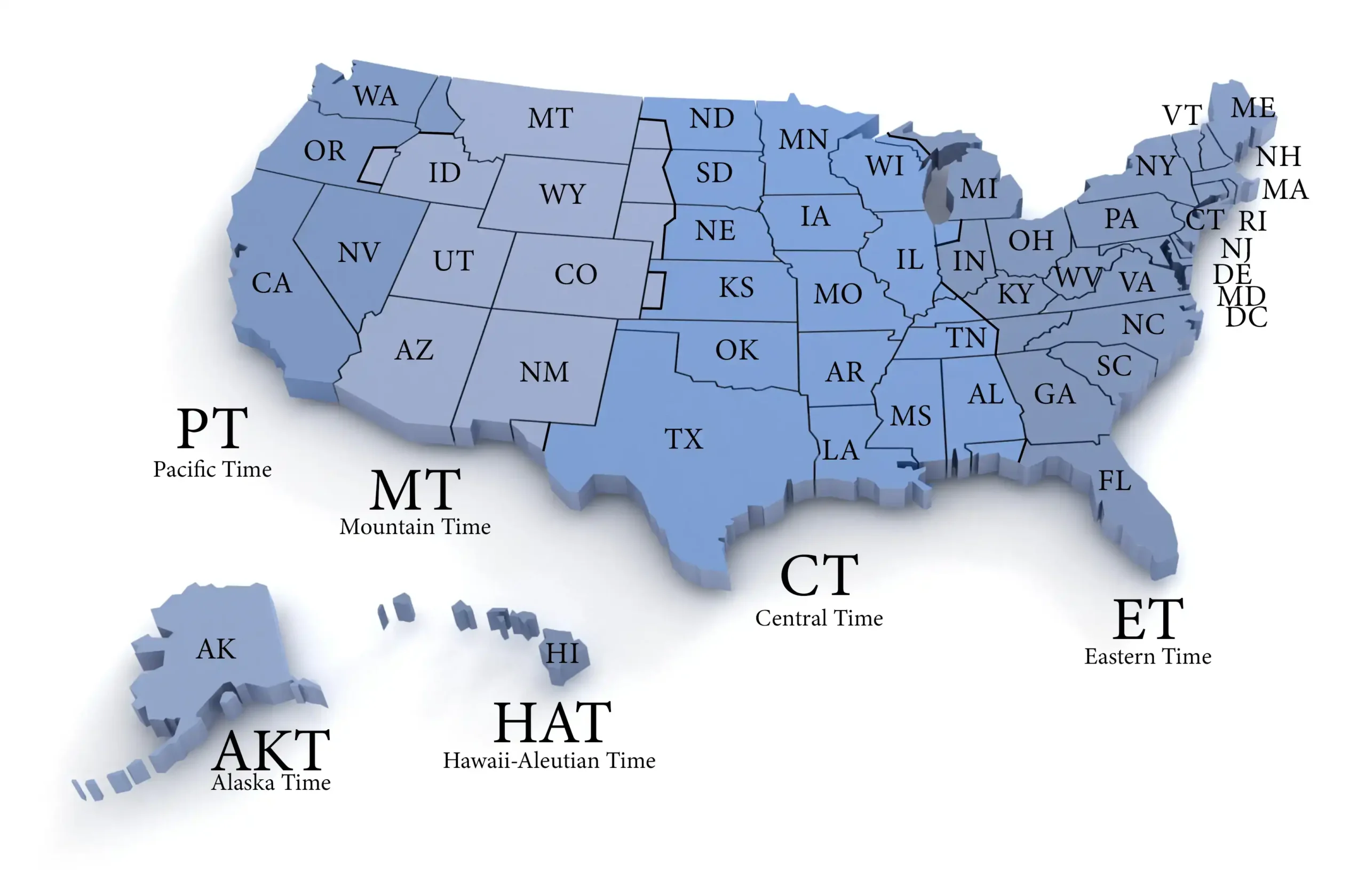
At its core, New York City operates on Eastern Time. This means it is typically five hours behind Coordinated Universal Time (UTC-5) during standard time and four hours behind (UTC-4) during Daylight Saving Time. This seemingly simple fact has profound implications for anyone interacting with the city, whether you’re arriving from across the globe or simply scheduling a virtual meeting.
The Eastern Time Zone is one of the four primary time zones observed in the contiguous United States, encompassing a significant portion of the east coast. For travelers, understanding this zone is paramount for accurate flight schedules, hotel check-ins, and coordinating with friends and family back home. It sets the pace for business hours, opening times for attractions, and the bustling rhythm of daily life.
EST vs. EDT: Navigating Daylight Saving Time
The distinction between Eastern Standard Time (EST) and Eastern Daylight Time (EDT) is critical. Most of the year, from early November to early March, New York is on EST, which is UTC-5. However, like much of the United States, New York observes Daylight Saving Time. On the second Sunday in March, clocks “spring forward” one hour, shifting to EDT (UTC-4). This lasts until the first Sunday in November, when clocks “fall back” one hour, returning to EST.
For visitors, especially those from outside North America or regions that do not observe Daylight Saving Time, this transition can occasionally cause confusion. Always double-check whether your travel dates fall during EST or EDT to ensure your plans are aligned with local time. Most modern devices automatically adjust, but it’s a good practice to be aware, especially for manually setting watches or confirming critical appointments.
The Impact of Time Differences on Your New York City Travel Plans
Traveling to New York City often involves crossing multiple time zones, leading to the infamous phenomenon of jet lag. If you’re flying in from Europe or Asia, the time difference can be substantial, making your first few days a challenge as your body attempts to adjust. For example, visitors from London face a 5-hour difference, while those from Tokyo contend with a daunting 13-hour shift.
Effective trip planning accounts for this. Arriving a day earlier than your main activities begin can provide a crucial buffer for adjustment. Plan lighter, less demanding activities for your first full day, allowing your body to acclimate. Hydration, strategic caffeine intake, and exposure to natural light can all aid in recovery. Furthermore, coordinating arrival and departure times with hotel check-in and check-out policies becomes critical. Many hotels offer early check-in or late check-out options, sometimes for a fee, which can be a lifesaver when battling a time warp. Knowing the local time precisely upon arrival, often facilitated by airport clocks or your phone, is the first step in regaining control of your internal clock.
Synchronizing Your Schedule with NYC’s Pulse
Once you’ve grasped the time zone, the next step is to integrate yourself into the city’s schedule. New York City operates on its own unique tempo, with early morning joggers in Central Park, midday business lunches in the Financial District, and late-night revelers on Broadway. Understanding this rhythm allows you to optimize your itinerary and experience the city at its vibrant best.
Essential Activities and Landmarks by Time of Day
Certain New York City experiences are best enjoyed at specific times. For instance, an early morning visit to the Statue of Liberty and Ellis Island can help you beat the crowds and enjoy a serene ferry ride across New York Harbor. Similarly, ascending the Empire State Building or Top of the Rock at sunset offers breathtaking panoramic views as the city lights up – a truly unforgettable spectacle. Evenings are, of course, synonymous with Broadway shows in the Theater District or exploring the lively nightlife of Greenwich Village and Lower East Side.
Museums like the Metropolitan Museum of Art or the Museum of Modern Art are typically busiest in the mid-afternoon. Consider an early opening visit or a late afternoon stroll to avoid peak crowds. Walking across the Brooklyn Bridge is a popular activity; going during the morning rush provides an energetic start, while a twilight walk offers stunning cityscapes. Even shopping on Fifth Avenue can be more enjoyable earlier in the day before the streets become packed. Strategic timing is not just about avoiding queues; it’s about enhancing the quality of your experience.
Dining and Entertainment: Booking Ahead
New York City’s culinary scene is world-renowned, offering everything from Michelin-starred restaurants to iconic street food vendors. However, popular dining spots, especially in neighborhoods like SoHo, West Village, or Flatiron District, can fill up rapidly. Reservations are highly recommended, sometimes weeks in advance, particularly for weekend evenings. Be mindful of dinner service times, which typically range from 6 PM to 10 PM. A well-timed reservation means you won’t miss out on that coveted table.
Similarly, securing tickets for Broadway shows, concerts at Carnegie Hall or Radio City Music Hall, or sporting events at Madison Square Garden often requires advance booking. Showtimes are precisely scheduled, and arriving late is not an option. For spontaneous plans, consider checking last-minute ticket booths or apps, but for major attractions, pre-purchasing is key. This not only guarantees your spot but also helps budget your time and finances more effectively. Always confirm the local time for your reservations and ticketed events to avoid any unfortunate missteps.

Accommodation and Lifestyle Considerations for Time-Sensitive Travelers
Your choice of accommodation and how you approach your daily routine can significantly impact your ability to adapt to New York City’s time zone and make the most of your trip. The city offers a vast array of options, from luxury hotels to budget-friendly apartments, each with its own advantages.
Choosing the Right Hotel for Your New York Experience
When selecting a hotel, consider its proximity to the attractions on your itinerary. Staying in Midtown Manhattan might be ideal for easy access to Times Square, Broadway, and the Museum of Modern Art, allowing you to maximize your sightseeing time with minimal commute. If culture and green spaces are your priority, a hotel near Central Park or the Upper East Side could be perfect. For those seeking a vibrant nightlife and artistic atmosphere, Lower Manhattan neighborhoods like SoHo or the Meatpacking District might be more appealing.
Top-tier establishments like The Plaza Hotel, Ritz-Carlton Central Park, or Four Seasons Hotel New York Downtown offer exceptional service and amenities, which can be a boon for recovering from jet lag or simply unwinding after a busy day. Many of these hotels provide 24-hour concierge services, in-room dining, and comfortable environments conducive to rest. Mid-range options like the Marriott Marquis Times Square or Moxy NYC Times Square balance convenience and comfort, often equipped with fitness centers and business amenities. Regardless of your budget, reading reviews and checking amenities for comfort and quietness is always wise, especially when you need to adjust to a new time zone.

Overcoming Jet Lag and Maximizing Your Stay
Combating jet lag effectively is crucial for maximizing your New York experience. Prior to your flight, try to gradually adjust your sleep schedule to align closer with New York’s Eastern Time. On the plane, stay hydrated and avoid excessive alcohol or caffeine. Upon arrival, immediately immerse yourself in the local time. Resist the urge to nap for too long during the day, even if you feel exhausted. Instead, try to stay awake until the local evening and go to bed at a reasonable hour.
Exposure to natural light during the day is one of the most effective ways to reset your body clock. Take a walk through Central Park, explore the vibrant streets of Manhattan, or grab a coffee at an outdoor cafe. This helps signal to your body that it’s daytime. Plan for early nights initially, and don’t overschedule your first few days. Incorporate some leisurely activities, like a stroll along The High Line or a relaxing afternoon at a spa, to ease into your trip. By proactively managing jet lag, you ensure you have the energy and focus to truly savor every moment New York City has to offer.
Beyond the Clock: Embracing New York’s Dynamic Energy
While knowing the exact time in New York City is a practical necessity, truly experiencing the city goes beyond the numbers on a clock face. It’s about embracing the spontaneous energy, the unexpected encounters, and the unique rhythms that define NYC. The city’s identity is shaped by its constant motion, a ceaseless hum of activity that spans 24 hours a day, 7 days a week.
Whether you’re marveling at the dazzling billboards of Times Square at midnight, enjoying an early morning bagel from a local deli, or catching a late-night jazz set in Harlem, there’s always something happening. The subway runs continuously, taxis crisscross the avenues, and food carts offer sustenance at all hours. This relentless energy is both a challenge and an allure, inviting visitors to shed their conventional schedules and dive into an urban experience unlike any other.
For digital nomads or long-term visitors, the 24/7 nature of New York City allows for incredible flexibility. You can work late into the night, attend an early morning yoga class, or explore attractions during off-peak hours. The variety of accommodation options, from extended-stay apartments to boutique hotels, supports this adaptable lifestyle. Even local culture thrives on this constant motion, with diverse communities in Brooklyn, Queens, and The Bronx each contributing their distinct flavors to the city’s overall vibrancy.
Ultimately, knowing the time in New York is merely the entry point to understanding this magnificent metropolis. It’s the foundation upon which you build your itinerary, manage your expectations, and prepare yourself for an immersive journey. But once you’ve set your watch, let go of rigid schedules and allow the city to captivate you. Embrace the unexpected, follow the flow of its bustling streets, and discover the countless reasons why New York City truly is a world unto itself, operating on its own glorious, timeless clock. Whether it’s day or night, early morning or late evening, the answer to “What time is it in New York right now?” is always “It’s time to experience something unforgettable.”
LifeOutOfTheBox is a participant in the Amazon Services LLC Associates Program, an affiliate advertising program designed to provide a means for sites to earn advertising fees by advertising and linking to Amazon.com. Amazon, the Amazon logo, AmazonSupply, and the AmazonSupply logo are trademarks of Amazon.com, Inc. or its affiliates. As an Amazon Associate we earn affiliate commissions from qualifying purchases.