
For anyone planning a trip, considering a move, or simply curious about the clock on the West Coast, understanding “What is the time in Oregon?” is more than just a trivial question. It’s a fundamental piece of information that profoundly impacts everything from travel logistics and hotel bookings to experiencing local culture and optimizing your itinerary. Oregon, a state renowned for its stunning natural landscapes, vibrant cities like Portland, and unique attractions, operates on the Pacific Time Zone, which observes both Pacific Standard Time (PST) and Pacific Daylight Time (PDT). For the discerning traveler or long-term visitor, grasping the nuances of this time zone can be the difference between a smooth, enriching experience and a series of missed connections or inconvenient delays.
This guide delves into the specifics of Oregon’s time zone, exploring how it influences travel planning, accommodation choices, local tourism, and lifestyle adjustments. Whether you’re flying in from across the country or merely scheduling a virtual meeting, aligning with Oregon’s clock is paramount to unlocking the best of what this magnificent state has to offer. From coordinating check-in times at luxury resorts to catching the sunset over the Oregon Coast, every aspect of your journey is interwoven with the passage of time.
Understanding Oregon’s Time Zone: PST and PDT
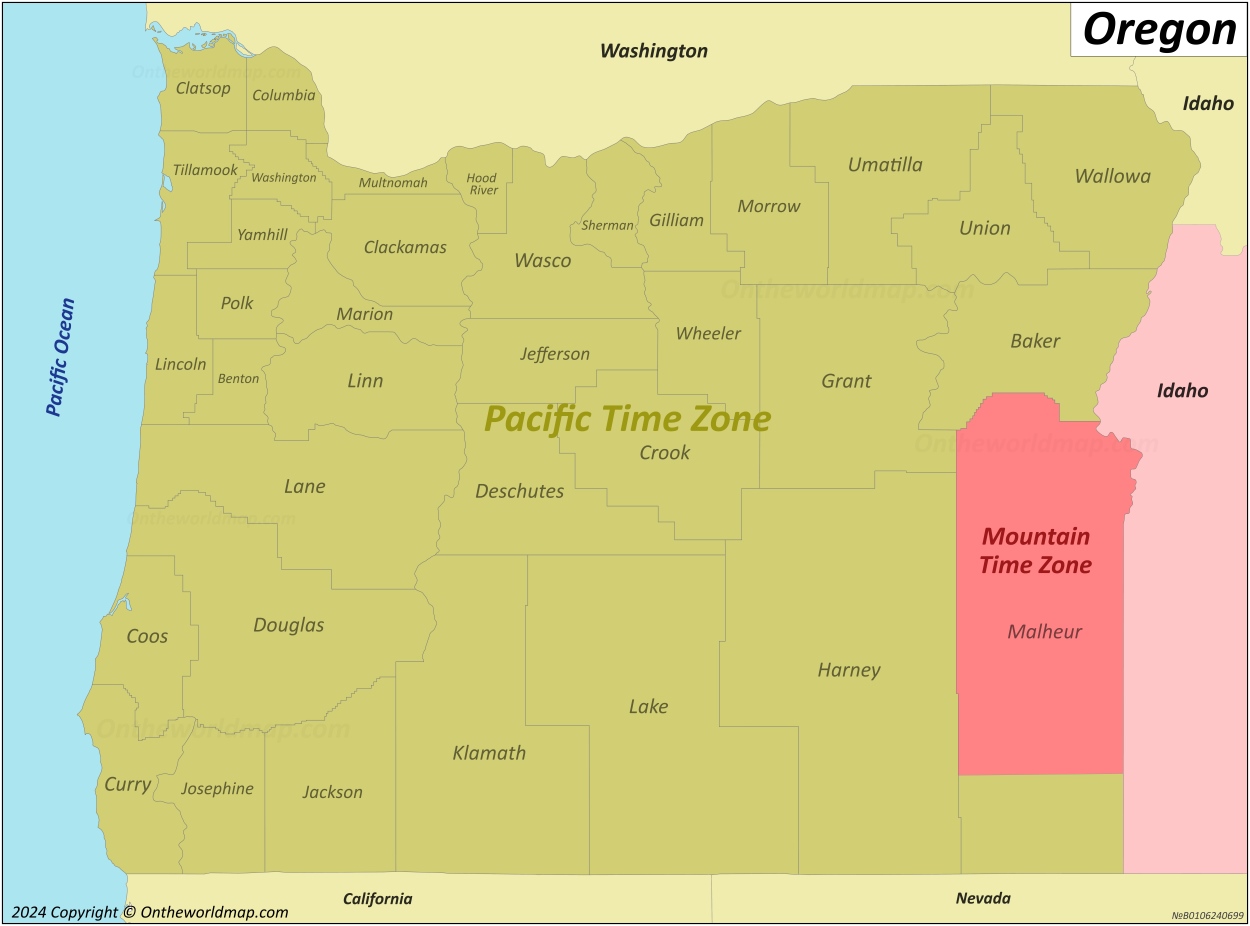
At its core, understanding the time in Oregon boils down to two key acronyms: PST and PDT. The state predominantly lies within the Pacific Time Zone, making it a consistent eight hours behind Coordinated Universal Time (UTC) during Standard Time and seven hours behind UTC during Daylight Saving Time. This annual shift is a critical consideration for travelers and residents alike, dictating everything from international call schedules to the optimal time to visit local attractions.
The Basics: Pacific Standard Time (PST) and Pacific Daylight Time (PDT)
During the colder months, roughly from early November to mid-March, Oregon observes Pacific Standard Time (PST). This means the time is UTC-8. As spring approaches, typically on the second Sunday in March, clocks “spring forward” one hour to Pacific Daylight Time (PDT), making the offset UTC-7. This period of Daylight Saving Time lasts until the first Sunday in November, when clocks “fall back” to PST. This adjustment is designed to make better use of daylight, providing longer evenings during the warmer months, which is particularly beneficial for tourism and outdoor activities across Oregon’s diverse landscapes.
While the vast majority of Oregon adheres to the Pacific Time Zone, there’s a small, very specific exception: a portion of Malheur County in the southeastern part of the state actually observes Mountain Time due to its proximity to Idaho. However, for most travelers heading to popular destinations like Portland, Bend, the Oregon Coast, or national parks, the Pacific Time Zone is the only one you’ll need to consider.

Why Knowing the Time Zone is Crucial for Travelers
For visitors, understanding the Pacific Time Zone and its annual shift is far from trivial. It directly impacts the entire travel experience, from the moment you book your flight to your final hotel check-out.
First and foremost, flight schedules and transportation operate strictly on local time. Arriving from the East Coast of the United States means a three-hour time difference, which can translate into significant jet lag upon arrival in Portland or Eugene. International travelers, particularly those from Europe or Asia, face even greater adjustments, potentially affecting their initial days of exploration.
Moreover, hotel check-in and check-out times are rigid. A 3 PM check-in in Portland could feel like 6 PM to someone arriving from New York. Similarly, early morning departures might require waking up at what feels like the middle of the night to an unadjusted body clock. This is where pre-planning with your accommodation, perhaps requesting an early check-in or late check-out, becomes invaluable. Hotels and resorts, from boutique stays in Ashland to luxurious suites at the Hyatt Regency Portland, are accustomed to these requests and often accommodate them based on availability, ensuring a smoother transition for weary travelers. Even for booking apartments or villas for long-term stays, confirming the local time for key handovers or property tours is essential.
Finally, planning activities, tours, and restaurant reservations also hinges on precise time zone knowledge. Missing a timed entry slot for the Portland Japanese Garden or a whale-watching tour off the Oregon Coast simply because of a time zone miscalculation can be disappointing. Being mindful of Oregon’s current time and how it relates to your origin time ensures you maximize every moment of your travel experience, whether it’s a packed itinerary or a relaxed, slow-travel adventure.
Navigating Travel and Tourism Across Time Zones in Oregon
The impact of Oregon’s time zone extends beyond mere clock-watching; it’s a fundamental element in crafting a seamless and enjoyable travel and tourism experience. From the practicalities of transportation to immersing yourself in local culture and cuisine, time plays a pivotal role. Thoughtful consideration of the time difference can elevate your trip from good to unforgettable.
Planning Your Itinerary: From Arrivals to Attractions
Effective itinerary planning in Oregon starts the moment you consider your arrival. For those flying into Portland International Airport (PDX), adjusting to Pacific Time immediately upon boarding can help mitigate jet lag. Booking flights that arrive in the late afternoon or early evening local time allows you to settle into your accommodation, have a light dinner, and get a full night’s sleep, easing the transition.
Accommodation Check-ins: Hotels, whether it’s a bustling downtown property like The Nines, a Luxury Collection Hotel, Portland or a serene resort nestled in the Willamette Valley wine country, typically have standard check-in times around 3 PM or 4 PM PDT/PST. If your flight lands early in the morning, consider contacting your hotel in advance to inquire about early check-in availability or luggage storage options. Many upscale establishments offer 24-hour reception and concierge services that can help bridge this gap, allowing you to begin exploring without the burden of your bags. For longer stays in apartments or villas, ensure your arrival aligns with the property manager’s availability, especially if they operate on a more limited schedule.
Landmarks & Attractions: Oregon is home to an incredible array of landmarks and natural wonders, each with specific operating hours. Missing the window to explore the magnificent Multnomah Falls in the Columbia River Gorge or the captivating exhibits at OMSI (Oregon Museum of Science and Industry) due to a time miscalculation would be a shame. Many popular sites, such as the Oregon Zoo or the historic Pittock Mansion, adjust their hours seasonally, often extending them during PDT to capitalize on longer daylight. Crater Lake National Park, for example, has seasonal road closures, and even when open, visitor center hours will follow local Oregon time. Always double-check official websites for the most up-to-date information, especially if your visit spans a Daylight Saving Time change. Planning visits to iconic natural sites like Mount Hood or Cannon Beach also requires time awareness, particularly for sunrise or sunset photography, which are precisely dictated by the local time and season.
Embracing Local Culture and Cuisine
Oregon’s vibrant local culture and acclaimed culinary scene are best enjoyed when you’re in sync with the rhythm of the state. From farm-to-table restaurants in Portland to craft breweries in Bend and theatrical performances in Ashland, local timing is key.
Tourism & Lifestyle: Dining experiences are a cornerstone of any travel adventure. Most restaurants in Oregon’s cities, like Salem or Eugene, typically open for lunch around 11:30 AM or noon and for dinner starting at 5 PM or 5:30 PM local time. Happy hour specials, a popular way to sample local fare and beverages on a budget, often run from 3 PM to 6 PM. If you’re arriving from a different time zone, it’s easy to miss these windows or find yourself ravenously hungry when everything is closed. Adjusting your meal schedule gradually before and during your trip can help. Consider late-night snacks at your hotel or exploring establishments known for extended hours initially.
Festivals and events, which highlight Oregon’s unique local culture, are strictly time-bound. Whether it’s a music festival in Portland, a Shakespeare festival in Ashland, or a wine tasting event in the Willamette Valley, all activities have precise start and end times. Double-check event schedules against Oregon’s current time to ensure you don’t miss out. This consideration is particularly vital for luxury travelers seeking exclusive experiences or family trips aiming to pack in diverse activities. Even budget travelers benefit from this meticulous planning, as missing a scheduled free event means missing an opportunity.
Embracing the local lifestyle often means rising early to catch a breathtaking sunrise over Mount Hood or staying out late to enjoy Portland’s vibrant nightlife. Being attuned to the local time allows for these spontaneous joys while still adhering to your broader travel plans, ensuring a rich and authentic Oregon experience.
Optimizing Your Oregon Experience: Practical Tips for Time Management
Mastering the clock in Oregon involves more than just knowing whether it’s PST or PDT; it’s about integrating this knowledge into practical strategies that enhance every facet of your trip. From mitigating the effects of jet lag to leveraging technology, strategic time management can transform a good visit into an extraordinary one.
Beating Jet Lag and Maximizing Your Stay
Jet lag can be a significant hurdle, especially for travelers crossing multiple time zones to reach Oregon. However, with a few proactive measures, you can minimize its impact and make the most of your valuable time.
Firstly, begin adjusting your sleep schedule a few days before departure. If you’re heading west to Oregon, try to stay awake a bit later each night. Once you arrive, immediately adopt the local time, even if it feels unnatural. Expose yourself to natural sunlight, particularly in the morning, as this helps reset your body’s internal clock. Staying hydrated and avoiding excessive caffeine or alcohol, especially on your travel day, can also help. Many hotels and resorts, particularly those catering to luxury travelers, offer amenities like blackout curtains, soundproofing, and even spa treatments designed to aid relaxation and sleep, proving invaluable for travelers adjusting to a new time zone.
When planning your activities, schedule demanding tasks or long excursions for days when you feel more adjusted. Allow for some downtime on your arrival day, perhaps a leisurely stroll through a park in Portland or a relaxing evening at your accommodation. For family trips, recognizing that children may take longer to adjust is crucial; building in flexibility and rest periods can prevent meltdowns and ensure everyone enjoys the experience. Business travelers, often on tight schedules, might consider booking flights that allow for a full night’s sleep before their first meeting, ensuring they’re sharp and ready for any cross-time zone calls or presentations.
Technology and Tools for Seamless Time Zone Transitions
In our increasingly digital world, technology offers a wealth of tools to simplify time zone management. Your smartphone is your best ally. Most modern smartphones automatically update to the local time zone when you arrive, but it’s wise to double-check. Using the world clock feature to track your home time alongside Oregon’s time can be incredibly helpful for communicating with family or managing remote work.
Numerous apps are designed specifically for travelers. Time zone converters can quickly translate schedules, while jet lag apps offer personalized advice on when to seek or avoid light, eat, and sleep based on your travel itinerary. Digital calendars with time zone support can automatically adjust event times, ensuring you never miss a booking for a local attraction, a restaurant reservation in Bend, or a tour of the Willamette Valley vineyards. When booking accommodation or flights online, always confirm that the times displayed are for the correct local time zone of your destination, as sometimes defaults can vary. This careful approach to digital tools can be a game-changer for all travel styles, from budget-conscious explorers to those enjoying luxury travel experiences.
Special Considerations: Business Trips and Long-Term Stays
For those embarking on business trips or planning long-term stays in Oregon, time zone management takes on additional layers of importance.
Business Stays: Managing conference calls, virtual meetings, and client communications across multiple time zones is a daily reality for many business travelers. Knowing the precise time in Oregon relative to your colleagues or clients is essential to avoid scheduling conflicts and ensure productive interactions. Many modern business hotels, offering amenities like high-speed internet and dedicated workspaces, are designed to support professionals in managing these demands. When selecting accommodation, consider properties that offer 24-hour business centers or in-room facilities that cater to remote work, allowing you to seamlessly integrate your professional life with your travel.
Long-Term Stays: If you’re considering a long-term rental or a furnished apartment in Oregon, perhaps for a sabbatical or an extended work assignment, fully immersing yourself in the local time becomes critical. This includes everything from routine tasks like grocery shopping and scheduling appointments to understanding local public transport schedules. For those working remotely, establishing a routine that aligns with Oregon’s PST/PDT is key to maintaining productivity and separating work from leisure. Understanding how Daylight Saving Time changes affect your daily routine and energy levels over several months can help you plan your long-term activities, whether it’s exploring local trails or visiting farmers’ markets.
Ultimately, whether your visit to Oregon is a brief vacation or an extended sojourn, a conscious awareness of its time zone and its implications on travel, accommodation, tourism, and lifestyle choices will significantly enrich your experience, allowing you to fully embrace the wonders of the Pacific Northwest on your own terms.
LifeOutOfTheBox is a participant in the Amazon Services LLC Associates Program, an affiliate advertising program designed to provide a means for sites to earn advertising fees by advertising and linking to Amazon.com. Amazon, the Amazon logo, AmazonSupply, and the AmazonSupply logo are trademarks of Amazon.com, Inc. or its affiliates. As an Amazon Associate we earn affiliate commissions from qualifying purchases.