
The question “Can Puerto Rico vote?” delves into one of the most intriguing and often misunderstood aspects of this vibrant Caribbean island. More than a simple yes or no, the answer illuminates Puerto Rico’s complex relationship with the United States and profoundly influences everything from its governance and economy to its unique culture, travel appeal, and everyday lifestyle. For anyone planning a visit, considering a long-term stay, or simply curious about this captivating destination, understanding its political status is key to appreciating its distinct identity and enduring charm.
Unpacking Puerto Rico’s Unique Political Status
At the heart of the “Can Puerto Rico vote?” query lies its status as an unincorporated territory of the United States. This designation sets it apart from both sovereign nations and U.S. states, creating a distinct political reality that has shaped the island for over a century.
A Commonwealth of the United States: What It Means
Since 1952, Puerto Rico has been a self-governing commonwealth in association with the United States. This means that while Puerto Ricans are natural-born U.S. citizens, they reside in a territory that is subject to the plenary powers of the U.S. Congress. The island has its own constitution, elected governor, and legislative assembly, granting it significant autonomy in local affairs. However, federal laws often apply, and ultimate sovereignty rests with the U.S. Congress.
This arrangement means that while Puerto Rico benefits from certain federal programs and protections, it lacks full representation and voting power at the federal level. It’s a relationship often described as “the best of both worlds” by some, offering a unique blend of self-determination and federal support, while others view it as a colonial vestige that denies the island its full democratic rights. This nuanced status deeply affects the island’s economic development, its legal framework, and the daily lives of its residents.

Voting Rights and Representation: The Nuances for Puerto Rican Citizens
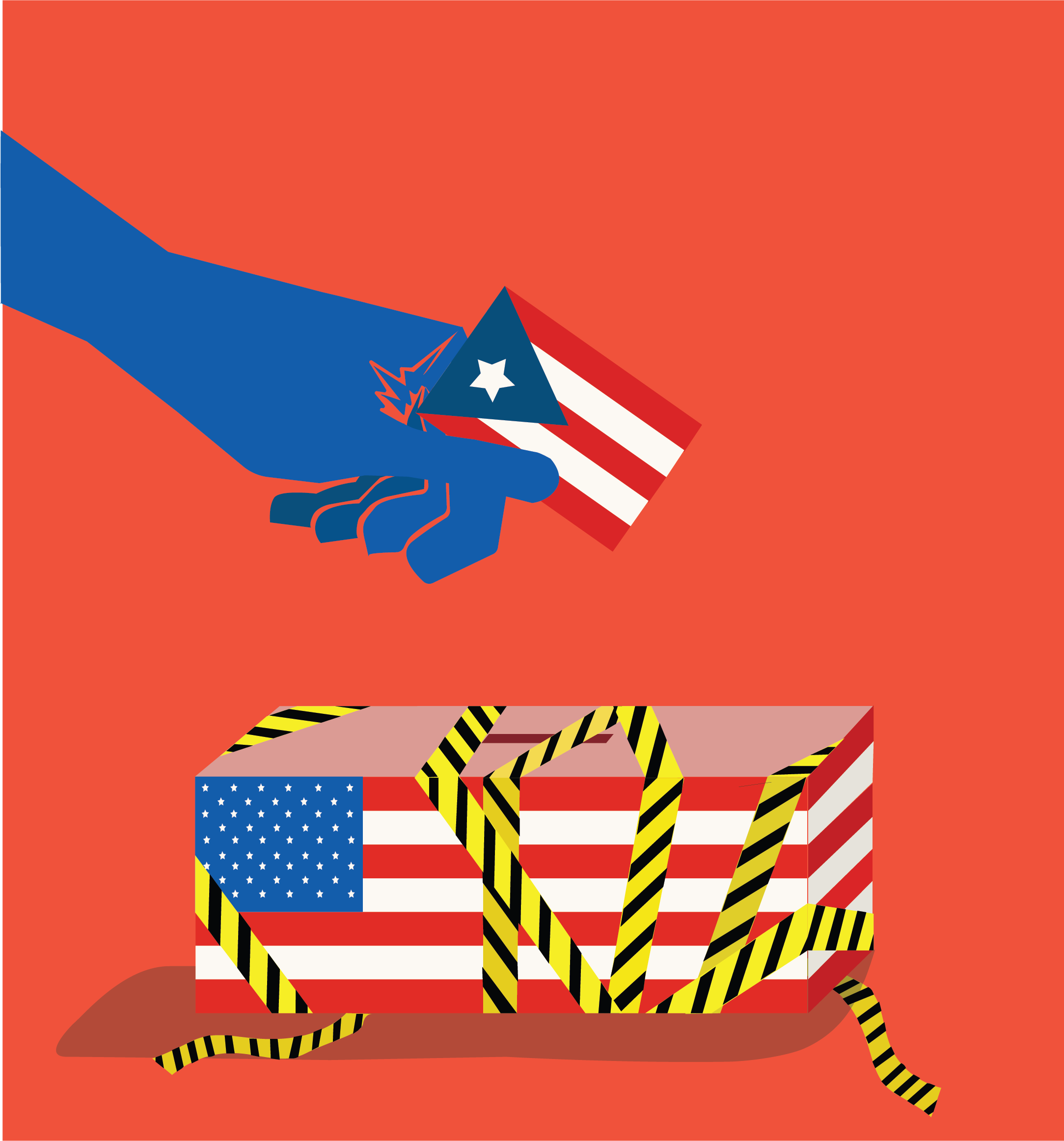
The answer to “Can Puerto Rico vote?” is multi-layered. Yes, Puerto Rican citizens can vote in many elections, but not all:
- Presidential Elections: Residents of Puerto Rico cannot vote in the general election for the U.S. President and Vice President while residing on the island. This is because the U.S. Constitution grants presidential electoral votes to states, not territories. However, if a Puerto Rican citizen moves to one of the 50 U.S. states, they gain the right to vote in federal elections, just like any other state resident. This phenomenon leads to significant Puerto Rican voting blocs in states like Florida and New York.
- Presidential Primaries: Puerto Ricans can participate in presidential primary elections and caucuses. These contests help select the delegates who, in turn, choose the nominees for the major political parties. This grants the island a voice, albeit indirect, in the presidential selection process.
- Congressional Representation: Puerto Rico elects a Resident Commissioner to the U.S. Congress. This official can speak in the House of Representatives, serve on committees, and introduce legislation, but cannot vote on final legislation on the House floor. This non-voting status highlights the island’s unique position within the federal system.
- Local Elections: Crucially, Puerto Rican citizens can and do vote in all local elections, choosing their governor, mayors, and members of the local legislative assembly. These elections are vital for determining the island’s internal policies, budget allocation, and public services.
The Enduring Debate: Statehood, Independence, or Enhanced Commonwealth?
The political status of Puerto Rico has been a subject of continuous debate, both on the island and in Washington D.C.. Various plebiscites have been held, with varying degrees of clarity and federal recognition, reflecting the diverse aspirations of the Puerto Rican people. The main options consistently discussed are:
- Statehood: Becoming the 51st state of the United States. This would grant full voting representation in Congress and the right to vote in presidential elections, along with greater federal funding and integration into the U.S. system. Proponents argue it would bring economic stability and equal rights.
- Independence: Becoming a fully sovereign nation, separate from the United States. This would allow Puerto Rico to forge its own international relations and economic policies, but would sever ties to U.S. citizenship and federal support.
- Enhanced Commonwealth: A modified version of the current status, seeking greater autonomy and a clearer definition of the relationship with the United States, potentially addressing some of the current limitations while maintaining U.S. citizenship.
This ongoing political discourse is a fundamental part of the island’s identity and is often a topic of discussion among locals, reflecting their deep engagement with their future.
The Tangible Impact on Travel and Tourism in Puerto Rico
Beyond political theory, Puerto Rico’s status as a U.S. territory has very real, tangible effects on its travel industry, making it a uniquely accessible and appealing destination for many.
Seamless Entry and Familiar Amenities for U.S. Travelers
For U.S. citizens, one of the most significant advantages of Puerto Rico’s status is the ease of travel. There is no passport required for entry from the mainland United States, making it feel like a domestic trip to an exotic locale. This simplicity removes a common barrier to international travel, attracting a steady stream of tourists from across the nation.
Upon arrival, visitors find familiar amenities that enhance their comfort. The official currency is the U.S. dollar, eliminating the need for currency exchange. Major credit cards are widely accepted, and ATMs are readily available. English is widely spoken, especially in tourist areas like San Juan and within the hospitality sector, although Spanish remains the dominant language and is key to fully immersing oneself in the local culture. The presence of U.S. postal services, cellular networks, and legal protections also adds layers of convenience and security, making Puerto Rico a surprisingly comfortable “foreign” adventure.
Shaping the Accommodation Landscape: From Luxury Resorts to Boutique Stays
The island’s status also plays a role in the development and diversity of its accommodation options. With federal protections and a stable legal framework, major international hotel chains have confidently invested in Puerto Rico, creating a robust luxury travel market. Resorts like the exclusive Dorado Beach, a Ritz-Carlton Reserve, The St. Regis Bahia Beach Resort, and the historic Condado Vanderbilt Hotel offer world-class amenities, stunning beachfront access, and unparalleled service, catering to discerning travelers seeking lavish experiences.
Beyond the high-end, the island also boasts a thriving ecosystem of boutique hotels, charming guesthouses, and vacation rentals, particularly in areas like Old San Juan, Vieques, and Rincón. These options often highlight local culture, offer personalized experiences, and cater to travelers looking for a more authentic or budget-friendly stay. The blend of established chains and independent accommodations ensures that every type of traveler can find their ideal home away from home, whether it’s a long-term apartment rental for an extended digital nomad stay or a resort suite for a family vacation.
Economic Implications for Infrastructure and Attraction Development
The economic ties to the United States, while complex, have a direct bearing on Puerto Rico’s infrastructure and its ability to develop and maintain tourist attractions. Federal aid, particularly in the wake of natural disasters like hurricanes, has been crucial for rebuilding and modernizing infrastructure, including roads, airports, and utilities. This support, combined with local investment, helps ensure that essential services for tourists are reliable.
However, the debate over its political status, coupled with economic challenges, can also impact long-term planning and investment confidence. Policy changes in Washington D.C. can have significant ripple effects on the island’s economy, which in turn affects budgets for maintaining historical sites, improving public beaches like Luquillo Beach, or expanding ecotourism initiatives in places like El Yunque National Forest. Despite these complexities, Puerto Rico has shown remarkable resilience and continues to attract developers and entrepreneurs keen to capitalize on its natural beauty and cultural richness, demonstrating its enduring appeal as a tourism destination.

Lifestyle and Culture: A Blend Forged by Political Identity
The political status of Puerto Rico is not just a matter of law; it’s woven into the very fabric of its lifestyle and cultural identity, creating a vibrant synthesis of American influence and deep-rooted Spanish and indigenous heritage.
Embracing the Boricua Identity Amidst American Ties
Life in Puerto Rico is a captivating blend of influences. While Puerto Ricans are U.S. citizens, they fiercely maintain their distinct “Boricua” identity, a term derived from the island’s indigenous Taíno name, Borikén. This identity is expressed through language (Spanish is primary), music (salsa, reggaeton), dance, and a vibrant artistic scene. The cultural calendar is packed with festivals, parades, and celebrations that often reflect a proud Spanish Catholic heritage, yet simultaneously, the presence of American consumer brands, media, and educational systems is undeniable.
This duality means that residents often navigate both worlds: they celebrate U.S. holidays like Thanksgiving alongside traditional Puerto Rican festivities such as Three Kings Day. English is taught in schools, and many young professionals are bilingual, facilitating cultural and economic exchange with the mainland. This unique cultural amalgam creates an enriching experience for visitors, who can immerse themselves in a distinctly Latin Caribbean culture while benefiting from certain familiarities that come with the U.S. connection.
Daily Life: Opportunities and Challenges for Residents
The political status also shapes the daily realities and economic opportunities for Puerto Rican residents. While U.S. citizenship allows for unrestricted migration to the mainland, providing avenues for economic advancement or escaping hardship, it also contributes to brain drain when skilled professionals seek better opportunities in states like Florida or New York City.
The island’s economy, though bolstered by tourism, has faced significant challenges, including a substantial public debt. Federal programs provide a safety net, but local governance struggles with balancing budgets and delivering consistent public services. The cost of living can be high, influenced by imported goods from the mainland, yet wages often do not match U.S. state averages. Understanding these socio-economic layers enriches a visitor’s perspective, allowing them to appreciate the resilience and creativity of the local population who navigate this complex environment daily. For those considering long-term stays or even relocation, these factors are crucial in evaluating lifestyle quality and potential opportunities.
The Culinary Scene: A Flavorful Reflection of Heritage and Influence
Puerto Rico’s culinary scene is a perfect metaphor for its blended identity. “Cocina Criolla” is the island’s distinctive fusion cuisine, heavily influenced by Spanish, African, and Taíno traditions. Staples like mofongo (fried plantains mashed with garlic and pork cracklings), lechón (roast pork), and arroz con gandules (rice with pigeon peas) are deeply embedded in the cultural fabric. The use of local ingredients, from fresh seafood to tropical fruits, defines its vibrant flavors.
Yet, alongside these traditional offerings, American fast-food chains and contemporary international restaurants are prevalent, particularly in urban centers like San Juan. The coffee culture, rooted in centuries of cultivation, is strong, with local cafes serving up robust blends. The island is also home to Casa Bacardí, one of the world’s largest rum distilleries, offering tours and tastings that showcase a significant part of Puerto Rico heritage and economy. The food scene caters to all tastes and budgets, from high-end dining experiences in luxury hotels to bustling street food markets, making gastronomic exploration a key part of the travel experience.
Exploring Puerto Rico’s Iconic Landmarks and Natural Wonders
The landscape of Puerto Rico is dotted with landmarks and natural attractions that tell the story of its deep history and reflect its unique blend of cultural and political forces, offering a diverse array of experiences for every type of traveler.
Historic Fortifications: Echoes of a Colonial and Modern Past
The historical landmarks of Puerto Rico, particularly in Old San Juan, are powerful testaments to its strategic importance and complex past. The iconic Castillo San Felipe del Morro, simply known as El Morro, is a magnificent 16th-century fortress that once guarded the entrance to San Juan Bay. Its massive walls and intricate design reflect centuries of Spanish colonial power and military engineering, enduring attacks from various European forces and even the U.S. Navy during the Spanish-American War.
Nearby, La Fortaleza, originally built as a fortress in the 16th century, now serves as the official residence of Puerto Rico’s governor. This UNESCO World Heritage Site embodies the island’s continuous governance, from Spanish rule through its commonwealth status. Exploring these landmarks offers not just architectural marvels but also a tangible connection to the political shifts and struggles that have defined Puerto Rico for hundreds of years. The beautifully preserved cobblestone streets, colorful colonial buildings, and charming plazas of Old San Juan create an immersive historical experience that is both distinctly Caribbean and profoundly connected to its larger political narrative.
Natural Sanctuaries: Biodiversity and the Call of the Wild
Beyond its historical cities, Puerto Rico is a treasure trove of natural wonders. El Yunque National Forest, the only tropical rainforest in the U.S. National Forest System, is a verdant paradise teeming with biodiversity. Its lush trails lead to spectacular waterfalls, ancient petroglyphs, and panoramic views, offering an unparalleled ecotourism experience. The forest’s status as a national forest under the U.S. Department of Agriculture highlights another facet of Puerto Rico’s relationship with the mainland, ensuring its protection and accessibility.
The island is also renowned for its bioluminescent bays, particularly Mosquito Bay on Vieques, which is considered one of the brightest in the world. Kayaking through these glowing waters at night is an ethereal experience, showcasing the unique ecological richness of the Caribbean. Other natural attractions include the pristine beaches of Culebra and Luquillo Beach, the karst topography of the central region, and the diverse marine life found around smaller islands like Palomino Island off Fajardo. These natural sanctuaries provide a stark contrast to the political debates, reminding visitors of the island’s timeless beauty and its vital role as an ecological hotspot.
Beyond San Juan: Discovering Diverse Regions and Their Charms
While San Juan is the bustling capital and primary entry point, Puerto Rico’s other regions offer distinct charms and experiences. Ponce, on the southern coast, is known as the “Pearl of the South” with its neoclassical architecture, vibrant cultural institutions, and unique plazas. The city’s history as a major port and agricultural center reflects a different aspect of the island’s economic development and identity. Nearby, the uninhabited Caja de Muertos Island offers pristine beaches and hiking.
On the west coast, Rincón is a renowned surfing haven, attracting international visitors with its impressive waves and laid-back vibe. Towns like Aguadilla and Mayagüez also offer their own blend of local culture, historical sites, and access to beautiful beaches. The central mountainous region, particularly around Rio Grande, is characterized by coffee plantations and stunning vistas, perfect for rural tourism and adventure travel. Exploring these diverse regions allows travelers to appreciate the full spectrum of Puerto Rican life, far removed from the political discussions of San Juan, yet still influenced by the island’s overarching relationship with the United States.
Conclusion: Puerto Rico – A Destination Defined by More Than Its Ballot Box
So, can Puerto Rico vote? The answer is both yes and no, revealing a political landscape as intricate and vibrant as the island itself. While residents cannot vote in presidential elections while on the island, their U.S. citizenship, combined with a fierce sense of local identity, creates a unique cultural and travel experience. This complex status directly impacts everything from seamless travel for U.S. citizens and the development of luxury resorts to the daily lifestyle of its people and the preservation of its historical landmarks.
For travelers, Puerto Rico offers an unparalleled blend: the exotic appeal of a Caribbean paradise with the comfort and familiarity of a U.S. territory. It’s a destination where ancient Spanish forts stand proud against the backdrop of modern hotels, where the rhythms of salsa blend with American pop, and where the debate over its future is as much a part of its character as its pristine beaches and lush rainforests. Ultimately, to visit Puerto Rico is to immerse oneself in a rich tapestry of history, culture, and enduring resilience, understanding that its beauty and spirit transcend any single political definition. It is a destination that invites exploration, promising unforgettable experiences whether you’re interested in historical tourism, adventurous excursions, luxurious accommodations, or simply a deep dive into an extraordinary way of life.
LifeOutOfTheBox is a participant in the Amazon Services LLC Associates Program, an affiliate advertising program designed to provide a means for sites to earn advertising fees by advertising and linking to Amazon.com. Amazon, the Amazon logo, AmazonSupply, and the AmazonSupply logo are trademarks of Amazon.com, Inc. or its affiliates. As an Amazon Associate we earn affiliate commissions from qualifying purchases.