
For many travelers, the thought of an international trip conjures images of passport applications, immigration queues, and the meticulous planning required to cross borders. However, when considering a journey to the sun-drenched shores of Puerto Rico, the answer to whether you need a passport largely depends on where you call home. For U.S. citizens, the process is refreshingly simple: no passport is required to fly to Puerto Rico. This unique travel advantage makes the island a remarkably accessible and appealing destination for those residing in the United States, offering an exotic escape without the typical international travel complexities.
Puerto Rico is a territory of the United States, a significant detail that simplifies travel logistics considerably. Just as you wouldn’t need a passport to fly from New York to California, U.S. citizens can travel between the mainland United States and Puerto Rico using only a valid government-issued photo identification. This could be a driver’s license, a state-issued ID card, or a permanent resident card. The simplicity of this requirement opens the door to a world of vibrant culture, breathtaking landscapes, and unforgettable experiences, all within the comfort of domestic travel regulations. For anyone outside the United States and its territories, however, the standard international travel rules apply, meaning a valid passport and potentially a visa will be necessary. This article will delve into the nuances of travel requirements, practical planning tips, and the myriad of attractions that make Puerto Rico an unparalleled travel destination for every type of explorer.
Understanding Puerto Rico’s Unique Status
The question of passport requirements for Puerto Rico is rooted in its unique political status as an unincorporated territory of the United States. This relationship has profound implications for travel, currency, language, and legal frameworks, shaping the experience for both domestic and international visitors.
A U.S. Territory Like No Other
Being a U.S. territory means that Puerto Rico operates under the jurisdiction of the United States federal government, sharing many of the same laws, currency, and postal system. For U.S. citizens and permanent residents, this translates to seamless travel, akin to flying between any two states. There are no customs or immigration checks between the mainland and Puerto Rico, meaning travelers can move freely without the need for a passport stamp or a visa.
Instead, when flying to Puerto Rico from the mainland United States, U.S. citizens are only required to present a valid form of government-issued photo identification at the airport security checkpoint, much like any domestic flight. Acceptable forms of ID include a driver’s license, a state-issued identification card, or a permanent resident card. It’s important to note that the Department of Homeland Security’s REAL ID Act has set new standards for state-issued IDs, and travelers should ensure their identification is compliant to avoid any issues at airport security. This domestic convenience is a significant draw, making Puerto Rico an incredibly accessible “foreign” getaway for millions.
Beyond identification, other aspects of the island’s status enhance the travel experience. The official currency is the U.S. Dollar, eliminating the need for currency exchange. While Spanish is the official language, English is widely spoken, especially in tourist areas and major cities like San Juan, ensuring ease of communication. The legal system largely mirrors that of the United States, offering a familiar framework for visitors. This combination of ease of access and familiarity, coupled with a distinctly vibrant Caribbean culture, makes Puerto Rico a truly unique destination within the U.S. travel landscape. Other U.S. territories that share this no-passport requirement for U.S. citizens include the U.S. Virgin Islands, Guam, American Samoa, and the Northern Mariana Islands.
Travel Requirements for Non-U.S. Citizens
While U.S. citizens enjoy the privilege of passport-free travel to Puerto Rico, the rules are different for international visitors. For non-U.S. citizens, the travel requirements to enter Puerto Rico are identical to those for entering the mainland United States. This means that a valid passport is absolutely necessary, and depending on your country of origin, a U.S. visa may also be required.
Travelers from countries participating in the Visa Waiver Program (VWP) can typically travel to Puerto Rico for tourism or business for stays of 90 days or less without obtaining a visa. However, they must obtain an approved authorization through the Electronic System for Travel Authorization (ESTA) prior to their departure. For citizens of countries not included in the VWP, securing a valid U.S. visa (such as a B-2 tourist visa) from a U.S. embassy or consulate in their home country is a prerequisite for entry. It is crucial for international travelers to meticulously check the specific entry requirements based on their nationality well in advance of their planned trip to ensure a smooth and compliant journey to Puerto Rico.
Planning Your Trip: Beyond the Passport Question
Once the passport question is settled, especially for U.S. citizens, the exciting part of planning your Puerto Rico adventure begins. The island offers a diverse range of experiences, from bustling city life to serene natural wonders, all supported by a robust travel infrastructure.
Getting There: Flights and Airports
The primary gateway to Puerto Rico is Luis Muñoz Marín International Airport (SJU), located in Carolina, just a short drive from the capital city of San Juan. SJU is a major hub, offering direct flights from numerous cities across the United States, Canada, Latin America, and some European destinations. Major airlines like American Airlines, Delta, United, Southwest, and JetBlue frequently fly to SJU, making it highly accessible.
For travelers looking to explore specific regions, smaller airports like Rafael Hernández Airport (BQN) in Aguadilla on the west coast, or Mercedita Airport (PSE) in Ponce on the south coast, serve a more limited number of domestic flights, often from cities like Orlando and Fort Lauderdale. When booking flights, consider using flight comparison websites to find the best deals, and be flexible with your travel dates if possible, as prices can vary significantly depending on the season and day of the week. Booking in advance, especially for peak travel times, is always advisable.

Where to Stay: Accommodation Options
Puerto Rico boasts a comprehensive range of accommodation options to suit every budget and lifestyle, from opulent luxury resorts to charming boutique hotels and budget-friendly apartments. The choice of where to stay often dictates the type of experience you’ll have, from vibrant nightlife to tranquil seclusion.
San Juan Area: The capital city is home to the widest selection of hotels and resorts. In Old San Juan, you’ll find historic boutique hotels nestled amidst colorful colonial architecture, offering a glimpse into the island’s rich past. The modern districts of Condado and Isla Verde are characterized by their high-rise resorts, stunning beaches, and lively atmosphere. Here, you can find renowned properties like the El San Juan Hotel, Curio Collection by Hilton, known for its opulent design and vibrant nightlife, or the historic Caribe Hilton, famous for being the birthplace of the Piña Colada. These areas are perfect for travelers seeking convenience, dining, and beach access.
East Coast: For those looking for upscale tranquility and world-class amenities, areas like Fajardo and Rio Grande on the east coast offer exclusive resorts such as the St. Regis Bahía Beach Resort, featuring golf courses, private beaches, and lush natural surroundings. This region is also a jumping-off point for exploring the El Yunque National Forest and the Bioluminescent Bays.
West Coast: The west coast, particularly around Rincón, is known for its laid-back surf culture and spectacular sunsets. Accommodation here ranges from charming guesthouses and surf lodges to private villas, appealing to adventurers and those seeking a more bohemian vibe.
Island Escapes: For an even more secluded experience, consider the smaller islands of Vieques and Culebra, accessible by ferry or short flight. These islands offer pristine beaches, including the world-famous Flamenco Beach on Culebra, and unique accommodation often in the form of vacation rentals or small, intimate hotels.
Whether you’re planning a luxury travel experience, a budget travel adventure, a family trip, or a business stay, Puerto Rico has options to match. Online booking platforms, reviews, and comparison sites are invaluable tools for finding the perfect place to rest your head.
Navigating the Island: Transportation
Getting around Puerto Rico is relatively straightforward, though having a plan is essential for maximizing your exploration.
Rental Cars: For flexibility and the freedom to explore the island at your own pace, renting a car is highly recommended. All major car rental agencies operate at SJU and other major airports. Be prepared for potentially narrow, winding roads in rural areas and assertive driving in urban centers. Remember to drive on the right side of the road, and road signs are in Spanish but often include international symbols.
Taxis and Ride-Sharing: In San Juan and other major tourist areas, taxis are readily available, especially at the airport and outside major hotels. Ride-sharing services like Uber and Lyft also operate in metropolitan areas, offering a convenient and often more affordable alternative.
Public Transportation: Public transportation is limited outside of San Juan. The capital city has a metropolitan bus system and a single train line, the Tren Urbano, which serves a few suburban areas. However, these are not typically extensive enough for general tourist exploration.
Ferries: To reach the idyllic islands of Vieques and Culebra, travelers can take a ferry from Ceiba on the east coast. It’s advisable to purchase tickets in advance, especially during peak season, as capacity can be limited. Small commuter flights are also available from SJU to these islands for a quicker, though more expensive, option.
Discovering Puerto Rico’s Charms
Puerto Rico is a treasure trove of cultural richness, historical significance, and natural beauty. From ancient forts to lush rainforests, the island offers a spectrum of experiences for every type of traveler.
Must-Visit Landmarks and Attractions
The island is dotted with iconic landmarks that tell stories of its past and showcase its natural splendor.
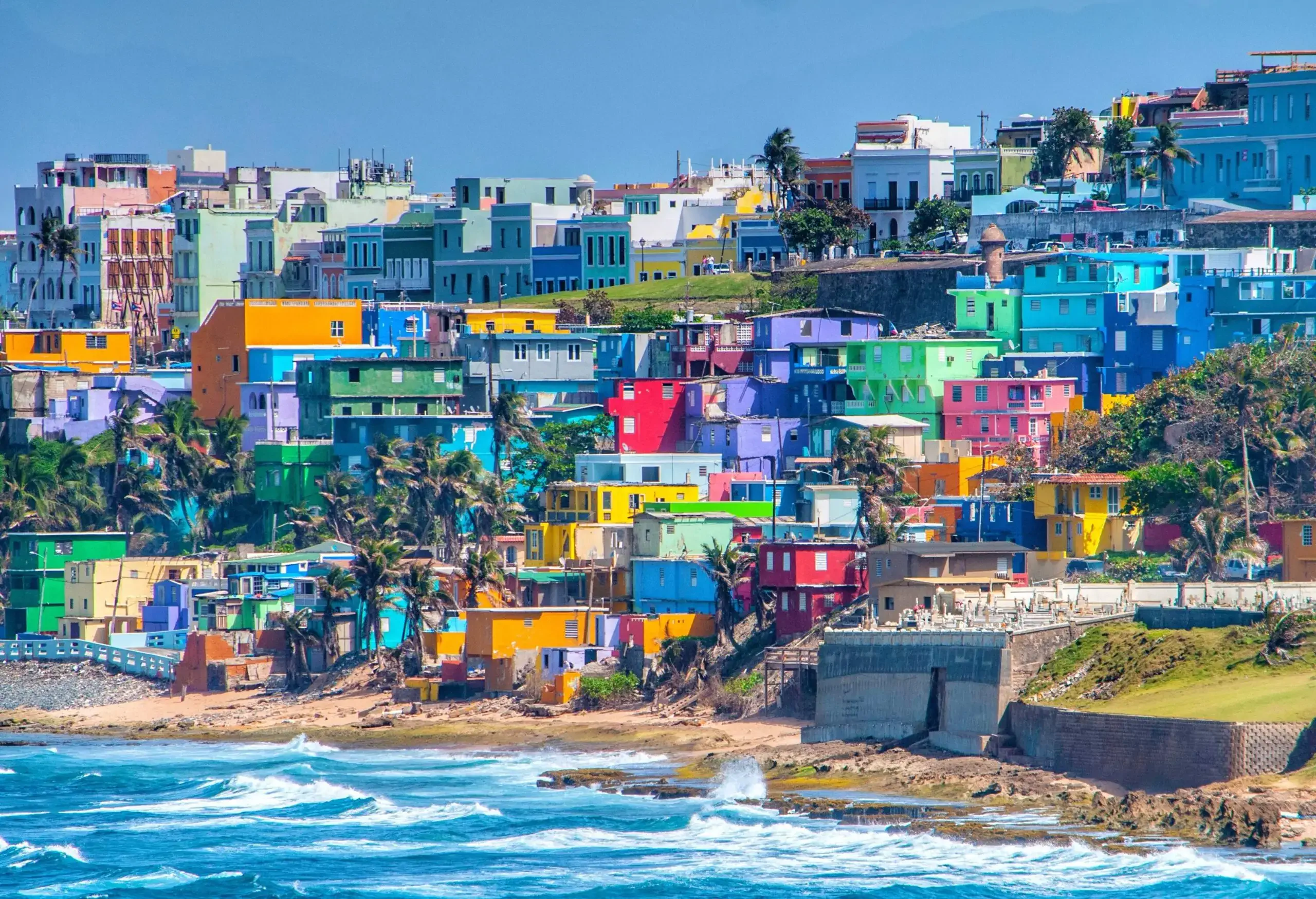
Old San Juan: A UNESCO World Heritage site, Old San Juan is a living museum. Its narrow, cobblestone streets, vibrant colonial buildings, and charming plazas invite endless exploration. Key attractions include El Morro (Castillo San Felipe del Morro), a massive 16th-century fortress guarding the entrance to San Juan Bay, and San Cristóbal (Castillo de San Cristóbal), the largest Spanish-built fortification in the New World. These forts offer incredible historical insight and panoramic ocean views. Don’t miss La Fortaleza, the official residence of the Governor of Puerto Rico, also a UNESCO site.
Natural Wonders: Puerto Rico is home to the only tropical rainforest in the U.S. National Forest System, El Yunque National Forest. Here, visitors can hike lush trails, discover stunning waterfalls like La Mina Falls, and marvel at diverse flora and fauna. The island is also famous for its Bioluminescent Bays, where microorganisms in the water glow when agitated. The brightest is Mosquito Bay on Vieques, followed by Laguna Grande in Fajardo and La Parguera in Lajas. Kayaking through these glowing waters is an ethereal experience.
Beaches: With miles of coastline, Puerto Rico boasts some of the world’s most beautiful beaches. Flamenco Beach on Culebra consistently ranks among the top beaches globally for its white sand and turquoise waters. Other popular options include Luquillo Beach with its calm waters, perfect for families, and the vibrant city beaches of Condado Beach and Isla Verde Beach, offering watersports and lively atmospheres.
Other Notable Sites: Explore the impressive Arecibo Observatory (though damaged, its visitor center offers insights), venture into the dramatic Cueva Ventana (Window Cave) for stunning cliffside views, or navigate the extensive underground river system at Rio Camuy Cave Park. Don’t forget a visit to Casa Bacardi, the Bacardi Distillery in Cataño, for a tour and tasting.
Immersing in Local Culture and Cuisine
Puerto Rico’s culture is a vibrant blend of Taíno, Spanish, and African influences, evident in its music, art, and, most deliciously, its cuisine.
Food: Puerto Rican cuisine is a highlight of any trip. Savor traditional dishes like Mofongo (fried plantains mashed with garlic and pork cracklings), Lechon (slow-roasted pork), and Empanadillas (savory turnovers). Fresh seafood, tropical fruits, and excellent local coffee are also abundant. Don’t leave without trying a Piña Colada, which was invented in Puerto Rico (with two bars, Barrachina Restaurant and Caribe Hilton, claiming its origin). Explore local markets and street food vendors for authentic flavors.
Music and Dance: The rhythmic beats of Salsa, Bomba y Plena are the heartbeat of Puerto Rico. Live music venues are common in San Juan, especially on weekend nights, where locals and visitors alike gather to dance and celebrate. Keep an eye out for local festivals and cultural events, which often feature traditional music and dance performances.
Art and Craft: The island has a thriving arts scene, from vibrant street art in Santurce to galleries in Old San Juan showcasing local talent. Artisan markets offer unique handmade crafts, including wood carvings, lace, and colorful papier-mâché masks (vejigantes).
Activities and Experiences for Every Traveler
Whether you seek adventure, relaxation, or cultural immersion, Puerto Rico delivers.
Adventure: Thrill-seekers can zipline through the rainforest canopy, go hiking in El Yunque, or try surfing on the west coast in Rincón, often called the “Surf Capital of the Caribbean.” Snorkeling and diving reveal vibrant coral reefs and marine life, especially around Vieques and Culebra or the pristine waters of Mona Island. Horseback riding along the beach or through coffee plantations also offers a unique perspective.
Relaxation: For those preferring a slower pace, idyllic beach days are a must. Many resorts offer luxurious spa treatments, while natural hot springs in Coamo provide a therapeutic escape. Simply wandering through the charming streets of Old San Juan, sipping a local coffee, can be a deeply relaxing experience.
Family-Friendly: Puerto Rico is excellent for family trips. Calm beaches like those in Luquillo are safe for children, and many resorts offer kids’ clubs and family-oriented activities. Exploring the forts (Fuerte San Felipe del Morro), visiting the El Yunque National Forest, or taking a Bioluminescent Bay tour are all memorable experiences for all ages.
Nightlife: San Juan comes alive at night, particularly in Condado and Isla Verde, which host numerous casinos, bars, and clubs. Old San Juan offers a more intimate setting with its vibrant cocktail bars and live music venues.
Essential Travel Tips for a Smooth Journey
A little preparation goes a long way in ensuring your Puerto Rico trip is as enjoyable and stress-free as possible.
Packing Essentials and Health Considerations
What to Pack: Pack light, breathable clothing suitable for a tropical climate. Swimsuits, sunglasses, hats, and plenty of sunscreen are indispensable. Comfortable walking shoes are a must for exploring cities and natural parks. Don’t forget insect repellent, especially if you plan evening excursions or visits to natural areas like El Yunque. A reusable water bottle is also a good idea to stay hydrated.
Health: Puerto Rico’s tap water is generally safe to drink, but bottled water is widely available. As with any travel, having travel insurance is always recommended for unforeseen circumstances. Be mindful of the tropical sun and take precautions to avoid sunburn and heatstroke.
Budgeting and Local Customs
Currency and Tipping: The official currency is the U.S. Dollar. Credit cards are widely accepted, but it’s always good to have some cash for smaller purchases or local vendors. Tipping etiquette is similar to the mainland United States: 15-20% for good service at restaurants, taxis, and for tour guides.
Language: While Spanish is the official language, English is widely understood and spoken, especially in tourist areas, hotels, and major attractions. Learning a few basic Spanish phrases, however, will be appreciated by locals and can enhance your experience.
Safety: Puerto Rico is generally safe for tourists, but like any destination, it’s wise to exercise common sense. Be aware of your surroundings, especially at night, and avoid displaying large sums of cash or expensive jewelry. Use reputable transportation services and avoid venturing into unfamiliar or isolated areas alone.
Best Time to Visit and Weather
Puerto Rico enjoys a tropical climate year-round, with average temperatures ranging from the mid-70s to mid-80s Fahrenheit (24-30°C).
Peak Season (December to May): This is the driest and coolest period, offering ideal weather for exploring. However, it’s also the busiest and most expensive time to visit, especially around holidays.
Off-Peak Season (June to November): This period corresponds with the wet season and hurricane season, which officially runs from June 1st to November 30th. While there’s a higher chance of rain and tropical storms, you can often find better deals on flights and accommodation, and the island is less crowded. Many days during this season are still sunny and beautiful, with rain often coming in short, intense bursts. Travelers during this time should monitor weather forecasts closely.
Ultimately, the “best” time to visit depends on your priorities: clear skies and bustling activity, or fewer crowds and potentially better value.
In conclusion, for U.S. citizens, the journey to Puerto Rico is a remarkably hassle-free experience, circumventing the need for a passport and streamlining international travel. This unique status, combined with the island’s captivating blend of rich history, vibrant culture, stunning natural beauty, and modern amenities, makes it an irresistible destination. From the historic fortifications of Old San Juan to the bioluminescent wonders of its bays and the lush trails of El Yunque National Forest, Puerto Rico promises an unforgettable adventure. Whether you’re seeking a luxurious resort stay, a budget-friendly cultural immersion, or an active family getaway, this Caribbean gem stands ready to welcome you with open arms and the warm embrace of its unique ‘sabor.’ So, pack your bags, grab your government-issued ID, and prepare to discover the magic of Puerto Rico – an extraordinary escape that feels a world away, yet is surprisingly close to home.
LifeOutOfTheBox is a participant in the Amazon Services LLC Associates Program, an affiliate advertising program designed to provide a means for sites to earn advertising fees by advertising and linking to Amazon.com. Amazon, the Amazon logo, AmazonSupply, and the AmazonSupply logo are trademarks of Amazon.com, Inc. or its affiliates. As an Amazon Associate we earn affiliate commissions from qualifying purchases.