
The question of whether Puerto Rico is part of the USA is a common one, stirring curiosity among travelers, history buffs, and those interested in geopolitical nuances. The simple answer is yes, Puerto Rico is a territory of the United States, but its status is far more complex than a straightforward ‘state’ or ‘country.’ This unique relationship profoundly shapes its culture, economy, and, crucially, the experience for anyone planning a visit. For travelers from the mainland United States, understanding this dynamic is key to unlocking the full potential of a trip to this vibrant Caribbean gem. It influences everything from currency and language to legal frameworks and the feeling of being both ‘away’ and ‘at home.’
This article delves into the intricate relationship between Puerto Rico and the United States, exploring its historical context, what its territorial status means for both residents and visitors, and how this unique position contributes to its allure as a premier travel destination. From the ease of entry for American citizens to the blending of US infrastructure with distinct Puerto Rican traditions, we’ll uncover why this island offers an unparalleled experience that straddles two worlds. Whether you’re interested in historical landmarks, pristine beaches, or a rich cultural tapestry, Puerto Rico provides a compelling mix that caters to every type of traveler.
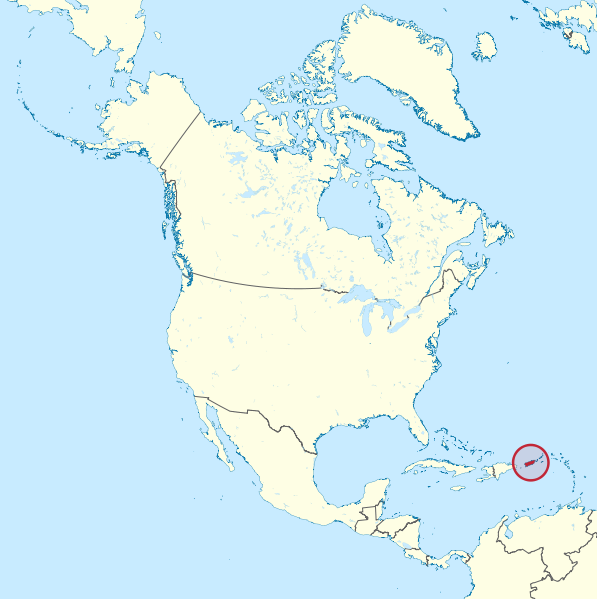
The Complex Relationship: A Historical Overview
To truly grasp Puerto Rico’s place within the United States framework, one must look back at its storied past. The island’s history is a tapestry woven with threads of indigenous heritage, European colonialism, and American influence, creating a distinct identity that is fiercely Puerto Rican while deeply intertwined with the US.
From Spanish Colony to US Territory
For over 400 years, Puerto Rico was a colony of Spain, discovered by Christopher Columbus in 1493 on his second voyage to the Americas. This long period of Spanish rule left an indelible mark on the island’s culture, language, religion, and architecture, elements that are still profoundly evident today, particularly in places like Old San Juan. The island served as a strategic military outpost for Spain, protecting its vast colonial empire in the New World. Fortifications such as Castillo San Felipe del Morro and Castillo San Cristóbal, iconic landmarks that draw countless tourists today, stand as testaments to this era.
The shift in sovereignty occurred at the end of the 19th century. In 1898, as a result of the Spanish-American War, Spain ceded Puerto Rico to the United States under the Treaty of Paris. This marked the beginning of Puerto Rico’s status as an unincorporated territory of the United States. Initially governed under military rule, the Foraker Act of 1900 established a civilian government, and in 1917, the Jones-Shafroth Act granted US Citizenship to Puerto Ricans. This pivotal moment meant that individuals born in Puerto Rico became US citizens by birth, enjoying many of the same rights as those born in any of the 50 states, including the freedom to travel and reside anywhere in the United States without immigration formalities.
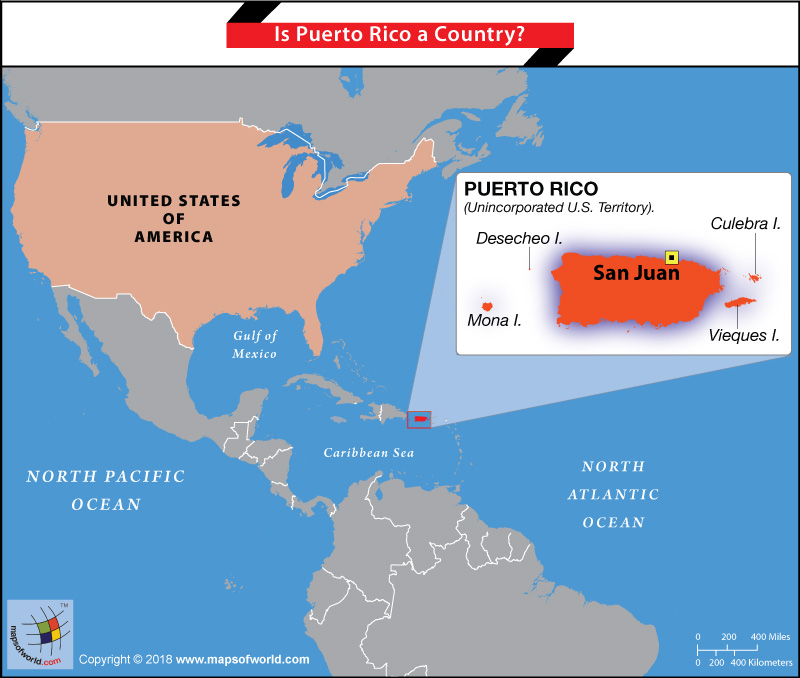
In 1952, Puerto Rico adopted its own constitution, establishing a Commonwealth status, or “Estado Libre Asociado” (Free Associated State) in Spanish. This grants the island a significant degree of self-governance over internal affairs, while the US Congress retains ultimate authority over external matters, defense, customs, and currency. This unique arrangement means Puerto Ricans pay federal taxes like Social Security and Medicare, serve in the US military, and are subject to federal laws, but they do not pay federal income tax on income earned in Puerto Rico and cannot vote in presidential elections, lacking voting representation in Congress. This intricate legal and political framework provides the foundation for the distinct experience visitors encounter.
The Question of Statehood
The political status of Puerto Rico has been a subject of ongoing debate and plebiscites for decades. Options range from maintaining the current Commonwealth status, seeking full US Statehood, or pursuing complete independence. Each option has fervent supporters and detractors, and the discussion touches upon economic implications, cultural identity, and political representation.
Proponents of Statehood argue that it would provide Puerto Rico with full equality and representation in the federal government, potentially boosting its economy and providing access to more federal funding and programs. They believe it would normalize the relationship, making Puerto Rico an equal partner in the United States. On the other hand, those who favor maintaining the Commonwealth status or advocating for independence often emphasize the preservation of Puerto Rico’s unique Latin American identity, fearing that Statehood could dilute its distinct culture and Spanish language. The absence of federal income tax is also a significant economic consideration for many.
This internal debate, while complex, rarely impacts the everyday travel experience for visitors. However, it’s an essential backdrop to understanding the island’s political landscape and the strong sense of identity among its people. The flag of Puerto Rico, with its strong symbolism, is displayed with as much pride as the American flag, often side by side, reflecting this duality.

What Being a US Territory Means for Travelers
For visitors, particularly those from the mainland United States, Puerto Rico’s status as a US territory translates into a remarkably smooth and familiar travel experience, combined with the exotic allure of a foreign destination. This unique blend makes it an ideal choice for those seeking an international feel without the usual international travel hassles.
Entry Requirements and Currency
One of the most significant advantages for US citizens traveling to Puerto Rico is the absence of passport requirements. Since it’s a domestic flight, a valid government-issued ID, such as a driver’s license or state ID, is sufficient for air travel, just as it would be for flying between states. This eliminates the need for passport applications, international customs lines, and visa concerns, making spontaneous trips easier and more accessible. For international visitors, standard US entry requirements apply, and a passport is necessary.
The official currency in Puerto Rico is the United States Dollar (USD). This eliminates the need for currency exchange, making financial transactions straightforward. Credit cards and debit cards from US banks work seamlessly, and ATMs are readily available throughout the island. Tipping practices are similar to the mainland US, and prices for goods and services are generally comparable, though some imported items might be slightly higher due to shipping costs. This financial familiarity significantly reduces potential travel stress and allows visitors to focus on enjoying their vacation.
Infrastructure and Language
Puerto Rico benefits from federal investment in infrastructure, which is a direct consequence of its territorial status. Major roads are generally well-maintained, and utilities like electricity and water are largely reliable, though resilience efforts continue after natural disasters. The island’s main airport, Luis Muñoz Marín International Airport (SJU) in San Juan, is a major hub with direct flights to numerous cities in the United States, Central America, and other Caribbean islands, making access relatively easy. Communications infrastructure, including cell phone service and internet access, is generally robust in urban areas and tourist zones, though coverage can be spotty in remote, mountainous regions.
While Spanish is the dominant language and the primary language of daily life and education, English is widely spoken, especially in tourist areas, major cities like San Juan and Ponce, and among younger generations. All official government documents and road signs are typically bilingual, ensuring easy navigation for English-speaking visitors. This linguistic blend means travelers can immerse themselves in a predominantly Spanish-speaking culture without fear of a significant language barrier, allowing for both authentic local interactions and comfortable communication when needed. This fusion of familiar amenities with a distinct cultural flavor is a hallmark of the Puerto Rican travel experience.
Discovering Puerto Rico: A Vibrant US Caribbean Destination
Puerto Rico offers an incredibly diverse range of experiences, making it a standout destination in the Caribbean. Its unique political status, combined with its rich natural beauty and cultural heritage, creates a tapestry of attractions that cater to every traveler, from adventure seekers to cultural explorers and relaxation enthusiasts.
Iconic Landmarks and Natural Wonders
The island is home to a wealth of historical landmarks and breathtaking natural wonders. The capital city, San Juan, is a must-visit. Its historic district, Old San Juan, is a UNESCO World Heritage Site renowned for its colorful Spanish colonial architecture, cobblestone streets, and formidable fortifications. Exploring the centuries-old walls of Castillo San Felipe del Morro and Castillo San Cristóbal offers a vivid journey back in time, providing panoramic views of the Atlantic Ocean and the city. Beyond the forts, visitors can wander down Calle del Cristo, visit the beautiful San Juan Cathedral, or stroll along Paseo de la Princesa.
For nature lovers, Puerto Rico boasts the only tropical rainforest in the US National Forest System, El Yunque National Forest. Here, towering Sierra Palm and Tabonuco trees create a lush canopy, traversed by hiking trails leading to stunning waterfalls like La Mina Falls and vantage points such as Yokahu Tower and El Yunque Peak. The sounds of the coqui frog provide a constant natural soundtrack.
Another unparalleled natural phenomenon is Puerto Rico’s Bioluminescent Bays. The island is home to three of the world’s few bioluminescent bays, where microscopic organisms called dinoflagellates light up the water at night when disturbed. Mosquito Bay on Vieques is widely considered the brightest, while Laguna Grande in Fajardo and La Parguera in Lajas offer equally magical experiences by kayak or electric boat. These natural wonders provide truly unforgettable travel experiences.
Beyond these, the island offers pristine beaches. The island of Culebra is famous for Flamenco Beach, consistently ranked among the world’s best with its crescent-shaped white sands and turquoise waters. Mainland beaches like Luquillo Beach and Seven Seas Beach near Fajardo are family-friendly, while the surf towns of Rincón and Aguadilla on the west coast attract surfers from around the globe to spots like Jobos Beach.
Cultural Immersion and Culinary Delights
Puerto Rico’s culture is a vibrant fusion of Taíno, Spanish, and African influences, creating a unique identity. Music and dance are integral parts of life, with salsa, bomba, and plena rhythms filling the air. Festivals are frequent and lively, offering glimpses into local traditions. Visiting towns like Loíza provides an opportunity to experience African cultural heritage through its music, dance, and artisan crafts.
The culinary scene in Puerto Rico is a gastronomic adventure, blending traditional flavors with contemporary twists. Staples include mofongo (fried plantains mashed with garlic and pork cracklings), lechón (slow-roasted pork), arroz con gandules (rice with pigeon peas), and pasteles (plantain and meat patties wrapped in banana leaves). Seafood is abundant and fresh, especially along coastal towns and in areas like Piñones, famous for its “kioskos” or food stalls. Don’t forget to try a refreshing piña colada (rum, coconut cream, and pineapple juice), often credited as being invented in Puerto Rico, or a glass of traditional Coquito during the festive season. From high-end restaurants in San Juan to roadside stands, the island’s food scene is a delightful exploration of flavors.
Accommodation and Lifestyle Choices
As a leading Caribbean destination under the US flag, Puerto Rico offers an extensive range of accommodation options to suit every budget and lifestyle. For luxury travelers, resorts like the Dorado Beach Ritz-Carlton Reserve in Dorado, the Condado Vanderbilt Hotel and La Concha Resort in Condado, or the Hyatt Regency Grand Reserve and Wyndham Grand Rio Mar in Rio Grande offer world-class amenities, stunning beachfront access, and impeccable service. These establishments often cater to an international clientele, with amenities designed for relaxation and indulgence. For those seeking family-friendly options, many resorts in Isla Verde and Rio Mar provide kids’ clubs, multiple pools, and spacious suites.
Budget travelers will find a plethora of guesthouses, boutique hotels, and vacation rentals (apartments, villas) across the island, particularly outside of the main resort zones. From quaint hostels in Old San Juan to charming guesthouses in surf towns like Rincón, affordable options allow visitors to stretch their travel budgets further without compromising on authentic experiences. Booking platforms are widely used, and comparisons are easy, ensuring travelers can find the perfect stay. Long-term stays are also popular, with many opting to rent apartments or villas to experience local life more deeply, especially in cities like Ponce, Mayagüez, or Humacao at Palmas del Mar.
The lifestyle on the island is laid-back and festive, embodying the “live and let live” Caribbean spirit, yet with the underlying structure and stability of the United States. This makes it an attractive destination not only for tourists but also for those considering business stays or even relocation. The ease of doing business under US laws and the familiar regulatory environment can be a draw, while the vibrant culture provides a compelling work-life balance. Whether your trip is for a luxurious escape, an adventurous family vacation, or a deep dive into culture, Puerto Rico’s diverse offerings and familiar framework make it an accessible and deeply rewarding destination.
In conclusion, Puerto Rico is unequivocally part of the USA as an unincorporated territory. This unique political status shapes every aspect of the island, from its historical narrative and political debates to its robust infrastructure and familiar legal tender. For travelers, this means an accessible and convenient journey, particularly for US citizens, who can enjoy an international-feeling escape without needing a passport or currency exchange. Yet, beneath this veneer of familiarity lies a profoundly distinct culture, rich in Spanish and African heritage, vibrant music, and unparalleled culinary traditions.
The island offers a captivating blend of experiences: the historical grandeur of Old San Juan, the lush biodiversity of El Yunque National Forest, the mesmerizing glow of Bioluminescent Bays, and the pristine sands of world-renowned beaches like Flamenco Beach. With accommodation options ranging from opulent resorts to charming guesthouses, and a lifestyle that seamlessly blends American conveniences with Caribbean charm, Puerto Rico stands as a premier destination. It provides the perfect opportunity to explore a genuinely unique place that is both a familiar extension of the United States and a distinct cultural world unto itself. So, pack your bags and prepare to discover the magic of Puerto Rico—an unforgettable American paradise in the heart of the Caribbean.
LifeOutOfTheBox is a participant in the Amazon Services LLC Associates Program, an affiliate advertising program designed to provide a means for sites to earn advertising fees by advertising and linking to Amazon.com. Amazon, the Amazon logo, AmazonSupply, and the AmazonSupply logo are trademarks of Amazon.com, Inc. or its affiliates. As an Amazon Associate we earn affiliate commissions from qualifying purchases.