
The question “Are there alligators in Texas?” often elicits surprise, but the answer is a resounding yes! For travelers and nature enthusiasts planning a visit to the Lone Star State, understanding the natural inhabitants, especially the impressive American Alligator, is key to a rich and respectful experience. Far from being a mere footnote in its diverse ecosystem, alligators are a vibrant and integral part of Texas’s wetlands, offering unique wildlife viewing opportunities that blend adventure with education. This comprehensive guide delves into where these ancient reptiles reside, how to observe them safely, and how their presence shapes the broader tourism and lifestyle experience across Texas.
Texas is a state of immense geographical variety, from arid deserts to lush forests and sprawling coastlines. It’s within its eastern and coastal regions that the American Alligator thrives. With an estimated population of half a million, these powerful reptiles are not just surviving but flourishing, thanks to dedicated conservation efforts. For those seeking an authentic encounter with Texas’s wild side, understanding their habitat, behavior, and the best places for observation becomes an essential part of crafting an unforgettable travel itinerary. Whether you’re an avid wildlife photographer, a family looking for an educational outing, or an adventurer seeking new experiences, the world of Texas alligators offers a compelling reason to explore its bayous and swamps.

The Alligator’s Domain: Where to Find Them in Texas
The natural habitat of the American Alligator in Texas is primarily concentrated in the verdant landscapes of East Texas and along the Gulf Coast. These regions provide the ideal conditions for alligators, characterized by extensive freshwater and brackish water systems. Think slow-moving rivers, expansive lakes, murky swamps, and intricate bayous, all offering abundant food sources and secluded basking spots. The presence of these fascinating creatures adds a primeval allure to these areas, drawing visitors who are keen to witness wildlife in its natural setting.
Historically, alligators were more widespread across the state, but their populations faced significant decline due to unregulated hunting in the early to mid-20th century. However, protective measures implemented in the 1970s, coupled with careful habitat management, have allowed the species to make a remarkable comeback. Today, the American Alligator population in Texas is considered healthy and stable, a testament to successful conservation that now supports both the ecosystem and responsible tourism. While their core territory lies in the east, isolated populations can occasionally be found further west, even near the Brazos River and in rare instances, close to the Rio Grande, showcasing their adaptability to various aquatic environments.
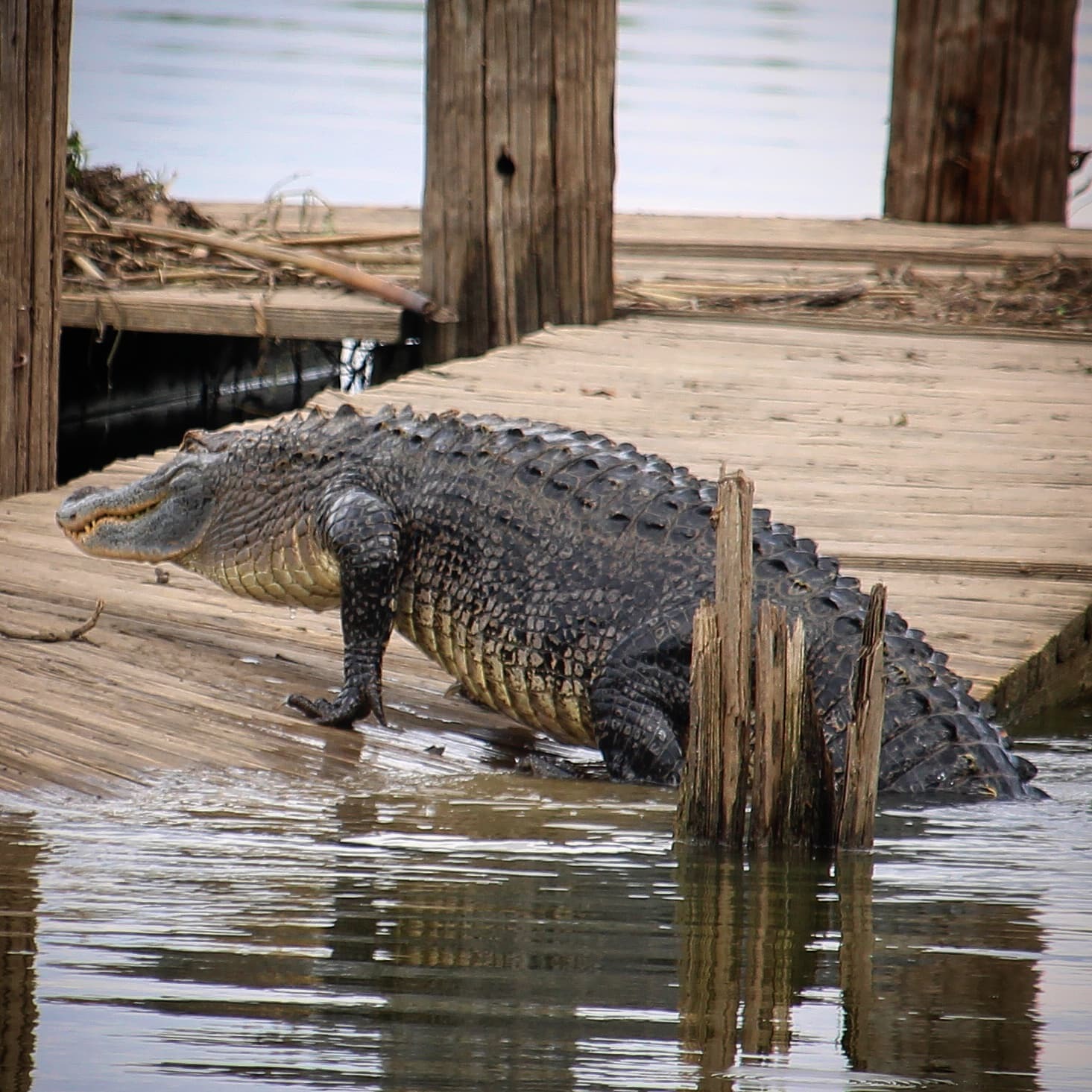
Prime Viewing Locations and Natural Habitats
For travelers eager to spot an alligator, several key destinations offer excellent opportunities. These locations are not only renowned for their alligator populations but also provide a wealth of other natural attractions and travel experiences.
One of the most celebrated spots is the Anahuac National Wildlife Refuge near the Gulf Coast. This expansive refuge is a critical wintering ground for migratory birds and a year-round home for numerous alligators. Visitors can drive scenic routes, walk along boardwalks, and utilize observation decks for safe and rewarding wildlife viewing. The refuge’s wetlands are teeming with life, making it a paradise for birdwatchers and nature photographers alike. When planning a visit here, consider staying in nearby Houston or Galveston, which offer a range of accommodation options, from luxury hotels to family-friendly resorts, allowing you to combine urban exploration with natural immersion.

Another indispensable destination is the Big Thicket National Preserve, often referred to as “America’s Biological Crossroads.” This unique preserve protects a diverse array of ecosystems, from pine forests to cypress swamps, and is home to a significant alligator population. Canoeing or kayaking through its bayous can offer intimate encounters with wildlife, including alligators basking on logs or swimming silently through the water. The preserve emphasizes ecotourism, with guided tours and interpretive programs enhancing the visitor experience. For those seeking a deeper dive into nature, camping within or near the preserve offers a rustic accommodation option, while nearby towns provide more conventional hotel stays.
Brazos Bend State Park, located southwest of Houston, is perhaps the most accessible and popular spot for alligator viewing. The park’s numerous lakes and wetlands are dotted with alligators, which are frequently seen from designated trails and observation platforms. Rangers at Brazos Bend State Park are highly knowledgeable and offer educational programs that enlighten visitors about alligator behavior and park ecology. This park is particularly family-friendly, making it an excellent choice for a day trip or a longer stay in one of its cabins or campsites. Its proximity to Houston means travelers can easily enjoy the city’s amenities, including world-class hotels, restaurants, and attractions like the Houston Museum of Natural Science, before heading out for a wildlife adventure.
Further east, Caddo Lake, shared with Louisiana, is an ethereal wonderland of bald cypress trees draped in Spanish moss, creating a truly unique environment for alligators. Caddo Lake State Park offers cabin rentals, camping, and boat tours that delve deep into the lake’s mysterious waterways, providing unparalleled opportunities to observe alligators in a spectacularly scenic setting. The serene beauty and distinct ecosystem of Caddo Lake make it a prime destination for those seeking a tranquil yet thrilling nature experience, far removed from urban bustle.
Other notable rivers and lakes where alligators are present include the Sabine River, Neches River, Trinity River, and even the Colorado River of Texas. Major reservoirs like Lake Livingston and Lake Conroe also host alligator populations, particularly in their marshy inlets and calmer coves. These expansive water bodies offer opportunities for boating, fishing, and waterside camping, where responsible observation of alligators is a part of the outdoor lifestyle.
Alligator Conservation: A Success Story
The resurgence of the American Alligator in Texas is a significant conservation success story, illustrating the impact of well-managed wildlife policies. From near extinction in the mid-20th century, the alligator population has rebounded robustly, leading to its removal from the endangered species list. This recovery is largely due to the efforts of the Texas Parks and Wildlife Department (TPWD) and the Wildlife and Fisheries Commission, which implemented protective regulations and habitat restoration programs.
Today, while protected, a carefully managed hunting season exists in specific regions, helping to control populations and ensure ecological balance. This balanced approach to conservation demonstrates how sustainable management can allow a species to thrive while coexisting with human populations. For visitors, this means that the chance to see an alligator in its natural environment is not only possible but increasingly common, enriching the tourism experience in Texas’s wilder areas.
Understanding Alligator Behavior and Safety for Travelers
While the prospect of seeing an alligator in the wild is exciting, it’s crucial for travelers to approach these encounters with respect and caution. Alligators are powerful predators, and understanding their behavior is the first step in ensuring a safe and memorable experience. The good news is that alligator attacks on humans are exceedingly rare, especially when proper safety guidelines are followed. These reptiles are generally shy and prefer to avoid human interaction, but they can become defensive or aggressive if provoked or if they associate humans with food.
Responsible tourism dictates that we minimize our impact on wildlife and their habitats. This means observing animals from a distance, refraining from feeding them, and keeping the natural environment pristine. For adventure travelers and families exploring Texas’s wetlands, awareness and adherence to established safety protocols are paramount.
Coexisting with Wildlife: Essential Safety Tips
The Texas Parks and Wildlife Department provides clear guidelines for safe alligator viewing, which are vital for both residents and visitors alike. Integrating these tips into your travel plans will ensure a respectful and secure interaction with these apex predators.
- Never Feed Alligators: This is the golden rule. Feeding alligators habituates them to humans and teaches them to associate people with food, leading to aggressive behavior. It’s illegal in Texas and can result in dangerous encounters for future visitors.
- Maintain a Safe Distance: Always keep a distance of at least 30 feet (about 9 meters) from an alligator. Use binoculars or a telephoto lens for closer viewing or photography. Remember, alligators can move incredibly fast, especially over short distances on land.
- Keep Pets on a Leash and Away from Water: Dogs and cats can resemble the natural prey of alligators. Never allow pets to roam freely near water bodies known to harbor alligators.
- Swim Only in Designated Areas: Avoid swimming in waters where alligators are known to live, especially at dusk, dawn, or night when they are most active. Always heed warning signs posted in parks and natural areas.
- Be Aware of Your Surroundings: When walking or hiking near water, pay attention to your surroundings. Alligators are masters of camouflage.
- Dispose of Fish Scraps Properly: If fishing, never leave fish scraps or bait near the water’s edge, as this can attract alligators.
- Do Not Harass or Provoke: Never attempt to touch, capture, or harass an alligator. Such actions are dangerous, illegal, and extremely irresponsible.
- Report Aggressive Alligators: If you encounter an alligator that appears to be aggressive or showing no fear of humans, report it immediately to park officials or the Texas Parks and Wildlife Department.
By following these simple yet crucial rules, visitors can enjoy the thrill of observing alligators without putting themselves or the animals at risk. This mindful approach aligns perfectly with sustainable tourism practices, ensuring that these incredible creatures remain a part of the Texas landscape for generations to come.
Experiencing Texas’s Natural Wonders: Beyond Alligators
While alligators are undoubtedly a major draw for wildlife enthusiasts, Texas’s eastern and coastal regions offer a much broader spectrum of natural wonders and outdoor activities. Integrating alligator viewing into a larger itinerary that embraces the state’s diverse ecotourism offerings allows for a holistic travel experience, catering to various lifestyles from budget adventurers to luxury seekers.
The very ecosystems that support alligators—swamps, bayous, and extensive wetlands—are also magnets for a stunning array of other wildlife, including myriad bird species, turtles, frogs, and fish. This makes East Texas and the Gulf Coast prime destinations for birdwatching, nature photography, and ecological exploration. The region’s rich biodiversity ensures that every visit is filled with discovery, offering more than just a glimpse of its famous reptiles.
Ecotourism and Outdoor Adventures
For active travelers, the opportunities for outdoor adventure are virtually endless. Kayaking and canoeing through the serene waterways of places like Big Thicket National Preserve or Caddo Lake State Park provide an immersive experience, allowing you to paddle quietly through ancient cypress forests and observe wildlife up close. Many parks offer rental services and guided tours, making these activities accessible even for beginners.
Fishing is another popular pastime, with many lakes and rivers boasting healthy populations of bass, catfish, and other species. Anglers can enjoy the tranquility of the water, keeping a watchful eye for local wildlife. Birdwatching is a major draw, especially in coastal refuges like Anahuac National Wildlife Refuge and Sea Rim State Park near Port Arthur, where migratory birds create spectacular displays during peak seasons. These activities emphasize a lifestyle of connection with nature, offering a peaceful retreat from the hustle and bustle of city life.
Hiking and biking trails crisscross many of the state parks and national forests, including Sam Houston National Forest, Davy Crockett National Forest, and Angelina National Forest. These trails cater to various fitness levels, from easy strolls along boardwalks to challenging multi-day treks, all while offering opportunities to appreciate the diverse flora and fauna of the East Texas Piney Woods.
Nearby Attractions and Accommodation
Beyond the wild, the regions surrounding alligator habitats offer a wealth of other attractions and diverse accommodation options that cater to all preferences and budgets.
Cities like Houston serve as excellent gateways to the East Texas and Gulf Coast wetlands. In Houston, visitors can enjoy world-class museums, vibrant culinary scenes, and a wide array of hotels, from luxurious high-rise suites to boutique apartments. The Houston area also boasts attractions like the Kemah Boardwalk, offering entertainment and dining right on the waterfront.
Galveston Island, a historic port city on the Gulf of Mexico, provides a charming blend of history, beaches, and family fun. Beyond its Victorian architecture and sandy shores, Galveston is home to Moody Gardens, an educational and entertainment complex with an aquarium pyramid, rainforest pyramid, and various exhibits. Accommodation in Galveston ranges from historic bed and breakfasts to modern beachfront resorts, ideal for both romantic getaways and family trips.
For those looking to extend their coastal exploration, Padre Island National Seashore and Mustang Island State Park offer pristine beaches and coastal wildlife viewing (though alligator populations are less common here compared to the marshier eastern parts). Further south, South Padre Island is a popular destination for its vibrant atmosphere, resort amenities, and water sports.
Even if alligators aren’t your primary interest, the rich history, local culture, and diverse culinary experiences in these areas offer plenty to explore. From fresh seafood on the Gulf Coast to traditional Texas barbecue, the food scene is an attraction in itself. Many towns host local festivals, such as GatorFest in Port Arthur, which celebrate the unique heritage and wildlife of the region, offering a deeper insight into the local lifestyle.
Planning Your Texas Wildlife Adventure
Embarking on a wildlife viewing trip in Texas requires some thoughtful planning to maximize your chances of spotting alligators and enjoying all the other natural wonders the state has to offer. Considering factors like the best time to visit and essential gear will significantly enhance your travel experience.
Best Times to Visit for Alligator Viewing
The most favorable time for alligator viewing in Texas is during the warmer months, typically from late spring through early fall (April to October). Alligators are cold-blooded and become more active as temperatures rise. During these months, they are frequently seen basking in the sun on riverbanks, lake shores, and along marshy edges, making them easier to spot.
- Spring (April-May): This is an excellent time as temperatures are pleasant, and alligators are emerging from their cooler weather sluggishness, becoming more active. It’s also prime birdwatching season.
- Summer (June-August): Alligators are very active, but the Texas summer heat can be intense. Early mornings and late afternoons are the best times for viewing, and staying hydrated is crucial.
- Fall (September-October): As temperatures begin to cool, alligators remain active, but the crowds thin, offering a more peaceful viewing experience. The changing foliage in some East Texas areas can also add to the scenic beauty.
- Winter (November-March): Alligators are much less active during the colder months, often retreating to dens or becoming dormant. While you might still spot one on a warm winter day, opportunities are significantly reduced.
When planning your trip, consider checking the specific park or refuge websites for up-to-date information on alligator activity and any seasonal closures or advisories.
Essential Gear and Preparation
To make your Texas wildlife adventure comfortable and successful, pack appropriately:
- Binoculars and Camera with Zoom Lens: These are indispensable for safe, distant viewing and capturing incredible wildlife photos without disturbing the animals.
- Insect Repellent: Especially in wetland areas, mosquitoes and other biting insects can be prevalent, particularly during warmer months.
- Sun Protection: A hat, sunglasses, and high-SPF sunscreen are essential to protect against the strong Texas sun.
- Comfortable Walking Shoes: Many viewing areas involve walking on trails or boardwalks.
- Lightweight, Breathable Clothing: Opt for light colors to stay cool, especially during summer. Long sleeves and pants can also offer protection from insects and sun.
- Water and Snacks: Staying hydrated is critical, particularly in the Texas heat. Pack enough water for your excursions.
- Field Guide: A guide to local wildlife can enhance your understanding and identification of the various species you encounter.
- Rain Gear: Weather in Texas can change quickly, so a lightweight rain jacket or poncho is always a good idea.
For those planning to stay overnight, research accommodation options in advance. Whether you prefer camping under the stars, renting a cozy cabin, or enjoying the amenities of a full-service resort or hotel, booking ahead, especially during peak season, is advisable. Many state parks offer excellent camping facilities, while nearby towns provide a range of hotels, suites, and even long-term stay apartments for a more immersive experience. Comparing reviews and amenities will ensure you find the perfect base for your exploration.
In conclusion, the answer to “Are there alligators in Texas?” is a resounding and exciting yes! These magnificent reptiles are a testament to the state’s rich biodiversity and successful conservation efforts. By understanding where they live, how to observe them safely, and integrating this experience with the broader travel, tourism, and lifestyle opportunities in Texas’s unique ecosystems, visitors can create truly unforgettable adventures. Whether you’re drawn by the thrill of wildlife viewing, the tranquility of nature, or the diverse cultural offerings, Texas invites you to explore its wild heart with respect and wonder.
LifeOutOfTheBox is a participant in the Amazon Services LLC Associates Program, an affiliate advertising program designed to provide a means for sites to earn advertising fees by advertising and linking to Amazon.com. Amazon, the Amazon logo, AmazonSupply, and the AmazonSupply logo are trademarks of Amazon.com, Inc. or its affiliates. As an Amazon Associate we earn affiliate commissions from qualifying purchases.