
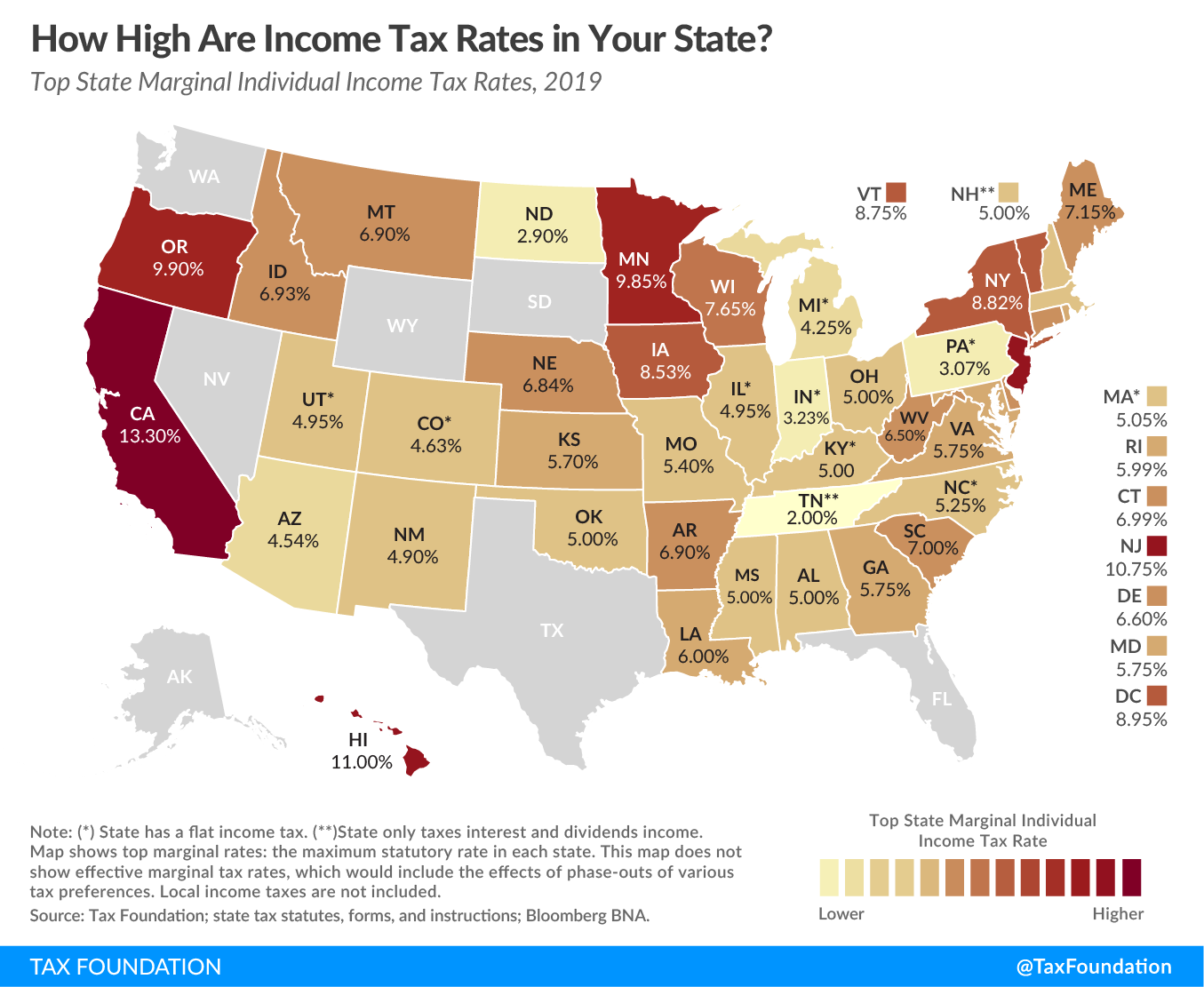
The question “Does Texas have state tax?” is a frequent one, particularly for those considering a visit, a relocation, or even a business venture in the Lone Star State. The answer, in its most direct form, is a resounding no – Texas does not impose a personal state income tax. This distinguishing feature sets it apart from many other states in the United States and has significant implications for everything from daily spending to long-term financial planning.
For travelers, this means more disposable income for enjoying Texas’s vast array of attractions, diverse cuisine, and vibrant cultural experiences. For potential residents, it suggests a potentially lower overall tax burden, which can be a huge draw for various lifestyles, from young professionals to retirees. However, while the absence of a state income tax is a major headline, it’s crucial to understand the broader tax landscape in Texas to truly grasp its financial implications. The state funds its public services through other mechanisms, primarily sales and property taxes, which will undoubtedly factor into any travel budget or cost-of-living analysis. This comprehensive understanding is vital for making informed decisions, whether you’re planning a short trip or considering a more permanent move.
Texas’s Unique Tax Landscape for Travelers and Residents
Texas’s approach to taxation is distinctive, largely due to its lack of a state income tax. This policy shapes the economic environment for both its residents and the millions of tourists who flock to its destinations each year. Understanding this unique landscape is key to appreciating the state’s appeal and navigating its financial aspects effectively.
No State Income Tax: A Major Draw for Visitors and Newcomers
The absence of a state income tax is arguably the most significant financial advantage Texas offers. For individuals, this means that wages, salaries, and other forms of personal income are not subject to an additional levy from the state government, beyond federal income taxes. This directly translates into more take-home pay for residents, and for travelers, it implies that income earned elsewhere isn’t further diminished by state taxation when visiting. This policy fosters an environment where individuals potentially have greater discretionary income, which can be channeled into local economies through spending on goods, services, and experiences.
For those considering a move to Texas, particularly remote workers or entrepreneurs, the lack of state income tax can significantly impact their financial outlook, potentially allowing for greater savings or investment. This aligns perfectly with the concept of flexible lifestyles and could be a deciding factor for choosing Texas for a long-term stay or as a base for digital nomads. It also makes Texas an attractive location for various business stays and corporate relocations, as companies often consider the overall tax burden on their employees. While other taxes exist, the fundamental appeal of no state income tax remains a powerful incentive, boosting the state’s attractiveness for both temporary visitors and permanent residents looking to maximize their financial well-being and enjoy everything from luxury travel to budget travel without an additional state income tax bite.
Sales Tax: What You’ll Pay on Goods and Services
While personal income is exempt from state taxation in Texas, consumption is not. Sales tax is a primary revenue generator for the state, making it an unavoidable consideration for anyone purchasing goods or certain services. The statewide sales tax rate is 6.25%, but this is just the base. Local jurisdictions – including cities, counties, and special purpose districts – can add their own sales taxes, bringing the combined rate up to a maximum of 8.25% in many areas. For instance, in bustling cities like Dallas, Houston, and Austin, you’ll often encounter the maximum 8.25% rate.
This sales tax applies to most tangible personal property and some services. When you’re dining out at a famous BBQ joint in Lockhart, picking up souvenirs at The Alamo in San Antonio, or shopping for new clothes at a mall in Plano, expect to pay this additional percentage. Groceries, certain medical supplies, and prescription drugs are generally exempt, which provides some relief for everyday necessities. For tourism, the sales tax significantly impacts the total cost of your trip, from restaurant bills to retail purchases and admission fees for many attractions. It’s an essential component to factor into your travel budget, ensuring you’re not caught off guard by the final price at the register. Understanding where the sales tax applies helps travelers budget more effectively and appreciate the overall economic structure that supports public services in Texas.

Hotel Occupancy Tax: A Key Consideration for Accommodation
For anyone planning to stay overnight in Texas, the Hotel Occupancy Tax (HOT) is a crucial tax to understand. This tax is levied on the cost of your accommodation, whether you’re staying in a luxurious resort, a cozy bed and breakfast, a standard hotel room, or even a short-term rental apartment or villa. The state of Texas imposes a 6% Hotel Occupancy Tax. However, similar to sales tax, local jurisdictions have the authority to add their own HOT. Cities can add up to 9%, and counties can add up to 2%. This means the combined hotel tax rate can vary significantly across the state, often reaching as high as 15% to 17% in major tourist hubs.
For example, a stay in San Antonio near the River Walk or in Galveston for a beach getaway will incur a higher combined hotel tax rate than a less-visited area. These taxes are a vital source of funding for local governments, often specifically earmarked for tourism promotion and convention center improvements, directly benefiting the traveler experience in the long run. When booking your hotels or accommodation, it’s important to look at the total price, including all taxes and fees, not just the nightly rate. Many online travel agencies and direct hotel websites will show these taxes during the checkout process, but always be mindful. This tax directly impacts your travel budget and should be factored into your total cost estimates, especially for longer stays or stays in popular destinations where hotel prices, and consequently hotel taxes, might be higher. Understanding the HOT is essential for anyone planning an overnight visit, from a quick weekend getaway to an extended family trip.
Beyond Income Tax: Understanding Other Texas Taxes
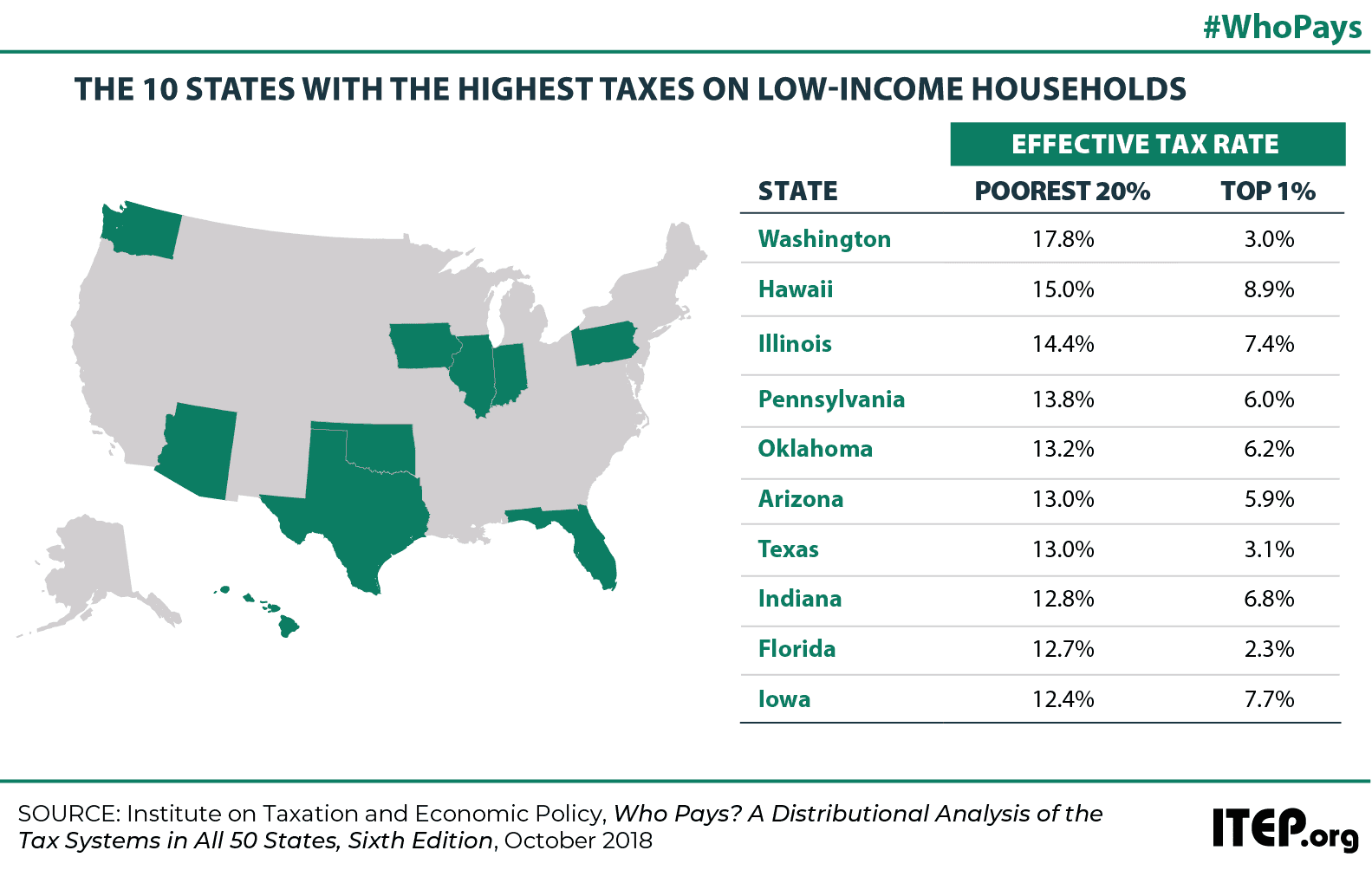
While the absence of state income tax is a significant financial feature of Texas, it’s important to recognize that the state and its local governments rely on other forms of taxation to fund public services. Understanding these additional taxes provides a more complete picture of the financial environment, particularly for those considering a longer stay or a permanent move.
Property Tax: Primarily for Residents, but Influencing Rental Costs
Property tax is arguably the most significant tax burden for homeowners in Texas and is a major revenue source for local entities such as school districts, cities, and counties. Unlike many other states, Texas does not have a state property tax; all property taxes are levied at the local level. These rates can vary widely depending on the specific location, with some areas having significantly higher rates than others. For example, a home in Houston might have a different effective property tax rate than one in Fredericksburg or Amarillo.
While primarily a concern for property owners, property taxes indirectly affect everyone, including travelers and those seeking long-term accommodation. High property taxes often translate into higher rental costs, as landlords factor these expenses into their pricing for apartments, villas, and other rental properties. This means that even if you’re not buying a home, the cost of your accommodation for an extended stay, or even the underlying costs for a hotel, can be influenced by local property tax rates. For individuals researching relocation or considering an extended period in the state, understanding the local property tax structure is crucial for an accurate assessment of the cost of living. It’s a key piece of the puzzle that explains how Texas funds its robust infrastructure, educational systems, and other vital public amenities without a state income tax.
Fuel Taxes and Other Specific Levies
Beyond sales, hotel, and property taxes, Texas also levies specific taxes on certain goods and services, which primarily impact consumers but are worth noting for travelers planning their budgets. One of the most relevant for visitors is the fuel tax. The state imposes a tax on gasoline and diesel fuel, which is built into the price you pay at the pump. As of current rates, this is 20 cents per gallon for both gasoline and diesel. For those embarking on a scenic road trip across the vast landscapes of Texas – perhaps exploring Big Bend National Park, cruising along the coast to South Padre Island, or driving between major cities like Fort Worth and El Paso – this tax will be a consistent, albeit minor, part of their travel expenses. It’s important to remember that this is a flat rate per gallon, so longer distances covered mean more fuel consumed and, consequently, more fuel tax paid.
Additionally, Texas has “sin taxes” on alcohol and tobacco products. These excise taxes are included in the purchase price of alcoholic beverages and cigarettes, cigars, and other tobacco items. For visitors looking to enjoy Texas’s burgeoning craft beer scene, award-winning wineries in the Hill Country, or a night out in Deep Ellum in Dallas, these taxes will be part of the final cost. While individually these specific levies might seem small, collectively they contribute to the state’s revenue and are factored into the overall cost of certain lifestyle choices and travel experiences. Being aware of these additional taxes helps in accurate budget planning for various activities throughout your Texas adventure.
Maximizing Your Texas Experience: Tax-Smart Travel Tips
Exploring Texas can be an incredibly rewarding experience, offering everything from bustling city life to serene natural landscapes. With its unique tax structure, visitors have the opportunity to make their travel budgets stretch further, particularly with the absence of state income tax. However, being tax-smart means understanding where other taxes apply and how to plan accordingly.
Budgeting for Your Texas Adventure
Effective budgeting is crucial for any trip, and Texas is no exception. While you won’t encounter a state income tax, it’s vital to factor in the statewide and local sales taxes (up to 8.25%) on most purchases and the hotel occupancy tax (potentially up to 17%) on your accommodation. For instance, a meal in Austin or a shopping spree in Houston will incur sales tax, while your stay at a suite near the Dallas Arts District or a resort in Grapevine will be subject to hotel tax.
To make the most of your budget travel or family trip, consider a few strategies. Explore the many free attractions Texas has to offer, such as the State Capitol Building in Austin, wandering through the historic Fort Worth Stockyards, or hiking along the Katy Trail in Dallas. Dining out is a significant part of the Texas experience, but balancing restaurant meals with self-catering options, especially if your accommodation includes a kitchen, can help manage sales tax expenses on food. Also, remember that fuel tax adds to your driving costs, so plan efficient routes or consider public transport in major cities if available. By anticipating these taxes, you can allocate your funds more effectively, ensuring a seamless and enjoyable Texas adventure without unexpected financial surprises.
Exploring Texas Destinations with Tax in Mind
The vastness of Texas means that travelers have a multitude of destinations to choose from, each offering unique experiences and potentially varying tax implications. When planning your itinerary, it’s beneficial to be aware that local sales and hotel occupancy tax rates can differ. For instance, a bustling metropolis like Houston might have a higher combined hotel tax rate compared to a smaller, more rural town in the Hill Country such as Waco or College Station.
When consulting guides or researching specific attractions, consider the local tax environment. If shopping is a priority, be mindful that all retail purchases will include sales tax, so factoring that into your souvenir budget for places like San Antonio’s River Walk or South Padre Island is wise. For nature lovers planning to visit landscapes like Guadalupe Mountains National Park or Padre Island National Seashore, entrance fees may apply, but the biggest tax consideration will likely be on your accommodation and any purchases made in nearby towns. By understanding that tax rates are not uniform across all 254 counties and thousands of cities, you can make more informed choices about where to spend your money, potentially saving on certain expenses or simply being better prepared for the final cost of your Texas adventures. This strategic approach ensures that you can fully immerse yourself in the rich culture, history, and natural beauty of Texas without financial surprises.
Accommodation Choices and Tax Implications
The type of accommodation you choose in Texas can significantly influence the total amount you pay in hotel occupancy taxes. From opulent luxury resorts to charming boutique hotels and practical budget hotels, each option comes with its own price point, and consequently, its own tax burden. Higher nightly rates mean higher total taxes, even if the percentage rate remains the same.
When using booking platforms or direct hotel websites, always pay close attention to the final price breakdown, which should clearly show the applicable state and local hotel occupancy taxes. This transparency is crucial for accurate comparison between different options. For instance, a stay at The Driskill in Austin or The Post Oak Hotel at Uptown Houston will naturally incur higher taxes due to their premium nightly rates compared to a more modest hotel or a short-term rental apartment. Reading reviews can sometimes offer insights into unexpected fees or the clarity of tax reporting by specific establishments. Additionally, for long-term stays (typically over 30 consecutive days), many jurisdictions exempt guests from hotel occupancy taxes, a detail worth investigating if you’re planning an extended visit for work or leisure. This potential exemption can offer substantial savings for those considering a more permanent or semi-permanent accommodation solution, aligning with various lifestyles such as remote work or temporary relocation. Making an informed choice about your accommodation based on not just the nightly rate but also the full tax implications can lead to a more financially sound and satisfying Texas travel experience.
In conclusion, the answer to “Does Texas have state tax?” is clear: no, not a personal state income tax. This absence creates a compelling financial incentive for both residents and visitors, allowing for more disposable income that can be spent on experiencing the state’s vibrant culture, diverse destinations, and world-class attractions. However, to truly navigate the financial landscape of the Lone Star State, it’s essential to understand that revenue is generated through other means, primarily sales tax on goods and services, and hotel occupancy tax on accommodation. For homeowners, property taxes are a significant consideration, indirectly affecting rental markets as well.
By being mindful of these consumption-based taxes, travelers can budget more effectively, ensuring their trip to Texas is as smooth and enjoyable as possible. Whether you’re exploring the historic Alamo in San Antonio, enjoying live music in Austin, or relaxing on the beaches of Galveston, a little tax savvy goes a long way. This unique tax structure ultimately contributes to Texas’s allure, offering a distinct financial environment that supports its dynamic economy and rich tapestry of experiences for all who venture within its borders.
LifeOutOfTheBox is a participant in the Amazon Services LLC Associates Program, an affiliate advertising program designed to provide a means for sites to earn advertising fees by advertising and linking to Amazon.com. Amazon, the Amazon logo, AmazonSupply, and the AmazonSupply logo are trademarks of Amazon.com, Inc. or its affiliates. As an Amazon Associate we earn affiliate commissions from qualifying purchases.