
The allure of the open water, the thrill of the catch, and the serene beauty of nature are powerful draws for anglers worldwide. In the vast and diverse landscape of Texas, fishing is not just a pastime; it’s a cherished tradition and a vital part of the state’s outdoor lifestyle. From the tranquil freshwater lakes teeming with bass to the productive saltwater bays and deep-sea frontiers of the Gulf Coast, the Lone Star State offers unparalleled fishing opportunities for every enthusiast. However, before you cast your line into these inviting waters, understanding the requirements and costs associated with a fishing license is paramount. This guide aims to demystify the process, ensuring a smooth, legal, and ultimately more enjoyable fishing experience in Texas, while also touching upon the broader travel and tourism aspects that make a fishing trip here an unforgettable adventure. Whether you’re a seasoned local angler, a visitor planning a fishing vacation, or a family looking to introduce children to the joys of the outdoors, knowing the ins and outs of fishing licenses is your first step towards a memorable expedition.
Navigating Fishing Licenses in the Lone Star State
Embarking on a fishing journey in Texas begins with understanding the regulatory framework that governs this popular activity. The Texas Parks and Wildlife Department (TPWD) is the primary authority responsible for managing the state’s natural resources, including its aquatic ecosystems. Their regulations ensure sustainable fishing practices, protect fish populations, and preserve the delicate balance of the environment for future generations. Acquiring the correct fishing license is not just a legal obligation; it’s a direct contribution to these vital conservation efforts.
Who Needs a License and Why?
Generally, anyone aged 17 years or older who wishes to fish in the public waters of Texas must possess a valid fishing license. This applies to both residents and non-residents, and covers a wide array of fishing activities, including rod-and-reel fishing, fly fishing, and even using cast nets for baitfish. There are a few specific exemptions, however. For instance, individuals fishing exclusively in private waters (such as a private pond wholly contained within private land, with no access to public waters) may not require a license. Additionally, youth under 17 years of age are exempt from needing a license. Texas also observes a designated “Free Fishing Day” annually, typically in June, during which residents and non-residents can fish in public waters without a license. This offers a fantastic opportunity for families and newcomers to experience fishing firsthand without the initial investment. Furthermore, some senior residents (those 65 years or older born before September 1, 1931, or those 65 years or older born on or after September 1, 1931, who purchase a “Senior Resident Fishing License”) may qualify for discounted or specific license types. The revenue generated from license sales is crucial for funding conservation programs, habitat restoration projects, fish stocking initiatives, and law enforcement efforts by the TPWD, ensuring the longevity and health of Texas’s aquatic resources.
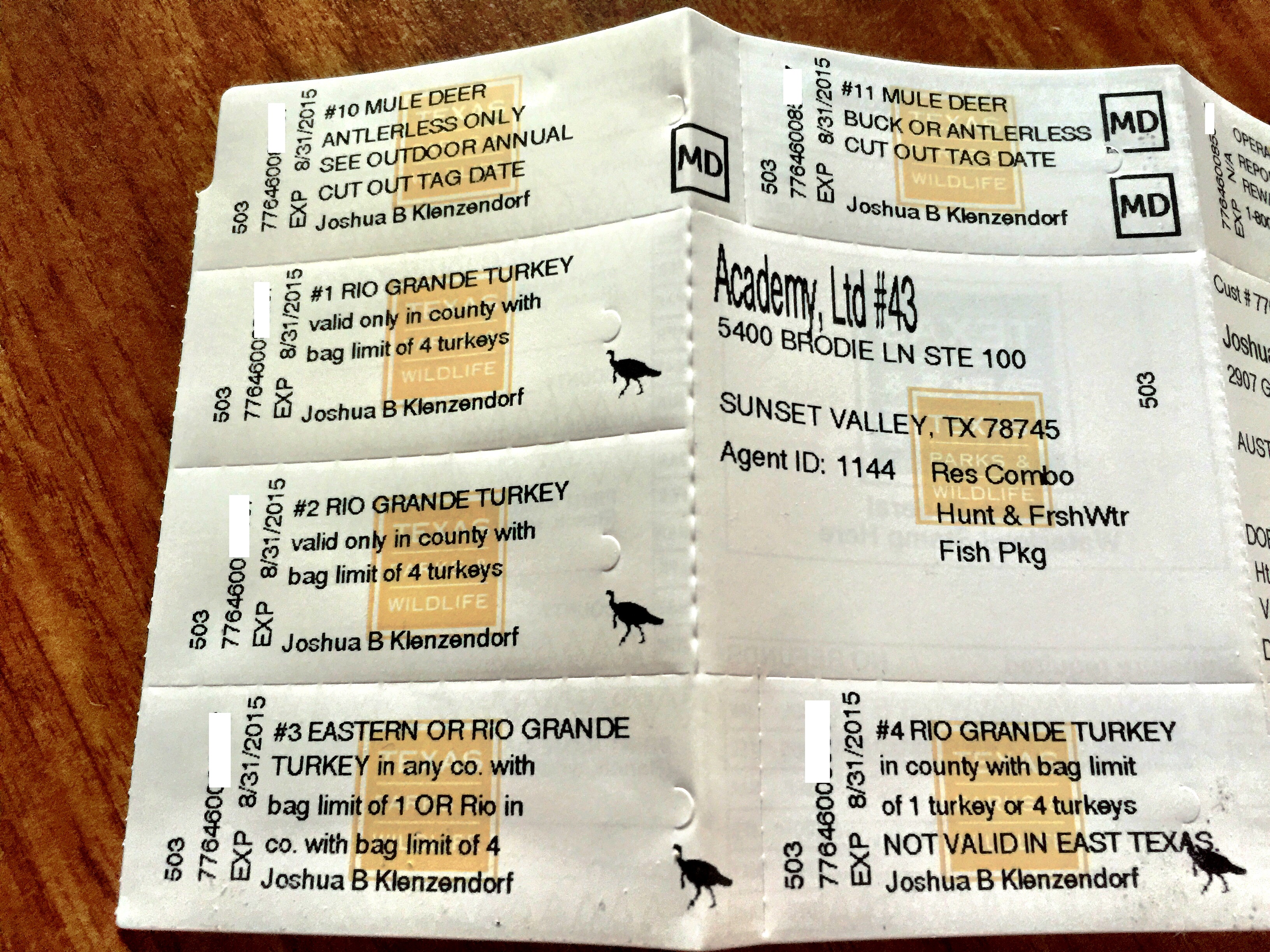
Types of Fishing Licenses Available
The TPWD offers a comprehensive range of fishing licenses designed to cater to various needs and fishing preferences. The primary distinction is between Resident and Non-Resident licenses, with different fee structures for each. Within these categories, anglers can choose from several options:
- Annual Licenses: These are the most common and cost-effective for frequent anglers, providing coverage for a full year from the date of purchase. They are available for Freshwater fishing only, Saltwater fishing only, or as a “All-Water” package that covers both.
- Combination Licenses: For those who enjoy both fishing and hunting, combination licenses offer convenience and potential savings. These packages often include various hunting endorsements alongside fishing privileges.
- Temporary/Short-Term Licenses: Ideal for tourists or those planning a brief fishing trip, non-residents can opt for 1-day or 5-day “All-Water” licenses, providing flexibility for shorter stays in Texas. Residents typically do not have these very short-term fishing-only options, as annual licenses are generally encouraged.
- Senior and Youth Licenses: As mentioned, specific licenses with reduced fees or exemptions are available for qualifying senior residents and all youth under 17.
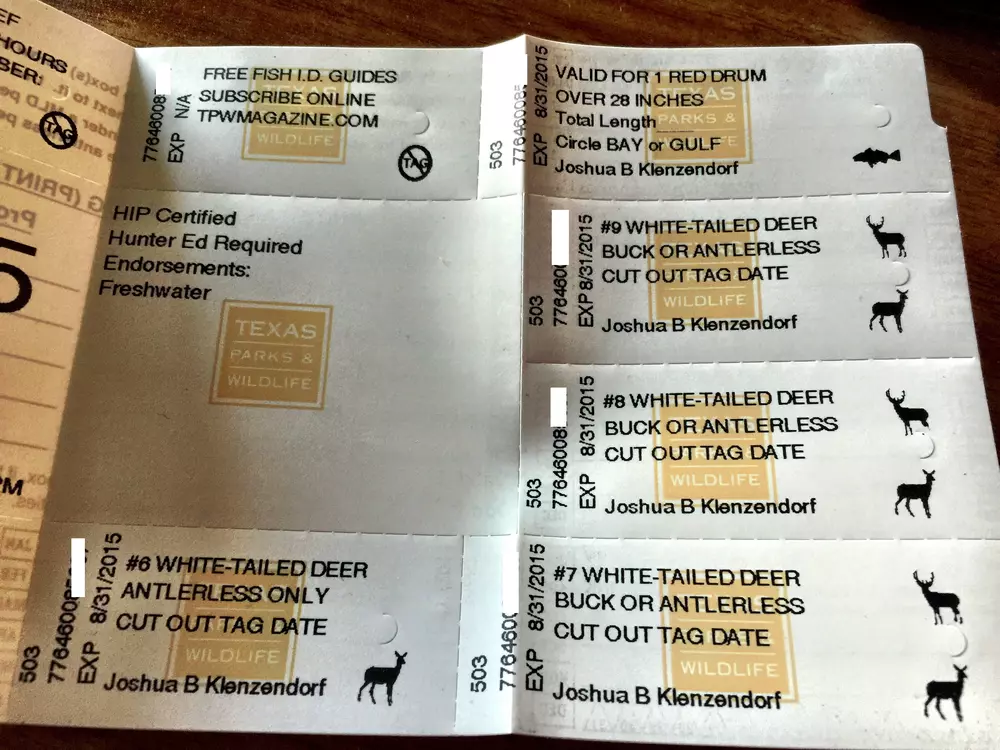
- Special Endorsements: Certain species or fishing activities may require additional endorsements or tags. The most notable is the Red Drum Tag, which is required for anyone wishing to keep a Red Drum over a certain size (currently 28 inches) and is automatically included in many saltwater fishing packages. Other endorsements might include specific stamps if fishing activities are part of a combination hunting and fishing license that involves migratory waterfowl. It’s crucial to check the current regulations annually, as they can be subject to change.
Where to Purchase Your License
The process of acquiring a Texas fishing license is designed for convenience, accommodating both local residents and visitors from out of state. The most straightforward and popular method is purchasing online directly through the TPWD website. This digital portal allows anglers to select their desired license type, complete the transaction securely, and print a temporary license immediately, or have a permanent one mailed. This is particularly beneficial for travelers who can secure their license before arriving at their destination.
For those who prefer an in-person transaction or need a license on the fly, numerous authorized retailers across the state sell Texas fishing licenses. These include most sporting goods stores, bait and tackle shops, gun stores, and major retail chains like Walmart and Academy Sports + Outdoors. Many county clerk offices and marinas also serve as license vendors. When purchasing in person, remember to bring a valid form of identification, such as a driver’s license. The accessibility of these purchasing options ensures that getting your fishing license is a hassle-free step, allowing you to focus more on planning your actual fishing adventure in Texas.
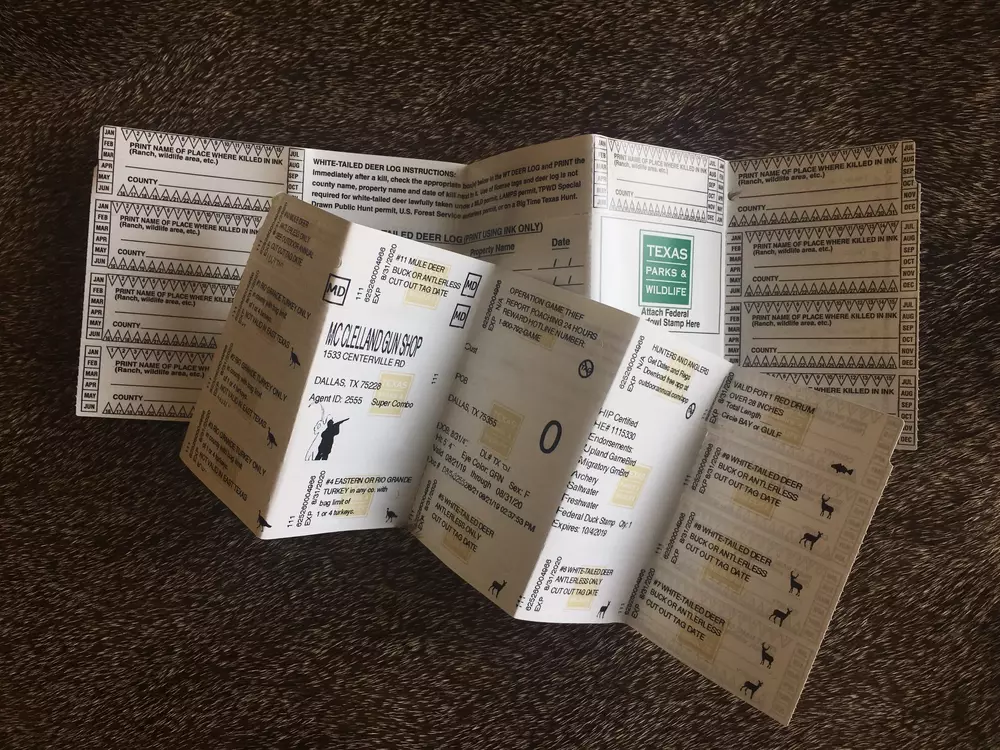
Decoding the Costs: A Detailed Breakdown of Texas Fishing Licenses
Understanding the financial investment required for a Texas fishing license is crucial for planning any angling excursion. The costs vary significantly based on residency status, the duration of the license, and the specific types of fishing privileges sought. The TPWD strives to keep licenses affordable while ensuring sufficient funds are collected to support their extensive conservation and management programs. It’s important to note that all fees are subject to change, and a small administrative fee may be added to online or vendor purchases. Always consult the official TPWD website for the most current pricing.
Resident License Fees
For residents of Texas, the annual fishing license options represent the best value for money, especially for those who fish frequently. Eligibility for resident licenses typically requires living in Texas for at least six months prior to purchase, among other criteria.
- Annual Resident Freshwater Fishing Package: This license covers all freshwater fishing in the state. As of recent updates, the cost is typically in the range of $30-$35.
- Annual Resident Saltwater Fishing Package (with Red Drum Tag): Designed for coastal anglers, this package includes the mandatory Red Drum Tag. Prices usually fall between $35-$40.
- Annual Resident All-Water Fishing Package (with Red Drum Tag): This is the most comprehensive option for residents, covering both freshwater and saltwater fishing activities, including the Red Drum Tag. This package generally costs around $45-$50.
- Senior Resident Annual Fishing License: Texas offers significant discounts for its senior residents. Those born before September 1, 1931, are exempt from licensing fees. For those born on or after September 1, 1931, who are 65 years or older, the “Senior Resident Fishing License” (which covers both freshwater and saltwater, including the Red Drum Tag) is available at a highly reduced price, typically around $10-$12. This is a fantastic benefit for retirees looking to enjoy the abundant fishing opportunities across the state.
- Resident Combination Hunting & Fishing Licenses: Various combinations are available, often providing a slightly reduced overall cost compared to purchasing individual licenses. For example, a “Resident Super Combo Hunting & All-Water Fishing Package” might cost around $65-$70, offering extensive privileges for both outdoor pursuits.
Non-Resident License Fees
Visitors to Texas can also experience the state’s incredible fishing, though non-resident license fees are generally higher to reflect their non-contribution to the state’s tax base that supports these resources.
- Annual Non-Resident Freshwater Fishing Package: For visitors focused solely on freshwater fishing, this license typically costs around $55-$60.
- Annual Non-Resident Saltwater Fishing Package (with Red Drum Tag): Coastal fishing for non-residents usually runs about $60-$65.
- Annual Non-Resident All-Water Fishing Package (with Red Drum Tag): The most comprehensive annual option for non-residents, covering all Texas public waters, generally costs approximately $65-$70.
- Non-Resident 1-Day All-Water Fishing Package: Perfect for a quick fishing trip or for those just trying it out, this convenient option usually costs around $11-$12.
- Non-Resident 5-Day All-Water Fishing Package: For a longer visit, the 5-day license offers excellent value, typically priced around $30-$35. These short-term options are extremely popular with tourists visiting Texas destinations like Galveston, Corpus Christi, or Lake Texoma.
Endorsements and Additional Fees
Beyond the base license fees, anglers should be aware of potential endorsements and additional costs:
- Red Drum Tag: As mentioned, this is often included in saltwater and all-water packages. If purchased separately or if you require an additional one (e.g., if you lost yours), there might be a small fee. This tag is critical for managing the popular Red Drum fishery in Texas.
- Federal Duck Stamp: If your combination license includes waterfowl hunting, a federal duck stamp is required in addition to your state licenses. This is a federal requirement, not state, and funds wetland conservation across the United States.
- Online Transaction Fees: A small convenience fee, usually a few dollars, is typically added to licenses purchased online or through retail vendors to cover processing costs.
By carefully considering their fishing plans and residency status, anglers can choose the most appropriate and cost-effective license package, ensuring they are legally compliant and ready to enjoy the diverse aquatic offerings of Texas.
Enhancing Your Texas Fishing Adventure: Beyond the License
Acquiring your Texas fishing license is just the initial step toward an unforgettable outdoor experience. To truly maximize your adventure, it’s essential to think beyond the regulatory requirements and consider the broader ecosystem of prime fishing locations, convenient accommodation, and responsible practices that define a fulfilling fishing lifestyle. Texas’s vast geographical expanse means an incredible diversity of angling opportunities, each demanding a bit of foresight and planning to truly enjoy.
Prime Fishing Destinations Across Texas
Texas boasts an impressive array of fishing hotspots, catering to every angler’s preference. Integrating a fishing trip with other travel plans can turn a simple outing into a comprehensive vacation.
- Freshwater Giants: For those chasing trophy largemouth bass, Lake Fork near Quitman is world-renowned, often referred to as the “Big Bass Capital of Texas.” Other prominent bass fisheries include Sam Rayburn Reservoir (the largest lake entirely within Texas), and Lake Conroe near Houston. For striped bass, Lake Texoma on the Texas-Oklahoma border offers exceptional action. Trout enthusiasts can find colder waters in the Guadalupe River (south of Canyon Lake) during winter stockings, a unique experience in the heart of the Texas Hill Country. Smaller lakes and rivers like the Brazos River and Colorado River also provide excellent opportunities for catfish, crappie, and sunfish, ideal for family outings.
- Saltwater Sanctuaries: The Texas Gulf Coast is a paradise for saltwater anglers. Galveston Bay near Houston is a prime spot for speckled trout and redfish, offering extensive opportunities for wade fishing, jetty fishing, and bay boat excursions. Further south, Corpus Christi and the Upper Laguna Madre are famed for their clear, shallow waters, perfect for sight-casting to redfish and flounder. Port Aransas and South Padre Island serve as gateways to both bay fishing and deep-sea adventures, where anglers can target kingfish, snapper, dorado, and even marlin. These coastal towns offer not just fishing, but vibrant local cultures, delicious seafood, and beautiful beaches perfect for a full vacation experience.
Accommodation and Travel Tips for Anglers
Planning your stay is as important as choosing your fishing spot. Texas’s tourism infrastructure caters well to anglers and their families:
- Diverse Accommodation Options: Near popular lakes, you’ll find everything from rustic cabins and cozy bed and breakfasts to well-equipped RV parks and modern hotels with boat parking. Coastal towns like Galveston and Port Aransas boast numerous beachfront resorts, vacation rentals, and condos that cater to fishing groups. Booking in advance, especially during peak fishing seasons or holidays, is highly recommended to secure your preferred lodging and potentially benefit from early bird rates.
- Guided Fishing Trips: For newcomers or those seeking to maximize their time on the water, hiring a professional fishing guide is an excellent investment. Guides provide boats, tackle, and invaluable local knowledge, significantly increasing your chances of success and teaching you specific techniques. Many guides operate out of popular fishing towns like Livingston (for Lake Livingston), Rockport, or Freeport.
- Exploring Beyond Fishing: Texas offers a wealth of attractions for non-fishing companions or for days off the water. In San Antonio, explore the historic Alamo and the bustling Riverwalk. In Houston, visit Space Center Houston or the Museum District. For nature lovers, Big Bend National Park or Padre Island National Seashore offer stunning landscapes and wildlife viewing. Integrating these experiences into your trip can create a well-rounded and memorable travel itinerary for the entire family.
Responsible Fishing and Conservation Efforts
A crucial aspect of the fishing lifestyle in Texas is embracing responsible angling practices. The purchase of your fishing license is just the start of your contribution to conservation.
- Understanding Regulations: Always familiarize yourself with current catch limits, size restrictions, and slot limits for the species you are targeting. These regulations are designed to protect fish populations and ensure healthy breeding stocks. Information is readily available on the TPWD website and in their annual outdoor annual booklet.
- Practicing Catch and Release: Where appropriate, especially for large breeding fish or species not intended for consumption, practicing proper catch and release techniques minimizes stress and injury to the fish, allowing them to thrive and contribute to future generations.
- Environmental Stewardship: Beyond fish, it’s vital to protect the habitats they rely on. This means packing out all trash, avoiding pollution, and respecting private property. The fees from fishing licenses directly support TPWD initiatives for habitat restoration, aquatic invasive species control, and public access development, all of which are critical for sustaining the rich fishing heritage of Texas. By adhering to these principles, anglers not only enjoy the present but also safeguard the future of fishing in the Lone Star State.
Making the Most of Your Texas Fishing Lifestyle
Fishing in Texas is more than just a hobby; for many, it’s a way of life that connects individuals and families with nature, fostering patience, skill, and a deep appreciation for the outdoors. It embodies a lifestyle centered around exploration, relaxation, and the thrill of discovery, perfectly aligning with the broader themes of travel, tourism, and lifestyle that Texas offers.
The vastness of Texas ensures that there’s always a new body of water to explore, a new species to target, or a new technique to master. This continuous learning and challenge are integral to the fishing lifestyle. Whether you’re fly fishing for trout in the Guadalupe River, battling redfish in the Laguna Madre, or pursuing largemouth bass in Lake Fork, each experience contributes to a richer understanding of the state’s diverse ecosystems.
For families, fishing trips provide invaluable bonding opportunities. Introducing children to fishing teaches them about wildlife, conservation, and the joy of simple pleasures away from screens. Many Texas state parks offer family-friendly fishing piers and educational programs, making it easy to integrate fishing into a larger family vacation. The memories forged during these trips—the shared excitement of a bite, the quiet moments of contemplation, and the stories told afterward—become cherished parts of a family’s history.
Beyond the license and the gear, budgeting for a fishing trip should also include considerations for travel, accommodation, food, and other local experiences. Many fishing destinations in Texas are situated near charming small towns or vibrant cities, offering cultural attractions, historical sites, and diverse culinary scenes. A fishing trip to Galveston, for instance, can combine bay fishing with visits to historic mansions, vibrant entertainment districts, and delicious seafood restaurants. Similarly, a freshwater excursion near Austin or Dallas can easily blend fishing with city sightseeing, live music, or culinary tours.
Ultimately, the cost of a fishing license in Texas is a small investment in a world of adventure and natural beauty. It’s an entry ticket to countless hours of enjoyment, a contribution to crucial conservation efforts, and an open invitation to embrace a fulfilling outdoor lifestyle. The true value lies not in the monetary amount, but in the experiences gained, the memories created, and the connection forged with the stunning natural landscapes of the Lone Star State.
In conclusion, embarking on a fishing adventure in Texas is a rewarding experience that begins with a simple, yet crucial, step: understanding and acquiring the correct fishing license. From the diverse options available for both residents and non-residents, including annual and short-term permits, to the convenience of purchasing online or through numerous retailers, the process is straightforward and designed to get you on the water quickly. The fees collected are directly reinvested into the state’s conservation efforts, ensuring that the incredible fishing opportunities Texas offers will be sustained for generations to come. So, secure your license, explore the myriad of freshwater lakes and saltwater bays, embrace responsible angling, and immerse yourself in the rich outdoor lifestyle that makes fishing in the Lone Star State truly exceptional. Your next great Texas adventure awaits!
LifeOutOfTheBox is a participant in the Amazon Services LLC Associates Program, an affiliate advertising program designed to provide a means for sites to earn advertising fees by advertising and linking to Amazon.com. Amazon, the Amazon logo, AmazonSupply, and the AmazonSupply logo are trademarks of Amazon.com, Inc. or its affiliates. As an Amazon Associate we earn affiliate commissions from qualifying purchases.