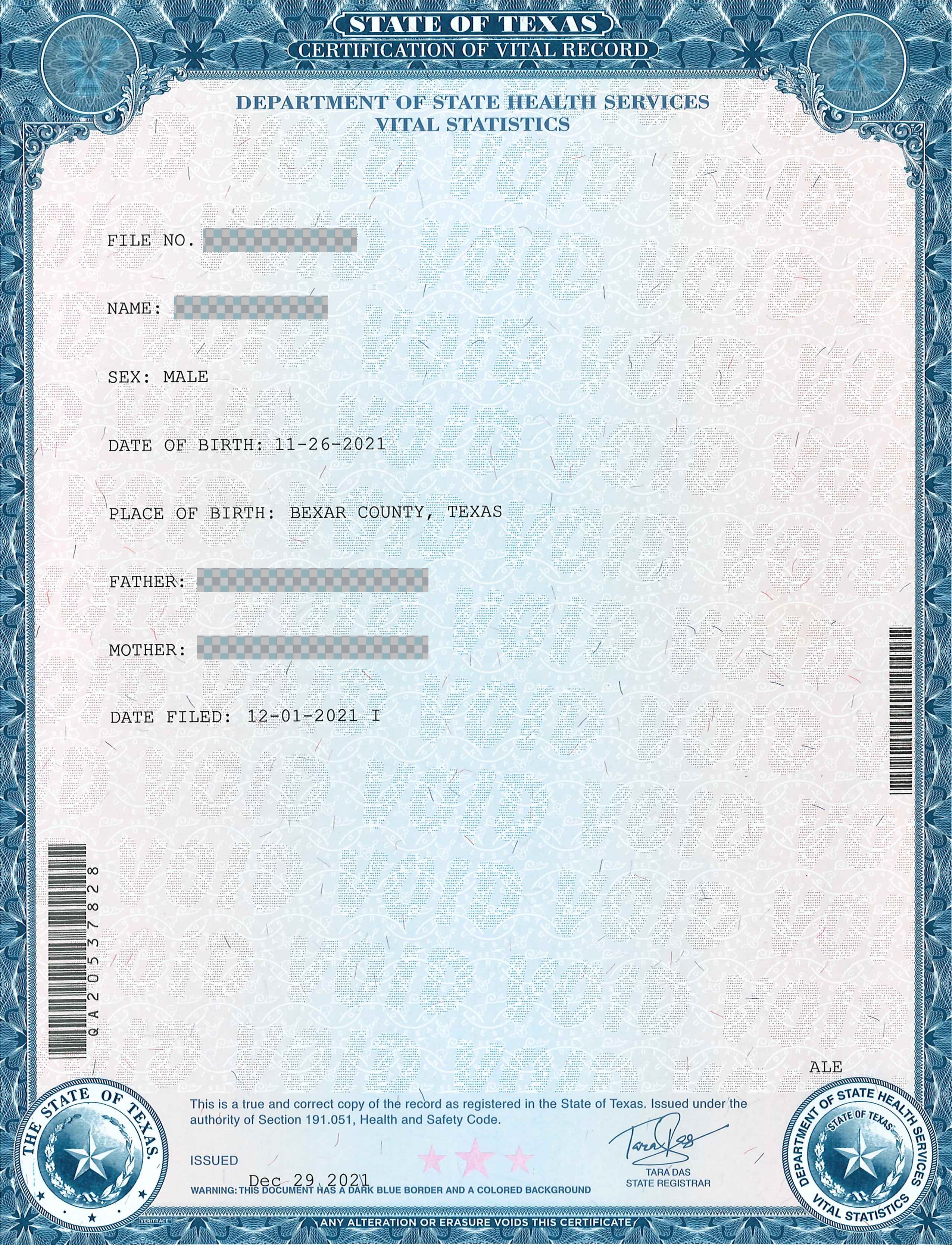
Navigating the administrative requirements of any state, especially one as vast and dynamic as Texas, can sometimes feel like a journey in itself. Whether you’re a long-time resident, a new transplant establishing roots, or a traveler planning future adventures, understanding how to obtain essential documents like a birth certificate is paramount. This isn’t just about bureaucracy; it’s about unlocking opportunities for travel, securing your identity, and ensuring seamless transitions in life. From applying for your first U.S. Passport to enrolling children in school after a family relocation, a certified copy of a birth certificate from the Lone Star State is an indispensable asset. This comprehensive guide will walk you through the process, weaving in practical advice that considers the broader context of travel, accommodation, and lifestyle, ensuring you’re well-equipped for whatever your Texas journey entails.
Navigating the Lone Star State’s Vital Records: Why Your Birth Certificate Matters for Travel & Life
In the grand tapestry of life and travel, certain documents serve as fundamental threads, and a birth certificate is undoubtedly one of them. For anyone with a connection to Texas—whether you were born there, your children were, or you’re managing family affairs—this document holds significant weight. Its importance extends far beyond mere record-keeping, impacting your ability to explore the world, establish residency, and even secure certain accommodations.
Essential for U.S. Passport Applications and International Travel
One of the most common and critical reasons individuals need a birth certificate is to apply for a U.S. Passport. Without a certified copy of your birth certificate, proving your U.S. citizenship for international travel becomes significantly more challenging, if not impossible. Imagine planning that dream vacation to Paris, a thrilling safari in Africa, or a tranquil retreat in the Caribbean, only to find your travel plans grounded due to missing documentation. Your Texas birth certificate is a cornerstone document for securing your freedom to explore global destinations. It’s not just for first-time applicants; sometimes, renewed passports or specific visa applications also require original proof of birth. This vital record serves as your official proof of place of birth and parentage, fulfilling a fundamental requirement for the U.S. Department of State.
Proving Identity for Domestic Travel and Accommodation Bookings
While a passport is primarily for international journeys, a birth certificate can also play a supporting role in domestic travel and accommodation. In instances where other forms of identification might be lost or unavailable, a birth certificate, coupled with a secondary ID, can help establish your identity. For instance, if you’re checking into a high-end resort like the Omni Dallas Hotel or a unique boutique stay in Austin, valid identification is always required. While a driver’s license is typical, understanding the backup options is part of smart travel planning. Furthermore, for minors traveling alone or with non-parental guardians, a birth certificate might be requested by airlines or accommodations to confirm age and parental consent, ensuring a smooth and worry-free experience for everyone involved. It’s a layer of security and verification that underpins many aspects of modern travel logistics.
Relocating to Texas: Education, Healthcare, and Long-Term Stays
For those embracing a new lifestyle in Texas, perhaps moving to dynamic cities like Houston or San Antonio, a birth certificate becomes crucial for establishing a new life. If you’re enrolling children in the Texas public school system, their birth certificates are standard requirements. Similarly, when setting up healthcare services, applying for social security benefits, or even some long-term accommodation leases, this document often pops up on the checklist. It confirms identity, age, and legal parentage, streamlining processes that are essential for integrating into your new community. Thinking about a long-term stay in an Austin apartment or a family home in Fort Worth? Having all your vital records in order simplifies everything from utility hookups to applying for a Texas driver’s license, making your transition as comfortable as possible. This foundational document supports countless administrative tasks that define life as a Texas resident.
The Step-by-Step Guide to Obtaining Your Texas Birth Certificate
Acquiring a certified copy of a birth certificate in Texas is a structured process designed to protect personal information while ensuring legitimate access to vital records. Whether you need it for a thrilling international journey, a move to a vibrant Texas city, or simply for personal record-keeping, understanding the proper channels is key.
Who Can Request a Certified Copy? (Eligibility Requirements)
To safeguard sensitive personal data, Texas law restricts who can obtain a certified copy of a birth certificate. Generally, access is granted to individuals with a “direct, tangible interest” in the record. This typically includes:
- The individual named on the birth certificate: If you are the person whose birth is recorded.
- A parent named on the birth certificate: Biological or adoptive parents.
- A legal guardian: With appropriate court documentation proving guardianship.
- A child, spouse, or sibling of the person named on the birth certificate: This includes direct relatives, but they may need to provide additional proof of relationship.
- An attorney representing one of the above individuals: They must provide a letter of representation.
- A funeral director: Acting on behalf of an eligible family member for specific purposes.
It’s crucial to note that proof of identity and relationship will be required, often in the form of a valid government-issued ID and supporting documents like marriage licenses or other birth certificates to establish the familial link. This ensures that privacy is maintained while providing access to those who legitimately need it.
Required Documentation for Your Application
Regardless of your chosen application method, you will need to prepare specific documents to successfully obtain a Texas birth certificate. These are essential for verifying your identity and your eligibility to receive the document.
-
Valid Photo Identification: This is the most critical piece of documentation. Acceptable forms include:
- U.S. Passport or passport card
- Texas driver’s license or state-issued ID card
- Other state-issued driver’s license or ID card
- U.S. Military ID
- Permanent Resident Card (Green Card)
- Employment Authorization Document (EAD)
If you don’t have one of these primary IDs, a combination of secondary IDs might be accepted (e.g., two secondary IDs or one secondary and two supporting IDs). Always check the specific requirements of the Texas Department of State Health Services (DSHS) or the local vital records office, as these can sometimes vary.
-
Proof of Relationship (if not the registrant): If you are applying for someone else’s birth certificate, you must provide documentation proving your relationship, such as:
- Your own birth certificate (if applying for a child or parent)
- A marriage license (if applying for a spouse)
- Court documents (for legal guardianship)
-
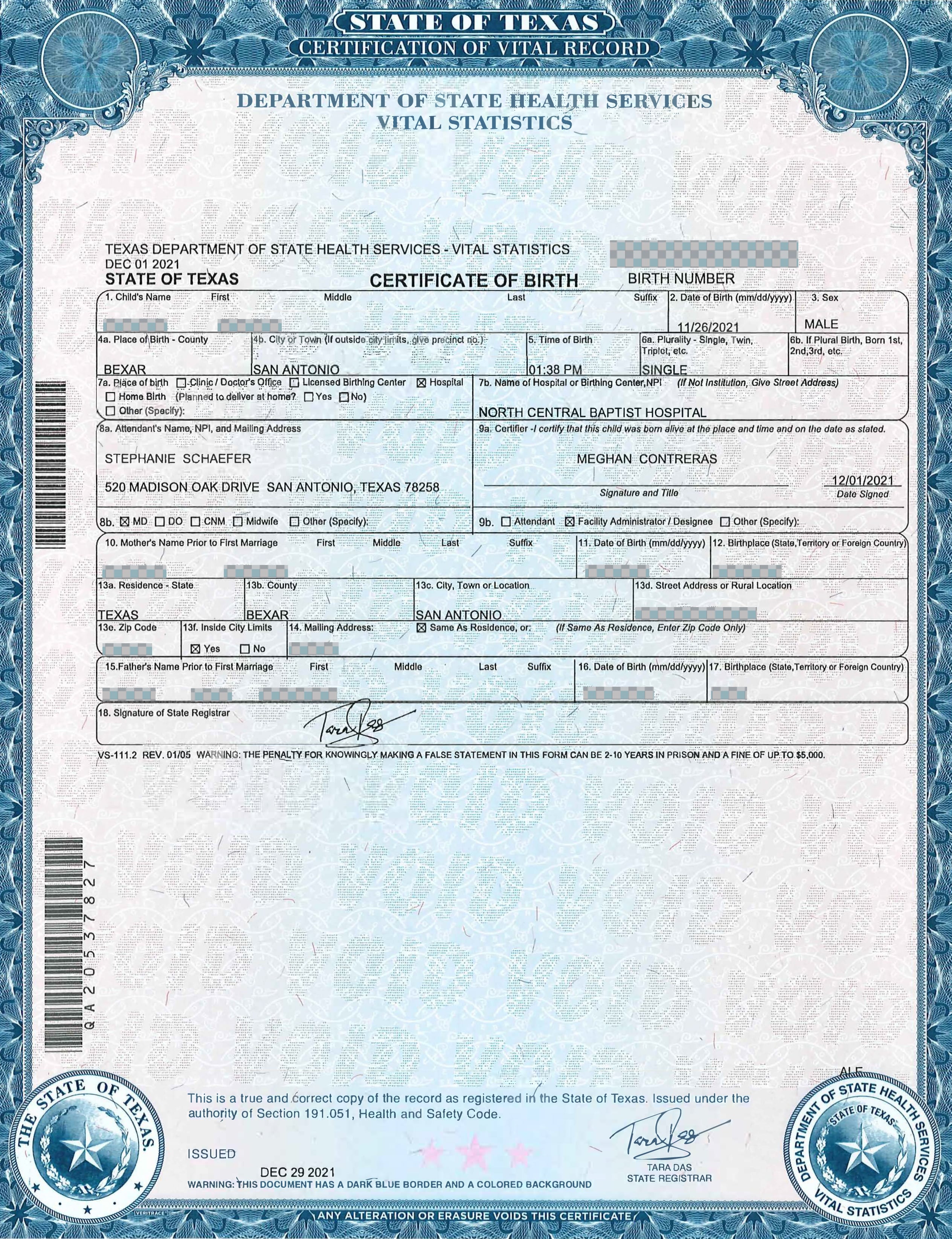
Completed Application Form: A specific application form for a certified copy of a birth certificate must be filled out accurately. These forms are usually available for download online from the Texas DSHS Vital Statistics website or at local vital records offices.
Choosing Your Application Method: Online, Mail, or In-Person
Texas offers several convenient ways to apply for a birth certificate, each with its own advantages, catering to different lifestyles and travel schedules.
-
Online Applications: Convenience for the Modern Traveler
For the digital-savvy traveler or busy individual, applying online is often the most appealing option. The Texas DSHS Vital Statistics partners with third-party vendors (like Texas.gov‘s official portal or approved vital record services) to facilitate online requests. This method offers the flexibility to apply from anywhere, whether you’re relaxing at a luxury resort in South Padre Island, preparing for a business stay in Dallas, or even before you arrive in Texas. You’ll typically upload scanned copies of your ID and supporting documents, pay via credit card, and the certificate will be mailed to you. While generally faster than mail-in applications, there might be a small convenience fee associated with online processing. -
Mail-In Applications: Traditional Approach for Remote Access
If you prefer a more traditional route or are located in an area without easy access to vital records offices, applying by mail is a reliable choice. You’ll need to download and print the application form from the Texas DSHS Vital Statistics website, complete it, and mail it along with a clear photocopy of your valid ID, proof of relationship, and a check or money order for the fees. This method is suitable for those who aren’t in a hurry and need to send documents from a distance, perhaps from a long-term rental in a quiet Texas Hill Country town or even from another state. Be sure to use certified mail for important documents. -
In-Person Applications: Expedited Service in Key Texas Locations
For those seeking the quickest turnaround or needing personalized assistance, applying in person is the best option. You can visit the Texas DSHS Vital Statistics office in Austin or a local county vital records office. Major counties like Harris County (Houston), Dallas County (Dallas), Travis County (Austin), and Bexar County (San Antonio) have offices where you can apply and often receive a certified copy on the same day, provided all documentation is in order. This can be particularly beneficial for travelers with tight schedules or new residents who need documents quickly for school enrollment or other urgent matters. Consider combining your visit with exploring local landmarks or enjoying the vibrant culture of these Texas cities.
Understanding Fees and Processing Times
Fees for a Texas birth certificate are standardized across the state, though online vendors might add a small processing fee. As of current guidelines, a certified copy typically costs around $23. It’s always advisable to check the official Texas DSHS Vital Statistics website for the most up-to-date fee schedule, as these can change.
Processing times vary significantly depending on the application method:
- In-person: Often same-day service, or within a few business days.
- Online: Typically 10-15 business days, plus shipping time.
- Mail-in: Can take 3-6 weeks, sometimes longer during peak periods, plus mail transit time.
It’s always prudent to apply well in advance of any deadlines, especially if you require the document for an upcoming trip or immigration process. Expedited shipping options might be available for online or mail-in requests for an additional fee, a worthwhile consideration for those on a tight schedule.
Planning Your Trip Around Vital Records: Tips for Visitors and New Residents
Integrating the task of obtaining a birth certificate into your travel itinerary or relocation plans can be surprisingly efficient and even enjoyable. Texas offers a wealth of attractions, and by strategically planning your visit to a vital records office, you can transform a bureaucratic errand into part of a memorable Texas experience.
Combining Your Visit with Texas Attractions
If you choose the in-person application method, you’ll likely find yourself in one of Texas’s major metropolitan areas, each brimming with opportunities for tourism and exploration. For instance, if your nearest vital records office is in Austin, you could spend the morning at the Travis County Clerk’s office and then dedicate your afternoon to exploring the Texas State Capitol, enjoying live music on Sixth Street, or kayaking on Lady Bird Lake. Similarly, an application in Houston could be combined with a visit to the Space Center Houston or an afternoon at the Museum District. In San Antonio, after visiting the Bexar County Clerk’s office, you could stroll along the historic River Walk or pay homage at The Alamo. Planning your administrative tasks around nearby landmarks and attractions transforms a chore into a curated experience.
Securing Accommodation Near Vital Records Offices
To minimize stress and travel time, consider booking accommodation strategically. If you know you’ll be making an in-person application in Dallas, look for hotels or apartment rentals in the downtown area, close to the Dallas County Clerk’s office. Many cities offer a range of accommodation options, from luxurious hotel suites perfect for a business stay to cozy boutique hotels that offer a taste of local charm. For families, consider a hotel with amenities like a pool or easy access to public transport, like the Hyatt Regency Dallas or a serviced apartment, to make your stay comfortable while you handle your vital records. Booking accommodations that are well-located can significantly streamline your trip, whether it’s a quick in-and-out visit or a longer relocation effort.
Local Culture and Dining While You Wait
Waiting for documents to be processed, even if just for a few hours, presents a perfect opportunity to immerse yourself in Texas’s rich local culture and famous culinary scene. In Austin, you might grab some authentic Texas BBQ or explore the city’s food truck scene. In Houston, renowned for its diverse gastronomy, you could sample everything from Tex-Mex to Vietnamese cuisine. San Antonio offers historic eateries and vibrant market squares. Rather than viewing the wait as downtime, embrace it as an integral part of your Texas experience, savoring the local flavors and sights that make the state so unique. This approach aligns perfectly with a lifestyle that values experiences and local discoveries, even amidst administrative duties.
In conclusion, obtaining a birth certificate in Texas is a clear and manageable process, whether you’re preparing for exciting international travel, establishing a new home in the state, or simply updating your family records. By understanding the eligibility requirements, preparing the necessary documentation, and choosing the application method that best suits your needs, you can efficiently secure this crucial document. Moreover, with a little strategic planning, the task can even become an integrated part of a rewarding Texas adventure, allowing you to explore the state’s vibrant cities, iconic landmarks, and unique local culture. This small administrative step opens doors to a world of possibilities, both within the vast expanse of Texas and across global destinations.