
For many, a driver’s license is more than just a permit to operate a vehicle; it’s a fundamental piece of identification, a gateway to independence, and an essential document for navigating the modern world. For travelers, adventurers, and even those planning a simple staycation within the sprawling United States, an up-to-date driver’s license from the Texas Department of Public Safety (DPS) is absolutely indispensable. Whether you’re embarking on a cross-country road trip, renting a car for a weekend getaway to Austin, checking into a charming boutique hotel in San Antonio, or simply flying domestically, your Texas driver’s license plays a pivotal role.
An expired license can quickly turn a dream travel itinerary into a frustrating ordeal. Imagine arriving at Dallas/Fort Worth International Airport only to be told your identification isn’t valid for boarding, or attempting to pick up a rental car for a scenic drive through Big Bend National Park and being turned away. These scenarios highlight the critical importance of keeping your Texas Driver’s License current. This comprehensive guide will walk you through everything you need to know about renewing your Texas Driver’s License, ensuring your journey—wherever it may lead—remains smooth and uninterrupted.
Understanding Your Eligibility and Renewal Options
Before diving into the “how-to,” it’s crucial to understand when and how you can renew your Texas Driver’s License. The Texas DPS offers several convenient options, but your eligibility for each depends on specific criteria. Knowing these parameters in advance can save you time and potential headaches, allowing you to focus more on planning your next adventure rather than administrative hurdles.
Who Can Renew Online or by Mail?
The most convenient renewal methods are online or by mail, often preferred by busy individuals and frequent travelers. You may be eligible for these options if you meet the following conditions:
- Age and Citizenship: You are between 18 and 79 years old. If you are a U.S. citizen, your license has not expired for more than two years. If you are not a U.S. citizen, you must have an immigration status that allows for a limited-term license, and your license must not be expired for more than two years.
- Driving Record: You have no new medical conditions that would affect your ability to drive safely and no outstanding traffic tickets or warrants. Your driver’s license status must not be suspended, revoked, or canceled.
- Previous Renewals: You are renewing a non-commercial driver’s license or ID card. In many cases, you cannot renew online or by mail if you’ve done so for the past two consecutive renewals. This “in-person” check ensures that the DPS can periodically verify your identity and current photo.
- No Changes: You do not need to change your name, address (though a change of address can sometimes be done separately online), or other identifying information on your license.
Meeting these criteria makes the renewal process significantly smoother, offering the flexibility to complete it from anywhere, whether you’re relaxing at home or in an accommodation abroad.
The In-Person Requirement: When You Need to Visit a DPS Office
While online and mail renewals are convenient, there are specific circumstances that mandate an in-person visit to a Texas DPS office. These requirements are in place to ensure accuracy, verify identity, and address any changes that cannot be handled remotely.
- Age 80 and Older: If you are 80 years old or older, you must renew in person. This typically involves an eye exam to ensure continued driving safety.
- First Renewal after Moving to Texas: If this is your first Texas Driver’s License renewal, you may be required to renew in person, especially if you converted an out-of-state license.
- Name or Identification Changes: If you need to change your name (e.g., due to marriage or divorce) or make other significant changes to your identification information, an in-person visit is necessary to provide supporting legal documents.
- Expired Over Two Years: If your license has been expired for more than two years, you generally cannot renew it online or by mail. You may need to reapply for a new license, which involves passing the written and driving tests again.
- Two Consecutive Remote Renewals: As mentioned, after two consecutive online or mail renewals, the DPS typically requires an in-person renewal to update your photo and verify your information. This is a crucial step for maintaining the integrity of your identity document, particularly important for secure travel and identification purposes.
Important Documents and Fees
Regardless of your chosen renewal method, gathering the necessary documents and understanding the associated fees beforehand is critical. Preparation is key to a hassle-free process.
- Proof of Identity: This typically includes your current driver’s license, a U.S. passport, or original birth certificate.
- Proof of Residency: Two documents showing your Texas residency, such as a utility bill, voter registration card, or rental agreement. This is vital, especially for new residents.
- Proof of Social Security Number (SSN): Your Social Security card or a document displaying your full SSN.
- Proof of Lawful Presence: For non-U.S. citizens, documentation verifying your legal status in the country.
- Renewal Fees: The standard fee for a non-commercial Class C driver’s license renewal is generally around $33. Fees can be paid online via credit card (Visa, MasterCard, Discover, American Express) or in person with cash, check, money order, or credit card. Always check the official DPS website for the most current fee schedule.
The Online Renewal Process: A Traveler’s Convenience
For eligible individuals, renewing your Texas Driver’s License online is by far the most convenient and efficient method. This option is a godsend for travelers who might be on the road, out of state, or simply prefer to manage their affairs digitally. It embodies the modern lifestyle of efficiency and minimal fuss, allowing more time for actual traveling.
Step-by-Step Guide to Online Renewal
The online renewal portal is designed to be user-friendly, guiding you through each stage. Here’s a general overview:
- Visit the Official DPS Website: Navigate to the official Texas DPS Driver License Renewal and Change Service page. Be wary of third-party sites that may charge unnecessary fees or collect personal information.
- Verify Eligibility: The system will prompt you to enter information from your current license (e.g., driver’s license number, date of birth, audit number) to confirm your eligibility for online renewal.
- Answer Qualification Questions: You’ll be asked a series of questions related to your medical condition, citizenship status, and driving record to ensure you still meet the requirements for a Texas Driver’s License.
- Confirm Information: Review all your personal information displayed on the screen, including your current address. Make any necessary updates that are permitted through the online portal.
- Pay the Fee: Enter your payment information. The website accepts major credit cards. You’ll receive a confirmation email once the payment is processed.
- Print Your Temporary License: Immediately after successful payment, you’ll be able to print a temporary 30-day driver’s license. This temporary document is valid for driving and as proof of identification until your permanent card arrives in the mail. Keep it with you, especially if you have immediate travel plans.
- Receive Your New Card: Your new permanent Texas Driver’s License should arrive in the mail within 2-3 weeks.
Benefits for the Modern Traveler
For those whose lifestyle involves frequent travel, the online renewal option offers invaluable benefits:
- Time-Saving: Eliminate the need to commute to a DPS office and endure potential wait times. This saved time can be better spent exploring a new destination or relaxing at a resort.
- Flexibility: Renew your license 24/7 from anywhere with an internet connection. Whether you’re in Mexico on vacation or at home in Houston, the process is accessible.
- Peace of Mind: Proactive renewal means you won’t face issues with an expired ID when checking into a hotel or picking up a rental car for a spontaneous trip to Galveston.
Common Pitfalls to Avoid
While straightforward, a few common issues can derail an online renewal:
- Browser Compatibility: Ensure you’re using a compatible web browser and have a stable internet connection.
- Payment Declines: Double-check your credit card information. Expired cards or insufficient funds will cause the transaction to fail.
- Incorrect Information: Carefully review all entered data. Errors can delay the processing of your new license.
- Missing Confirmation/Temporary License: Always save or print your confirmation page and temporary license. These are crucial proof of renewal until your permanent card arrives.
In-Person Renewal: Navigating the DPS Office
Despite the convenience of online services, an in-person visit to a Texas DPS office is sometimes unavoidable. While it might seem less appealing than an online click, a well-prepared visit can be quick and efficient, ensuring you’re back to planning your next trip to Corpus Christi in no time.
What to Expect at a Texas DPS Office
The experience at a DPS office can vary, but generally, you should expect:
- Appointments: Many DPS offices allow or even encourage scheduling appointments online. This is highly recommended to minimize wait times. Walk-ins are usually accepted but may involve considerable delays, especially in larger cities like Dallas or Fort Worth.
- Check-in Process: Upon arrival, you’ll likely check in at a kiosk or with a receptionist, where your appointment will be confirmed, or you’ll be given a number for the queue.
- Document Verification: A DPS representative will review all your required documents to ensure they are complete and valid. This is where meticulous preparation pays off.
- Photo and Biometrics: Your new photo will be taken, and you may be required to provide fingerprints.
- Eye Exam and Other Tests: You will undergo a vision test. Depending on your age or if there are any flags on your driving record, you might be asked to take a written or even a driving test.
- Payment: Once all checks are cleared, you’ll pay the renewal fee.
- Temporary License: You’ll typically receive a temporary paper license valid for 45 days, with your permanent card mailed to you within a few weeks.
Tips for a Smooth In-Person Experience
To make your in-person renewal as smooth as possible, consider these tips:
- Schedule an Appointment: As mentioned, this is your best bet to avoid long queues. Check the DPS website for scheduling options.
- Arrive Prepared: Bring ALL required documents (originals, not copies, unless specified) in an organized manner. A checklist can be very helpful.
- Arrive Early: Even with an appointment, arriving 10-15 minutes early gives you time to find parking and check in without rushing.
- Consider Off-Peak Times: Weekday mornings, especially Tuesday through Thursday, are often less busy than Mondays, Fridays, or lunch hours.
- Dress Appropriately: You’ll be taking a new photo, so dress as you would for any official ID.
- Be Patient: Despite your best efforts, wait times can occur. Bring a book or something to occupy your time.
Eye Exams and Other Requirements
A crucial part of an in-person renewal is the vision test. This simple test ensures you meet the minimum vision requirements to operate a vehicle safely. If you wear glasses or contact lenses, bring them with you. Should you fail the vision test, you might be required to see an ophthalmologist or optometrist and submit a vision statement to the DPS.
For certain scenarios, such as very old or very expired licenses, or if the DPS identifies any issues, you might also face a written knowledge test or even a practical driving test. These are less common for standard renewals but are important to be aware of.
Beyond Renewal: Your Texas Driver’s License and Travel
Your Texas Driver’s License is more than just a document for driving; it’s a versatile identification card that facilitates numerous aspects of travel and lifestyle. Its validity directly impacts your ability to move freely and seamlessly, whether you’re taking a domestic flight or simply checking into a hotel.
The Driver’s License as a Key Travel Document
For most domestic travel within the United States, your state-issued driver’s license serves as your primary form of identification.
- Airport Security (TSA): The Transportation Security Administration (TSA) requires a valid, unexpired government-issued photo ID for all adult passengers aged 18 and over. An expired license, even by a day, can lead to significant delays and potentially missing your flight.
- Car Rentals: Rental car agencies strictly enforce the requirement of a valid, unexpired driver’s license. No valid license, no car. This is critical for road trips to popular Texas landmarks like The Alamo or NASA Johnson Space Center.
- Hotel Check-ins: While some hotels might be lenient, most reputable accommodations, especially those in major tourist hubs, require a valid photo ID for check-in.
- General Identification: From purchasing age-restricted items to simply proving your identity, your driver’s license is constantly called upon.
Exploring Texas: Road Trips and Destinations
With a renewed Texas Driver’s License in hand, the open roads of the Lone Star State beckon. Texas offers an incredible array of destinations and experiences, perfect for a memorable road trip.
- City Escapes: Explore the vibrant music scene and culinary delights of Austin, the historic charm of San Antonio’s River Walk, the cosmopolitan flair of Dallas, or the sprawling urban landscape and cultural institutions of Houston.
- Coastal Getaways: Head to Galveston for historic architecture and beach fun, or enjoy the calmer waters and birdwatching in Corpus Christi.
- Natural Wonders: Venture west to Big Bend National Park for breathtaking desert landscapes, hiking, and stargazing. A valid license is indispensable for navigating the park’s expansive roads.
- Theme Parks and Attractions: Drive the family to Six Flags Over Texas in Arlington or visit the Dallas World Aquarium with the confidence of valid ID.
Each of these journeys, big or small, relies on your ability to legally and confidently operate a vehicle or prove your identity.
REAL ID Compliance and Future Travel
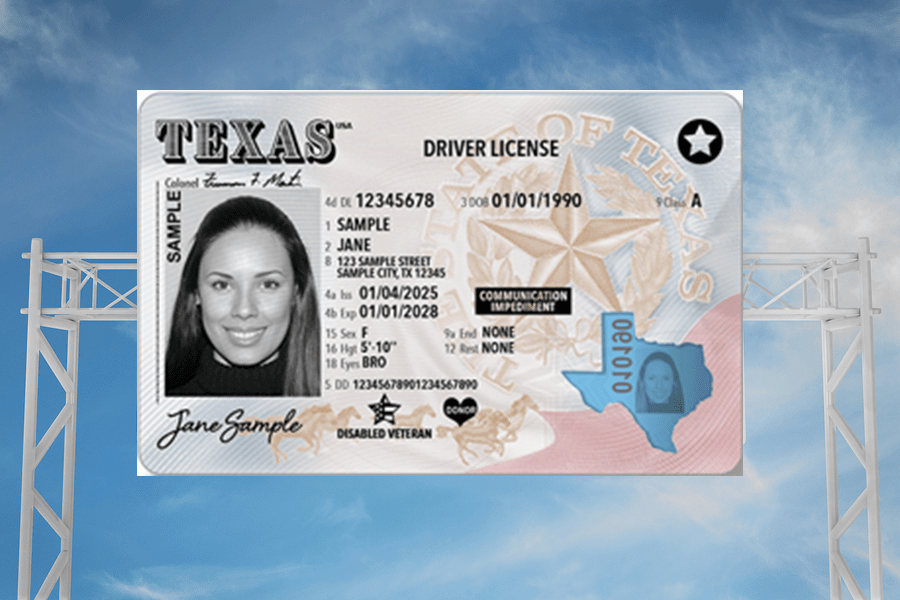
It’s also important to consider the REAL ID Act. While the enforcement deadline has been pushed back, eventually, a REAL ID-compliant driver’s license or another acceptable form of identification (like a passport) will be required for domestic air travel and to access certain federal facilities. Most newer Texas Driver’s Licenses are REAL ID-compliant, indicated by a gold star in the upper right corner. When renewing, especially in person, ensure your license meets these standards for future peace of mind regarding your travel plans.
Renewing your Texas Driver’s License might seem like a mundane task, but its implications for your travel and everyday lifestyle are far-reaching. By understanding the process, preparing your documents, and choosing the most convenient renewal method, you can ensure that this essential piece of identification remains valid, keeping you on the road and ready for your next grand adventure or simple daily commute. Don’t let an expired license be the roadblock to your next unforgettable Texas experience or international journey. Renew on time, and keep exploring!
LifeOutOfTheBox is a participant in the Amazon Services LLC Associates Program, an affiliate advertising program designed to provide a means for sites to earn advertising fees by advertising and linking to Amazon.com. Amazon, the Amazon logo, AmazonSupply, and the AmazonSupply logo are trademarks of Amazon.com, Inc. or its affiliates. As an Amazon Associate we earn affiliate commissions from qualifying purchases.