
When planning a trip to the vast and diverse Texas, one of the first questions many travelers might ask, perhaps subconsciously, revolves around time. “Is Texas Central Time Zone?” is a query that delves deeper than just setting your watch; it impacts everything from flight schedules and hotel check-ins to coordinating business meetings and catching that unforgettable sunset at a remote national park. Understanding the time zones of the Lone Star State is crucial for a seamless travel experience, especially given its immense size and geographical nuances.
Texas is a land of superlatives: the second-largest state in the United States by both area and population, boasting landscapes that range from the pine forests of East Texas to the deserts and mountains of West Texas, and from the bustling metropolises of Dallas and Houston to the cultural heartlands of Austin and San Antonio. This incredible breadth means that while the majority of the state does indeed fall within the Central Time Zone (CT), there’s a significant exception that every discerning traveler, business professional, or long-term visitor should be aware of. This article will guide you through the intricacies of Texas’s time zones, highlight key destinations, and provide essential tips to ensure your visit is perfectly timed.
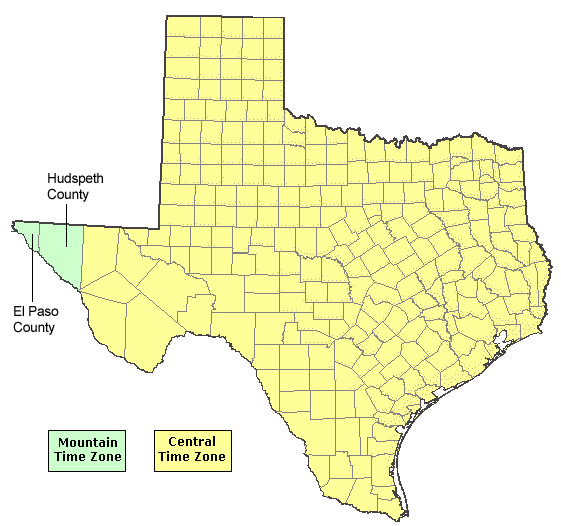
Navigating the Time Zones of Texas
For most of your adventures across Texas, you’ll find yourself firmly rooted in the Central Time Zone. However, the state’s expansive western border introduces a fascinating and important deviation.
The Dominant Central Time Zone (CT)
The vast majority of Texas, stretching from the Gulf of Mexico eastward to Louisiana and Arkansas, northward to Oklahoma, and westwards into its rugged interior, operates on Central Time. This means that for anyone visiting or residing in major cities like Houston, Dallas, Austin, and San Antonio, their clocks will reflect CT, which is UTC-06:00 (GMT-6).
Consider the implications for your travel planning:
- Houston: Home to Space Center Houston and a vibrant culinary scene, all local activities, flight arrivals at George Bush Intercontinental Airport, and hotel bookings will adhere to CT.
- Dallas & Fort Worth: The dynamic Dallas-Fort Worth Metroplex, with its iconic landmarks like the Sixth Floor Museum and Kimbell Art Museum, also operates on CT. Business travelers, in particular, will find that meetings and corporate schedules are set to this time.
- Austin: The state capital, known for its live music, eclectic culture, and tech industry, operates entirely within CT. From catching a show on Sixth Street to exploring the Texas State Capitol, your schedule will align with CT.
- San Antonio: Steeped in history with sites like the Alamo and the picturesque River Walk, San Antonio is also firmly in CT. This applies to guided tours, restaurant reservations, and all other tourism-related activities.
For the overwhelming majority of visitors, especially those focusing on Central Texas, North Texas, South Texas, or East Texas, the Central Time Zone will be your constant companion.
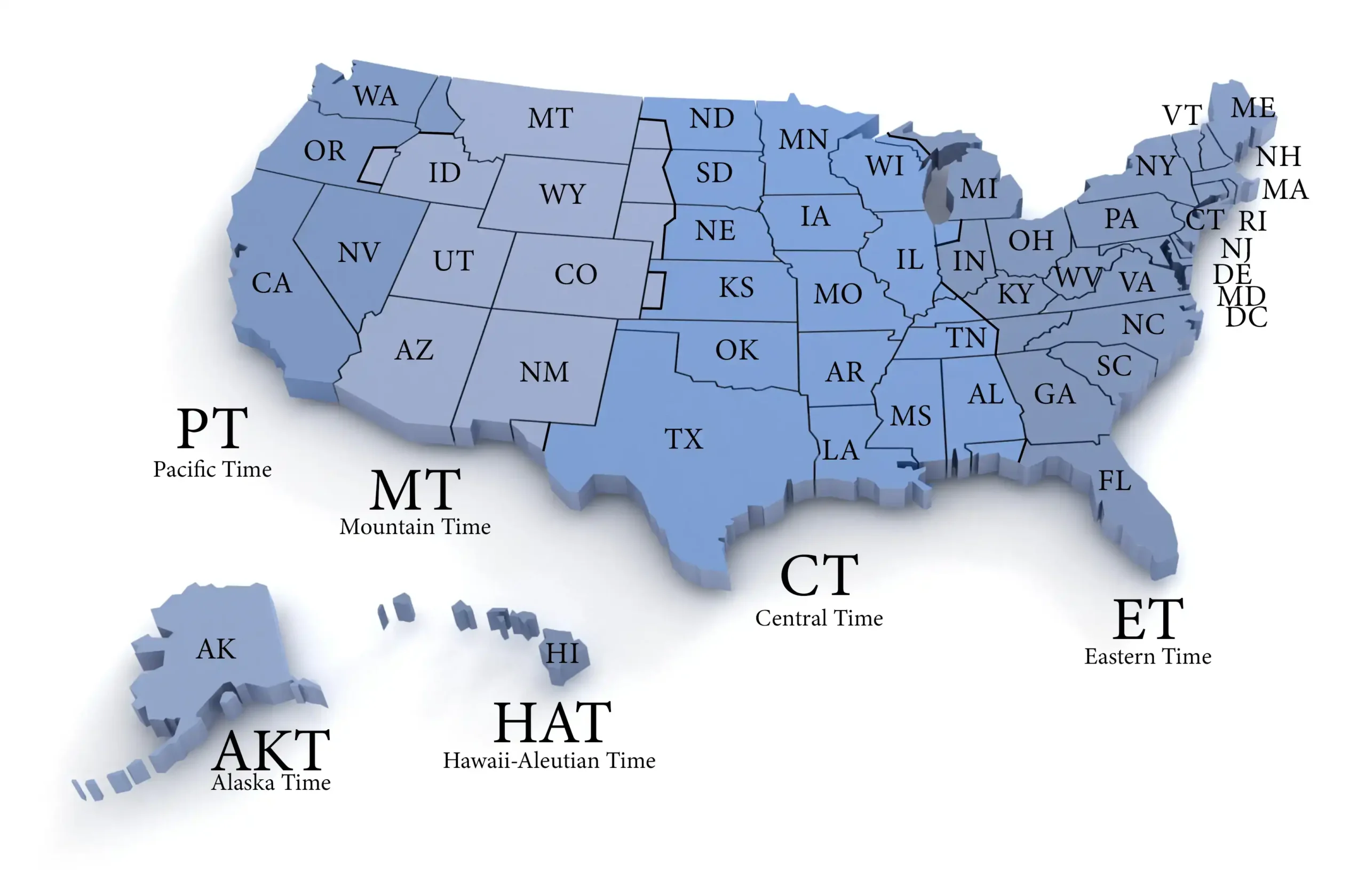
The Western Frontier: Mountain Time Zone (MT)
The exception to the Central Time Zone rule lies in the far western reaches of Texas, specifically the area centered around the city of El Paso. This region, comprising El Paso County and parts of Hudspeth County and Culberson County, observes the Mountain Time Zone (MT), which is UTC-07:00 (GMT-7). This means that clocks in El Paso are one hour behind the rest of the major cities in Texas.
This geographical alignment makes perfect sense when you consider El Paso’s proximity to New Mexico and Arizona, both of which primarily operate on Mountain Time. For travelers venturing into this ruggedly beautiful part of the state, perhaps to explore Big Bend National Park (which oddly straddles the unofficial line, but mostly operates on CT by local custom for park services) or Guadalupe Mountains National Park (which officially observes MT), being aware of this time shift is vital.

Imagine flying from Dallas to El Paso. A two-hour flight would feel like a three-hour journey if you didn’t account for the one-hour time difference. This adjustment is crucial for connecting flights, hotel check-ins in El Paso, and any scheduled activities in the region, such as crossing the border into Mexico or visiting nearby attractions like Carlsbad Caverns National Park in New Mexico.
Daylight Saving Time: Shifting Clocks in the Lone Star State
Like most of the United States, Texas observes Daylight Saving Time (DST). This annual adjustment means that clocks are moved forward by one hour in the spring and back by one hour in the fall.
- When it happens: DST typically begins on the second Sunday in March, when clocks “spring forward,” and ends on the first Sunday in November, when they “fall back.”
- Impact on time zones:
- During DST, the Central Time Zone becomes Central Daylight Time (CDT), which is UTC-05:00 (GMT-5).
- Similarly, the Mountain Time Zone becomes Mountain Daylight Time (MDT), which is UTC-06:00 (GMT-6).
This shift effectively means that during the warmer months, Texas aligns with time zones that are one hour ahead of their standard counterparts. For travelers, this primarily means longer daylight hours for sightseeing and outdoor activities, but it also necessitates an awareness of the transition dates. Arriving or departing on a DST changeover day can cause confusion with flight times, hotel reservation systems, and public transportation schedules if not carefully managed. Always confirm local times, especially during these periods, to avoid missed connections or appointments.
Practical Implications for Your Texas Travel Experience
Understanding Texas’s time zones isn’t just an academic exercise; it’s a vital component of successful trip planning, ensuring smooth transitions and maximizing your enjoyment of all the state has to offer.
Planning Your Itinerary and Bookings
From the moment you start researching destinations to the final day of your return journey, time zones play a critical role:
- Flights and Transportation: Booking flights between El Paso and other Texas cities requires careful attention. A flight departing Dallas at 10:00 AM CT and arriving in El Paso at 11:00 AM MT is a three-hour journey in reality (10:00 AM CT departure is 9:00 AM MT equivalent, landing at 11:00 AM MT). Conversely, flying from El Paso to Houston, you “lose” an hour, making a short flight feel longer on the clock. The same applies to bus or train schedules. Always verify arrival and departure times in local time for each leg of your journey.
- Hotel Check-ins and Check-outs: Most hotels, especially larger chains and resorts, have standardized check-in and check-out times, usually expressed in local time. If you’re traveling across the state and arriving late in El Paso from, say, San Antonio, remember that “late” in San Antonio will be an hour earlier in El Paso, potentially giving you more leeway for check-in or vice versa.
- Attraction Timings: The operating hours of tourist attractions, museums, and natural landmarks will always be advertised in their local time zone. When planning a visit to Big Bend National Park (which, while geographically in West Texas near the MT zone, often operates its visitor centers and activities on CT for convenience), or specific sites like the McDonald Observatory near Fort Davis (likely CT), confirm their times. This is especially important for timed entry slots, guided tours, or sunset viewing opportunities.
- Dining and Events: Reservations for restaurants, tickets for concerts, sporting events, or cultural performances will be in the local time of the venue. Missing a reservation because of a time zone miscalculation can be a frustrating travel mishap.
Business and Communication Across Time Zones
For business travelers, understanding Texas’s time zones is paramount. Coordinating meetings with colleagues, clients, or partners can be complex when your team spans multiple zones.
- Internal Texas Meetings: If you have colleagues in El Paso while you’re based in Houston, a 9:00 AM meeting for you means an 8:00 AM start for them. Always specify the time zone when scheduling or receiving invites (e.g., “9:00 AM CT” or “8:00 AM MT”).
- National and International Connections: When communicating with counterparts in other United States time zones (e.g., New York’s Eastern Time or California’s Pacific Time) or internationally, factor in the primary Central Time Zone or the Mountain Time Zone for your specific Texas location. This meticulous planning ensures you appear punctual and professional, whether for a quick call or a critical conference.
Avoiding “Time Zone Trouble” During Your Stay
Here are some quick tips to prevent any time-related hitches during your Texas adventure:
- Use Modern Technology: Most smartphones, smartwatches, and laptops automatically adjust to local time zones when connected to a network. However, always double-check, especially if you manually set your clock or if you’re in a remote area with spotty service.
- Confirm Local Times: When making reservations, booking tours, or planning meet-ups, always ask or confirm the specific time zone if there’s any ambiguity. Many online booking systems will display times in the local zone, but a quick confirmation never hurts.
- Plan Buffer Time: If you’re undertaking a cross-state journey that involves a time zone change, build in some buffer time to account for any potential confusion or delays. This is especially important if you have immediate commitments upon arrival.
- Inform Fellow Travelers: If you’re traveling in a group, ensure everyone is aware of the time zone changes, particularly when moving between the Central Time Zone and the Mountain Time Zone near El Paso.
Embracing the Texan Lifestyle, One Time Zone at a Time
So, is Texas Central Time Zone? For the vast majority of your journey through this magnificent state, the answer is a resounding yes. However, the unique distinction of El Paso and its surrounding counties observing Mountain Time adds an intriguing layer to the travel experience.
Understanding these time zones doesn’t just prevent logistical headaches; it deepens your appreciation for the sheer scale and diversity of Texas. From the bustling, high-energy cities of Central Time where urban tourism and vibrant nightlife thrive, to the serene, expansive landscapes of Mountain Time in West Texas where natural beauty and a slower pace of life beckon, each region offers a distinctive lifestyle and set of experiences.
Whether you’re exploring the historic missions of San Antonio, catching a music festival in Austin, enjoying the beaches of South Padre Island, or stargazing amidst the Chisos Mountains in Big Bend Ranch State Park, a well-timed itinerary ensures you don’t miss a single moment. By keeping these geographical and temporal nuances in mind, you can fully immerse yourself in the rich tapestry that is Texas, making your trip an unforgettable adventure, perfectly synchronized with the rhythm of the Lone Star State.
LifeOutOfTheBox is a participant in the Amazon Services LLC Associates Program, an affiliate advertising program designed to provide a means for sites to earn advertising fees by advertising and linking to Amazon.com. Amazon, the Amazon logo, AmazonSupply, and the AmazonSupply logo are trademarks of Amazon.com, Inc. or its affiliates. As an Amazon Associate we earn affiliate commissions from qualifying purchases.