
Beneath the iconic maroon and white, the name “Texas A&M University” conjures images of spirited traditions, academic prowess, and a deep-seated commitment to service. For those unfamiliar with its rich history, the “A&M” might seem a relic of a bygone era, an enigmatic abbreviation attached to one of the United States‘s largest and most respected public universities. However, understanding what “A&M” truly stands for is to unlock the very soul of this institution, a narrative deeply intertwined with the development of Texas and a beacon for modern travel, tourism, and lifestyle experiences.
While the university has long since expanded far beyond its foundational disciplines, “A&M” formally denotes “Agricultural and Mechanical.” This designation is not merely a historical footnote but a living testament to its origins as a land-grant institution, a type of college established with a public mission to provide practical education accessible to all citizens. Today, Texas A&M stands for so much more: a vibrant hub of innovation, a keeper of unique traditions, and a significant landmark that attracts visitors from across the globe, offering a distinctive blend of education, culture, and hospitality in the heart of the Brazos Valley. From its sprawling campus in College Station to the profound impact of its alumni network, the spirit of “A&M” resonates in every aspect of its being, making it a compelling destination for travelers seeking an authentic American university experience, a deep dive into local culture, or simply a comfortable stay in a dynamic region.

The Roots of a Legacy: Agricultural and Mechanical Excellence
To truly appreciate what Texas A&M represents today, one must journey back to its foundational principles. The “Agricultural and Mechanical” designation is a direct link to a pivotal moment in American history, embodying a vision of public education that was revolutionary for its time.
A Vision Born of the Land-Grant Movement
The story of “A&M” begins with the Morrill Act of 1862, signed into law by President Abraham Lincoln amidst the tumult of the Civil War. This groundbreaking legislation granted vast tracts of federal land to states for the purpose of establishing colleges focused on agriculture, mechanical arts, and military tactics. The intent was clear: to democratize higher education, moving beyond the classical curricula of elite institutions to provide practical, applied knowledge crucial for a growing nation. These land-grant institutions were designed to educate the working classes, equipping farmers, engineers, and military leaders with the skills necessary to drive industrial and agricultural innovation.
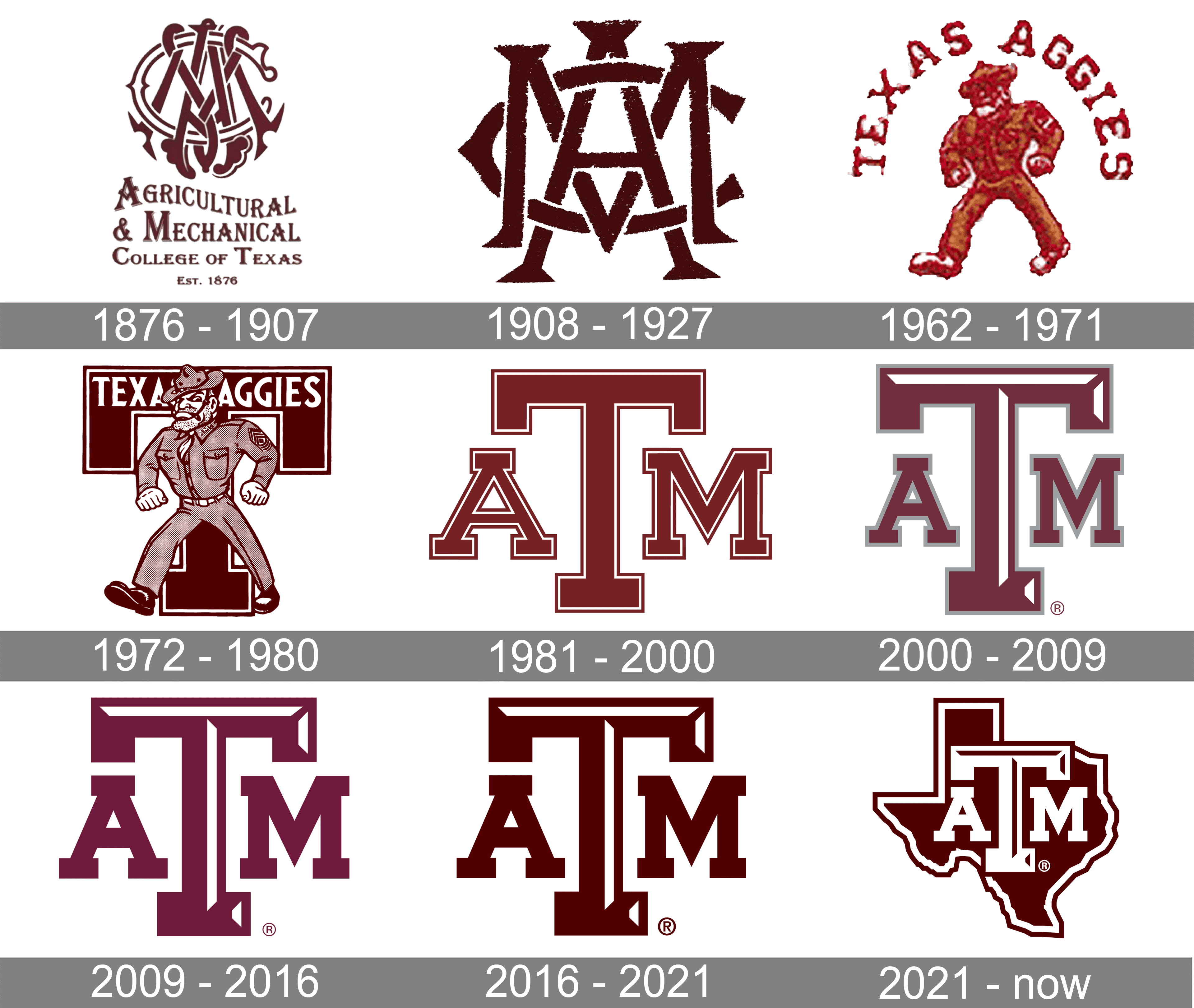
Texas A&M University, originally known as the Agricultural and Mechanical College of Texas, was the first public institution of higher education in the state. Established in 1876, its mission was unequivocally aligned with the Morrill Act. It was created to serve the people of Texas by advancing knowledge in farming techniques, developing new machinery, and fostering a strong sense of civic duty and military preparedness. The initial curriculum was rigorous, focusing on subjects like agronomy, animal husbandry, civil engineering, and military science. This emphasis on hands-on learning and practical application formed the bedrock of the university’s identity, instilling a problem-solving ethos that continues to define its approach to education and research.
From Practical Skills to Pioneering Research
While the world has dramatically changed since 1876, the core values embedded in the “Agricultural and Mechanical” designation have endured. The initial focus on applied sciences and engineering laid the groundwork for the university’s later expansion into a comprehensive research powerhouse. The early departments, dedicated to improving the lives of ordinary Texans through scientific advancement in agriculture and mechanical innovation, evolved into world-renowned colleges of engineering, agriculture and life sciences, and veterinary medicine.
Today, Texas A&M’s legacy in these fields is unparalleled. Its College of Engineering is consistently ranked among the nation’s best, producing graduates who lead industries across the globe. The College of Agriculture and Life Sciences continues to address critical issues such as food security, sustainable practices, and environmental conservation, carrying forward the spirit of the original mission into the 21st century. Furthermore, the Texas A&M College of Veterinary Medicine & Biomedical Sciences is a global leader, reflecting a long-standing commitment to animal health and well-being that traces back to the university’s agricultural roots.
Even as the university now boasts colleges covering liberal arts, business, education, and architecture, the “A&M” serves as a powerful reminder of its enduring commitment to practical, impactful knowledge. It signifies an institution that not only educates but also innovates, contributing solutions to real-world problems and embodying a philosophy where academic pursuits are deeply connected to societal benefit.
The Enduring Aggie Spirit: Tradition, Community, and Global Impact
Beyond its academic and historical foundations, “A&M” has come to embody a distinct culture and a powerful sense of community known as the “Aggie Spirit.” This unique blend of tradition, loyalty, and a commitment to service transforms the university from an educational institution into a profound lifestyle choice and a globally recognized symbol of camaraderie.
More Than an Acronym: A Culture of Cohesion
The “Aggie Spirit” is perhaps the most defining characteristic of Texas A&M. It’s an intangible yet palpable force that binds students, faculty, and alumni together, creating a network unlike any other. Central to this spirit are deeply cherished traditions that foster unity and a shared identity. The Corps of Cadets, the largest uniformed student body outside the national service academies, exemplifies the university’s long-standing military heritage, instilling leadership, discipline, and a sense of duty. Visitors to College Station can often witness the cadets marching in formation, a proud display of precision and tradition.
Midnight Yell Practice is another quintessential Aggie experience. Held at Kyle Field before every home football game, thousands of students, alumni, and visitors gather to practice cheers and foster an electric atmosphere of anticipation. It’s a vibrant spectacle, showcasing the unique exuberance and collective enthusiasm of the Aggie community. The Aggie Ring, presented to students after completing 90 credit hours, is a coveted symbol of achievement and belonging, a tangible link to the global Aggie network. Wearing an Aggie Ring instantly identifies one as part of this extraordinary family, a testament to the university’s commitment to creating lifelong bonds.
And, of course, there’s Reveille, the beloved First Lady of Texas A&M, a purebred collie who serves as the official mascot. Her presence at games and campus events is a cherished tradition, further cementing the sense of continuity and shared heritage. These traditions are not mere rituals; they are the living embodiment of the “Aggie Spirit,” shaping the student experience and fostering an unparalleled sense of loyalty and connection that extends far beyond graduation.
A Hub of Academic and Research Prowess
While traditions define its culture, Texas A&M’s “A&M” also stands for an unwavering commitment to academic excellence and groundbreaking research. As a Tier-One research institution, the university attracts top faculty and students from around the globe, making significant contributions across a vast array of disciplines. Beyond its historic strengths in engineering, agriculture, and veterinary medicine, Texas A&M excels in fields like business, where the Mays Business School prepares future leaders; liberal arts, fostering critical thinking and cultural understanding; and marine sciences, with its campus in Galveston playing a crucial role in oceanographic research.
The university is a hotbed of innovation, with researchers tackling some of the world’s most pressing challenges—from developing sustainable energy solutions and advanced robotics to pioneering medical breakthroughs and enhancing cybersecurity. This dedication to pushing the boundaries of knowledge attracts significant research funding and fosters a dynamic intellectual environment, making Texas A&M a critical player on the global academic stage. Its robust research infrastructure, coupled with a collaborative spirit, ensures that the “A&M” continues to stand for progress and discovery.
The Aggie Network: A Lifestyle Beyond Graduation
Perhaps one of the most remarkable aspects of what Texas A&M stands for is the enduring power of its alumni network. The “Aggie Network” is legendary, a testament to the deep bonds forged during the university years. This isn’t just a list of former students; it’s a vibrant, active community that provides unparalleled support, mentorship, and professional connections worldwide. For many, becoming an Aggie is a lifestyle choice that extends far beyond the campus gates.
Whether it’s career guidance, finding accommodation in a new city, or simply connecting with like-minded individuals, the Aggie Network is a powerful resource. This strong sense of community fosters a unique lifestyle, where graduates remain deeply involved with the university, contributing to its ongoing success and perpetuating the cherished traditions. It speaks volumes about the quality of the student experience and the loyalty it inspires, making Texas A&M a place where the education received is just the beginning of a lifelong affiliation.
Experiencing Texas A&M: A Destination for Travel, Tourism, and Accommodation
For travelers, Texas A&M University and the surrounding Brazos Valley offer a unique and enriching experience that extends far beyond typical campus visits. It’s a destination where history, culture, and modern amenities converge, making it ideal for anyone interested in landmarks, local culture, and diverse accommodation options.
Discovering the Campus: Landmarks and Attractions
The Texas A&M University campus itself is a landmark, a sprawling and beautifully maintained space ripe for exploration. At its heart lies the Academic Building, an architectural marvel that stands as a symbol of the university’s enduring commitment to education. Walking through the campus provides a glimpse into the daily lives of thousands of students and offers numerous points of interest.
Iconic Sites:
- Kyle Field: One of the largest and most impressive college football stadiums in the United States, Kyle Field is a must-see, especially on game days when it transforms into a deafening sea of maroon. Its sheer scale and the passion it evokes are an experience in themselves.
- Bonfire Memorial: A powerful and moving tribute to the 12 Aggies who lost their lives in the 1999 Bonfire collapse. This landmark offers a solemn space for reflection and understanding of a profound event in Aggie history.
- George Bush Presidential Library and Museum: Located on campus, this museum is a fascinating attraction dedicated to the life and legacy of the 41st U.S. President, George H.W. Bush. It offers rich historical exhibits, a replica of the Oval Office, and insights into American politics and international relations.
- Aggie Muster (Annual Event): While not a permanent landmark, the annual Aggie Muster is a powerful tradition held worldwide and on campus every April 21st, honoring Aggies who have passed away. It’s a testament to the enduring bonds of the Aggie network and offers a unique cultural experience for visitors present during this time.
Campus tours are readily available, providing excellent opportunities to learn about the university’s history, architecture, and daily life. The lively atmosphere, especially during the academic year, makes it a compelling destination for those interested in educational tourism or simply experiencing the vibrant energy of a major American university.
Visiting Aggieland: Where to Stay and What to Do
College Station and its twin city, Bryan, collectively known as Bryan-College Station, offer a range of accommodation options and activities for every type of traveler. Whether you’re a prospective student, an alumnus returning for a game, a business traveler, or a tourist exploring the Lone Star State, “Aggieland” caters to diverse needs.
Accommodation:
- Luxury Stays: For those seeking an upscale experience, boutique hotels like The George Hotel offer sophisticated comfort and amenities in the Century Square development, a vibrant lifestyle center adjacent to campus.
- Unique Resorts & Boutique Options: Cavalry Court, also in Century Square, provides a retro-chic resort experience with a distinctive local flair, reminiscent of a classic motor court but with modern comforts.
- Standard Hotels: Numerous well-known hotel chains, including Marriott International and Hilton Worldwide properties, offer comfortable and reliable accommodation for various budgets across both Bryan and College Station.
- Long-term Stays/Apartments: For longer visits, such as those by visiting scholars or families relocating, serviced apartments and extended-stay hotels provide home-like amenities.
Local Culture and Activities:
Beyond the campus, the Brazos Valley boasts a growing culinary scene, with everything from authentic Texas BBQ joints to international cuisine. Explore downtown Bryan for its historic charm, art galleries, and local boutiques. Wine enthusiasts can discover nearby wineries, reflecting the region’s burgeoning viticulture. Outdoor lovers can enjoy parks, lakes, and recreational opportunities throughout the area. For those planning a family trip, local attractions and events often cater to children, ensuring an enjoyable experience for all ages.
The Economic and Cultural Tapestry of the Brazos Valley
Texas A&M’s presence is the economic and cultural engine of the Brazos Valley. It drives innovation, attracts talent, and stimulates local businesses, from hotels and restaurants to retail and entertainment. The university’s events, from football games to concerts and academic conferences, bring a constant flow of visitors, contributing significantly to local tourism.
The “A&M” in Texas A&M is not just an abbreviation; it’s a descriptor of a vibrant, evolving landscape that perfectly aligns with a modern lifestyle. It signifies an institution that values both its past and its future, offering a travel experience rich in history, spirited traditions, academic excellence, and warm Texas hospitality. Whether you’re interested in a budget-friendly trip or luxury travel, a family vacation or a business stay, Bryan-College Station provides ample opportunities to experience the unique blend of tradition and innovation that is “Texas A&M.”
Texas A&M Today: A Symbol of Progress and Enduring Values
In its modern context, “What does Texas A&M stand for?” elicits an answer far grander than a simple acronym. It stands for an institution that has faithfully upheld its land-grant mission of accessible, practical education while simultaneously transforming into a world-class research university. It stands for the Agricultural innovations that feed the world and the Mechanical engineering marvels that power it. But more profoundly, it stands for the Aggie Spirit—a powerful ethos of tradition, community, selfless service, and a global network of loyal alumni.
From its humble beginnings as a practical college for farmers and engineers to its current status as a comprehensive Tier-One research university, Texas A&M exemplifies progress without abandoning its roots. It offers an immersive experience for travelers, a robust environment for academic pursuits, and a lasting community for its graduates. The “A&M” in “Texas A&M” is therefore not just an initialism; it’s a testament to an enduring legacy, a vibrant present, and a promising future—a true landmark in the landscape of American education and culture, inviting all to discover its unique story.
LifeOutOfTheBox is a participant in the Amazon Services LLC Associates Program, an affiliate advertising program designed to provide a means for sites to earn advertising fees by advertising and linking to Amazon.com. Amazon, the Amazon logo, AmazonSupply, and the AmazonSupply logo are trademarks of Amazon.com, Inc. or its affiliates. As an Amazon Associate we earn affiliate commissions from qualifying purchases.