
When planning a trip to a vibrant destination, understanding the local rhythm, from time zones to cultural hotspots, is key to an unforgettable experience. Austin, Texas, often celebrated as the “Live Music Capital of the World,” offers a unique blend of urban sophistication, laid-back charm, and a thriving cultural scene. This guide delves into everything you need to know to make the most of your visit, whether you’re seeking a luxurious retreat, a budget-friendly adventure, or a family-friendly escapade.
The Rhythm of Austin: Understanding Local Time and Beyond
Before you even touch down, knowing the practicalities of local time and optimal travel periods can significantly enhance your trip. Austin operates on its own energetic frequency, but its clock adheres to standard practices.
Central Standard Time (CST) and Practicalities
Austin observes Central Standard Time (CST) during the fall and winter months, which is GMT-6. When Daylight Saving Time is in effect, typically from March to November, it switches to Central Daylight Time (CDT), which is GMT-5. For international travelers, understanding this time difference is crucial for flight bookings, coordinating with contacts, and avoiding any initial jet lag surprises. Most smartphones and digital devices will automatically adjust to the local time upon arrival, but it’s always wise to double-check. This adherence to CST means that Austin shares its time zone with major cities like Chicago and New Orleans, making domestic travel planning a breeze for many.
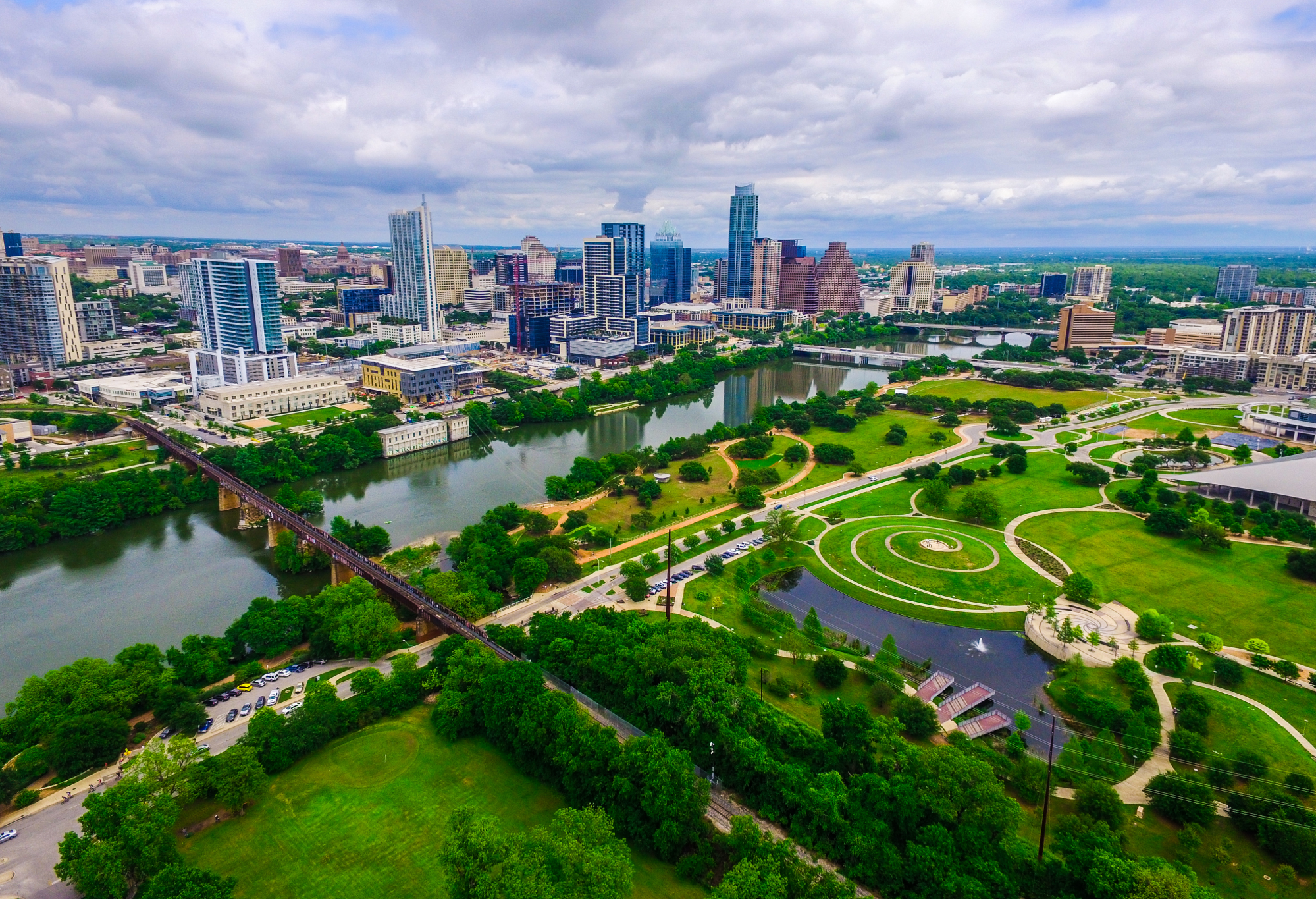
Beyond the clock, the rhythm of Austin is dictated by its dynamic events calendar and the ever-present outdoor lifestyle. Mornings often begin with locals jogging along Lady Bird Lake or queuing for famous breakfast tacos, while evenings pulsate with live music echoing from countless venues. Understanding this daily ebb and flow allows visitors to synchronize their travel experiences with the city’s pulse, ensuring they capture the essence of its unique lifestyle.
Best Times to Visit Austin
Choosing the right time to visit can significantly impact your experience. Austin enjoys a generally warm climate, but certain seasons offer distinct advantages.
- Spring (March-May): Widely considered the best time to visit. Temperatures are mild and pleasant, ideal for exploring outdoor attractions and enjoying festivals. This period hosts major events like South by Southwest (SXSW) in March, which brings a surge of innovation, music, and film to the city. While exhilarating, be prepared for higher hotel prices and larger crowds during this time. The city truly comes alive with blooming wildflowers and vibrant energy.
- Fall (September-November): Another excellent window, with comfortable temperatures after the summer heat subsides. The Austin City Limits Music Festival (ACL) in October is a massive draw, alongside numerous other cultural events and college football games at the University of Texas at Austin. The crisp air and beautiful foliage make it perfect for exploring parks and outdoor dining.
- Summer (June-August): Be prepared for hot and humid weather, with temperatures often soaring into the 90s and even triple digits Fahrenheit. Despite the heat, summer offers opportunities for water activities on Lake Travis or cooling off at Barton Springs Pool. Many indoor attractions and air-conditioned venues provide respite, and you might find slightly lower accommodation rates outside of major holiday weekends.
- Winter (December-February): Generally mild, with occasional cold fronts. This is a quieter season, ideal for budget travelers or those looking to experience Austin without the crowds. Festive lights, holiday markets, and indoor cultural events abound.
Iconic Landmarks and Must-See Attractions
Austin’s landscape is dotted with historical treasures, architectural marvels, and breathtaking natural spaces that cater to every type of traveler. From history buffs to nature enthusiasts, there’s something for everyone to explore.
Historical Gems and Architectural Wonders
The city’s rich history is beautifully preserved in its significant landmarks. The majestic Texas State Capitol stands as a testament to Texas’s proud heritage. Taller than the U.S. Capitol Building, its distinctive pink granite facade and grand dome are an architectural marvel. Free tours offer insights into Texas politics and history, making it a crucial stop for understanding the state’s identity. Just a short walk away, the Texas State History Museum offers interactive exhibits detailing the stories of Texas, from indigenous cultures to modern innovations.
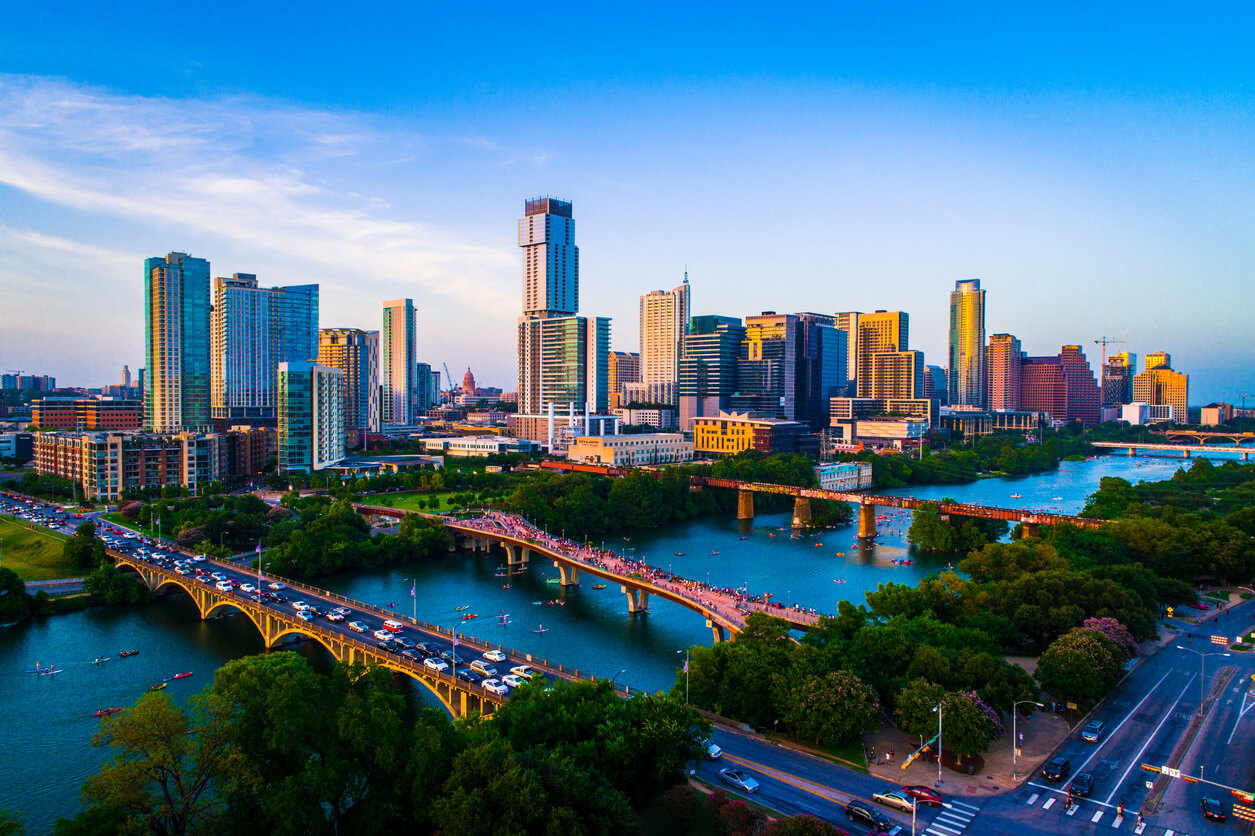
Another significant landmark is the Congress Avenue Bridge, famous for housing the largest urban bat colony in North America. Every evening from spring to fall, hundreds of thousands of Mexican free-tailed bats emerge at dusk, creating a spectacular natural show that draws crowds to the bridge and nearby Lady Bird Lake shores. This unique attraction perfectly embodies Austin’s quirky charm and connection to nature. The nearby South Congress Avenue (SoCo) district, with its eclectic shops, vibrant murals, and historic storefronts, offers a glimpse into Austin’s bohemian past and present.
Natural Escapes and Outdoor Adventures
Despite being a bustling urban center, Austin boasts an impressive array of natural retreats and opportunities for outdoor activities, catering to a lifestyle that values wellness and connection with nature. Zilker Park, often referred to as “Austin’s most-loved park,” is a sprawling green oasis spanning 351 acres. It’s home to the aforementioned Barton Springs Pool, a spring-fed natural swimming pool with a consistent temperature of 68-70 degrees Fahrenheit, providing a refreshing escape year-round. The park also hosts the Zilker Botanical Garden, a tranquil haven with themed gardens, waterfalls, and koi ponds, perfect for a leisurely stroll or a family outing.
For the adventurous, the Barton Creek Greenbelt offers miles of hiking and biking trails, rock climbing spots, and secluded swimming holes, representing the true spirit of Austin’s active lifestyle. The scenic Mount Bonnell provides panoramic views of the city, Lake Austin, and the surrounding Texas Hill Country, making it a popular spot for sunset viewing and photography. These natural attractions are integral to the Austin experience, offering respite and recreation that blend seamlessly with the urban environment.
Indulging in Austin’s Unique Lifestyle
Austin’s lifestyle is a captivating mosaic of culinary excellence, world-class music, and vibrant arts, creating an atmosphere that is both laid-back and exhilarating.
A Culinary Journey Through the Live Music Capital
Austin’s food scene is as diverse and dynamic as its music. It has evolved into a gastronomic destination renowned for its iconic barbecue, innovative food trucks, and a burgeoning fine dining landscape. No visit to Austin is complete without experiencing its legendary barbecue. Places like Franklin Barbecue are world-famous, with lines forming hours before opening for a taste of their tender brisket. However, countless other barbecue joints across the city offer equally delicious, and often less crowded, alternatives.
Beyond barbecue, Austin is a paradise for foodies. The city boasts an incredible array of food trucks serving everything from gourmet tacos and Korean fusion to vegan delights. These mobile kitchens are often found clustered in dedicated parks or along busy streets, providing an affordable and authentic taste of Austin’s culinary creativity. For a more upscale experience, Austin’s fine dining restaurants, such as Uchi for Japanese cuisine or Olamaie for modern Southern fare, consistently earn national accolades. The farm-to-table movement is strong here, with many establishments sourcing ingredients from local Central Texas farms. Whether you’re indulging in queso, Tex-Mex, or exploring international flavors, Austin’s food scene is an essential part of its unique tourism appeal.
The Arts, Music, and Nightlife Scene
The moniker “Live Music Capital of the World” is well-earned. Music is the lifeblood of Austin, with venues ranging from intimate dive bars to large concert halls showcasing every genre imaginable, every night of the week. Sixth Street remains the iconic entertainment district, buzzing with multiple bars and clubs offering live performances. However, newer areas like Rainey Street, featuring historic houses converted into charming bars with sprawling patios, offer a more relaxed yet equally vibrant atmosphere. South Congress Avenue also hosts numerous venues, adding to the city’s musical tapestry.
Beyond music, Austin nurtures a thriving arts community. The Blanton Museum of Art at the University of Texas at Austin houses an impressive collection, while countless galleries throughout the city showcase local and regional artists. Public art, from vibrant murals to quirky installations, is omnipresent, reflecting the city’s creative spirit. Festivals like the Pecan Street Festival celebrate arts and crafts alongside music. The city’s nightlife extends beyond music, with comedy clubs, theaters, and a burgeoning craft brewery and distillery scene providing endless entertainment options for business stays or leisure trips. For families, attractions like the Museum of Ice Cream offer unique interactive fun.
Where to Stay: Austin’s Diverse Accommodation Landscape
Austin’s growth as a major travel destination means its accommodation options are as diverse as its population. From luxurious resorts to charming boutique hotels and practical apartments, there’s a perfect stay for every budget and lifestyle.
Luxury Stays and Boutique Hotels
For those seeking an indulgent experience, Austin offers a range of high-end hotels and resorts known for their exceptional amenities and impeccable service. The Four Seasons Hotel Austin, situated directly on Lady Bird Lake, provides stunning views, a serene spa, and exquisite dining, ideal for luxury travel or a romantic getaway. The JW Marriott Austin and Fairmont Austin are prominent Downtown Austin landmarks, boasting extensive meeting spaces, rooftop pools, and multiple dining options, making them popular choices for business stays and conferences.
Boutique hotels are where Austin’s unique character truly shines. The historic Driskill Hotel on Sixth Street offers Victorian-era elegance and a rich history, while the Kimpton Hotel Van Zandt in the Rainey Street district blends music-inspired design with modern comforts. For a truly distinct experience, properties like Hotel Saint Cecilia and Hotel San José on South Congress Avenue offer stylish, intimate settings, reflecting Austin’s cool, independent spirit. These boutique options often come with unique amenities, personalized service, and a strong sense of local culture, providing a deeper connection to the city.
Budget-Friendly Options and Unique Lodgings
Austin also caters to budget travelers and those seeking alternative accommodation. Numerous well-regarded chain hotels like the Hyatt Regency Austin, Embassy Suites by Hilton Austin Downtown South Congress, and Aloft Austin Downtown offer comfortable rooms, convenient locations, and a range of amenities at more accessible price points. Many of these provide spacious suites, ideal for family trips or longer stays, often including complimentary breakfast or evening receptions.
For those looking for something different, vacation rentals through platforms like Airbnb or VRBO are plentiful, offering everything from charming bungalows in East Austin to modern apartments in Downtown Austin. These can be an excellent option for long-term stays, providing kitchen facilities and a more local living experience. Additionally, various hostels and guesthouses provide communal or private rooms, perfect for solo travelers or groups on a tight budget. When booking, consider proximity to public transport or the areas you plan to explore, such as South Austin‘s vibrant neighborhoods or the quieter residential areas of West Austin and North Loop. Reviews and comparison tools on travel websites are invaluable for finding the best fit for your accommodation needs.
Navigating Austin: Tips for a Seamless Experience
Making the most of your Austin adventure involves understanding how to get around and a few essential travel tips to ensure a smooth and enjoyable visit.
Transportation and Getting Around
Austin-Bergstrom International Airport (AUS) serves as the primary gateway to the city. Upon arrival, travelers have several options for reaching their accommodation, including ride-sharing services like Uber and Lyft, traditional taxis, and the CapMetro public bus system, which offers an affordable route into Downtown Austin.
Once in the city, getting around is relatively straightforward. Downtown Austin is highly walkable, especially around Sixth Street, Rainey Street, and the Capitol Grounds. For longer distances, ride-sharing services are ubiquitous and generally efficient. CapMetro provides extensive bus services covering most of the city, and the CapMetro Rail offers a commuter train service, primarily useful for connecting Downtown Austin with northern suburbs. Biking is also a popular option, with dedicated bike lanes and rental services available, especially around Lady Bird Lake and the Waller Creek path. While renting a car offers the most flexibility for exploring beyond the city center, such as the Texas Hill Country or Lake Travis, parking in busy areas of Austin can be challenging and expensive. Consider combining public transport with ride-shares for a balanced approach to navigation.
Essential Travel Tips
To make your Austin experience as smooth as possible, keep these tips in mind:
- Hydration is Key: Especially during the hotter months, carry water to stay hydrated while exploring.
- Sun Protection: Texas sun can be intense. Sunscreen, hats, and sunglasses are recommended.
- Book in Advance: If visiting during peak seasons or major festivals (like SXSW or ACL), accommodation and popular restaurant reservations should be made well in advance. Event tickets also sell out quickly.
- Explore Beyond Downtown: While Downtown Austin is vibrant, neighborhoods like South Congress Avenue, East Austin, and the Guadalupe Street area (near the University of Texas) offer distinct vibes, unique shops, and incredible dining.
- Embrace the Outdoors: Austin’s culture heavily revolves around outdoor activities. Pack comfortable shoes for walking and hiking, and be ready to enjoy its parks and trails.
- Be Flexible: Austin thrives on spontaneity. While planning is good, leave room for impromptu discoveries, whether it’s a new food truck, a local band in a hidden venue, or a casual swim.
By keeping these practical aspects in mind, visitors can fully immerse themselves in the dynamic and welcoming atmosphere of Austin, ensuring a trip filled with memorable moments, delicious food, and world-class entertainment. This city truly offers a timely exploration into the heart of Texas’s most beloved urban gem.
LifeOutOfTheBox is a participant in the Amazon Services LLC Associates Program, an affiliate advertising program designed to provide a means for sites to earn advertising fees by advertising and linking to Amazon.com. Amazon, the Amazon logo, AmazonSupply, and the AmazonSupply logo are trademarks of Amazon.com, Inc. or its affiliates. As an Amazon Associate we earn affiliate commissions from qualifying purchases.