
Arizona, often referred to as the Grand Canyon State, is a land of striking contrasts, from its iconic red rock landscapes and vast deserts to its bustling urban centers and serene mountain towns. Beyond its breathtaking natural landmarks and vibrant tourism scene, the state is also a rapidly growing hub for residents seeking a unique lifestyle. Understanding “how many people live in Arizona?” is key to grasping its dynamic evolution, its appeal as a travel destination, and the ever-expanding landscape of accommodation options available to both its inhabitants and its millions of annual visitors.
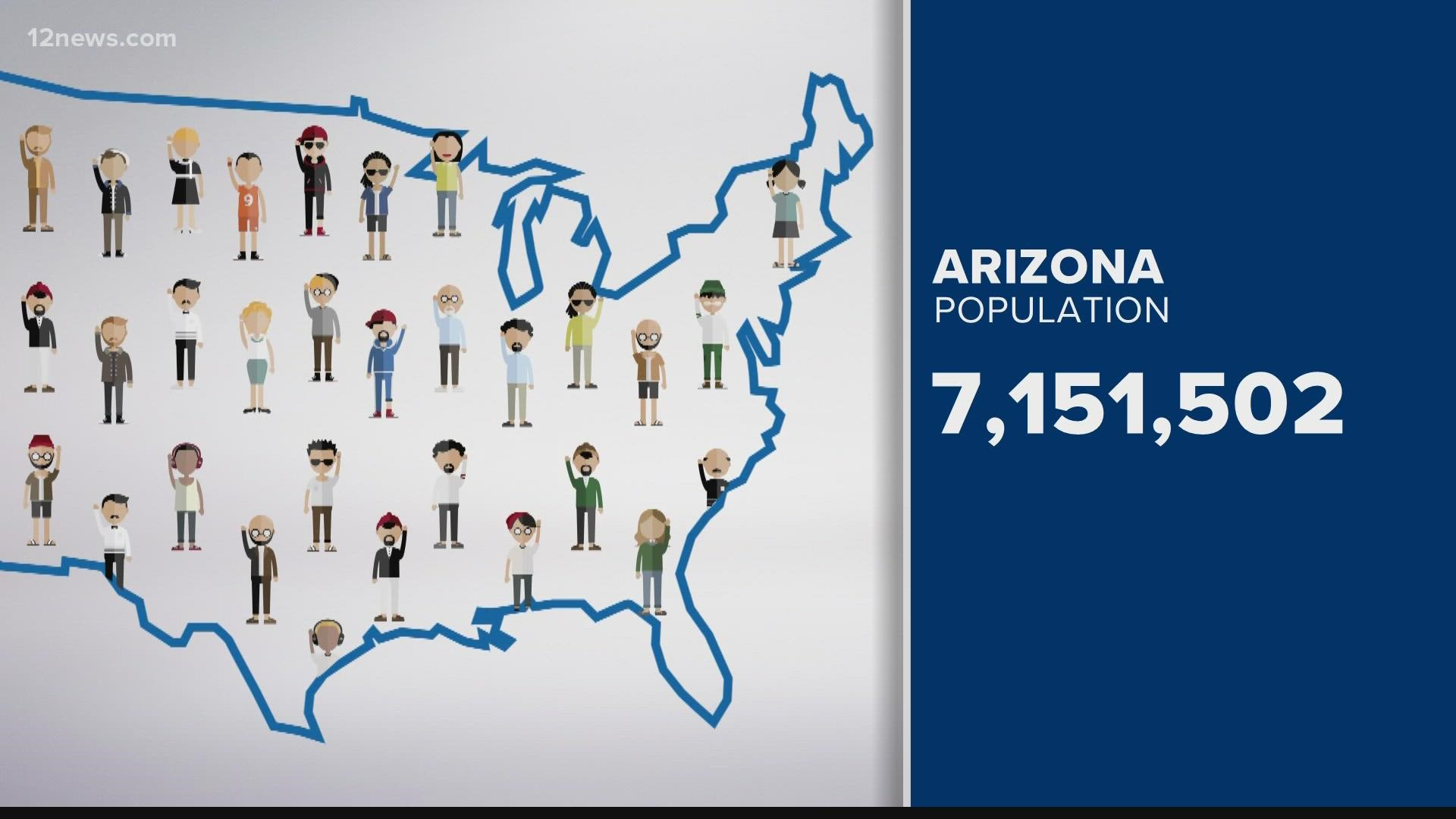
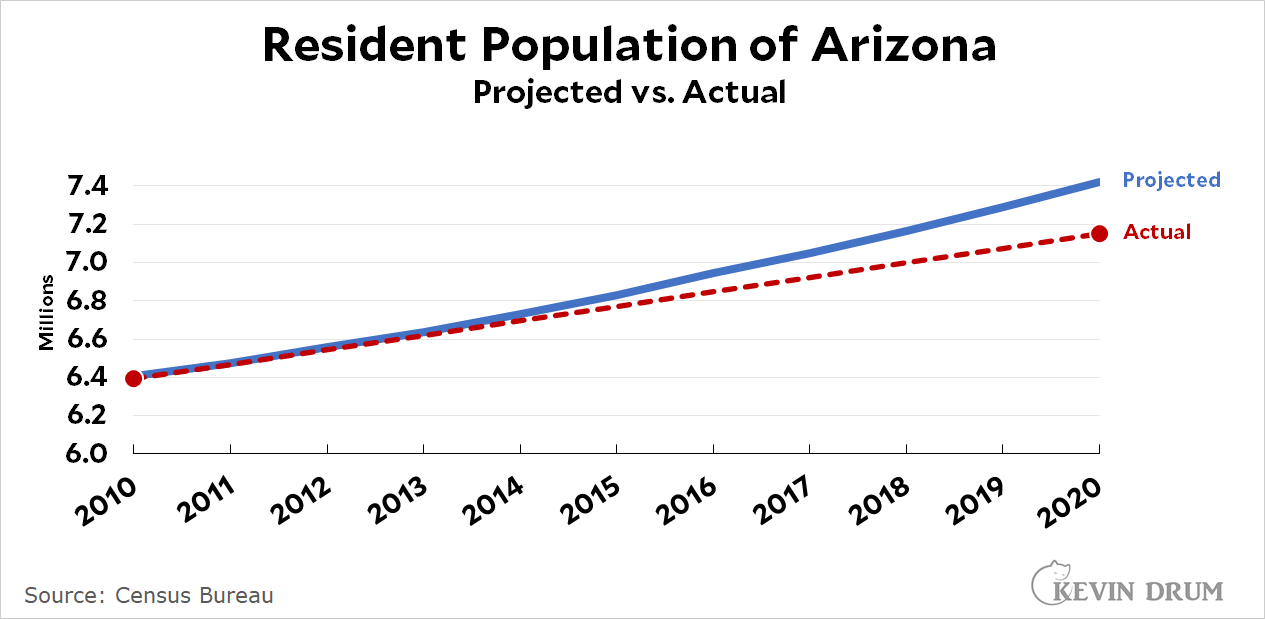
As of the most recent estimates, the population of Arizona stands at approximately 7.4 million people, making it one of the fastest-growing states in the United States. This figure isn’t just a number; it represents a vibrant tapestry of communities, a booming economy, and a testament to the state’s enduring allure. The reasons for this growth are multifaceted, ranging from its appealing climate and diverse job market to its reputation as a retirement haven and a mecca for outdoor enthusiasts. For those looking to explore this sun-drenched state, whether for a short family trip, a long-term stay, or a business stay, the growing population signifies a rich array of experiences, services, and hospitality infrastructure, including everything from luxurious resorts and suites to cozy apartments and villas.
Arizona’s Growing Population: A Demographic Overview
The story of Arizona’s population is one of consistent and often rapid expansion. Over the past few decades, the state has witnessed significant demographic shifts, fueled by both natural increase and substantial net migration. This influx of new residents has dramatically altered its urban and suburban landscapes, driving demand for housing, infrastructure, and an expanded range of services catering to diverse needs and preferences.
Current Population and Growth Trends
With an estimated population hovering around 7.4 million, Arizona ranks among the top 15 most populous states in the U.S. What’s truly remarkable is the pace of this growth. Since the turn of the millennium, Arizona’s population has increased by several million, a trajectory that shows little sign of slowing down. This growth is largely attributed to several compelling factors. The state’s warm, sunny climate, especially appealing to those escaping harsher winters, is a primary draw for retirees and those seeking a more comfortable environment. Furthermore, Arizona’s burgeoning economy, particularly in sectors such as technology, healthcare, and aerospace, attracts young professionals and families looking for job opportunities and a dynamic environment.
The appeal extends beyond economic and climatic factors; Arizona offers a quality of life that resonates with many. Its abundant natural beauty, from the iconic Grand Canyon to the serene Sonoran Desert, provides unparalleled opportunities for outdoor activities and adventure. This combination of economic vitality, agreeable weather, and recreational prospects creates a powerful magnet for individuals and families from across the nation and the globe. This population surge naturally impacts the travel industry, necessitating more diverse hotel options, expanded attractions, and comprehensive travel guides to cater to both new residents exploring their home state and visitors flocking to experience its charms.

Demographic Tapestry: Who Lives in Arizona?
Arizona’s population is a rich mosaic of cultures, ages, and backgrounds, contributing to its vibrant social fabric and diverse local culture. The state has a significant Hispanic and Latino population, adding to its unique blend of Southwestern and Mexican influences visible in its food, architecture, and traditions. Native American communities also play a vital role, with large tribal lands and a deep historical presence that profoundly shapes the state’s identity.
Age-wise, Arizona is often perceived as a retirement haven, and indeed, a significant portion of its population is composed of older adults, particularly in specific communities and regions. However, this image is increasingly incomplete. The influx of younger families and professionals has created a more balanced demographic profile, with growing numbers of school-aged children and working adults contributing to a dynamic workforce. Major educational institutions like Arizona State University and the University of Arizona also draw a substantial student population, further diversifying the state’s age distribution. This diverse demographic ensures a broad range of tastes and preferences, influencing everything from the types of experiences offered to the variety of amenities sought in [hotels] and [resorts].
Major Urban Centers and Their Appeal
While Arizona boasts vast natural expanses, its population is heavily concentrated in several key metropolitan areas. These urban hubs serve as economic engines, cultural centers, and primary points of interest for both residents and tourists. Understanding these population centers is crucial for anyone planning a visit or considering a move to the state.
Phoenix Metropolitan Area: A Hub of Activity
At the heart of Arizona’s population density is the Phoenix metropolitan area, also known as the Valley of the Sun. This sprawling region is home to over 4.9 million people, encompassing more than half of the state’s total population. Phoenix itself is the fifth-largest city in the U.S., a testament to its explosive growth. Surrounding Phoenix are a constellation of rapidly expanding suburbs, each with its distinct character and appeal.
- Mesa: A large city known for its family-friendly environment and diverse community.
- Chandler: A tech hub with a thriving economy and vibrant downtown.
- Scottsdale: Synonymous with luxury travel, high-end [resorts], vibrant nightlife in Old Town Scottsdale, and art galleries.
- Gilbert: One of the fastest-growing municipalities, recognized for its safety and quality of life.
- Tempe: Home to Arizona State University, giving it a youthful, energetic vibe and a lively entertainment scene.
- Glendale and Peoria: Key cities in the West Valley, offering sports arenas, shopping, and family amenities.
For visitors, the Phoenix area offers an extensive range of [hotels], from budget travel options to ultra-luxurious [villas]. [Landmarks] and attractions abound, including the Desert Botanical Garden, the Heard Museum, and Taliesin West, Frank Lloyd Wright’s winter home. The area also serves as a perfect base for exploring nearby natural wonders and taking day trips.
Tucson and Beyond: Southern Arizona’s Charms
South of Phoenix lies Tucson, Arizona’s second-largest city, with a population of over 540,000 in the city proper and over a million in its metropolitan area. Tucson offers a distinctly different vibe from Phoenix, characterized by its rich history, unique local culture, and stunning desert scenery, particularly the saguaro cacti forests of Saguaro National Park. It’s a UNESCO City of Gastronomy, promising exceptional [food] experiences. [Accommodation] options in Tucson range from historic inns to modern [hotels], catering to a steady stream of tourists drawn to its blend of Southwestern charm and outdoor adventures in the Catalina Mountains.
Beyond these two major metropolitan areas, other significant population centers contribute to Arizona’s demographic landscape:
- Flagstaff: Nestled in the mountains of northern Arizona, it’s a gateway to the Grand Canyon and offers a cooler climate and a thriving outdoor recreation scene.
- Sedona: Famous for its stunning Sedona Red Rocks and spiritual vortexes, drawing a significant number of residents and tourists seeking natural beauty and tranquility.
- Prescott: Known for its historic downtown, “America’s Oldest Rodeo,” and a pleasant four-season climate, attracting retirees and those seeking a milder environment.
- Yuma: Located near the border with California and Mexico, it’s a popular winter retreat for snowbirds, significantly boosting its seasonal population.
- Lake Havasu City: Famous for the relocated London Bridge, it’s a hub for water sports and attracts many tourists and seasonal residents to Lake Mead and the Colorado River.
These diverse urban and regional centers illustrate how Arizona accommodates its growing population while offering distinct [destinations] and [experiences] for every kind of traveler.
Population Dynamics and the Arizona Travel Landscape
The significant growth in Arizona’s population is not just a demographic fact; it has profound implications for the state’s travel and tourism sectors. More residents mean a larger local market for leisure activities, increased demand for travel infrastructure, and a richer, more diverse cultural landscape that enhances the visitor experience.
Impact on Tourism and Accommodation
A growing population directly translates into a more robust and varied tourism industry. As more people call Arizona home, the demand for local culture, [food], and entertainment options increases, leading to the development of new [attractions], restaurants, and events. This domestic activity then spills over, creating more appealing and comprehensive offerings for international and out-of-state visitors.
The [accommodation] sector is particularly sensitive to population growth. With more residents, there’s a natural increase in friends and family visiting, driving demand for [hotels], [suites], [resorts], [apartments], and [villas]. Furthermore, the growing workforce associated with population expansion requires increased options for long-term stay and [business stays]. This has spurred a construction boom, with new [hotels] and hospitality developments appearing across the state, from boutique properties in historic downtowns to sprawling [resorts] in popular vacation spots like Scottsdale and Sedona. The competition among these establishments often leads to better [amenities], competitive booking options, and more transparent reviews and comparison tools for travelers. The state’s ability to offer a diverse range of accommodations, from [luxury travel] experiences to more [budget travel]-friendly options, is a direct reflection of its expanding economic and demographic base.
Lifestyle and Travel: Who Comes and Why
Arizona’s expanding population also reflects diverse [lifestyle] choices, which in turn influence travel patterns.
Many newcomers are retirees drawn by the warm climate and active adult communities, who then become local tourists, exploring Arizona’s many [landmarks] like the Hoover Dam or Monument Valley and making frequent trips to different [destinations] within the state. They might seek out specific [guides] for serene nature walks or cultural tours.
Young professionals and families moving for job opportunities often prioritize different types of [experiences], looking for adventure [travel] (hiking in the Superstition Mountains), family-friendly [attractions], and vibrant urban scenes. This demographic contributes to the demand for diverse [food] options and family-oriented [hotels] or [apartments]. The growth of cities like Chandler and Gilbert exemplifies this trend.
The state’s growing population of remote workers and digital nomads also drives demand for flexible [accommodation] options and co-working spaces, blurring the lines between living and traveling. These individuals often seek unique [villas] or serviced [apartments] for longer stays, valuing convenience and local immersion. For all these groups, the abundance of diverse offerings, from cultural festivals to outdoor adventures and culinary delights, ensures that Arizona continues to be a top choice for both permanent residency and temporary exploration.
Looking Ahead: Future Population and Sustainable Growth
The trajectory of Arizona’s population growth is projected to continue in the coming decades, albeit with an increasing focus on sustainability and smart development. Projections suggest that the state could reach well over 8 million residents by 2030 and potentially exceed 9 million by 2040, solidifying its position as a major population center in the American Southwest.
This anticipated growth presents both opportunities and challenges. On one hand, it signifies a vibrant economy, a rich cultural exchange, and an even broader array of [destinations], [attractions], and [experiences] for visitors and residents alike. New developments will bring more modern [hotels] and diverse [accommodation] options, further enhancing Arizona’s appeal for various types of [travel]. From Canyon de Chelly National Monument to Petrified Forest National Park, the continued investment in infrastructure and services will make these incredible [landmarks] more accessible.
On the other hand, sustained growth necessitates careful planning and resource management, especially concerning water resources in an arid climate and the preservation of natural beauty. The emphasis will increasingly be on sustainable [tourism] practices, eco-friendly [accommodation] developments, and responsible urban planning that balances expansion with environmental conservation. This includes developing green transportation options, promoting local businesses, and ensuring that the natural history and stunning nature that draw so many to Arizona remain unspoiled.
Ultimately, the answer to “How many people live in Arizona?” is not static. It’s a dynamic figure that reflects a state in constant evolution, a testament to its enduring appeal and its promise for the future. For travelers and those considering making Arizona their home, this growth signifies a state brimming with vitality, offering an ever-expanding array of opportunities, experiences, and places to stay, from the bustling urban core to the tranquil deserts and historic sites along Route 66 or at the Four Corners. Arizona truly offers a [lifestyle] for everyone, ensuring its place as a premier destination for years to come.
LifeOutOfTheBox is a participant in the Amazon Services LLC Associates Program, an affiliate advertising program designed to provide a means for sites to earn advertising fees by advertising and linking to Amazon.com. Amazon, the Amazon logo, AmazonSupply, and the AmazonSupply logo are trademarks of Amazon.com, Inc. or its affiliates. As an Amazon Associate we earn affiliate commissions from qualifying purchases.