
In the vibrant tapestry of global travel and diverse lifestyles, the choices we make about what we consume can significantly impact our well-being, especially when exploring new destinations or maintaining a healthy routine at home. Among the myriad beverage options available, Arizona Green Tea has carved out a distinct niche. Widely recognized for its refreshing taste and often associated with the inherent health halo of green tea, it begs the question: is Arizona Green Tea truly good for you? This article delves into the nutritional facts, health implications, and how this popular drink fits into a holistic travel and lifestyle approach.
Understanding Arizona Green Tea: More Than Just a Beverage
The perception of any food or drink is often shaped by its name and marketing. For Arizona Green Tea, the “green tea” component immediately evokes images of health, antioxidants, and ancient wellness traditions, particularly prevalent in cultures found in Asia. However, a deeper look reveals a more complex nutritional profile that requires mindful consideration, especially for those pursuing wellness on their journeys, from the bustling streets of New York City to the serene temples of Kyoto.
A Dive into Ingredients and Nutritional Profile
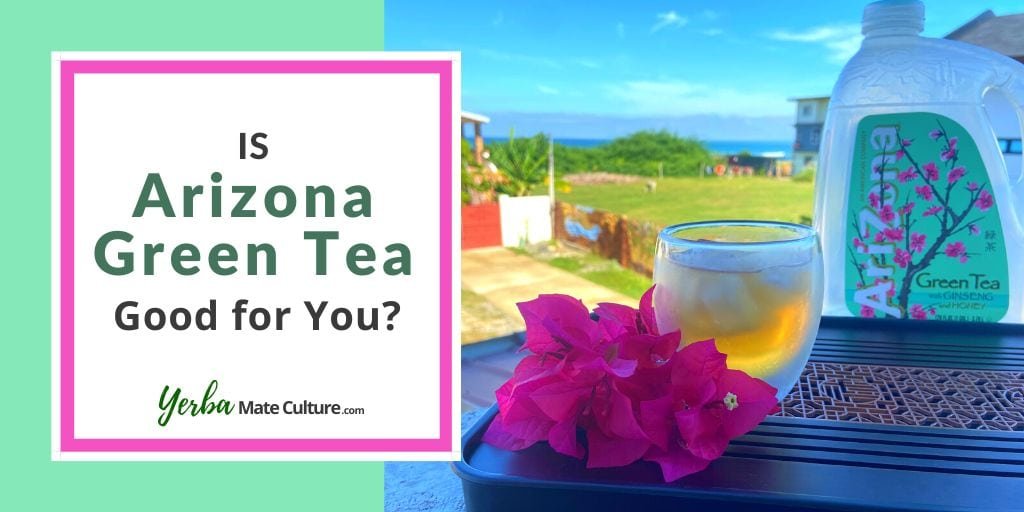
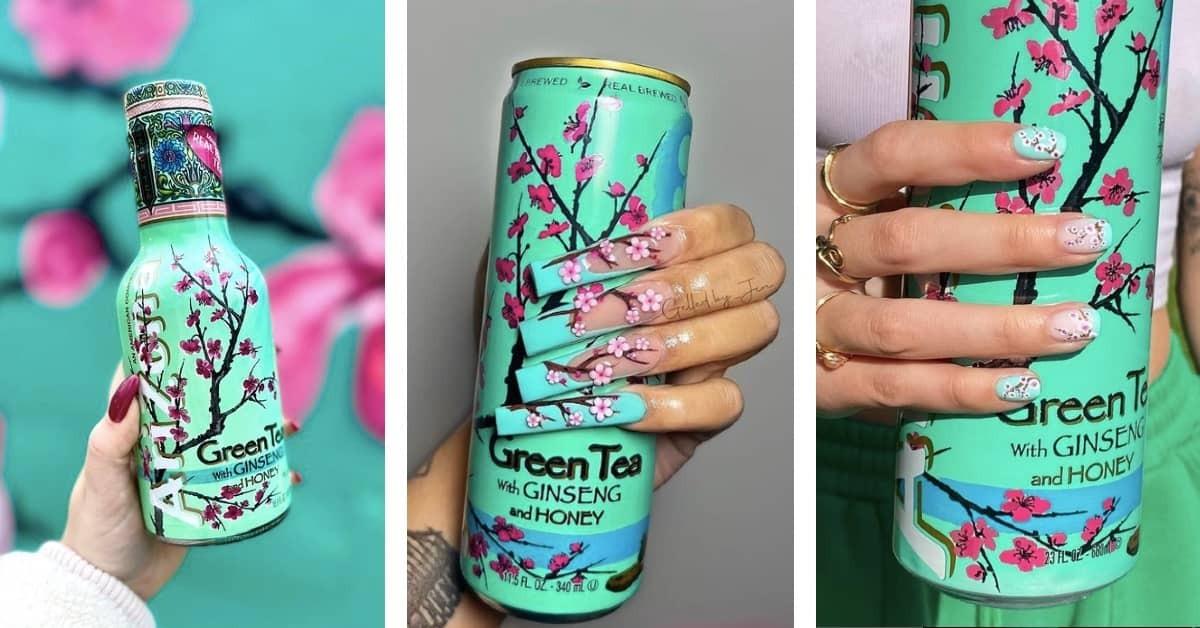
The standard Arizona Green Tea with Ginseng and Honey, a flagship product, lists several key ingredients. Water, high-fructose corn syrup (HFCS), green tea extract, honey, citric acid, natural flavors, ginseng extract, and ascorbic acid are typically found in its composition. This list immediately highlights a crucial point: while it contains green tea and honey, it also features a significant amount of added sugar in the form of HFCS.
A single 23-ounce can, a common serving size, can contain upwards of 70 grams of sugar. To put this into perspective, the American Heart Association recommends no more than 36 grams of added sugar per day for most men and 25 grams for most women. A single serving of Arizona Green Tea often exceeds these daily recommendations by a considerable margin. This high sugar content contributes significantly to its caloric load, which can be a concern for those managing their weight or blood sugar levels. Beyond sugars, the drink contains minimal vitamins or minerals, making it primarily a source of empty calories rather than robust nutrition.

The “Green Tea” Component: Antioxidants and Health Claims
Green tea, in its pure, unsweetened form, is celebrated worldwide for its potent health benefits. Rich in catechins, particularly epigallocatechin gallate (EGCG), green tea is a powerhouse of antioxidants. These compounds are known to combat oxidative stress, reduce inflammation, and may play a role in preventing chronic diseases like heart disease, certain cancers, and neurodegenerative disorders. Cultures in Japan and China have revered green tea for millennia, integrating it into daily life and traditional medicine.
The presence of green tea extract in Arizona Green Tea means that it does contain some of these beneficial antioxidants. However, the exact concentration and efficacy can vary. The processing and addition of other ingredients might dilute these benefits. Furthermore, the high sugar content can counteract some of the positive effects of the antioxidants, potentially leading to inflammation or other metabolic issues in the body if consumed in excess. The ginseng extract is also touted for its adaptogenic properties, believed to help the body cope with stress and boost energy. While green tea and ginseng individually offer health advantages, their effectiveness within the sugary matrix of the bottled beverage is a subject of debate among nutrition experts.
The Hidden Sugars and Artificial Flavors: A Closer Look
The primary health concern with most pre-packaged sweetened beverages, including Arizona Green Tea, is their high sugar content. High-fructose corn syrup, a prevalent sweetener, has been linked to various health issues when consumed in large quantities, including increased risk of type 2 diabetes, obesity, and fatty liver disease. For travelers exploring destinations from the vibrant street food scenes of Bangkok to the fine dining experiences in Paris, making informed beverage choices is as crucial as selecting healthy meals.
Moreover, the “natural flavors” listed in the ingredients can be a broad category, sometimes masking other additives. While generally recognized as safe, the cumulative effect of consuming numerous processed ingredients, especially when traveling or maintaining a specific diet, warrants attention. When considering your daily caloric intake, particularly for those enjoying active Travel experiences such as hiking in Yellowstone National Park or exploring the ancient ruins of Machu Picchu, these hidden sugars can quickly add up, potentially hindering fitness goals or overall energy levels.
Arizona Green Tea in the Context of Travel and Lifestyle
For many, travel is an opportunity to reset, explore, and often, indulge. However, a growing number of travelers prioritize wellness, seeking to maintain their healthy habits even when far from home. This shift impacts everything from hotel choices to dining experiences, and certainly, beverage consumption.
Making Healthy Choices on the Go: From New York City to Kyoto
When you’re navigating the bustling airports, enduring long flights, or pounding the pavement exploring landmarks like the Eiffel Tower in Paris or the Colosseum in Rome, convenience often dictates choices. Bottled beverages like Arizona Green Tea are readily available at convenience stores, airport kiosks, and even vending machines. For a quick refreshment, it might seem like a better option than a soda.
However, a truly health-conscious traveler, whether embarking on Luxury Travel through Dubai or a Budget Travel adventure through Southeast Asia, would benefit from considering alternatives. Opting for unsweetened teas, sparkling water with a slice of lemon, or simply plain water, can significantly reduce sugar intake and improve hydration. Many modern Hotels and Resorts are now catering to this demand by offering infused waters, fresh juices, and a wider selection of unsweetened beverages. For instance, a Grand Hyatt Hotel or a Four Seasons Resort will often provide complimentary bottled water or filtered water stations for guests.
Hydration During Adventures: A Traveler’s Dilemma
Proper hydration is paramount for any traveler. Dehydration can lead to fatigue, headaches, and impaired cognitive function, all of which can detract from the enjoyment of your journey, whether you’re trekking the Inca Trail or simply enduring a long day of sightseeing in London. While Arizona Green Tea does contain water, the high sugar content can actually work against optimal hydration by increasing the body’s need for water to process the sugars.
For active adventures, a reusable water bottle is an indispensable item. Many destinations, even major cities like Sydney, offer public water fountains or cafes willing to refill bottles. In remote areas, water purification tablets or portable filters are essential. When you reach your Accommodation, whether a cozy Hilton Garden Inn or an exquisite Ritz-Carlton, take advantage of in-room water provisions or the hotel gym’s water cooler. Prioritizing plain water ensures you stay adequately hydrated without the unnecessary sugar load.
Wellness Trends in Luxury Travel and Budget Travel Accommodations
The travel industry, recognizing the growing emphasis on health, has increasingly integrated wellness into its offerings. From spa Hotels in Bali to fitness-focused Resorts in Costa Rica, properties are striving to enhance the guest experience through health-conscious choices. This includes everything from on-site yoga studios and meditation classes to healthy dining menus and, crucially, a wider selection of beverages.
Even in Budget Travel settings, such as hostels or independent guesthouses, travelers often have access to purified water and local, fresh ingredients for preparing their own healthy drinks. The focus is shifting towards authentic, often healthier, local Food and drink experiences as part of Tourism, rather than relying on mass-produced, sugary beverages. When considering your overall Lifestyle and travel footprint, these conscious choices contribute to both personal well-being and a more sustainable approach to exploring our planet.
Weighing the Benefits Against the Drawbacks
When assessing whether Arizona Green Tea is “good for you,” it’s essential to weigh its potential benefits against its known drawbacks, especially considering the context of healthy living and active travel.
Potential Health Advantages: Antioxidant Power and Metabolism
As established, the green tea extract in Arizona Green Tea does provide some level of antioxidants, specifically catechins. These compounds contribute to cellular health and may offer protective effects against various diseases. Some studies suggest that green tea can boost metabolism, aid in fat oxidation, and improve brain function due to its caffeine content, which is present in the beverage. The ginseng component, too, is traditionally associated with energy enhancement and stress reduction, which could be appealing for busy travelers or those with demanding Business Stays.
For individuals who might otherwise reach for a full-sugar soda, Arizona Green Tea could be perceived as a slightly “better” choice due to the presence of these beneficial compounds. It offers a familiar, refreshing taste that many enjoy, serving as a transitional beverage for those trying to cut back on less healthy alternatives.
The Downside: Sugar Content and Caloric Impact
Despite the glimmer of health benefits, the overwhelming drawback of regular Arizona Green Tea consumption is its high sugar content. A single serving can easily contribute 250-300 calories, almost entirely from added sugars. Consistent intake of such sugary drinks is a leading contributor to:
- Weight Gain and Obesity: Excess sugar is readily converted to fat, leading to weight gain, particularly around the abdomen.
- Increased Risk of Type 2 Diabetes: Frequent sugar spikes from high-sugar beverages strain the pancreas and can lead to insulin resistance.
- Dental Issues: The combination of sugar and acidity is detrimental to tooth enamel, increasing the risk of cavities, especially for children on Family Trips.
- Cardiovascular Disease Risk: Some research links high sugar intake to elevated triglycerides, blood pressure, and inflammation, all risk factors for heart disease.
- Energy Crashes: While sugar provides an initial energy boost, it often leads to a subsequent “crash,” which is counterproductive when you need sustained energy for exploring a Landmark like the Great Wall of China or hiking in the Swiss Alps.
These negative impacts largely overshadow the modest antioxidant benefits derived from the diluted green tea extract, especially when compared to pure, unsweetened green tea.
Moderation is Key: Integrating Arizona Green Tea Mindfully
For those who enjoy the taste of Arizona Green Tea, moderation is absolutely crucial. Treating it as an occasional treat rather than a daily beverage is the best approach. If you find yourself craving its unique flavor, consider:
- Portion Control: Opt for a smaller can or split a larger can with a travel companion.
- Dilution: Mix it with plain or sparkling water to reduce the sugar concentration per sip.
- Frequency: Reserve it for special occasions or when truly needing a quick, refreshing indulgence, perhaps after a long day of touring Christ the Redeemer in Rio de Janeiro or navigating the vibrant markets of Marrakech.
When planning your travels, from choosing your Accommodation to mapping out your Activities, mindful eating and drinking choices are integral to a holistic wellness approach.
Exploring Healthier Alternatives and Beverage Choices
For health-conscious individuals and avid travelers, a world of healthier and equally delicious beverage options awaits. These alternatives often align better with wellness goals, providing superior hydration and nutritional value.
Unsweetened Green Tea: The Purest Form
The undisputed champion for health benefits is pure, unsweetened green tea. Whether hot or iced, brewed from loose leaves or tea bags, it offers the full spectrum of antioxidants without any added sugars or artificial ingredients. Many hotels, cafes, and even airline lounges now offer unsweetened green tea. In places like Japan and China, it’s a staple and widely available.
You can carry your own green tea bags or a small thermos of brewed tea, ensuring a healthy and refreshing drink is always at hand. Exploring local tea houses, from the traditional ones in Kyoto to modern establishments in London, can also be a delightful cultural Experience and a way to discover new favorite blends.
Herbal Infusions and Local Delicacies in Southeast Asia and Beyond
Beyond green tea, the world offers a plethora of herbal infusions and local beverages that are both healthy and culturally rich. From soothing chamomile and invigorating peppermint to exotic rooibos from South Africa or ginger infusions from Southeast Asia, these natural drinks are often caffeine-free and packed with their own unique health benefits.
When traveling, embrace local liquid delights. Many countries boast traditional drinks made from fresh fruits, herbs, and spices, often with minimal or no added sugar. Think fresh coconut water in the Caribbean or Southeast Asia, hibiscus tea in Mexico, or freshly squeezed citrus juices from the Mediterranean. These choices not only offer superior nutrition but also deepen your engagement with the local culture and Food scene.
Water: The Ultimate Hydrator for Every Journey
Undoubtedly, the most essential and healthiest beverage is plain water. It’s calorie-free, sugar-free, and vital for every bodily function. Regardless of whether you’re embarking on an intrepid adventure through the Amazon Rainforest or a leisurely cruise through the Hawaiian Islands, adequate water intake is non-negotiable.
Invest in a good quality reusable water bottle. Many airports now have refill stations, and most Hotels and Restaurants are happy to provide water. In areas where tap water isn’t safe, opt for bottled water or use a portable filter. Staying well-hydrated ensures sustained energy levels, helps ward off jet lag, and keeps you feeling refreshed and ready to seize every moment of your Travel experiences.
The Broader Picture: Healthy Living and Global Exploration
The question “Is Arizona Green Tea good for you?” ultimately extends beyond a single product to encompass a philosophy of healthy living, especially when integrated with the joys of global exploration. Our choices, big or small, contribute to our overall well-being and our capacity to fully immerse ourselves in the world.
Fueling Your Adventures: From Hiking Trails to Museum Tours
Whether you’re conquering a challenging segment of the Appalachian Trail or spending hours absorbing history at the British Museum in London or the Louvre Museum in Paris, your body needs proper fuel and hydration. Sugary drinks offer a fleeting energy boost followed by a slump, which is precisely what you want to avoid when trying to maximize your travel experiences.
Opting for nutrient-dense foods and sugar-free beverages ensures a steady supply of energy, allowing you to sustain your exploration and truly enjoy every moment. Think about packing healthy snacks like nuts, fruit, or protein bars, and always having water or unsweetened tea on hand. These small preparations can make a significant difference in your physical stamina and mental alertness.
Culinary Tourism and Mindful Consumption
Culinary Tourism, exploring local Food and drink, is a cornerstone of any memorable trip. This offers a fantastic opportunity to practice mindful consumption. Instead of reaching for a familiar, mass-produced beverage, seek out authentic local drinks. From the intricate tea ceremonies of Japan to the refreshing juices found in South America, there’s a world of healthy and delicious options that offer a genuine taste of the destination.
Engaging with local culinary traditions can be incredibly rewarding. It provides insights into the culture, supports local economies, and often introduces you to healthier, more natural ingredients. This mindful approach extends beyond just what you drink; it influences your entire perspective on Food, Activities, and overall well-being.
Sustaining Energy for Memorable Experiences
Ultimately, the goal of any journey is to create lasting memories and enjoy enriching Experiences. By making conscious choices about what you consume, you empower yourself to fully participate in these moments. While Arizona Green Tea offers a pleasant taste and a touch of antioxidants, its high sugar content makes it less ideal for regular consumption, particularly for those prioritizing health.
For truly sustaining energy, vibrant health, and optimal enjoyment of your travels—from the iconic Statue of Liberty to the serene landscapes of Antarctica—it’s best to favor unsweetened teas, plenty of water, and natural local beverages. These choices align perfectly with a lifestyle that values wellness, mindful exploration, and making the most out of every incredible Travel adventure. So, while Arizona Green Tea might be an occasional treat, the true path to being “good for you” lies in embracing whole, natural, and minimally processed hydration options.
LifeOutOfTheBox is a participant in the Amazon Services LLC Associates Program, an affiliate advertising program designed to provide a means for sites to earn advertising fees by advertising and linking to Amazon.com. Amazon, the Amazon logo, AmazonSupply, and the AmazonSupply logo are trademarks of Amazon.com, Inc. or its affiliates. As an Amazon Associate we earn affiliate commissions from qualifying purchases.