
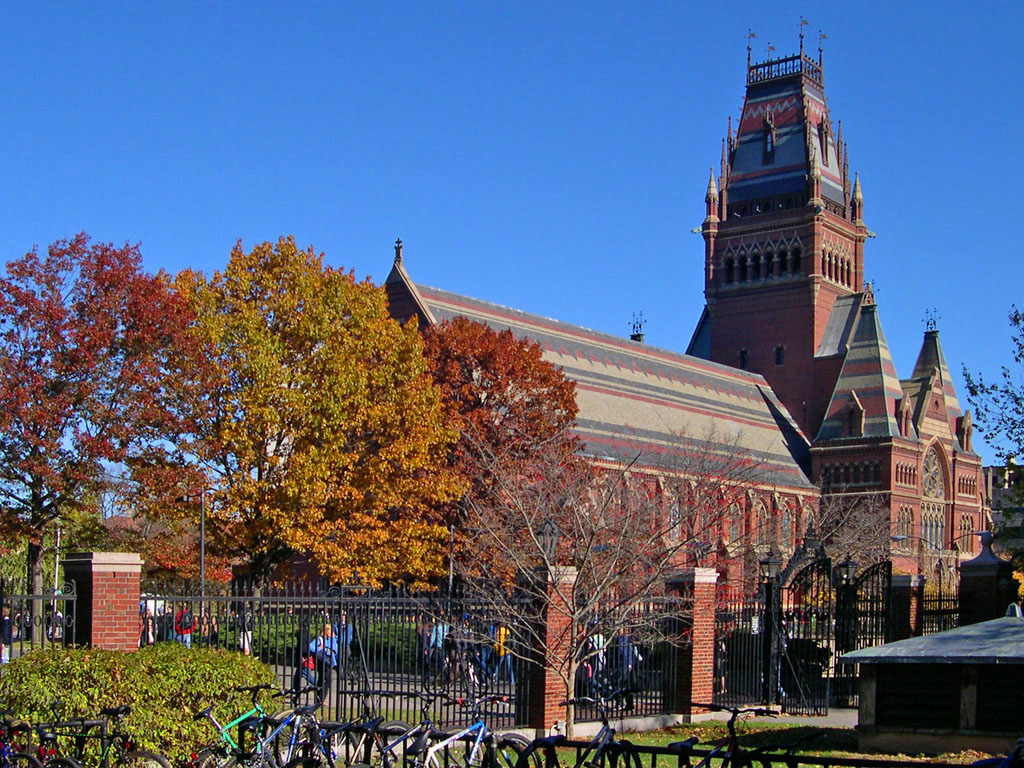
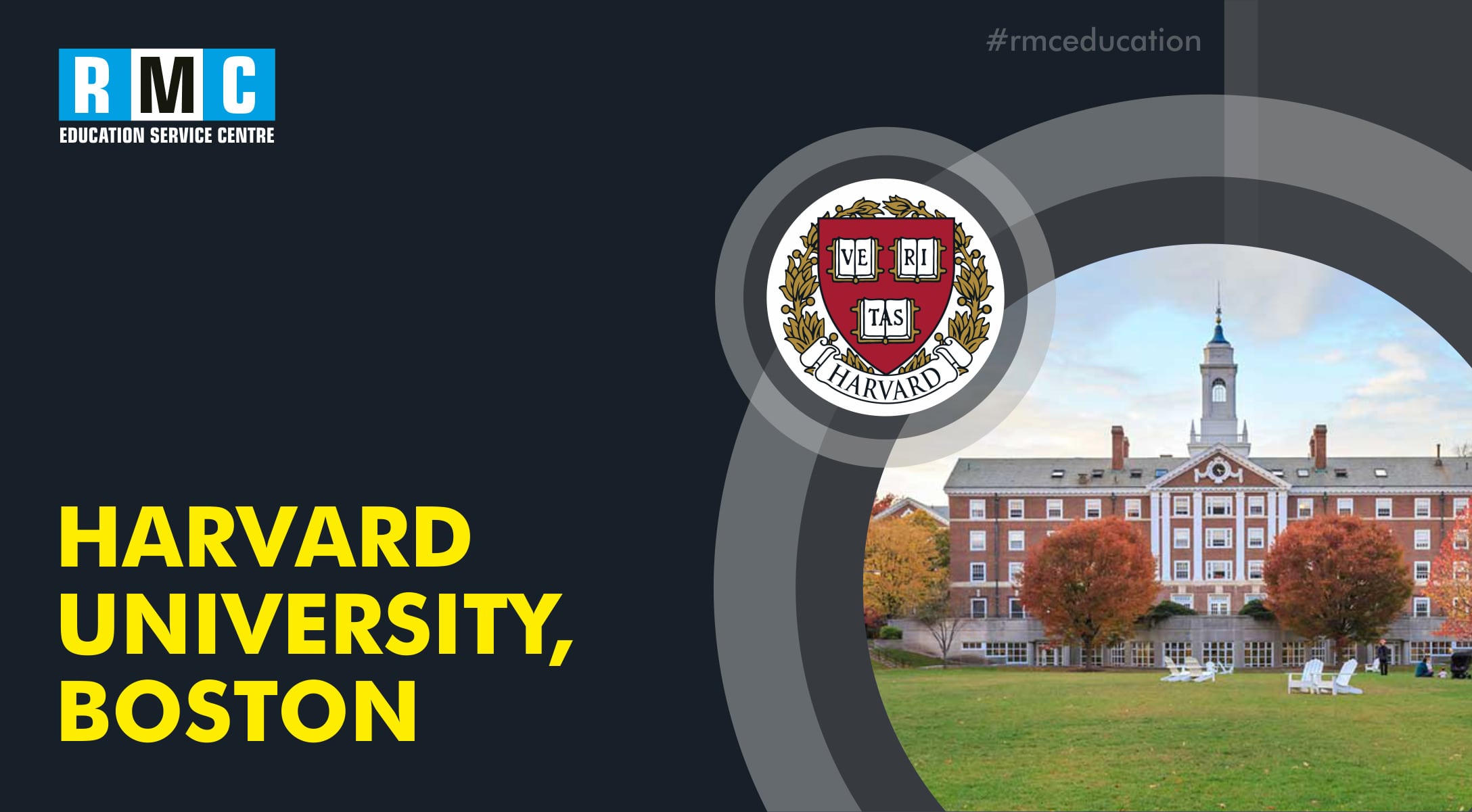
The question “Is Harvard University in Boston?” is one that frequently puzzles travelers and even some locals. While it’s commonly associated with the historic city, the simple answer is no – Harvard University is not located within the city limits of Boston. Instead, this iconic institution, the oldest university in the United States, resides in the adjacent city of Cambridge, Massachusetts. This geographical distinction, while clear on a map, often blurs in the minds of visitors due to the close proximity and intertwined cultural fabric of these two vibrant cities, separated only by the scenic Charles River.
For anyone planning a trip to New England, understanding this relationship is key to fully appreciating the region’s rich history, academic prowess, and diverse attractions. This article will delve into the precise location of Harvard University, explore the unique charm of Cambridge, detail the seamless connection between the two cities, and provide comprehensive guidance for experiencing the best of both worlds – from world-class landmarks and cultural hotspots to diverse accommodation and culinary delights. Whether you’re an prospective student, an academic traveler, or a curious tourist, preparing for your visit to this intellectually stimulating corner of Massachusetts means acknowledging the distinct identities of Boston and Cambridge and how easily they can be explored together.
Unraveling the Geography: Harvard’s True Home
The common misconception linking Harvard University directly to Boston is understandable. Boston is the larger, more internationally recognized city, serving as the cultural and economic hub of New England. However, Harvard’s home is unequivocally Cambridge, a city with its own distinct character, history, and vibrant community.
Cambridge: A City of Its Own
Cambridge is often referred to as “The People’s Republic of Cambridge” due to its historically progressive politics and intellectual atmosphere. It’s a city renowned globally as a center of innovation, education, and technology. Beyond Harvard University, Cambridge is also home to another world-renowned institution: the Massachusetts Institute of Technology, or MIT. This concentration of academic excellence creates a unique environment, fostering a dynamic blend of student life, cutting-edge research, and cultural diversity.
Founded in 1630 as Newe Towne, and later renamed for the English university town, Cambridge has a rich history that parallels and often intertwines with that of Boston. Its streets are lined with a mix of historic architecture, bustling commercial districts, and serene residential areas. The city boasts a thriving arts scene, an eclectic array of restaurants, and numerous independent bookstores and shops, particularly around the famous Harvard Square. Visitors will quickly discover that Cambridge is not just a suburb of Boston, but a destination in its own right, offering a distinct cultural experience. Its unique charm stems from its academic roots, its diverse population, and its commitment to intellectual curiosity and artistic expression.
The Charles River Divide
The geographical boundary between Boston and Cambridge is the beautiful Charles River. This iconic waterway not only separates the two cities but also provides stunning waterfront views and recreational opportunities. Numerous bridges connect Boston and Cambridge, making travel between them exceptionally easy and convenient. The most prominent of these include the Longfellow Bridge, the Harvard Bridge (also known as the MIT Bridge), and the Boston University Bridge, among others.
For pedestrians and cyclists, the Esplanade along the Charles River offers picturesque paths, allowing for scenic walks or bike rides that seamlessly transition from one city to the other. On a sunny day, the river is dotted with sailboats and scullers, reflecting the vibrant energy of both metropolises. The Charles River serves not as a barrier, but as a defining feature that enhances the appeal of the greater Boston-Cambridge area, making it feel like a cohesive, albeit geographically distinct, urban landscape. This natural divide provides a clear point of reference for travelers, helping them understand that while Harvard University is a stone’s throw from Boston, it maintains its address and identity in Cambridge.
Exploring the Harvard Universe: Beyond the Campus Gates
A visit to Harvard University offers much more than just a glimpse of historic buildings; it’s an immersion into centuries of academic excellence and cultural heritage. The campus and its immediate surroundings are teeming with landmarks, museums, and vibrant community spaces that draw millions of visitors each year.
Must-See Landmarks at Harvard University
The heart of Harvard University is Harvard Yard, a sprawling, tree-lined green space surrounded by historic dormitories, academic buildings, and administrative offices. It’s here that one truly feels the weight of history. Walking through Harvard Yard, visitors can admire the stately architecture and imagine the countless intellectual giants who have walked these same paths. A popular stop for tourists is the statue of John Harvard, often mistakenly called the “Statue of Three Lies” because it’s not actually John Harvard, he wasn’t the sole founder, and the founding date is slightly off. Rubbing the statue’s foot for good luck is a time-honored tradition.
Beyond the Yard, architectural marvels abound. The majestic Widener Library, one of the largest academic libraries in the world, is an impressive sight, although access to its interior is generally restricted to university affiliates. Harvard University also boasts an impressive collection of museums. The Harvard Art Museums, comprising the Fogg Art Museum, the Busch-Reisinger Museum, and the Arthur M. Sackler Museum, house extensive collections ranging from ancient to contemporary art. For those interested in the natural world, the Harvard Museum of Natural History offers fascinating exhibits, including the famous Glass Flowers collection. These museums provide enriching experiences, showcasing the university’s commitment to both academic and cultural enrichment, making them essential stops for any visitor.

Harvard Square: A Hub of Activity
Just outside the historic gates of Harvard Yard lies Harvard Square, a bustling triangular plaza that serves as the commercial and cultural epicenter of Cambridge. This vibrant district is a microcosm of the city itself, blending historical charm with modern energy. Harvard Square is a popular gathering spot for students, professors, tourists, and locals alike, offering an array of attractions to suit every taste.
The Square is renowned for its diverse selection of bookstores, from large chains to beloved independent shops, reflecting the area’s intellectual spirit. Shoppers will find unique boutiques, artisan craft stores, and popular brands. The culinary scene in Harvard Square is equally impressive, ranging from casual cafes and quick-bite eateries to upscale restaurants serving international cuisine. Street performers often entertain crowds, adding to the lively atmosphere. The area is also a major transportation hub, with the MBTA Red Line subway station providing easy access to downtown Boston and other parts of Cambridge. Whether you’re looking for a gourmet meal, a unique souvenir, a live performance, or simply a place to people-watch, Harvard Square offers an unforgettable experience, embodying the dynamic lifestyle that defines Cambridge.
Experiencing Boston and Cambridge: A Twin City Adventure
While Harvard University has its distinct home in Cambridge, the beauty of visiting this region is the effortless ability to explore both cities as one cohesive destination. The convenience of travel between Boston and Cambridge allows visitors to combine academic exploration with historical sightseeing, vibrant urban experiences, and diverse cultural encounters, truly making it a twin-city adventure.
Bridging the Cities: Transportation and Accessibility
Navigating between Cambridge and Boston is remarkably easy, thanks to an efficient public transportation system and well-connected infrastructure. The MBTA, often called “the T,” offers subway and bus services that efficiently link all major points of interest. The Red Line subway is particularly useful, with stops at Harvard Square, Kendall Square (near MIT), and directly into downtown Boston at stations like Park Street and South Station. A short ride on the T can transport you from the intellectual enclave of Harvard to the historic heart of Boston in minutes.
Beyond public transit, the cities are also incredibly walkable and bike-friendly. Numerous bridges span the Charles River, offering scenic routes for pedestrians and cyclists. For a truly immersive experience, consider walking across the Longfellow Bridge from Cambridge into Boston, enjoying panoramic views of the skyline and the river. Water taxis also operate during warmer months, providing a unique perspective of the waterfronts. This seamless connectivity means that travelers don’t have to choose between visiting Harvard University or exploring Boston’s landmarks; they can effortlessly enjoy both.
Top Attractions in Both Cities
To truly maximize your visit, plan to explore the iconic sites in both Boston and Cambridge. Each city offers a unique flavor and a wealth of attractions catering to diverse interests.
-
Boston Highlights: In Boston, history comes alive around every corner. Follow the historic Freedom Trail, a 2.5-mile red-lined path that leads to 16 historically significant sites, including the Old State House, Paul Revere’s House, and Bunker Hill Monument. Immerse yourself in the vibrant atmosphere of Faneuil Hall Marketplace, where street performers, shops, and diverse food options abound. Relax in the serene urban oases of Boston Common and the adjacent Public Garden, famous for its swan boats. Art enthusiasts will appreciate the world-class collections at the Museum of Fine Arts, while sports fans can catch a game at legendary Fenway Park, home of the Boston Red Sox. The waterfront also offers attractions like the New England Aquarium and various harbor cruises.
-
Cambridge Beyond Harvard: While Harvard University is a primary draw, Cambridge has much more to offer. Explore the innovative exhibitions at the MIT Museum, showcasing the university’s groundbreaking research in science and technology. Wander through other lively squares, each with its distinct character: Kendall Square is a hub for biotech and tech companies, featuring modern architecture and a dynamic energy; Central Square is known for its diverse music venues, international cuisine, and vibrant arts scene; and Inman Square offers a charming neighborhood feel with independent shops and beloved local eateries. These areas provide a deeper insight into the everyday life and culture of Cambridge beyond its famed university.
Planning Your Stay: Hotels, Dining, and Lifestyle
To truly make the most of your Harvard University and Boston adventure, careful planning of your accommodation, dining, and overall lifestyle preferences is essential. The region offers a spectrum of choices to suit every budget and travel style, ensuring a comfortable and memorable experience.
Where to Stay: Accommodation Options
The choice of where to stay largely depends on your priorities: whether you prefer to be closer to the academic buzz of Cambridge or the historical vibrancy of Boston. Both cities offer a wide array of hotels, from luxurious resorts to budget-friendly apartments.
In Cambridge, particularly around Harvard Square, you’ll find elegant options like The Charles Hotel, known for its sophisticated ambiance and proximity to the university, or the Hyatt Regency Cambridge, offering stunning views of the Charles River and the Boston skyline. These accommodations are ideal for those attending university events, enjoying the Cambridge lifestyle, or simply preferring a slightly quieter setting. Near MIT and Kendall Square, you’ll find more modern, business-oriented hotels.
For travelers who prefer the heart of the action, Boston offers an even broader selection. Luxury hotels such as the Four Seasons Hotel Boston overlook the Public Garden, providing opulent stays. Historic gems like the Omni Parker House, famous for its Boston cream pie, offer a blend of heritage and comfort in the downtown area. Numerous boutique hotels, chain properties, and budget-friendly guesthouses are scattered throughout different Boston neighborhoods, from the charming North End to the Back Bay. Consider booking in advance, especially during peak travel seasons like university graduations or fall foliage season, as rooms can fill up quickly. For longer stays, serviced apartments and vacation rentals are also popular options, providing a home-away-from-home experience with amenities like kitchens and laundry facilities.
Culinary Journey: A Taste of Boston and Cambridge
The dining scenes in Boston and Cambridge are as diverse and rich as their histories. From classic New England fare to international gourmet experiences, there’s something to satisfy every palate.
In Boston, seafood is king. Indulge in fresh lobster rolls, clam chowder, and oysters at iconic establishments along the waterfront or in the historic North End. The North End itself is a culinary destination, famous for its authentic Italian restaurants, bakeries, and pastry shops. For a more upscale dining experience, the Back Bay and Seaport District offer a plethora of fine dining options. Meanwhile, Cambridge’s dining scene reflects its global population, with an abundance of ethnic restaurants, farm-to-table eateries, and innovative culinary concepts. Harvard Square and Central Square are particularly rich in diverse food choices, from casual student-friendly spots to acclaimed gastronomic destinations. Don’t forget to try some local craft beers or visit one of the many artisanal coffee shops in both cities.
Lifestyle and Travel Tips
When planning your trip, consider the time of year. Fall offers stunning foliage and a vibrant academic atmosphere, but it’s also a popular and expensive time to visit. Spring brings blossoming flowers and milder weather, while summer is ideal for outdoor activities along the Charles River and harbor. Winters can be cold and snowy, but the festive holiday decorations add a magical touch.
For getting around, purchasing a multi-day pass for the MBTA is often the most cost-effective and convenient option. Both cities are very walkable, so comfortable shoes are a must. Many attractions offer student or senior discounts, so inquire when purchasing tickets. If traveling with family, look for kid-friendly museums and parks. For those on a budget, exploring the public spaces of Harvard Yard and Boston Common, walking the Freedom Trail, and enjoying free events can provide rich experiences without breaking the bank. Finally, embrace the intellectual curiosity that permeates the air; engage with locals, explore hidden alleyways, and allow yourself to discover the myriad stories these historic cities have to tell.
In conclusion, while the answer to “Is Harvard University in Boston?” is a definitive no, its location in Cambridge only adds to the allure of this incredible region. The close proximity and seamless integration of these two distinctive cities create a travel destination unlike any other, offering an unparalleled blend of history, academia, culture, and modern urban living. A trip here promises an enriching journey through the heart of New England’s intellectual and historical landscape.
LifeOutOfTheBox is a participant in the Amazon Services LLC Associates Program, an affiliate advertising program designed to provide a means for sites to earn advertising fees by advertising and linking to Amazon.com. Amazon, the Amazon logo, AmazonSupply, and the AmazonSupply logo are trademarks of Amazon.com, Inc. or its affiliates. As an Amazon Associate we earn affiliate commissions from qualifying purchases.