
The sound of cheering crowds, the rhythmic pounding of feet on pavement, and an electric atmosphere descend upon the city of Boston every year for one of the world’s most iconic road races: the Boston Marathon. More than just a race, it’s a profound cultural event, a testament to human endurance, and a significant magnet for tourism in Massachusetts and across the United States. For both aspiring runners and enthusiastic spectators planning their trip to this historic event, a crucial piece of information often sought is the precise timing of the race. Knowing “What time does the Boston Marathon start?” is the first step in orchestrating a memorable Marathon Monday experience.
The Boston Marathon is traditionally held on Patriots’ Day, the third Monday in April, making it a distinctive holiday in Massachusetts. Unlike many races with a single mass start, the Boston Marathon employs a wave start system to manage the immense field of participants and ensure a smoother flow along its legendary course. This phased approach means there isn’t just one start time, but several, catering to different categories of runners. Understanding these start times is essential, whether you’re lacing up your running shoes or finding your perfect vantage point to cheer.
The Iconic Boston Marathon: A Deep Dive into Race Day Logistics
The organization of the Boston Marathon by the Boston Athletic Association (BAA) is a masterclass in event management. From the earliest competitive starts to the final waves of qualifiers, every minute is meticulously planned to create an unforgettable experience for tens of thousands of runners and over a million spectators.
Understanding the Start Times and Waves
The official start times for the Boston Marathon are staggered, beginning in the morning in Hopkinton, a town approximately 26.2 miles west of Boston. While the exact schedule can vary slightly year to year, a typical breakdown of the start waves is as follows:
- Professional Wheelchair Divisions (Men & Women): These elite athletes typically kick off the day’s events, often starting between 9:00 AM and 9:05 AM. Their early start provides clear roads and highlights their incredible athleticism.
- Handcycle & Duos: Following the wheelchair divisions, these inspirational participants usually begin around 9:30 AM.
- Professional Men: The world’s top male marathoners take their mark around 9:37 AM, setting a blistering pace from the outset.
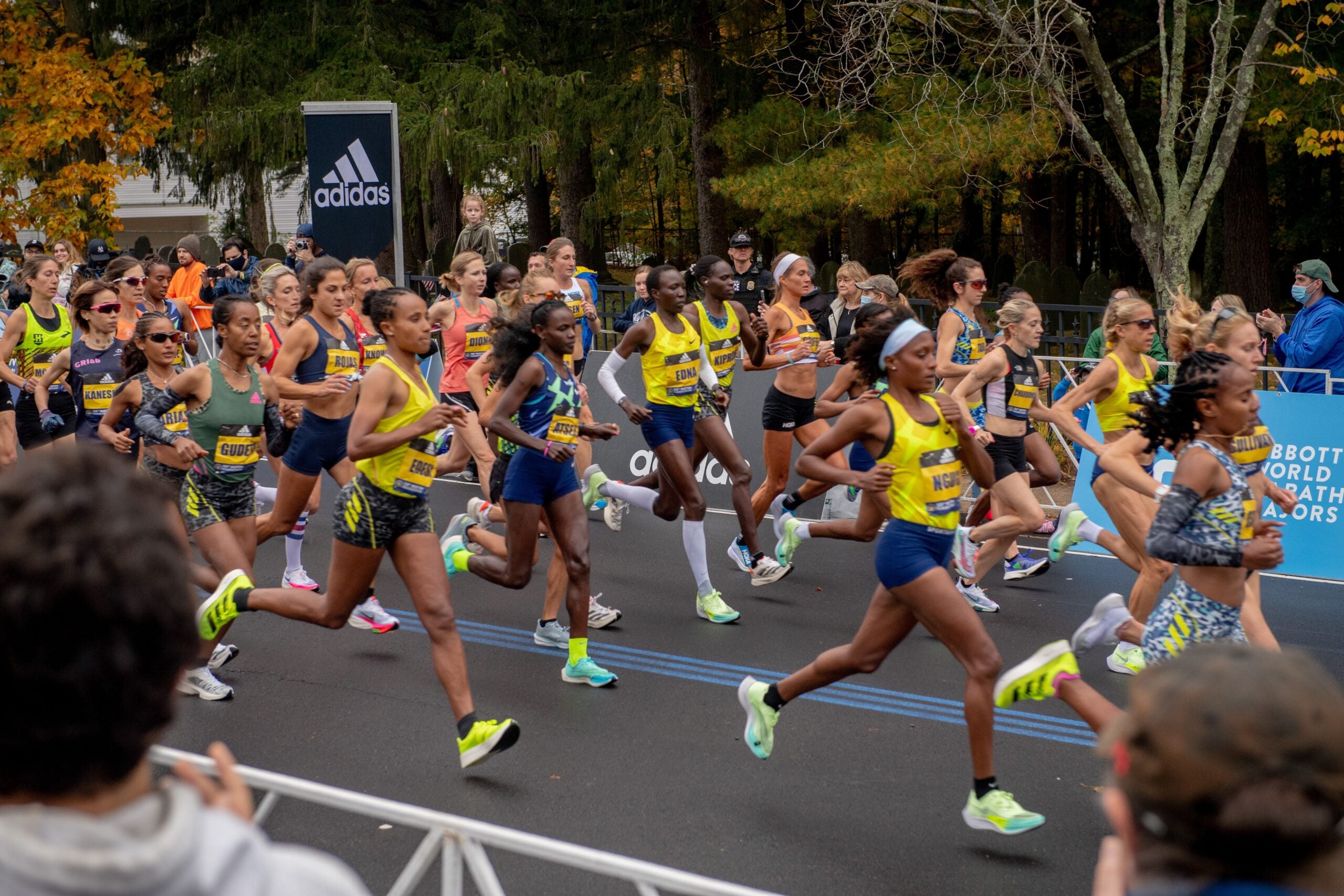
- Professional Women: Shortly after the men, the elite female field begins their race, typically around 9:47 AM, vying for the coveted title.
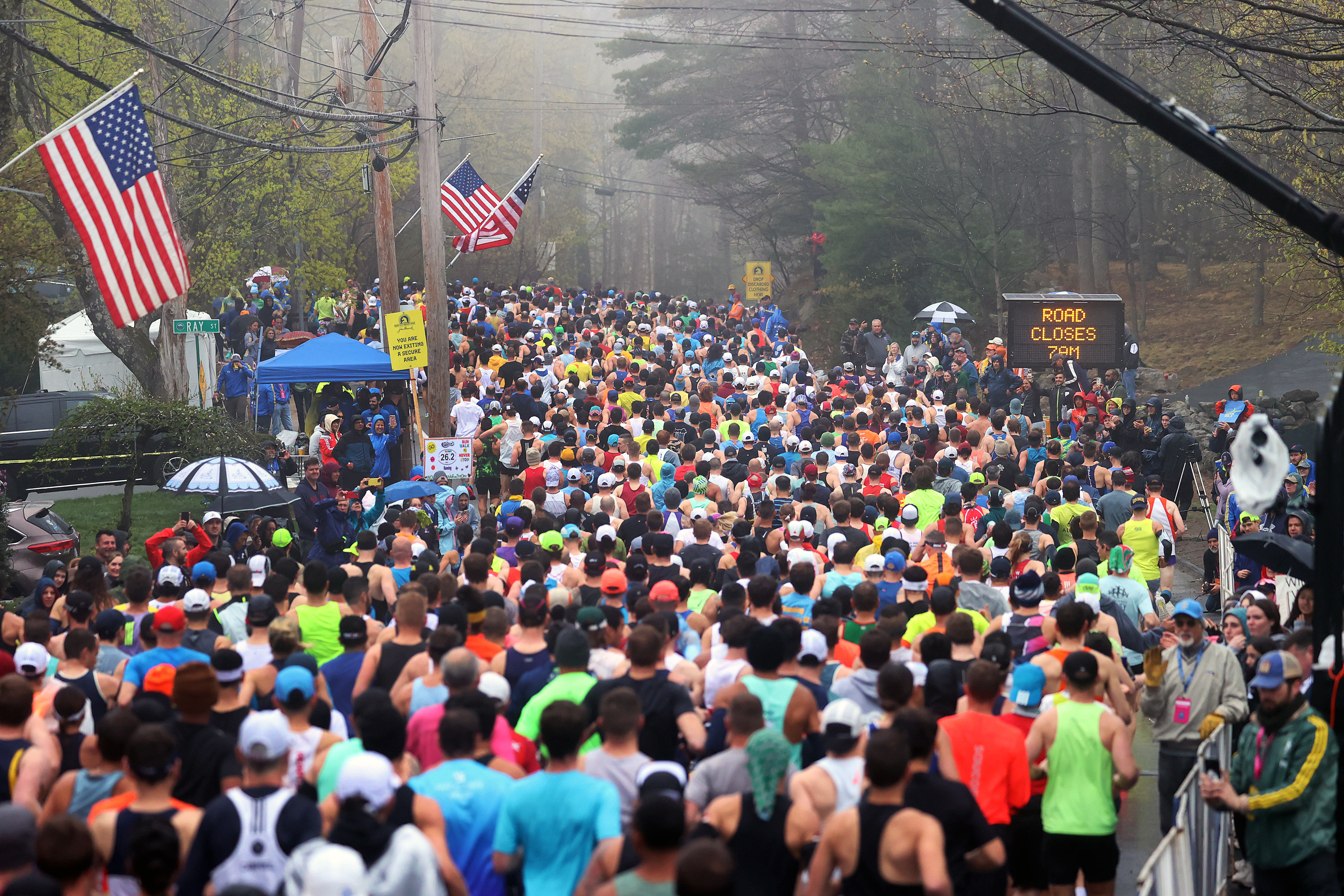
- Wave 1: The first wave of qualified amateur runners, usually the fastest qualifiers, begins their journey around 10:00 AM.
- Wave 2: The second wave follows approximately 25 minutes later, around 10:25 AM.
- Wave 3: This wave typically starts around 10:50 AM.
- Wave 4: The final wave of qualified runners commences their race around 11:15 AM.
It is crucial for both runners and spectators to check the official Boston Athletic Association (BAA) website for the most current and precise start times for any given year, as slight adjustments can occur. For runners, arriving at the Athlete’s Village in Hopkinton well in advance of their wave start is imperative for a stress-free pre-race experience, allowing ample time for gear check, hydration, and final preparations.
Tracing the Historic Route: From Hopkinton to Copley Square
The Boston Marathon course is a point-to-point race, starting in the rural charm of Hopkinton and concluding in the bustling heart of Boston at Copley Square. This iconic route passes through eight cities and towns, each offering a unique slice of New England character and a different spectating experience.
The initial miles through Hopkinton, Ashland, Framingham, and Natick are generally downhill or flat, lulling runners into a comfortable rhythm. However, the course famously introduces its challenges in the later stages. The series of ascents known as the Newton Hills begins around mile 16, culminating in the notorious Heartbreak Hill around mile 20 in Newton. This seemingly innocuous rise, combined with 20 miles of running already in the legs, truly tests a runner’s mental and physical fortitude.
After conquering Heartbreak Hill, runners descend through Boston College and Brookline, energized by massive crowds and the anticipation of the finish. The final stretch through Kenmore Square, past the famous Citgo Sign, and onto Boylston Street is a triumphant sprint towards the finish line in Copley Square, where the Boston Public Library and the Fairmont Copley Plaza stand as majestic backdrops. The route’s unique character contributes significantly to the marathon’s lore and makes it a bucket-list event for runners worldwide.
A Legacy of Endurance: The Marathon’s Rich History
Founded in 1897, the Boston Marathon holds the distinction of being the world’s oldest annual marathon. Inspired by the success of the first modern Olympic Games marathon in Athens in 1896, members of the Boston Athletic Association (BAA) established their own race, initially covering about 24.5 miles. The course was later extended to the now-standard 26 miles, 385 yards (42.195 kilometers) in 1924 to conform to Olympic standards.
Over its more than a century of existence, the Boston Marathon has witnessed countless moments of athletic brilliance, human resilience, and historical significance. It has broken barriers, most notably in 1967 when Kathrine Switzer famously ran as an officially registered competitor, despite attempts by race officials to remove her, paving the way for women’s full inclusion in long-distance running. The race has also endured challenges, demonstrating the unwavering spirit of the city and its global running community, especially after the tragic events of 2013, which only strengthened its resolve and symbolic power. Attending or running the Boston Marathon is not just participating in an event; it’s connecting with a living piece of sporting history.
Planning Your Boston Marathon Experience: Travel & Accommodation
Whether you are a runner traveling to achieve a lifelong goal or a spectator eager to soak in the exhilarating atmosphere, meticulous planning is key to a seamless Boston Marathon experience. Boston, a city rich in history and charm, becomes a bustling hub during Marathon Monday, making early bookings and strategic travel arrangements essential.
Securing Your Stay: Hotels, Apartments, and Unique Stays
Accommodation is arguably the most critical aspect of planning your visit. Boston offers a diverse range of options, from luxurious hotels to cozy boutique inns and convenient apartment rentals, catering to various budgets and preferences.
For those seeking an upscale experience with prime access to the finish line, hotels in the Back Bay area are unparalleled. The Fairmont Copley Plaza, The Lenox Hotel, and Mandarin Oriental, Boston offer not only opulent amenities but also are mere steps away from Copley Square and Boylston Street. These options fall into the luxury travel category, perfect for those who desire comfort and convenience after a long race or day of spectating.
Mid-range and budget-friendly hotels can be found throughout downtown, the Seaport District, or slightly outside the immediate city center, often with excellent public transport connections. Consider areas like Cambridge across the Charles River, which offers a vibrant atmosphere and easy access via the MBTA (Massachusetts Bay Transportation Authority).
For longer stays or family trips, apartments and vacation rentals booked through platforms like Airbnb or VRBO provide more space, kitchen facilities, and a taste of local living. Booking well in advance—sometimes up to a year out—is highly recommended, as demand surges and prices escalate closer to race day. When considering accommodation, always check reviews and compare options to find the best fit for your lifestyle and travel needs.
Navigating Boston: Transportation Tips
Boston’s compact size and excellent public transportation system make it relatively easy to navigate without a car, especially during marathon festivities when road closures are extensive.
- Arrival: Most visitors fly into Logan International Airport (BOS), located just across Boston Harbor from downtown. From the airport, options include taxis, ride-shares, the Silver Line bus connecting to South Station, or the free Massport shuttle to the Airport Blue Line station, offering direct access to downtown.
- Public Transit (MBTA): The “T,” as locals call it, comprises subway (color-coded lines), bus, and commuter rail services. It’s the most efficient way to get around the city and reach various spectating points along the race course. Purchasing a CharlieCard or CharlieTicket is advisable. Be aware that on Marathon Monday, certain T stations, particularly those near the finish line (like Copley and Hynes Convention Center), may be closed or have restricted access for security reasons. Plan your routes carefully and allow extra travel time.
- Walking: Boston is a wonderfully walkable city, particularly its historic neighborhoods. Walking allows you to fully appreciate the architecture and atmosphere, especially in areas like Beacon Hill or the North End.
- Ride-shares/Taxis: While available, these services can be affected by road closures and heavy traffic on race day, leading to surge pricing and longer wait times.
Prime Spectating Spots and Fan Zones
Choosing where to watch the race depends on the experience you’re seeking. Each part of the course offers a different vibe:
- Start Line (Hopkinton): Experience the raw excitement of the start, though security is tight, and spectator access is limited to certain areas. It requires significant logistical planning to get there.
- Wellesley College (Wellesley): Around the halfway mark (mile 13), students from Wellesley College famously line the “Scream Tunnel,” offering unparalleled vocal support and high-fives. It’s an iconic and loud experience.
- Newton Hills & Heartbreak Hill: Witness runners battling the challenging ascents. This area provides a great perspective on the grit and determination required to finish.
- Boston College (Boston College): Just after Heartbreak Hill, the crowds here are huge and boisterous, injecting much-needed energy into tired runners.
- Kenmore Square: As runners enter Boston proper, this area near Fenway Park is electric with fan energy, just miles from the finish.
- Boylston Street (near finish line): The most sought-after spot, offering direct views of the final sprint. Access is often restricted to ticketed grandstand seating or very early arrival. Security checkpoints are extensive.
Wherever you choose to watch, arrive early to secure a good spot, bring snacks and water, and wear comfortable shoes. The atmosphere is generally festive and family-friendly, making it a truly unique event.
Beyond the Finish Line: Exploring Boston’s Charms
The Boston Marathon is a highlight, but Boston itself is a world-class destination brimming with history, culture, and vibrant neighborhoods. Extending your stay beyond Marathon Monday allows you to fully immerse yourself in the city’s unique blend of old-world charm and modern sophistication.
Immerse Yourself in History and Culture
Boston is a living museum of American history. A must-do activity is walking the Freedom Trail, a 2.5-mile red-lined path that winds through downtown, connecting 16 historically significant sites. Along the way, you’ll encounter landmarks like the Massachusetts State House, Faneuil Hall (often called “the Cradle of Liberty”), the Old North Church, and the site of the Boston Massacre.
Beyond colonial history, Boston boasts an impressive array of museums. The Museum of Fine Arts (MFA) houses a vast collection spanning centuries and cultures, while the Isabella Stewart Gardner Museum offers a unique art experience within a stunning Venetian-style palace. For sports enthusiasts, a tour of Fenway Park, home of the Boston Red Sox, is an essential pilgrimage.
Don’t forget to explore the charming neighborhoods: stroll through the picturesque, gaslit streets of Beacon Hill with its Federalist architecture, wander the bustling Italian district of the North End, or enjoy the green spaces of Boston Common and the adjacent Public Garden, home to the famous Swan Boats. A short trip across the Charles River takes you to Cambridge, where you can explore the prestigious campuses of Harvard University and the Massachusetts Institute of Technology (MIT).
Culinary Delights and Local Flavors
Boston’s food scene is as diverse as its history, offering everything from classic New England fare to innovative international cuisine. No visit is complete without indulging in the city’s renowned seafood. Fresh lobster rolls, clam chowder, and oysters are staples, with establishments like Legal Sea Foods offering a quintessential Boston seafood experience.
In the North End, immerse yourself in Italian-American culture, savoring authentic pasta dishes, pizza, and, of course, delicious cannolis from bakeries like Mike’s Pastry or Modern Pastry. Craft beer enthusiasts can explore local breweries, perhaps even a tour of the Sam Adams Brewery. And for a touch of pop culture nostalgia, stop by the Cheers Bar (the replica on Beacon Hill or the original Bull & Finch Pub).
Maximizing Your Stay: Practical Tips for Visitors
- Book Everything Early: This applies not just to accommodation but also to popular tours and reservations, especially if traveling during peak seasons or major events like the marathon.
- Dress in Layers: New England weather in April can be unpredictable, ranging from chilly and rainy to surprisingly warm.
- Embrace Walking Shoes: Boston is best explored on foot.
- Consider a CityPass: If you plan to visit multiple attractions, a Boston CityPASS can offer significant savings.
- Engage with Locals: Bostonians are generally proud of their city and often happy to offer recommendations or share insights.
Essential Guidance for Runners and Spectators
Participating in or spectating the Boston Marathon is an unparalleled experience, requiring specific considerations for both groups to ensure a safe and enjoyable day.
Preparing for the Race: Runner’s Checklist
For qualified runners, the journey to the Boston Marathon is long, culminating in race day itself. Beyond the rigorous training, logistical preparation is paramount.
- Bib and Packet Pickup: This typically occurs at the John Hancock Sports & Fitness Expo. Runners must pick up their bibs in person, bringing photo ID. This is also a great opportunity to explore vendor booths and pick up last-minute gear.
- Transportation to Start Line: The Boston Athletic Association (BAA) provides official bus transportation from Boston Common to Hopkinton. This is the only recommended way for runners to get to the start, as private vehicles are not permitted near the start area.
- Gear Check: Utilize the official gear check system to transport your essentials from Hopkinton to the finish area in Boston.
- Nutrition and Hydration: Stick to your tried-and-true race-day nutrition plan. Take advantage of water and aid stations on the course.
- Clothing: Check the weather forecast for Marathon Monday and plan your race attire accordingly. Consider throw-away layers for the chilly wait at the start.
- Mental Preparation: The Boston Marathon is as much a mental challenge as a physical one, especially with Heartbreak Hill. Visualize your success and embrace the energy of the crowds.
Making the Most of Race Day: Spectator Etiquette and Engagement
Spectators play an integral role in the magic of the Boston Marathon. Your cheers and enthusiasm power the runners through tough miles.
- Respect the Runners and Course: Give runners ample space, especially near aid stations and the finish line. Avoid running alongside them or blocking their path.
- Cheer Enthusiastically and Respectfully: Offer words of encouragement (“You got this!”, “Great job!”), cheer for everyone, not just those you know. Avoid shouting anything that could be distracting or discouraging.
- Make Signs: Homemade signs with positive messages or humorous quips are a fantastic way to engage with runners and show support.
- Be Mindful of Security: Security measures are always heightened, especially near the finish line. Follow all instructions from law enforcement and race officials. Do not bring large bags or backpacks to restricted areas.
- Use the MBTA Wisely: As mentioned, public transport is the best way to move along the course. Check for service changes or closures on race day.
- Stay Hydrated and Fed: Marathon Monday is a long day for spectators too! Bring water and snacks, especially if you plan to be out for several hours.
- Plan Your Meeting Spot: If meeting a runner after the race, designate a clear and accessible meeting point in advance, as cell service can be spotty with large crowds, and the finish area is chaotic.
The Boston Marathon is a magnificent blend of athletic achievement, community spirit, and historical tradition. By understanding the start times, planning your travel and accommodation strategically, and knowing how to navigate and enjoy the city, both runners and spectators can contribute to and cherish this unforgettable New England experience. From the first wheelchair push to the final triumphant steps on Boylston Street, the spirit of the Boston Marathon is truly inspiring, making it a must-add to any travel enthusiast’s itinerary.
LifeOutOfTheBox is a participant in the Amazon Services LLC Associates Program, an affiliate advertising program designed to provide a means for sites to earn advertising fees by advertising and linking to Amazon.com. Amazon, the Amazon logo, AmazonSupply, and the AmazonSupply logo are trademarks of Amazon.com, Inc. or its affiliates. As an Amazon Associate we earn affiliate commissions from qualifying purchases.