
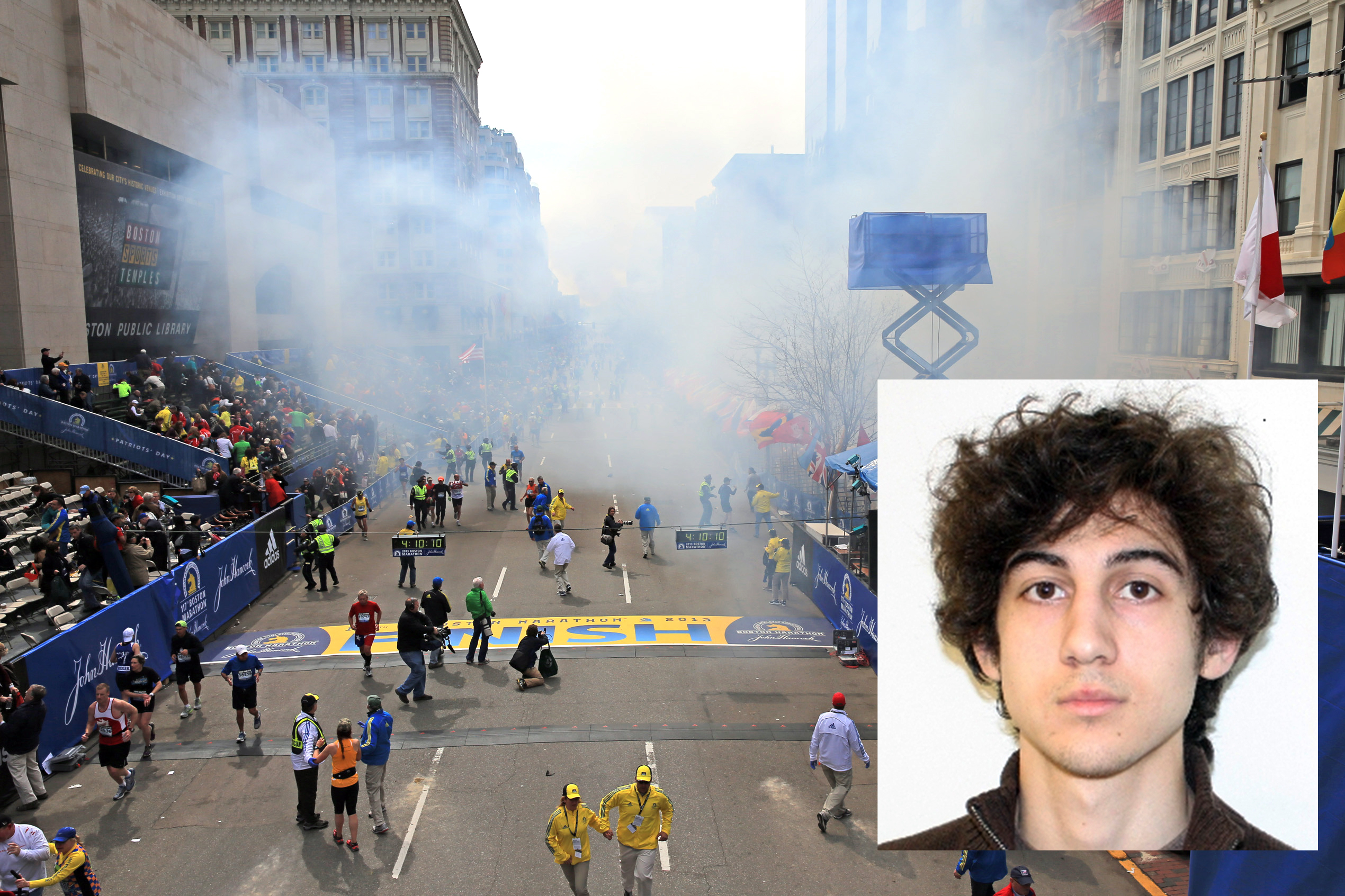
The Boston Marathon Bombing, a tragic event that shook the world, occurred on Monday, April 15, 2013. This fateful day transformed what is traditionally a joyous celebration of athleticism and community spirit into a scene of chaos and profound sorrow. The incident took place near the finish line of the annual Boston Marathon on Boylston Street in Copley Square, forever etching itself into the memory of the city of Boston, the state of Massachusetts, and indeed, the entire United States.
For those interested in travel, tourism, and experiencing global events, understanding the context of this day is crucial, not just for historical awareness but also for appreciating the remarkable resilience of Boston as a destination. The events of 2013 profoundly impacted perceptions of public safety at large-scale gatherings, leading to significant enhancements in security protocols that continue to shape how major marathons and other celebratory events are managed worldwide. While the day itself was marked by tragedy, the response that followed, characterized by an outpouring of courage, compassion, and unity, became a testament to the enduring spirit of a city that refused to be defined by fear. Today, the Boston Marathon stands as a powerful symbol of hope, endurance, and community, drawing visitors and participants from across the globe to this historic New England city.
A Day That Changed Boston: The 2013 Boston Marathon Bombing
The Boston Marathon, one of the world’s oldest and most prestigious annual marathons, is traditionally held on Patriot’s Day, the third Monday in April. For decades, it has drawn hundreds of thousands of spectators and tens of thousands of runners, transforming the city into a vibrant festival of human achievement and communal cheer. On April 15, 2013, however, this joyful atmosphere was shattered.
The Tragic Events of April 15, 2013
At approximately 2:49 PM EDT, as many runners were crossing the finish line and thousands of spectators lined Boylston Street, two homemade pressure-cooker bombs detonated just 12 seconds apart, about 200 yards from each other. The blasts killed three innocent people: 29-year-old Krystle Campbell, 23-year-old Lu Lingzi, and 8-year-old Martin Richard. Additionally, an estimated 264 others were injured, many sustaining life-altering wounds, including traumatic amputations.
The scene immediately descended into chaos. The festive shouts of encouragement turned into screams of terror and pain, replaced by the wail of sirens. First responders, including police, firefighters, and paramedics, alongside countless brave civilians, rushed into the plumes of smoke and debris to aid the wounded. Emergency medical tents, originally set up to treat exhausted runners, quickly became triage centers for victims of the explosions. The swift and courageous actions of these individuals undoubtedly saved many lives amidst the unfolding tragedy.
Immediate Aftermath and Global Response
In the hours and days that followed the bombing, Boston became the focal point of a massive law enforcement investigation led by the FBI. The city, along with its neighboring communities, experienced an unprecedented lockdown, as authorities launched a manhunt for the perpetrators. This intense search culminated in a dramatic confrontation in Watertown, leading to the death of one suspect and the capture of the other. The events of those days, broadcast live across the globe, captivated and horrified millions, showcasing both the vulnerability and the indomitable resolve of a community under duress.
The international response was one of profound sympathy and solidarity. Leaders worldwide expressed condolences, and people from all corners of the globe demonstrated support for Boston. For the travel and tourism industry, the immediate aftermath brought a temporary pause as the city focused on recovery and investigation. However, this pause was quickly followed by a strong desire to show support for Boston through visitation, a testament to the idea that acts of terror cannot diminish the appeal or spirit of a vibrant destination. The shared experience forged a powerful sense of community, epitomized by the phrase “Boston Strong,” which quickly became a rallying cry for resilience and unity.

Boston’s Enduring Spirit: Resilience and Remembrance
The phrase “Boston Strong” transcended a mere slogan; it became a declaration of defiance, a promise of recovery, and a testament to the unwavering spirit of a city that refused to be defeated by tragedy. This resilience is deeply embedded in the city’s historical fabric, evident in its colonial past and its role in the American Revolution.
The Legacy of “Boston Strong”
In the aftermath of the bombing, the people of Boston and surrounding areas demonstrated an extraordinary capacity for healing and rebuilding. The city rallied together, showing immense support for the victims, their families, and the first responders. Fundraisers, benefit concerts, and community events sprang up, channeling collective grief into constructive action. The marathon itself became a symbol of this renewed determination. The very next year, the 2014 Boston Marathon saw an emotional return, with a record number of runners and an unprecedented number of spectators lining the course, cheering louder than ever. This triumphant return was a powerful statement that the spirit of the event, and of Boston, could not be broken.
This legacy continues to shape the city’s identity and its appeal as a destination. Visitors to Boston today often speak of encountering a palpable sense of community pride and a deep appreciation for life. The city’s open-hearted nature and its blend of historical significance with modern vibrancy make it an unforgettable travel experience. The resilience of Boston serves as an inspiration, reminding travelers that destinations, like people, possess an inherent strength to overcome adversity and emerge stronger.
Memorials and Commemorative Events
To ensure that the victims are never forgotten and that the lessons learned endure, Boston has established several poignant memorials and annual commemorative events.
- Boylston Street Memorials: Near the site of the blasts on Boylston Street, there are two permanent memorials, unveiled in 2019. These beautifully designed bronze and stone tributes honor the victims and survivors. They serve as quiet places for reflection for both residents and visitors, integrated seamlessly into the urban landscape outside the Boston Public Library.
- One Boston Day: Established in 2015, April 15th is now recognized as One Boston Day. This day encourages acts of kindness, charity, and community service throughout the city, transforming a day of tragedy into an annual observance of compassion and civic engagement. Local businesses, community groups, and individuals participate in various initiatives, showcasing the city’s ongoing commitment to positivity and mutual support.
- The Boston Marathon Wreath Laying: Each year, on the anniversary, solemn ceremonies are held, including a wreath-laying at the finish line and a moment of silence, often attended by city officials, survivors, and family members of those lost. These events provide a respectful space for remembrance and reaffirm the city’s commitment to supporting those affected by the tragedy.
For travelers, visiting these memorials and understanding the significance of One Boston Day offers a deeper, more meaningful engagement with Boston’s contemporary history and culture. It transforms a typical sightseeing trip into an experience of connection and shared human experience, enriching one’s understanding of the city’s soul.
The Boston Marathon Today: A Symbol of Hope and Enhanced Safety
The Boston Marathon has not only recovered but has emerged as an even more powerful symbol of human spirit and resilience. While the excitement and competitive fire remain, the experience for both participants and spectators has evolved, particularly in terms of safety and security.
Reimagining Race Day: Security and Spectator Experience
Following the 2013 bombing, the organizers, the Boston Athletic Association, in conjunction with local, state, and federal law enforcement agencies, meticulously re-evaluated and significantly enhanced security protocols for the marathon. These measures are now a fundamental part of “Marathon Monday.”
- Increased Law Enforcement Presence: Thousands of uniformed and plainclothes officers are deployed along the entire 26.2-mile course, from Hopkinton to Boston.
- Restricted Access Areas: Certain areas, particularly around the finish line and major spectator points, have controlled access, with bag checks and limitations on prohibited items (e.g., large bags, coolers, drones).
- Enhanced Surveillance: An extensive network of cameras, both fixed and mobile, monitors the course, alongside drones and aerial surveillance.
- Strategic Barricades and Blockades: Physical barriers and vehicle blockades are used to protect high-density areas from potential vehicular threats.
- Public Awareness Campaigns: Spectators are regularly encouraged to “See Something, Say Something” and report suspicious activity, empowering the public to be part of the security effort.
These measures, while extensive, are designed to be as unobtrusive as possible, aiming to maintain the joyous and celebratory atmosphere of the event. The goal is to provide a safe environment without sacrificing the essence of the Boston Marathon as a communal experience. For visitors planning to attend or participate, understanding these protocols is key to a smooth and enjoyable experience. The spirit of the marathon, characterized by determination and camaraderie, continues to thrive, made even more poignant by the collective memory of what was overcome.
Planning Your Visit: Participating in or Attending the Marathon
Attending the Boston Marathon, whether as a runner or a spectator, is a bucket-list experience for many.
- For Runners: Qualifying for Boston is a significant athletic achievement, requiring stringent qualifying times. Many also run for charity, securing bibs through philanthropic organizations, which offers another avenue to participate and contribute to meaningful causes. Training and preparation for this challenging course, including the infamous Heartbreak Hill in Newton, require dedication.
- For Spectators: “Marathon Monday” is a public holiday in Massachusetts, meaning the city is alive with energy.
- Best Viewing Spots: Popular spots include Heartbreak Hill for witnessing grit, Kenmore Square for its lively atmosphere, and Boylston Street near the finish line (though this area has tighter security). Arrive early, especially if you want a good vantage point.
- Transportation: Public transportation (MBTA) is highly recommended as road closures are extensive. Plan your routes in advance and expect crowds.
- Accommodation: Booking hotels well in advance is crucial, as prices surge during marathon week. Options range from luxury stays at properties like the Four Seasons Hotel Boston or The Ritz-Carlton, Boston overlooking Boston Common, to boutique hotels in the Back Bay like The Lenox Hotel, or more budget-friendly options further out. Many runners and their families look for hotels with easy access to the finish line or shuttle pick-up points. Consider Hyatt Regency Boston or Omni Parker House for their central locations.
Whether you’re there to run, cheer, or simply soak in the atmosphere, the Boston Marathon offers an unparalleled experience, celebrating human endurance and the unwavering spirit of a city.
Boston Beyond the Marathon: Exploring a Resilient City
While the Boston Marathon holds a special place in the city’s heart and history, Boston offers a wealth of experiences for every type of traveler, blending its rich past with a dynamic present. The city’s ability to heal and thrive after adversity has only added to its charm and depth, making it an even more compelling destination.
Must-Visit Landmarks and Attractions
Boston’s landscape is dotted with historical treasures and modern marvels.
- The Freedom Trail: A 2.5-mile red-lined path through downtown Boston that leads to 16 historically significant sites, including the Massachusetts State House, Park Street Church, Paul Revere House, and Faneuil Hall. It’s an essential journey for history buffs.
- Boston Common and Public Garden: America’s oldest park, the Boston Common, offers green space for relaxation, while the adjacent Public Garden is famous for its Swan Boats and beautiful floral displays.
- Museum of Fine Arts and Isabella Stewart Gardner Museum: World-class institutions housing impressive art collections. The Gardner Museum, a Venetian-style palace, is renowned for its unique architecture and famous art heist.
- Fenway Park: Home of the Boston Red Sox, this iconic baseball stadium is a must-visit for sports fans, offering tours even outside of baseball season.
- Newbury Street: A premier shopping destination in Back Bay filled with boutiques, art galleries, and charming cafes.
- Panoramic Views: Ascend to the Skywalk Observatory at the Prudential Tower or enjoy the architecture of the John Hancock Tower for stunning city vistas.
- Waterfront Attractions: Explore the revitalized Seaport District, visit the New England Aquarium, or take a harbor cruise along the Charles River.
Accommodation and Lifestyle in the Hub
Boston caters to a diverse range of travel styles and budgets.
- Luxury Travel: Indulge in exquisite service and opulent surroundings at five-star hotels like the Mandarin Oriental, Boston or The Langham, Boston. These offer premium amenities, fine dining, and prime locations in neighborhoods like Back Bay or the Downtown Crossing area.
- Boutique and Mid-Range: For a more personalized experience, boutique hotels in Beacon Hill or South End offer unique charm. Well-known chains like Hilton and Marriott also have strong presences, providing reliable comfort and service.
- Budget Travel and Long-term Stays: Hostels, guesthouses, and serviced apartments cater to budget-conscious travelers or those planning extended visits. Consider staying in areas slightly outside the immediate city center, such as Cambridge (home to Harvard University and the Massachusetts Institute of Technology (MIT)) for potentially lower rates and a different local experience, easily accessible via public transport.
- Family Trips and Business Stays: Boston is well-equipped for both, with family-friendly attractions like the Museum of Science and extensive convention facilities, ensuring a comfortable stay regardless of your trip’s purpose.
Culinary Experiences and Local Culture
Boston’s culinary scene is as rich and diverse as its history. From traditional New England seafood, including world-famous clam chowder and lobster rolls, to innovative fusion cuisine, there’s something to tempt every palate. Explore the historic North End for authentic Italian fare, or the Seaport District for trendy restaurants with waterfront views. The city’s thriving academic environment, fueled by institutions like Harvard and MIT, also contributes to a vibrant intellectual and cultural atmosphere, with numerous theaters, live music venues, and galleries.
Visiting Boston is more than just a trip; it’s an immersive journey into a city that embodies resilience, history, and a forward-looking spirit. The memory of the 2013 Boston Marathon Bombing remains, but it serves not as a deterrent, but as a testament to the profound strength and unwavering community spirit that defines this extraordinary destination.
LifeOutOfTheBox is a participant in the Amazon Services LLC Associates Program, an affiliate advertising program designed to provide a means for sites to earn advertising fees by advertising and linking to Amazon.com. Amazon, the Amazon logo, AmazonSupply, and the AmazonSupply logo are trademarks of Amazon.com, Inc. or its affiliates. As an Amazon Associate we earn affiliate commissions from qualifying purchases.