
The question “Are the California fires done?” echoes across the globe, a query of profound importance not only to residents but also to the millions who dream of visiting the Golden State. For travelers, hoteliers, and the broader tourism industry, understanding the reality of wildfire activity is crucial. California, a land of diverse landscapes, from sun-drenched beaches to towering redwoods, bustling cities to serene wine valleys, has long captivated the imagination. Its allure as a premier travel destination, offering everything from luxury resorts and quaint boutique hotels to rugged outdoor adventures, remains undiminished despite the shadow cast by past fire seasons.
The narrative of California and its wildfires is complex, evolving with each passing year. While major, headline-grabbing infernos often dominate the news, painting a picture of widespread devastation, the reality for the vast majority of the state’s expansive and varied regions is often quite different. This article aims to provide a comprehensive overview for potential visitors, addressing concerns about safety, the state of recovery, and the many resilient destinations that continue to thrive, welcoming guests with open arms and showcasing the indomitable spirit of California tourism. We’ll delve into how to plan a trip responsibly, where to find updated information, and why a journey to California remains an unparalleled experience.
Understanding the Landscape of Recovery and Resilience
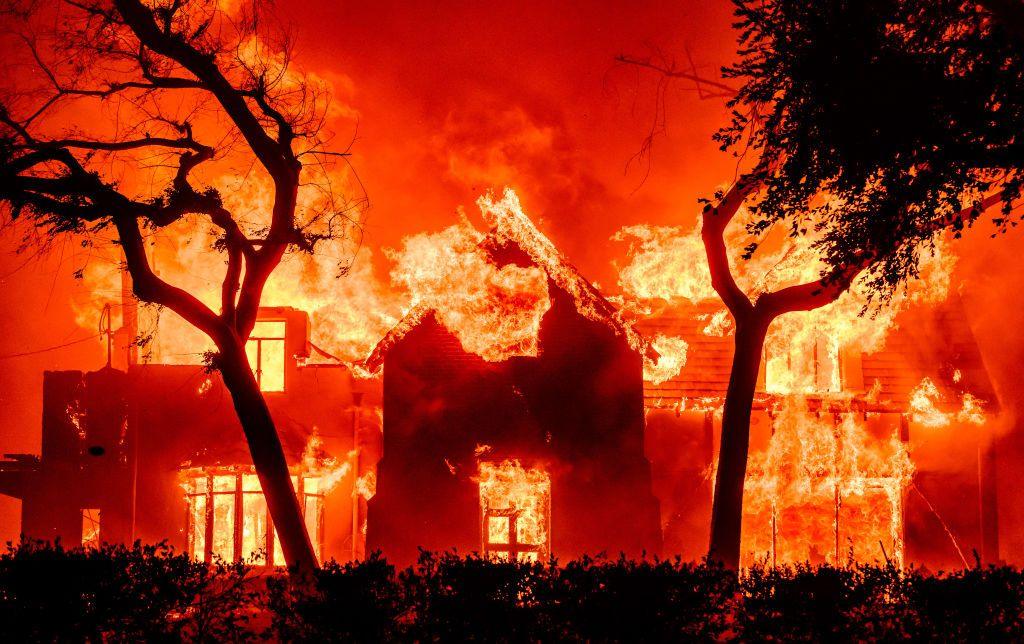
The idea that California is perpetually “on fire” is a misconception fueled by sensational headlines. While wildfires are an undeniable part of the state’s ecological cycle, particularly in a changing climate, they are localized events, and their impact, while devastating to affected communities, rarely encompasses the entire state. California’s sheer size and geographical diversity mean that while one region might be grappling with recovery, countless others are enjoying business as usual, offering their unique attractions and experiences.
A Season of Unpredictability: Beyond the Headlines
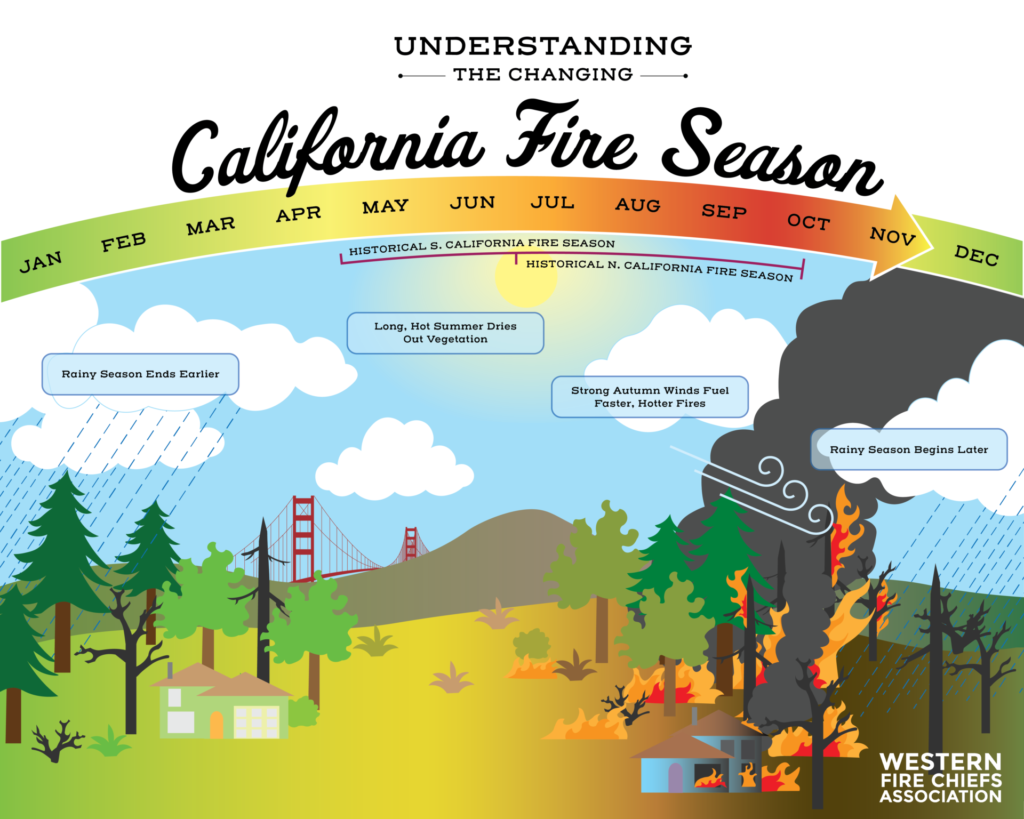
Wildfire season in California typically runs from late spring through late autumn, with peak activity often in the hottest, driest months. However, climate change has introduced a new layer of unpredictability, sometimes extending the risk into traditionally milder periods. This doesn’t mean the state is always aflame; rather, it underscores the importance of staying informed. The state has invested heavily in fire prevention, early detection systems, and firefighting resources. For travelers, this means that real-time information is readily available, allowing for informed decisions about travel plans.
The vast majority of California’s tourist infrastructure – its hotels, resorts, attractions, and landmarks – remains untouched by fire. Even in areas that have experienced fires, the focus on rebuilding and recovery is swift, often bolstered by the strong community spirit and a determination to restore the vibrant tourism economy. Iconic destinations like Disneyland Resort in Anaheim, the Golden Gate Bridge in San Francisco, and the vibrant beaches of Santa Monica continue to operate normally, offering the quintessential California experience.
Identifying Impacted Regions and Remarkable Rebounds
While most of California remains open for business, certain regions have faced significant challenges. Napa Valley and Sonoma County, world-renowned for their wine country and luxurious accommodations, have seen fires in recent years. However, their recovery has been nothing short of remarkable. Wineries have rebuilt, tasting rooms have reopened, and the lush vineyards continue to produce exceptional vintages. Visiting these areas is not only safe but also a powerful way to contribute to their economic recovery and witness their incredible resilience firsthand.
Similarly, parts of the Sierra Nevada foothills, near majestic national parks like Yosemite National Park and Sequoia National Park, have experienced fires. While some areas within the parks might see temporary closures or altered landscapes, the parks themselves are vast, and their most famous attractions often remain accessible. The dedication to preserving these natural treasures ensures that recovery efforts are ongoing, guided by ecological best practices. Other iconic natural landmarks, such as Big Sur, which has faced mudslides and fires, consistently demonstrate their ability to rebound, their stunning coastal beauty drawing visitors back time and again.
Navigating Travel in Post-Fire California: Responsible Tourism
For those planning a trip, the key is responsible and informed travel. Choosing to visit California means supporting its communities, contributing to its vibrant economy, and experiencing its unparalleled beauty, all while being mindful of current conditions.
Safety First: Before You Go
Before embarking on your California adventure, prioritizing safety is paramount. Always check official sources for the latest information on fire activity, air quality, and road closures. Websites from CAL FIRE, the National Weather Service, and the California Department of Transportation (Caltrans) are invaluable resources.
- Air Quality: Smoke can travel far from a fire’s origin. Websites like AirNow.gov provide real-time air quality data for specific locations, helping you decide if an outdoor itinerary is suitable.
- Road Conditions: Caltrans offers updates on road closures, which are vital for planning routes, especially for scenic drives like along the Pacific Coast Highway.
- Park Closures: If visiting national or state parks, check their official websites for any alerts or closures before you leave.
Many hotels and tour operators in California are also excellent sources of local, up-to-date information. Don’t hesitate to reach out to your chosen accommodation or activity provider for advice specific to their location.

Responsible Tourism and Supporting Local Economies
When you travel to California, especially to areas recovering from past fires, you become part of the solution. Your tourism dollars directly support local businesses, aiding in their recovery and sustainability.
- Choose Local: Opt for local hotels, dine at independent restaurants, shop at small boutiques, and book tours with local guides.
- Be Flexible: While rare, conditions can change. Having a flexible itinerary or travel insurance can provide peace of mind.
- Respect Nature: Always adhere to fire safety guidelines, especially when hiking or camping. This includes proper disposal of cigarettes, obeying burn bans, and being cautious with any heat sources.
Your visit, thoughtfully planned, makes a significant positive impact, helping to preserve the unique lifestyle and tourism experiences that California is celebrated for.
Resilient Destinations: Where to Plan Your Next California Adventure
The vast majority of California remains an idyllic destination, offering an incredible array of experiences across its diverse regions. From iconic cities to breathtaking natural wonders, there’s always an adventure waiting.
Coastal Escapes and Urban Charms
California’s bustling cities and stunning coastline are often far removed from wildfire activity, making them consistently reliable travel destinations.
- Los Angeles: The entertainment capital of the world offers endless attractions, from the glitz of Hollywood and the immersive experience of Universal Studios Hollywood to the sun-kissed beaches of Malibu and Santa Monica Pier. The city’s extensive network of hotels, from luxury resorts to trendy boutique stays, ensures a comfortable base for exploration.
- San Francisco: Famous for its iconic Golden Gate Bridge, historic cable cars, and vibrant culinary scene, San Francisco is a cultural hub. Its fog-kissed charm and diverse neighborhoods offer a distinct urban experience, with accommodation options ranging from opulent hotels to charming guesthouses.
- San Diego: Known for its year-round pleasant weather, beautiful beaches, and family-friendly attractions like Balboa Park and the San Diego Zoo, San Diego provides a relaxed coastal atmosphere. Its proximity to the Mexican border also adds a unique cultural flavor, evident in its food and art scene.
Rebounding Wine Country and Majestic Mountain Retreats
Even in areas that have faced challenges, the spirit of California shines through, with many destinations having made significant strides in recovery.
- Napa and Sonoma: California’s premier wine regions have shown remarkable resilience. The vineyards flourish, tasting rooms are open, and the luxurious hotels and spas are ready to pamper guests. Visiting Napa and Sonoma now is an act of solidarity and a testament to the enduring appeal of their world-class wines and culinary experiences.
- Lake Tahoe: While some surrounding areas have been affected, the crystal-clear waters and majestic peaks of Lake Tahoe continue to offer year-round outdoor adventures. Skiing in winter, hiking and boating in summer – this stunning natural landmark remains a jewel of the Sierra Nevada, with a wide array of resorts and cabins for every budget.
- Northern California Coast and Redwood National Park: Further north, the ancient groves of Redwood National Park and the rugged beauty of the California coast generally remain untouched by the major fires that affect the central and southern parts of the state. This area offers a serene escape amidst some of the planet’s most magnificent trees.
The Desert Oases: A World Apart
For a unique California experience, the desert regions offer a landscape distinct from the rest of the state, often unaffected by the typical forest fires.
- Palm Springs: A mid-century modern architectural haven, Palm Springs is famous for its luxurious resorts, vibrant art scene, and a relaxed, sunny atmosphere. It’s an ideal destination for those seeking leisure, golf, and unique desert adventures.
- Joshua Tree National Park and Death Valley National Park: These national parks offer otherworldly landscapes, unique flora and fauna, and incredible stargazing opportunities. They provide a stark, beautiful contrast to the green forests and blue coastlines, and are typically outside the main wildfire zones.
Planning Your Trip: Accommodation and Experiences
The essence of a memorable California trip lies in selecting the right accommodation and immersing yourself in authentic local experiences. The diversity of the state’s offerings means there’s something for every taste and budget, even as it continues to recover and evolve.
Choosing the Right Stay: Comfort, Culture, and Contribution
California’s accommodation landscape is as varied as its scenery. From world-class luxury resorts in Beverly Hills and eco-lodges nestled in pristine wilderness to charming boutique hotels in historic towns and spacious vacation rentals perfect for family trips, the options are boundless.
- Hotels & Resorts: Major cities like Los Angeles, San Francisco, and San Diego boast an array of international hotel chains and independent luxury properties. In wine country, you’ll find elegant resorts offering vineyard views and spa treatments.
- Boutique & Unique Stays: For those seeking local culture and a more intimate experience, boutique hotels often reflect the unique character of their surroundings, offering personalized service and distinct design.
- Vacation Rentals: Apartments, villas, and cabins are popular choices for longer stays, families, or groups, providing amenities like full kitchens and private spaces. When booking, consider properties that are transparent about their sustainability efforts and community involvement, especially in recovering areas.
Many accommodations in California are actively engaged in sustainable tourism practices and community support. Choosing these establishments not only enhances your stay but also contributes to the state’s ongoing efforts to build a more resilient and responsible tourism ecosystem.
Unforgettable Experiences Beyond the Flames
California’s allure extends far beyond its natural beauty. Its vibrant culture, diverse culinary scene, and innovative spirit offer an endless stream of activities.
- Culinary Adventures: From Michelin-starred restaurants in San Francisco and gourmet food trucks in Los Angeles to farm-to-table dining experiences in Ojai and wine tastings in Napa Valley, the state is a foodie paradise. Consider food tours or cooking classes to delve deeper into local flavors.
- Arts & Culture: Explore world-class museums like The Getty Center in Los Angeles, catch a show on Broadway-caliber stages, or discover unique galleries and street art in neighborhoods like San Francisco’s Mission District.
- Outdoor Activities: While some natural areas may have faced fire impacts, countless others offer pristine environments for hiking, surfing along the Pacific Ocean, kayaking, mountain biking, or exploring the dramatic landscapes of national parks like Pinnacles National Park or the vastness of Anza-Borrego Desert State Park.
The question of whether the California fires are “done” is less about a definitive end date and more about continuous management, recovery, and adaptation. What is certain, however, is the enduring spirit of California itself. This is a state that constantly innovates, rebuilds, and continues to offer a dazzling array of experiences for every type of traveler. By staying informed, traveling responsibly, and choosing to support local communities, visitors can confidently plan their next unforgettable California adventure, discovering the resilience and beauty that define this remarkable destination. The Golden State awaits, vibrant and welcoming as ever, ready to share its endless charms with the world.
LifeOutOfTheBox is a participant in the Amazon Services LLC Associates Program, an affiliate advertising program designed to provide a means for sites to earn advertising fees by advertising and linking to Amazon.com. Amazon, the Amazon logo, AmazonSupply, and the AmazonSupply logo are trademarks of Amazon.com, Inc. or its affiliates. As an Amazon Associate we earn affiliate commissions from qualifying purchases.