
The allure of travel, discovering new destinations, and immersing oneself in diverse cultures is a dream shared by many. Whether it’s a luxurious escape to a five-star resort, an adventurous backpacking journey, or a relaxing stay in a cozy boutique hotel, realizing these aspirations often hinges on meticulous financial planning and a clear understanding of one’s employment benefits. Among the various aspects of personal finance that impact our ability to pursue these lifestyle goals, the policies surrounding unused sick days can be surprisingly significant, particularly in a state as dynamic and employee-focused as California.
For many working in the Golden State, questions about sick leave — how it accrues, when it can be used, and crucially, whether it gets paid out upon separation from employment — are not just about health, but also about financial security. This financial security directly translates to your capacity for budget travel, the freedom to plan family trips, or even the peace of mind during business stays. Understanding California’s specific regulations on unused sick days is therefore not just a matter of compliance, but a vital component of holistic lifestyle and travel planning for its residents. This article delves into the nuances of California’s sick leave laws, exploring the payout dilemma and its broader implications for your next adventure.
Navigating California’s Paid Sick Leave Landscape
California stands out as a state with some of the most comprehensive and employee-friendly labor laws in the United States. Its approach to paid sick leave is no exception, designed to ensure that workers can take necessary time off for illness or caregiving without suffering financial hardship. However, the specifics of these laws, particularly concerning the payout of unused sick time, can be complex and are often misunderstood.
The Foundation: California Paid Sick Leave Law
At the core of California’s paid sick leave framework is the Healthy Workplaces, Healthy Families Act of 2014 (Healthy Workplaces, Healthy Families Act of 2014), initially enacted as AB 1522. This landmark legislation mandated paid sick leave for most employees working in California, setting a minimum standard that applies across nearly all industries. Since its inception, the law has seen several amendments, notably AB 304 and most recently SB 616, which expanded the accrual and usage minimums, reinforcing the state’s commitment to worker welfare.
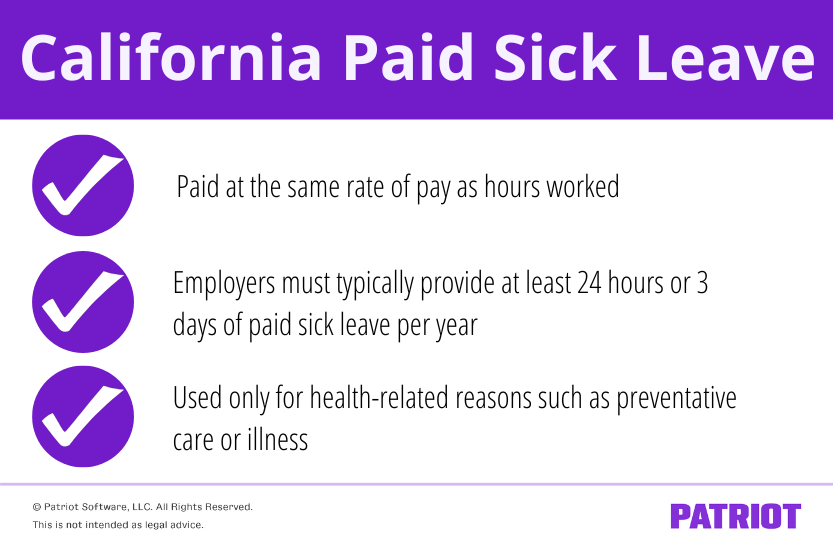
Under the current provisions, employees accrue paid sick leave at a minimum rate of one hour for every 30 hours worked. This applies to full-time, part-time, and temporary employees who work for the same employer for at least 30 days within a year from the commencement of employment. While employees begin to accrue sick leave from the first day of employment, they typically cannot use it until their 90th day of employment.
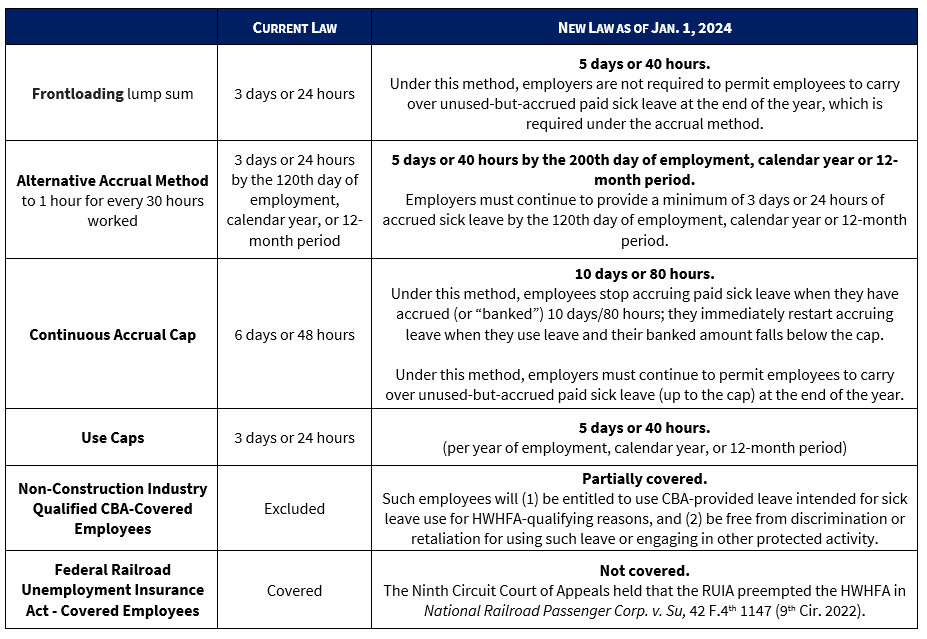
The law specifies that employees can use their sick time for various reasons, including their own illness or medical appointment, caring for a family member (child, spouse, parent, grandparent, grandchild, sibling, or registered domestic partner) with an illness or medical appointment, or for issues related to domestic violence, sexual assault, or stalking. Employers are generally allowed to cap the usage of sick leave at 5 days or 40 hours per year. However, employers are also required to allow employees to carry over accrued, unused sick leave from year to year, subject to certain limits.
The Carryover Conundrum: Can You Accumulate Days?
The concept of carrying over unused sick days is a critical component of California’s law, and it directly impacts how employees can manage their time off. Employers are required to allow employees to carry over at least some of their unused sick leave into the following year. While the usage cap might be 40 hours (or 5 days) per year, the law generally allows employers to cap the total amount of sick leave an employee can accrue and carry over at 80 hours (or 10 days). Some employer policies might allow for higher accrual and carryover limits, but they cannot offer less than the state minimum.
This carryover provision means that employees aren’t forced to “use it or lose it” within a single year, which is a significant benefit. It allows individuals to build a bank of sick leave for longer illnesses, unexpected emergencies, or even for potential use during a vacation if their employer has a combined Paid Time Off (PTO) policy (which we’ll discuss shortly). For those planning future travel, knowing they have a buffer of accrued sick time means they can preserve their general vacation days for leisure, rather than having to dip into them for unforeseen health issues. This flexibility supports a healthier lifestyle and more robust travel planning.
The Payout Question: Unused Sick Days at Termination
This is where the most common misconceptions arise and where California law diverges sharply from other types of paid leave. For anyone considering a career change, retirement, or simply wondering about the full value of their benefits, understanding the payout rules is essential.
The Legal Stance: No Mandatory Payout for Unused Sick Time (Generally)
Unlike earned vacation time, which California law unequivocally defines as earned wages that must be paid out to an employee upon termination of employment, paid sick leave is generally not required to be paid out. This is a crucial distinction. The state views sick leave as an entitlement for health-related reasons while employed, not as an accrued wage that vests and becomes payable upon separation. Therefore, if you have 80 hours of unused sick leave when you leave a job in California, your employer is typically not legally obligated to pay you for that time. This means those hard-earned hours cannot directly fund your dream trip to Paris or a stay at a luxurious hotel in Rome after you leave your job.
The logic behind this lies in the protective nature of sick leave: it’s intended to safeguard employees’ health and prevent the spread of illness in the workplace, not to serve as a severance payment. While this might seem like a disadvantage to employees who meticulously save their sick days, it’s a standard feature of many sick leave laws nationwide.
Employer-Specific Policies and Agreements
While California state law does not mandate the payout of unused sick leave, there’s a significant caveat: employer policies can and often do differ. Some companies, particularly those striving to offer competitive benefits, may choose to pay out unused sick time upon an employee’s separation. This is entirely at the employer’s discretion or may be part of a collective bargaining agreement for unionized employees. These policies are often outlined in employee handbooks or employment contracts, which is why it’s always critical to review your specific company’s guidelines.
The most common scenario where unused sick leave might be paid out is when an employer uses a “Paid Time Off” (PTO) policy. A PTO bank combines sick leave, vacation time, and sometimes personal days into a single pool of hours. When an employer adopts a PTO policy, California law generally treats the entire PTO bank as if it were vacation time. This means that if an employee has a balance of PTO hours upon termination, the employer is legally required to pay out the entire unused balance. This is a massive distinction and a significant financial benefit. For those who manage their PTO wisely, accruing a large bank of hours could translate into a substantial payout, providing a welcome boost to funds for travel, accommodation bookings, or other lifestyle expenses.

For example, an employee working at a hotel in San Diego that offers a combined PTO system would have their unused PTO paid out, potentially giving them extra funds to book a stay at a luxurious suite or a villa for their next holiday. Conversely, if the hotel has separate sick and vacation accruals, only the vacation portion would be paid.
Maximizing Your Benefits for Travel and Lifestyle in California
Understanding California’s sick leave laws empowers you to make informed decisions that impact your financial well-being and, by extension, your capacity to pursue travel and other lifestyle aspirations.
Strategic Use of Your Sick Leave
Given that unused sick days are typically not paid out upon termination (unless part of a PTO bank), a common strategy is to use your sick leave when genuinely needed. Don’t feel compelled to “bank” days indefinitely, hoping for a payout that may never materialize. Using sick leave for its intended purpose – your health or family care – ensures you don’t lose wages when you’re unable to work, thereby preserving your regular income and, consequently, your travel savings.
Additionally, pay close attention to the carryover limits. If you consistently accrue more sick leave than you can carry over, you risk losing those hours. While using sick leave strategically means taking time off for legitimate reasons, it also means being aware of your balance and limits to maximize the benefit. For those looking to take a longer vacation, having a buffer of carried-over sick days means you can confidently plan without fearing that a sudden illness might deplete your precious vacation fund or force you to take unpaid leave.
The Financial Link to Your Next Adventure
While sick days generally don’t convert directly into travel funds, they play a crucial indirect role. By providing paid time off for illness, California’s sick leave law protects your income. This protection is vital for maintaining a stable financial foundation, which is the bedrock of any successful travel savings plan. Without this safety net, an unexpected illness could lead to lost wages, forcing you to dip into funds earmarked for a luxury travel experience or even a carefully planned budget travel trip.
For those whose employers offer a combined PTO policy, the payout of unused PTO upon termination can be a substantial financial boon. Imagine leaving a job and receiving a check for several weeks’ worth of unused time – this could easily cover a significant portion of a dream vacation to Hawaii, a cultural tourism immersion in Mexico City, or an extended stay at an exclusive resort. It can allow for booking premium hotels, indulging in unique experiences, or even exploring iconic landmarks across the globe.
Implications for Hospitality Workers in California
The hospitality sector in California is a cornerstone of its tourism industry, employing countless individuals in hotels, restaurants, theme parks, and attractions. These roles often involve variable hours and, in some cases, higher turnover rates. For these workers, understanding their sick leave rights is paramount. A server in Los Angeles, a concierge in San Francisco, or a housekeeper in Palm Springs relies heavily on their wages. The ability to take paid sick time without losing income can make the difference between financial stability and hardship.
Furthermore, employers in the tourism and hospitality industries in California must carefully manage their sick leave policies to comply with state law. Many in this sector opt for PTO systems, which can simplify administration and offer attractive benefits to employees, including the potential payout of unused time. This, in turn, can boost employee morale and retention, which is crucial in an industry reliant on excellent service. For those planning a stay at a California resort, understanding these nuances can even provide insight into the local labor practices that contribute to the quality of your accommodation and service.
In conclusion, while California law generally does not mandate payment for unused sick days upon termination, the landscape is nuanced. The critical factor often lies in whether your employer utilizes a traditional separate sick leave policy or a combined Paid Time Off (PTO) bank. For California residents, being informed about your specific benefits package is more than just good employment practice; it’s an integral part of smart financial and lifestyle planning. Managing your sick leave strategically can safeguard your income, preserve your hard-earned vacation funds, and, in the case of a PTO payout, potentially provide a significant financial boost for your next unforgettable journey, whether it’s exploring the vineyards of Napa Valley or embarking on a grand international adventure.
LifeOutOfTheBox is a participant in the Amazon Services LLC Associates Program, an affiliate advertising program designed to provide a means for sites to earn advertising fees by advertising and linking to Amazon.com. Amazon, the Amazon logo, AmazonSupply, and the AmazonSupply logo are trademarks of Amazon.com, Inc. or its affiliates. As an Amazon Associate we earn affiliate commissions from qualifying purchases.