
California, often heralded as the Golden State, is a land of unparalleled diversity, drawing millions with its sun-kissed beaches, towering redwoods, vibrant cities, and groundbreaking innovation. From the bustling streets of Los Angeles to the iconic skyline of San Francisco, the serene vineyards of Napa Valley, and the majestic peaks of Yosemite National Park, this state offers an intoxicating blend of experiences for every traveler and a unique lifestyle for its residents. As you plan your next adventure or consider making California your home, understanding its distinct legal framework is an essential part of navigating this captivating landscape. Among the many regulations that shape life here, firearm laws stand out as particularly stringent and often complex, especially for those accustomed to different norms in other states or countries.
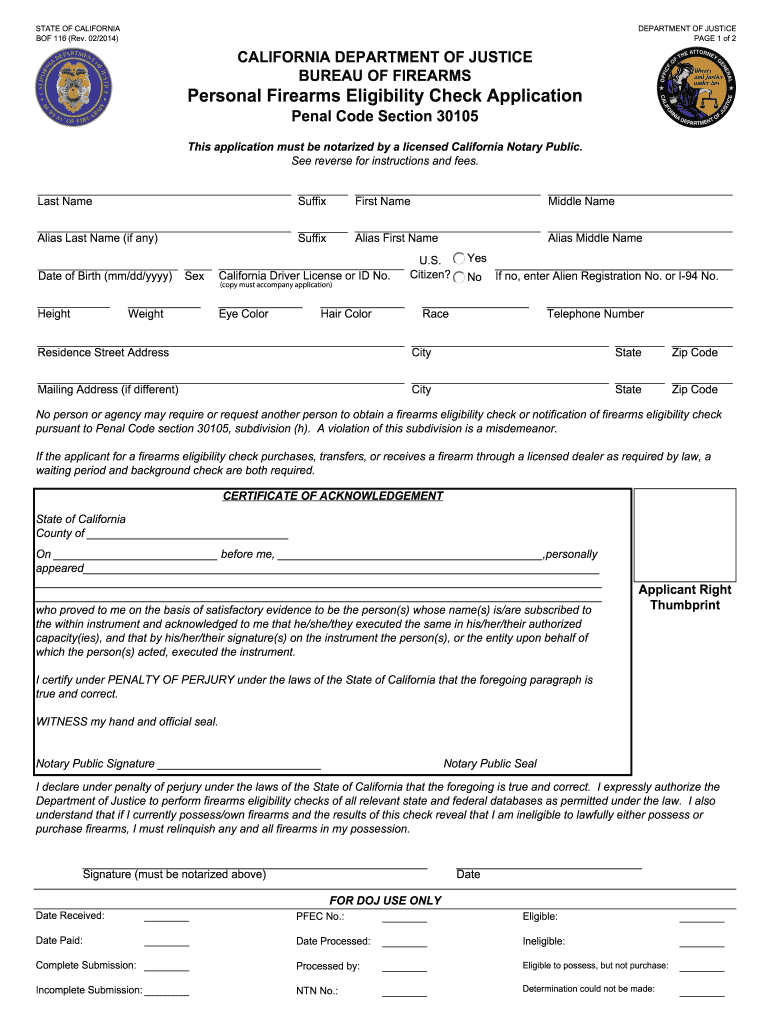
For many, the question of personal safety and self-defense naturally arises, whether exploring urban centers, venturing into remote wilderness areas, or simply establishing a new life. This leads to a common inquiry: “How can I get a gun permit in California?” While our website primarily delves into the realms of travel, accommodation, and lifestyle, we recognize that for a complete understanding of a destination, one must also appreciate its regulatory environment. This article aims to shed light on the process of obtaining a Concealed Carry Weapon (CCW) permit in California, specifically tailored to provide context for travelers, prospective residents, and those interested in the broader lifestyle implications of firearm ownership within the state’s unique legal framework. We’ll explore the requirements, the application journey, and how these considerations fit into the larger tapestry of a California experience. It’s crucial to remember that this is an informational overview and not legal advice; always consult official sources and legal professionals for specific guidance.
Navigating California’s Unique Legal Landscape: A Traveler’s Perspective
California’s approach to firearm regulation is among the strictest in the United States, a fact that significantly influences the lifestyle and travel considerations for anyone visiting or residing in the state. This legal landscape is an integral part of understanding the destination itself, much like its famous landmarks or distinct culinary scenes. For travelers from states with more permissive gun laws or international visitors, these regulations can be a stark contrast, demanding careful attention to avoid unintentional legal complications. The state prioritizes public safety through comprehensive controls, which impacts everything from purchasing firearms to transporting them and, most notably, carrying them in public.
The concept of carrying a firearm in public, whether openly or concealed, is where California’s laws diverge most sharply from many other parts of the country. Generally speaking, open carry of loaded or unloaded firearms in public is prohibited throughout most of California, with very limited exceptions. This is a crucial distinction for anyone considering personal defense while exploring the state’s natural beauty or bustling cities like San Diego or Oakland. Consequently, the primary pathway for an individual to legally carry a firearm for self-defense in public is by obtaining a CCW permit. Understanding this fundamental aspect is the first step in appreciating the nuances of firearm ownership within the Golden State’s vibrant, yet tightly regulated, environment. This approach is rooted in the state’s civic culture and contributes to the overall character of the California lifestyle.
What Travelers and New Residents Need to Know About Firearm Ownership
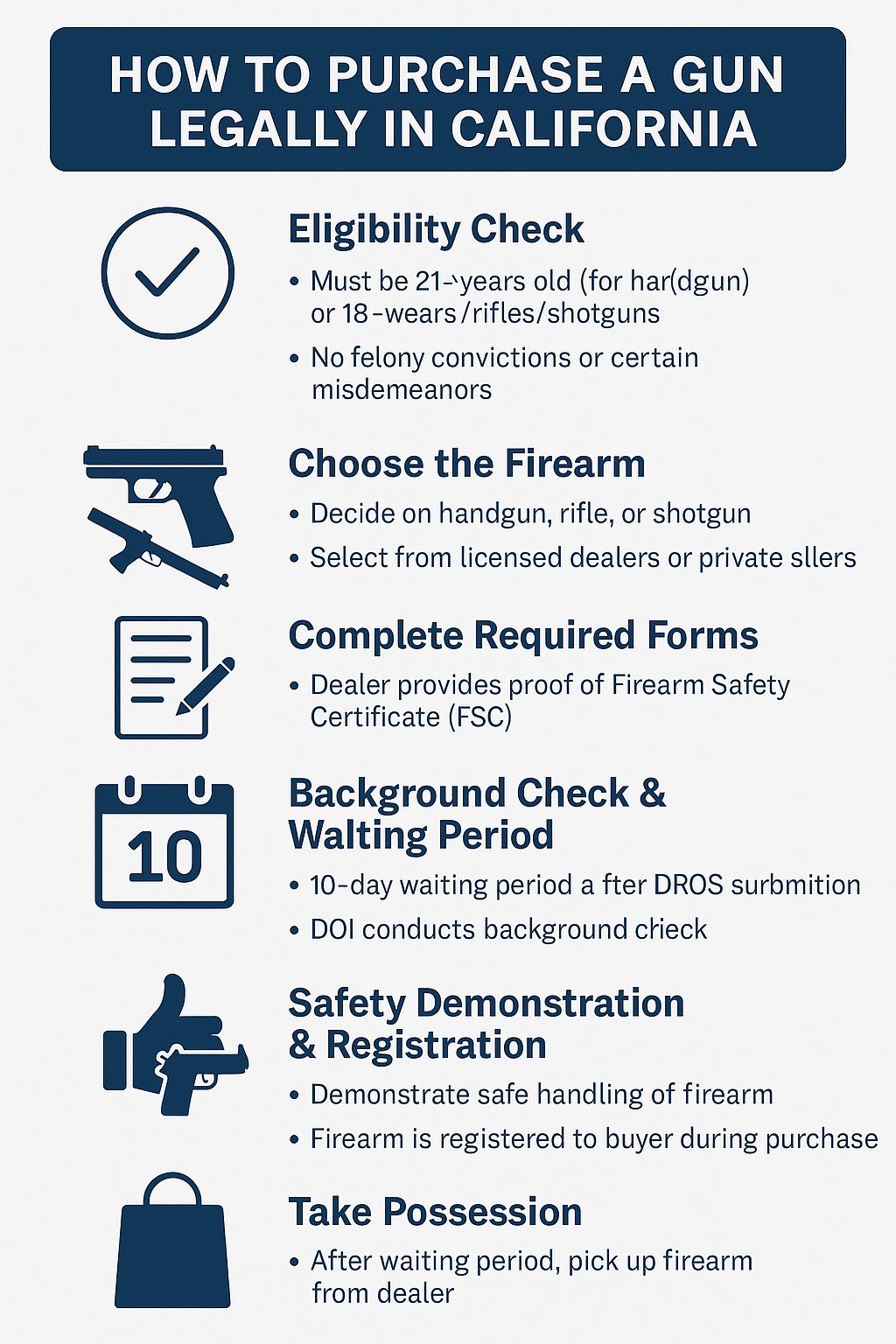
For those planning an extended stay, a relocation, or even just driving through California with personal firearms, it’s imperative to be aware of the specific laws governing transport and storage. Unlike carrying a firearm on your person, which requires a CCW permit, transporting a handgun in a vehicle is permitted provided it is unloaded and stored in a locked container. This container must be separate from the ammunition, and neither should be readily accessible to any occupant in the vehicle. The glove compartment or a console are generally not considered “locked containers” for this purpose unless they can be locked with a key. For rifles and shotguns, they must also be unloaded while being transported in a vehicle. These rules are particularly relevant for travelers moving between different counties or visiting attractions, ensuring their adherence to state law whether they are checking into a boutique hotel in Santa Monica or camping in a remote area near Lake Tahoe.
Moreover, even within the confines of private property, such as a rented apartment, a vacation villa in Palm Springs, or a room at a luxurious Hyatt Regency property, firearm owners must adhere to safe storage practices, especially if minors are present. California has laws requiring firearms to be stored securely to prevent access by children or prohibited persons. While specific hotel policies might vary, general state laws regarding safe storage apply universally. For new residents, understanding these foundational rules is critical as they integrate into the Californian way of life. It’s a matter of blending personal rights with collective safety, a balance that is continuously emphasized within the state’s legislative philosophy. Familiarizing oneself with these regulations before arrival can greatly enhance the peace of mind and overall experience of anyone bringing firearms into this unique travel destination.
The Path to a Concealed Carry Weapon (CCW) Permit in the Golden State
For those who have established roots in California and feel a compelling need for self-defense that warrants carrying a firearm in public, obtaining a Concealed Carry Weapon (CCW) permit is the singular legal avenue. This process is not merely a formality; it is a rigorous journey that reflects California’s deep commitment to public safety and its intricate legal framework. It requires patience, diligence, and a thorough understanding of local and state statutes. Unlike many other states where “shall issue” policies simplify the process, California counties historically operated under “may issue” criteria, giving local law enforcement agencies significant discretion. However, a recent landmark ruling by the United States Supreme Court (the Bruen decision) has significantly altered this landscape, affirming the right to carry a firearm for self-defense in public and essentially requiring counties to issue permits if an applicant meets objective criteria, removing the discretionary “good cause” requirement as it was traditionally understood.
Despite this shift, the application process remains comprehensive, designed to ensure that permits are issued only to responsible and law-abiding individuals who meet all statutory requirements. This evolution in legal precedent means that while the path may have become more accessible for eligible residents, the state’s emphasis on thorough background checks, extensive training, and adherence to strict protocols remains unwavering. Prospective permit holders must navigate a multi-stage application that is overseen by their local issuing authority, typically the county Sheriff’s Department or, in some cities like San Francisco, the Police Department. This journey is an important aspect of understanding the lifestyle in California for those who value personal protection, reflecting a blend of individual rights and communal safety priorities.
Eligibility & The Application Journey for California Residents
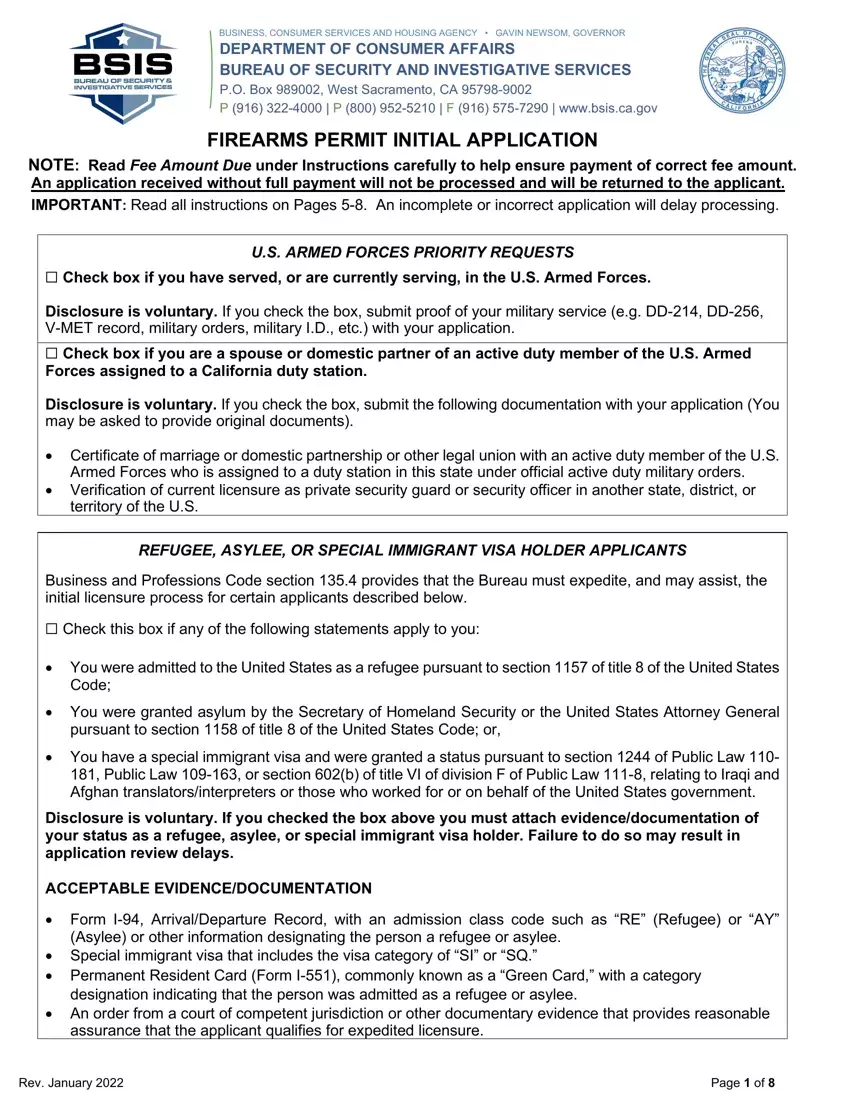
The very first and most crucial criterion for obtaining a CCW permit in California is residency. You must be a legal resident of the county in which you are applying. This immediately clarifies that short-term tourists or non-residents are generally ineligible to apply for a California CCW permit, cementing the permit as a consideration primarily for those making California their long-term home or an extended stay locale for work or retirement. Beyond residency, applicants must be at least 21 years of age and demonstrate “good moral character.” This latter point is assessed through comprehensive background checks and often an interview with law enforcement personnel. Any history of domestic violence, certain criminal convictions (including misdemeanors), restraining orders, or a record of mental instability will typically disqualify an applicant.
The application journey officially begins by contacting your local issuing authority – for example, the Los Angeles County Sheriff’s Department, San Diego County Sheriff’s Department, or the Riverside County Sheriff’s Department. Each county may have slightly varying procedures and timelines, so it’s essential to consult their specific guidelines. The process generally involves:
- Application Submission: Completing a detailed application form, which requests personal information, residency proof, employment history, and often a declaration about the need for a CCW (though the “good cause” requirement is now largely satisfied by a general statement of self-defense post-Bruen).
- Background Checks and Fingerprinting: Applicants must undergo thorough background checks conducted by state and federal agencies. This involves submitting fingerprints electronically via a system called LiveScan, which checks against criminal databases.
- Interview: Many agencies require an in-person interview with an officer or detective, where applicants may be asked to elaborate on their application, background, and reasons for seeking a permit. This is an opportunity for the issuing authority to assess the applicant’s “good moral character.”
- Psychological Evaluation (in some counties): While not universally required, some counties may mandate a psychological assessment as part of their comprehensive evaluation process to ensure the applicant’s suitability for carrying a concealed firearm.
This diligent process reflects California’s careful approach to integrating firearm ownership into its diverse communities, from the tech hubs of Silicon Valley to the agricultural heartland of the Central Valley. It’s a testament to the state’s unique lifestyle, where individual freedoms are balanced with robust public safety measures, influencing daily life in bustling metropolises like Sacramento and quieter locales alike.
Training Requirements and Permit Specifics
A critical component of obtaining a California CCW permit, reflecting the state’s emphasis on responsible firearm ownership, is the mandatory firearm safety training. All applicants, both new and those seeking renewal, are required to complete an approved firearms training course. For first-time applicants, this course must typically be a minimum of 8 hours long, though some counties may require more. The curriculum usually covers safe handling, storage, shooting proficiency, and a comprehensive review of California’s complex firearm laws, including legal limitations on the use of deadly force. For permit renewals, a shorter training course, usually around 4 hours, is required. These courses are conducted by certified instructors, and successful completion is a prerequisite for permit issuance. This training ensures that permit holders are not only proficient with their chosen firearm but also fully informed about the legal responsibilities that come with carrying a concealed weapon in public.
Beyond the training, there are several other practical aspects to consider. The cost of obtaining a CCW permit can be substantial, encompassing application fees, LiveScan fingerprinting fees, and the cost of the required training course. These fees can collectively range from several hundred to over a thousand dollars, depending on the county and the training provider. Once issued, a California CCW permit is typically valid for two years, after which it must be renewed. The renewal process, while similar to the initial application, usually involves updated background checks, a shorter training course, and associated fees.
It’s also imperative to understand the significant restrictions that accompany a CCW permit. Even with a permit, there are numerous “gun-free zones” where carrying a firearm, concealed or otherwise, remains strictly prohibited. These typically include:
- Schools (K-12 and universities)
- Government buildings
- Courthouses
- Airports (secured areas)
- Polling places
- Churches and places of worship (unless specific permission is granted)
- Any private property where the owner has explicitly prohibited firearms (e.g., many businesses, restaurants, event venues).
These restrictions mean that even a permit holder must remain vigilant about their surroundings and the policies of establishments they visit, whether dining at a Michelin-starred restaurant in San Jose or attending a concert in Anaheim. The permit specifies the firearm(s) an individual is authorized to carry, and modifications to this list typically require an amendment process with the issuing agency. Navigating these specifics is part of the diligent lifestyle of a responsible firearm owner in California, highlighting the importance of continuous awareness and adherence to the law.
Beyond the Permit: Responsible Firearm Ownership and California Lifestyle
Obtaining a CCW permit in California is a significant milestone for eligible residents, but it represents merely one aspect of responsible firearm ownership within the state’s dynamic environment. The true essence of this responsibility extends far beyond the initial application and training, embedding itself into the daily lifestyle and choices of permit holders. California’s diverse landscape, from its world-class travel destinations to its bustling urban centers and serene natural landmarks, necessitates a continuous commitment to safety, legal compliance, and ethical considerations. Integrating firearm ownership into a California lifestyle means embracing a mindset of vigilance, ongoing education, and respect for both individual rights and communal well-being.
For travelers and residents alike, understanding that California’s laws are not static is crucial. Legislative changes regarding firearms occur regularly, influenced by evolving societal norms, legal challenges, and public safety initiatives. Staying informed about these changes is an ongoing responsibility that affects not only CCW permit holders but also anyone who owns or transports firearms in the state. This proactive approach to legal awareness is part of the distinct lifestyle adopted by those living in California, where engagement with current events and regulatory updates is often a common thread among informed citizens. Whether you’re enjoying the luxury travel experiences offered in Beverly Hills or exploring the rugged beauty of Big Sur, knowledge of and adherence to these evolving legal landscapes are paramount.
Integrating Safety and Responsibility into Your California Experience
For those who hold a California CCW permit, the responsibility of safe firearm handling and storage never diminishes. This includes maintaining the proficiency acquired during training, practicing regularly, and consistently reviewing safety protocols. Safe storage, especially within the home, is paramount, particularly in a state that attracts families and offers myriad attractions for children like Disneyland and Universal Studios Hollywood. Ensuring firearms are secured against unauthorized access, whether in a safe or with trigger locks, is not just a legal requirement but a fundamental aspect of responsible living. This commitment to safety contributes to the broader sense of security and well-being that defines many Californian communities.
Moreover, a CCW permit holder must consistently be aware of their surroundings and the rules of specific locations. Venturing into national parks like Joshua Tree National Park or visiting historical landmarks such as Alcatraz Island requires an understanding of federal and local regulations that may supersede state CCW laws in certain contexts. Each environment within California, from the beaches of Malibu to the vineyards of Sonoma County, presents its own set of nuances. Responsible gun ownership means being prepared for these variations and making informed decisions about when and where to carry, or when it is more appropriate to securely store a firearm. This careful consideration aligns with the thoughtful and intentional approach many Californians take to their lifestyle, balancing personal liberties with communal harmony. The state encourages the use of official resources, such as the California Department of Justice website and local Sheriff’s Department pages, for the most current and accurate information.
Travel, Accommodation, and Firearm Considerations
When traveling within California, whether for a weekend getaway to Monterey or a business trip to Fresno, understanding the rules for transporting firearms is vital, even for those without a CCW permit. As mentioned, firearms must be unloaded and locked in a container, separate from ammunition, when transported in a vehicle. This applies universally across the state’s vast network of roads, highways, and scenic routes, ensuring consistent safety standards for all motorists. This crucial piece of information is part of essential travel tips for anyone embarking on a road trip through California’s diverse regions, from the desert landscapes of Death Valley National Park to the towering trees of Redwood National Park.
Furthermore, when it comes to accommodation, guests should be aware that while state law dictates certain storage practices, individual hotels, resorts, and vacation rentals may have their own specific policies regarding firearms on their premises. A luxury resort like The Ritz-Carlton in Laguna Niguel, for example, might have different implicit expectations or explicit rules than a budget-friendly motel. It is always prudent to inquire about an establishment’s firearm policy directly when making a booking, especially if you intend to travel with a legally owned firearm. This proactive approach ensures a smooth and compliant stay, aligning with the respectful and informed travel ethos that our website promotes. Whether you are seeking a serene escape, an adventurous expedition, or a vibrant urban experience, navigating California with an awareness of its firearm laws is an integral part of a responsible and enjoyable journey, allowing you to fully immerse yourself in the Golden State’s unparalleled offerings.
LifeOutOfTheBox is a participant in the Amazon Services LLC Associates Program, an affiliate advertising program designed to provide a means for sites to earn advertising fees by advertising and linking to Amazon.com. Amazon, the Amazon logo, AmazonSupply, and the AmazonSupply logo are trademarks of Amazon.com, Inc. or its affiliates. As an Amazon Associate we earn affiliate commissions from qualifying purchases.