
For avid anglers and casual vacationers alike, the allure of casting a line into the diverse waters of California is undeniable. From the serene high-altitude lakes of the Eastern Sierra to the vast, teeming depths of the Pacific Ocean, California offers a fishing experience for every preference. Whether you’re planning a dedicated angling adventure, incorporating a peaceful fishing session into a broader California itinerary, or simply seeking a unique local tourism activity, understanding the regulations and, critically, the cost of a fishing license is your essential first step. This guide delves into everything you need to know about securing your permit, integrating this beloved pastime into your travel plans, and ensuring a responsible and unforgettable journey through California’s rich aquatic landscapes.
Fishing in California isn’t just a sport; it’s an immersive experience that connects you with nature, offers a taste of local culture, and provides a tranquil escape from the everyday. For many, it’s a key component of their lifestyle and a compelling reason to explore new destinations. Before you can fully enjoy the thrill of a catch or the peaceful solitude of the water, a valid fishing license is mandatory for anyone aged 16 or older. This requirement isn’t merely a formality; it’s a vital contribution to the conservation and management of California’s precious fish populations and their habitats, ensuring these resources remain vibrant for future generations of anglers and nature enthusiasts.
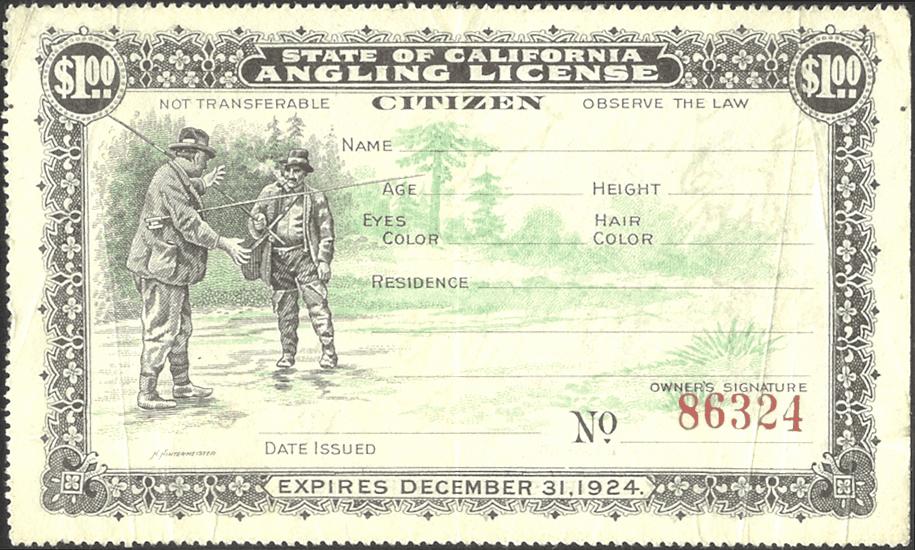
Navigating California’s Fishing License Landscape
Understanding the various types of fishing licenses available in California is crucial for both residents and non-residents planning their aquatic excursions. The California Department of Fish and Wildlife (CDFW) manages a tiered system designed to accommodate different lengths of stay, residency statuses, and fishing preferences. This section breaks down the specific license categories, their estimated costs, and where to acquire them, offering practical guidance for your fishing tourism in the Golden State.
Understanding License Types and Fees
The cost of a fishing license in California varies primarily based on your residency status and the duration of the license. Here’s a general overview of the common types and their approximate costs (note: prices are subject to change, so always check the official CDFW website for the most current figures):
- Annual Resident Sport Fishing License: This is the most common option for California residents, typically costing around $58.50. It allows fishing for an entire calendar year (January 1st to December 31st). This license is ideal for those who frequently enjoy fishing as part of their lifestyle or plan multiple trips throughout the year.
- Annual Non-Resident Sport Fishing License: For visitors from outside California, this annual license is a more substantial investment, usually around $158.50. It’s best suited for non-residents planning an extended stay or multiple fishing trips within a year, making it a good choice for those on longer travel itineraries.
- One-Day Sport Fishing License: A popular choice for tourists or those trying fishing for a single day, this license costs approximately $19.00 for both residents and non-residents. It’s a fantastic option for a quick experience or as part of a broader day trip to a California attraction or landmark.
- Two-Day Sport Fishing License: Offering a bit more flexibility than the one-day option, this license comes in at around $30.00 for residents and non-residents. It’s perfect for a weekend fishing getaway or a brief stop during a longer travel plan.
- Lifetime Sport Fishing License: For dedicated anglers who call California home, a lifetime license is a significant upfront investment, but it eliminates the need for annual renewals. The cost varies by age, ranging from approximately $630.00 (under 10 years old) to over $1,000.00 (age 40+). This option truly embodies a fishing-centric lifestyle.
Additional Considerations:
- Children under 16: No license is required for individuals under 16 years of age, making fishing a highly accessible and family-friendly activity in California.
- Report Cards and Validations: Certain species, like Steelhead, Sturgeon, or Spiny Lobster, require additional report cards or validations on top of your base fishing license. These typically incur a small extra fee (e.g., $10-$20) and are crucial for species management and data collection. Always check if your target species requires one.
- Second-Rod Validation: If you wish to use a second rod while fishing in inland waters, a second-rod validation (around $17.00) is necessary.
Where and How to Purchase Your License
Acquiring a California fishing license is straightforward, offering several convenient options for both locals and travelers:
- Online via the CDFW Website: The easiest and often quickest way to purchase your license is directly through the official CDFW website. This digital portal allows you to select your desired license type, pay securely, and print your license or save it digitally on your smartphone. This method is particularly convenient for tourists planning their trip remotely or for last-minute purchases.
- Authorized License Agents: Numerous businesses across California are authorized to sell fishing licenses. These often include sporting goods stores like Bass Pro Shops or REI, bait and tackle shops, and even some large retailers. Purchasing from an agent offers the benefit of on-the-spot advice, local insights, and often the chance to stock up on gear. It’s a great way to engage with local tourism businesses.
- CDFW License Sales Offices: While less numerous than authorized agents, CDFW regional offices also sell licenses.
When purchasing, ensure you have a valid form of identification (such as a driver’s license) and your California Go ID if you’ve previously purchased a license. The process is designed to be seamless, allowing you to focus on the excitement of your upcoming fishing adventure.
The Rationale Behind Licensing Fees
The money generated from fishing license sales in California is not merely revenue; it’s a critical funding source for the conservation and management of the state’s natural resources. These fees directly support a wide array of programs and initiatives undertaken by the CDFW, benefiting anglers and the environment alike:
- Conservation and Habitat Restoration: Funds are allocated to projects that protect and restore vital fish habitats, including stream restoration, wetland preservation, and efforts to combat pollution. This ensures healthy ecosystems for species like Trout, Salmon, and Bass.
- Fish Hatcheries and Stocking Programs: A significant portion of the fees supports California’s network of fish hatcheries, which rear and release millions of fish annually into lakes, rivers, and streams. This enhances fishing opportunities and helps maintain sustainable populations, particularly for popular species in heavily fished areas.
- Scientific Research and Monitoring: License fees enable crucial scientific research into fish populations, migration patterns, disease control, and environmental impacts. This data-driven approach is essential for informed management decisions.
- Enforcement and Public Safety: The funds help support wardens and law enforcement personnel who patrol fishing areas, educate the public, and enforce fishing regulations. This protects fish populations from poaching and illegal activities, ensuring fair and safe access for all licensed anglers.
- Access and Infrastructure: Some revenue goes towards maintaining and improving public access points to fishing waters, including boat ramps, piers, and shoreline access, enhancing the overall travel and tourism experience.
By purchasing a fishing license, you are actively contributing to the preservation of California’s natural landmarks and the sustainability of its aquatic ecosystems. It’s an investment in the future of fishing and responsible tourism, ensuring that future generations can also enjoy the unparalleled beauty and bounty of the Golden State’s waters.
Enhancing Your California Fishing Experience: Beyond the License
A fishing license is merely your ticket to entry; the real adventure begins when you choose your destination, plan your accommodation, and immerse yourself in the local culture. California’s vast geographical diversity means fishing can be seamlessly integrated into almost any travel itinerary, offering a spectrum of experiences from rugged backcountry excursions to luxurious coastal retreats.
Top Fishing Destinations and Travel Considerations
California’s fishing opportunities are as diverse as its landscape, catering to every type of angler and travel preference.
- Coastal Fishing: The Pacific coastline offers incredible saltwater fishing.
- Southern California: Cities like San Diego, Long Beach, and areas within Orange County are famous for deep-sea charters targeting Tuna, Yellowtail, and Dorado. Pier fishing is also popular and accessible, often near famous landmarks and vibrant beach communities. Consider staying at a luxury resort like the Hotel del Coronado in San Diego for a pampered experience after a day on the water, or a more budget-friendly hotel near the piers.
- Central Coast: Areas around Santa Barbara, Morro Bay, and Monterey provide excellent opportunities for rockfish, Halibut, and Dungeness crab. These areas also boast charming boutique hotels and renowned culinary scenes.
- Northern California: The San Francisco Bay Area is famous for Striped Bass, Halibut, and winter Steelhead in its tributaries. From the Golden Gate Bridge to the rugged northern coast, the fishing is exhilarating.
- Freshwater Lakes and Rivers:
- Sierra Nevada: The Eastern Sierra region, including Lake Tahoe, Mammoth Lakes, and countless smaller alpine lakes and streams, is a Trout angler’s paradise. This region combines world-class fishing with stunning natural landmarks and outdoor recreation. Consider renting a cozy cabin or staying at a resort like The Pines Resort near Bass Lake for convenient access to prime fishing spots.
- Northern California Lakes: Shasta Lake and Whiskeytown Lake are renowned for Bass and Trout fishing, often coupled with houseboat rentals and family travel opportunities. The Sacramento River is legendary for its Salmon and Steelhead runs.
Incorporating fishing into a broader California travel itinerary is simple. A day of ocean fishing could be followed by wine tasting in Napa Valley or exploring the attractions of Los Angeles. A serene morning of fly fishing in the mountains could precede a hike in Yosemite National Park, one of the state’s most iconic landmarks.
Accommodation and Lifestyle Choices for Anglers
Your fishing adventure can be tailored to any lifestyle and budget, from rustic camping to opulent luxury resorts.
- Budget-Friendly Angling: For those on a budget travel plan, camping near prime fishing spots in State Parks or National Forests is an excellent option. Many small towns also offer affordable motels or vacation rentals. Pier fishing, which often requires minimal gear, is another cost-effective choice.
- Mid-Range Comfort: Cozy hotels, apartments, or guesthouses in charming fishing towns like Carmel-by-the-Sea or Bishop provide comfortable accommodation with easy access to local amenities and fishing guides. Many offer amenities like early breakfast for anglers.
- Luxury Fishing Retreats: For a truly indulgent experience, California boasts several high-end resorts and villas that cater to anglers. Imagine staying at a boutique resort on the banks of the Truckee River, complete with private river access, gourmet meals, and professional fishing guides. Some hotels even offer specialized packages including fishing charters and gear rental, merging luxury travel with outdoor adventure. For instance, a stay at The Resort at Squaw Creek near Lake Tahoe could combine upscale accommodation with unparalleled access to alpine fishing.
Many accommodations near popular fishing spots are well-versed in catering to anglers, offering services like bait storage, tackle shops, or referrals to reputable fishing guides. When booking, always check for angler-specific amenities to enhance your stay.
Integrating Fishing with Local Culture and Attractions
Fishing in California can be far more than just the act of catching fish; it’s an opportunity to dive deep into local tourism and culture.
- Culinary Delights: Many coastal and lake towns pride themselves on their fresh seafood. After a successful fishing trip, explore local restaurants that prepare your catch, or learn about the region’s culinary traditions that celebrate the bounty of the waters. From the clam chowder in San Francisco to the fish tacos in San Diego, the local food scene is intimately connected to its aquatic resources.
- Nearby Attractions and Landmarks: For those traveling with non-fishing companions or looking to diversify their trip, California’s fishing spots are often conveniently located near iconic attractions and landmarks. Fish the Sacramento River and then explore the historic Old Sacramento Waterfront. Cast a line in the San Francisco Bay and then visit Alcatraz Island or marvel at the Golden Gate Bridge. A fishing trip to the Eastern Sierra can be combined with sightseeing in Yosemite National Park or exploring the geothermal wonders of Mammoth Lakes.
- Family-Friendly Activities: Many lakes and piers offer excellent opportunities for family-friendly fishing. Teaching children to fish, perhaps at a stocked pond, creates lasting memories and introduces them to outdoor lifestyles and the importance of conservation. Many charter boats also offer family-oriented trips, making it an inclusive experience for all.
Essential Tips for a Responsible and Enjoyable Fishing Trip
Beyond securing your license, a truly fulfilling fishing adventure in California requires preparedness, respect for the environment, and adherence to local regulations. These tips ensure your trip is not only successful but also sustainable and safe.
Understanding Regulations and Species
- Know Before You Go: California has specific regulations regarding catch limits, size restrictions, and seasonal closures for various fish species. These rules can differ significantly between freshwater and saltwater, and even between specific bodies of water. Always consult the current CDFW Sport Fishing Regulations booklet, available online and at license vendors, before heading out. Ignorance of the rules is not a defense, and violations can lead to hefty fines, impacting your travel budget and experience.
- Target Species: Familiarize yourself with the common fish species in your chosen destination. In freshwater, you might encounter Rainbow Trout, Brown Trout, Largemouth Bass, or Crappie. Along the coast, species like Halibut, Lingcod, Rockfish, and various types of Tuna are popular. Knowing your target helps you choose the right gear and bait.
Gear, Preparedness, and Safety
- Essential Gear: While specific gear depends on your target species and location, some basics include a fishing rod and reel, appropriate line, hooks, sinkers, bait or lures, a tackle box, and a measuring device. For coastal fishing, consider investing in polarized sunglasses to spot fish and protect your eyes.
- Weather and Conditions: California’s weather can change rapidly, especially in mountain and coastal areas. Always check the forecast and dress in layers. For boating, wearing a life vest is paramount, and it’s wise to carry a first-aid kit, plenty of water, and snacks.
- Consider a Fishing Guide: Especially for those new to a destination or to a specific type of fishing (e.g., fly fishing in the Eastern Sierra), hiring a local fishing guide can significantly enhance your experience. Guides provide invaluable local knowledge, expertise on techniques, and often all the necessary equipment, making it a stress-free and productive outing. This is a particularly excellent option for those on a specialized tourism trip.
Practicing Catch-and-Release and Ethical Angling
- Sustainable Practices: For many anglers, the joy is in the catch, not necessarily keeping every fish. Practicing catch-and-release, especially for larger breeding fish or protected species, is a cornerstone of responsible angling and contributes directly to conservation efforts funded by your license. Learn proper handling techniques to minimize harm to released fish.
- Leave No Trace: Adhere to the “Leave No Trace” principles. Pack out everything you pack in, dispose of fishing line properly, and avoid disturbing wildlife or damaging habitats. This ensures that California’s pristine natural landmarks remain beautiful for everyone. Respect private property and always ask permission before accessing land.
- Respect Other Anglers: Share public waters harmoniously. Maintain a respectful distance from other anglers and avoid excessive noise or disruptive behavior.
In conclusion, securing a fishing license in California is a straightforward process, with costs varying depending on residency and duration. However, this small investment opens the door to an incredible world of outdoor adventure, contributing directly to the conservation of the state’s magnificent natural resources. By understanding the regulations, planning your trip with a keen eye on accommodation and local attractions, and committing to ethical angling practices, your California fishing experience will be nothing short of extraordinary. Whether you’re seeking the solitude of a mountain stream or the thrill of deep-sea fishing, California awaits with unparalleled opportunities for an unforgettable travel and tourism journey. So, get your license, pack your gear, and prepare to cast your dreams into the golden waters of the West Coast.
