
Embarking on an entrepreneurial journey in the Golden State, particularly for those envisioning a “life out of the box” filled with travel, unique accommodations, and vibrant experiences, often begins with a crucial legal step: forming a Limited Liability Company (LLC). California is a land of opportunity, not just for its stunning landmarks and diverse tourism scene, but also for its dynamic business environment. Whether you dream of managing luxury villas in Napa Valley, operating bespoke travel experiences in Los Angeles, or simply structuring your digital nomad income, understanding how to file an LLC in California is paramount. This guide will walk you through the essential steps, connecting the dots between legal formation and the exciting lifestyle that an LLC can help secure and elevate.
Why Choose An LLC For Your California Lifestyle Business?
For the modern entrepreneur seeking freedom and flexibility, an LLC offers a robust framework, particularly when your ventures intersect with the travel, accommodation, and tourism industries. California, with its vast potential for unique businesses, makes the LLC an attractive choice for its blend of simplicity, protection, and credibility.
Protection and Peace of Mind for Your Ventures
One of the primary advantages of forming an LLC is the protection it provides to your personal assets. As a separate legal entity, an LLC shields your personal belongings—like your home, car, and personal savings—from business debts and liabilities. Imagine running a boutique hotel in San Francisco or offering guided tours through Yosemite National Park; unforeseen incidents can occur. Without an LLC, you could be personally responsible for lawsuits or financial obligations arising from your business. With an LLC, your liability is limited to the assets of the business itself. This separation is invaluable for peace of mind, allowing you to focus on growing your brand, whether it’s a series of luxury short-term rentals in Palm Springs or an innovative travel experience platform. This protective layer is especially critical in high-traffic tourist areas or any business dealing with public interaction, making the LLC an indispensable tool for securing your adventurous entrepreneurial dreams in California.
Tax Advantages and Financial Flexibility
Beyond liability protection, LLCs offer significant tax advantages and financial flexibility, which are particularly appealing for those designing a mobile or lifestyle-oriented business. By default, an LLC is considered a “pass-through” entity by the IRS, meaning the business’s profits and losses “pass through” directly to the owners’ personal tax returns, avoiding the “double taxation” common with C-corporations. This streamlined tax structure simplifies accounting and can lead to substantial savings. Furthermore, an LLC offers the flexibility to elect to be taxed as an S-corporation or even a C-corporation if it becomes advantageous as your business scales. For entrepreneurs managing various income streams—from rental properties in Lake Tahoe to digital product sales for international travelers—this adaptability is key. It allows for strategic tax planning that aligns with your financial goals and the dynamic nature of a lifestyle business, ensuring more capital remains available for personal travel or reinvestment into new ventures. Understanding these tax implications is crucial for maximizing your earnings and sustaining your “life out of the box” in California.
Credibility and Growth Opportunities in a Vibrant State
Establishing an LLC lends immediate credibility to your business, a valuable asset in California’s competitive market, especially within the tourism and accommodation sectors. Operating as a formal entity signals professionalism and seriousness to clients, partners, and potential investors. Imagine approaching a hotel chain for a partnership to offer unique local experiences, or seeking funding to expand your network of vacation suites; an LLC enhances your standing significantly. Many larger companies and financial institutions prefer to work with registered businesses rather than sole proprietorships due to perceived stability and accountability. This formal structure can open doors to new opportunities, such as securing commercial leases for a new resort, obtaining business loans, or forming strategic alliances with established California brands. For a travel blogger, it legitimizes your brand for sponsorships and advertising deals. For a property manager, it ensures you are viewed as a serious player in the rental market. In a state renowned for innovation and entrepreneurial spirit, an LLC sets the stage for sustainable growth and a respected presence in your chosen niche, allowing your business to thrive amidst the vibrant backdrop of California’s economy.
Essential Steps To File Your California LLC
Filing an LLC in California involves several key steps that, while straightforward, require careful attention to detail. Navigating these requirements correctly ensures your business is legally sound and ready to support your “life out of the box” ventures.
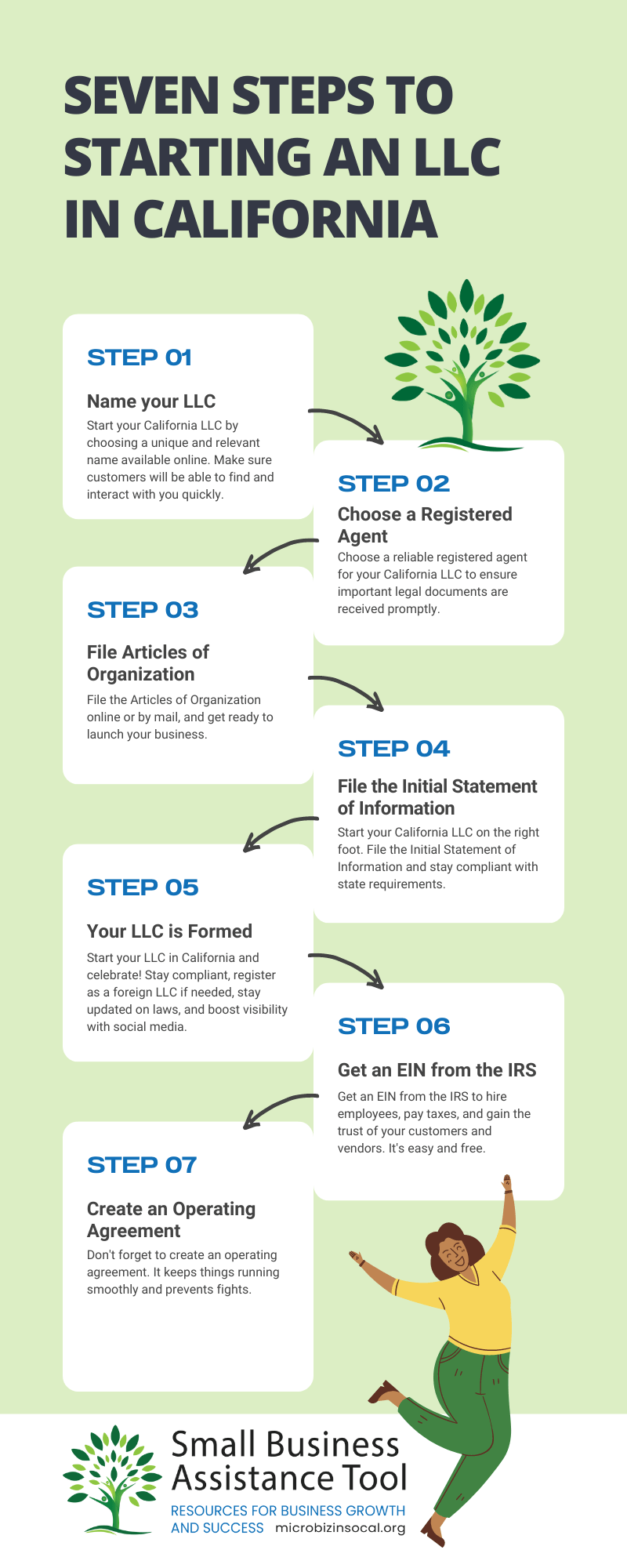
Step 1: Naming Your California LLC
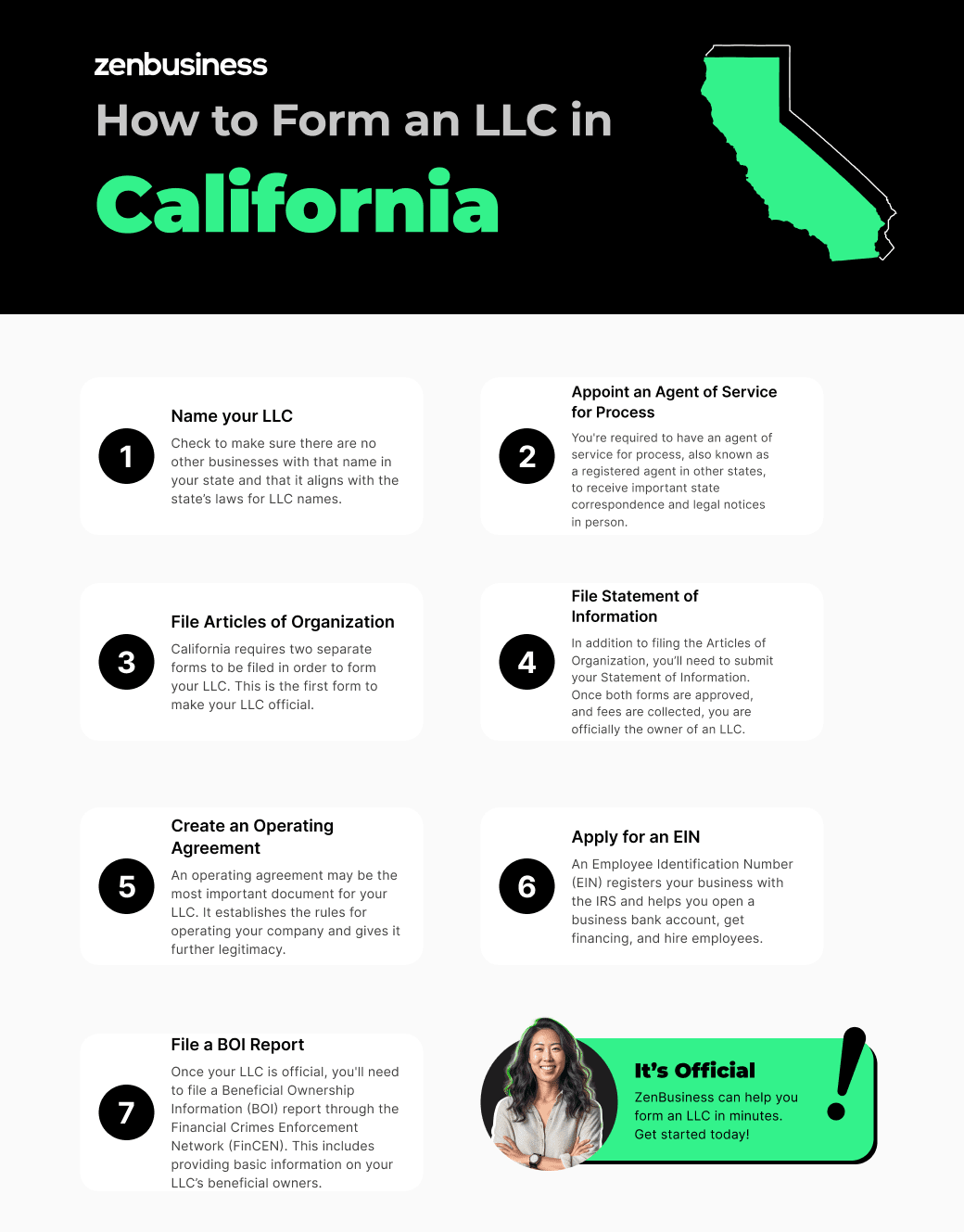
The first step in forming your LLC is choosing a name. This name must be unique and distinguishable from other registered entities in California. The name must also include “Limited Liability Company,” “LLC,” or “L.L.C.” It’s a good practice to check the availability of your desired name through the California Secretary of State’s website. Beyond legal requirements, consider a name that resonates with your business’s mission and audience. If you’re launching a travel agency specializing in luxury excursions, a name evoking sophistication might be appropriate. If you’re managing vacation apartments in Santa Monica, something catchy and location-specific could be effective. Once you’ve chosen a name, you can reserve it for up to 60 days by filing a Name Reservation Request Form (Form LLC-1) with the California Secretary of State. This gives you time to complete the remaining steps without worrying about losing your chosen name to another business.
Step 2: Appointing a Registered Agent
Every LLC in California is required to have a Registered Agent. This individual or entity must have a physical street address in California (not a P.O. Box) and be available during normal business hours to accept legal documents and official correspondence on behalf of your LLC. For digital nomads or entrepreneurs who frequently travel or operate their business remotely, appointing a professional Registered Agent service is an excellent solution. This ensures that important legal notices are always received and forwarded to you, maintaining your compliance with state regulations even if you’re exploring distant destinations or managing properties from afar. Choosing a reliable Registered Agent is crucial for maintaining legal standing and peace of mind, especially when your lifestyle takes you out of the office.
Step 3: Drafting Your Operating Agreement
While not legally required to be filed with the state, an Operating Agreement is the foundational internal document for your LLC and is highly recommended. This agreement outlines the ownership structure, roles and responsibilities of members, capital contributions, profit and loss distribution, decision-making processes, and procedures for admitting new members or dissolving the LLC. For multi-member LLCs, such as partners co-owning a series of boutique hotels or a tourism venture in San Diego, a detailed Operating Agreement is vital for preventing disputes and ensuring smooth operations. Even for single-member LLCs, it acts as a declaration of your business’s legal separation from your personal affairs, reinforcing the liability protection. Crafting a comprehensive Operating Agreement ensures clarity and protects the interests of all parties involved, providing a clear roadmap for your business’s journey and supporting your dynamic lifestyle.
Step 4: Filing Articles of Organization with the California Secretary of State
This is the official step that formally creates your LLC. You must file Form LLC-1, “Articles of Organization,” with the California Secretary of State. This document includes your LLC’s name, the name and address of your Registered Agent, and a statement regarding the purpose of your LLC. The filing fee is currently $70, and processing times can vary, so it’s wise to check the Secretary of State’s website for the most current information. You can file online, by mail, or in person. Once processed and approved, the California Secretary of State will send you a filed-stamped copy of your Articles of Organization, officially establishing your LLC. This is a moment of significant achievement for any entrepreneur, marking the formal beginning of your journey to build a thriving business that supports your lifestyle aspirations in California.
Step 5: Obtaining an EIN (Employer Identification Number)
After your LLC is formally established, you’ll need to obtain an Employer Identification Number (EIN) from the IRS. An EIN is essentially a social security number for your business and is required for opening a business bank account, hiring employees (if applicable), and filing federal and state taxes. Even single-member LLCs that don’t have employees but elect to be taxed as an S-corp or C-corp, or have certain excise tax liabilities, will need an EIN. You can apply for an EIN online through the IRS website, and it’s a quick and free process. Having an EIN is a critical step in separating your personal and business finances, a cornerstone of maintaining the liability protection an LLC provides. For businesses in the travel or accommodation sector, where transactions are frequent and varied, a distinct business account linked to your EIN is indispensable for efficient financial management.

Step 6: Complying with California’s Specific Requirements
California has a few unique requirements for LLCs that are important to note. First, every LLC must file a “Statement of Information” (Form LLC-12) with the California Secretary of State within 90 days of filing the Articles of Organization, and then biennially thereafter. This form updates the state on your LLC’s current information, such as its principal office address and Registered Agent. Second, California LLCs are subject to an annual minimum franchise tax of $800, regardless of income, which must be paid to the Franchise Tax Board. Additional taxes and fees may apply based on your LLC’s net income. Finally, depending on the nature and location of your business, you may need specific local business licenses and permits. For example, operating an Airbnb or short-term rental in San Diego or Santa Monica will likely require specific municipal permits. Always check with your city and county clerk’s office to ensure full compliance. Staying on top of these specific California requirements is vital for keeping your LLC in good standing and ensuring your lifestyle business continues to operate smoothly and legally.
Leveraging Your California LLC For Travel And Accommodation Success
Once your LLC is officially formed, the real excitement begins: leveraging this robust legal structure to build and scale your travel, tourism, and accommodation ventures in California. The LLC is not just a protective shield; it’s a springboard for growth and innovation.
Scaling Your Hospitality Ventures
An LLC provides the ideal structure for entrepreneurs looking to scale their hospitality ventures. Imagine starting with one successful vacation rental in Napa Valley and expanding to multiple properties, including unique villas in Palm Springs or charming boutique hotels in San Francisco. Each additional property or business line can operate seamlessly under the umbrella of your LLC, or you can even create separate LLCs for different ventures, offering even greater asset protection. This structure simplifies management, allows for easier consolidation of finances, and presents a professional facade to potential investors or lenders needed for expansion. With an LLC, you can attract capital to renovate a historic building into a themed hotel or acquire a portfolio of apartments for long-term stays, confidently growing your presence across California’s diverse hospitality landscape. The flexibility of an LLC makes it perfect for a dynamic business that grows with your “life out of the box” vision.
Expanding Your Travel Content and Services
For travel bloggers, digital creators, tour guides, or experience providers, an LLC elevates your entrepreneurial endeavors beyond a hobby. It provides the necessary structure to manage diverse income streams from sponsorships, affiliate marketing, merchandise sales related to California landmarks like the Golden Gate Bridge, and direct bookings for guided tours or bespoke travel planning services. Operating as an LLC also enhances your professional image when collaborating with destination marketing organizations, hotels, or other tourism entities. It allows you to enter into formal contracts with confidence, ensuring legal protection for your intellectual property and agreements. Whether you’re documenting luxury travel experiences in Los Angeles or leading adventure guides in Yosemite National Park, an LLC provides the foundation for sustainable growth, transforming your passion into a thriving and well-protected enterprise that truly embodies a “life out of the box.”
Navigating Permits and Regulations in Tourist Hubs
Operating in California’s popular tourist hubs, such as San Diego, Santa Monica, or Palm Springs, often involves navigating a complex web of local permits, zoning laws, and specific regulations, especially for short-term rentals and tourism-related services. An LLC provides a clear legal entity through which to manage these compliance requirements. Instead of individual liability, the LLC is the entity responsible for obtaining and maintaining necessary business licenses, transient occupancy taxes, and adhering to local ordinances that regulate everything from noise levels in a vacation rental to the safety standards for a tour bus. This separation simplifies the compliance process and protects your personal assets from potential fines or legal issues. Furthermore, by formalizing your business with an LLC, you present a more credible and compliant front to local authorities, making it easier to secure the permits needed to operate legally and successfully in these highly sought-after destinations, fostering continued growth for your accommodation or travel business.
Beyond Filing: Sustaining Your California LLC and Lifestyle
Forming your LLC is just the beginning. To truly embrace a “life out of the box” supported by a thriving business, sustained effort in compliance, financial management, and utilizing California’s unique resources is essential.
Ongoing Compliance and Best Practices
Maintaining your LLC’s good standing in California requires ongoing attention to compliance. This includes filing your Statement of Information biennially with the California Secretary of State, paying the annual $800 franchise tax to the Franchise Tax Board, and renewing any local business licenses or permits. It’s also crucial to maintain proper record-keeping, separating business and personal finances rigorously, and holding regular (even if informal for a single-member LLC) meetings to document key business decisions. This diligent adherence to best practices, often referred to as maintaining the “corporate veil,” ensures that your personal assets remain protected from business liabilities. For those running travel or accommodation businesses, keeping meticulous records of guest bookings, expenditures for hotel amenities, and travel expenses for business trips is vital not only for compliance but also for insightful financial analysis that can drive future success.
Financial Management for the Modern Entrepreneur
Effective financial management is the backbone of any successful business, particularly for those pursuing a flexible, lifestyle-driven enterprise. With your EIN, promptly open a dedicated business bank account and, if applicable, a business credit card. This clear separation of funds is non-negotiable for tax purposes and maintaining your LLC’s liability protection. Implement robust bookkeeping practices to track all income and expenses related to your travel, tourism, or accommodation ventures. Utilize accounting software designed for small businesses to simplify expense tracking, invoicing guests, and generating financial reports. Regular review of your profit and loss statements and balance sheets will provide crucial insights into your business’s health, allowing you to make informed decisions about pricing for your suites, marketing for new destinations, and budgeting for future adventures. Sound financial management empowers you to sustain and grow your business while enjoying the freedom that your “life out of the box” in California offers.
The California Advantage: Resources for Growth
Beyond the legal and financial frameworks, operating an LLC in California offers access to an unparalleled ecosystem for growth. The state is a hub of innovation, attracting diverse talent and offering a wealth of networking opportunities. From San Diego travel expos to Los Angeles startup accelerators focused on hospitality tech, there are numerous avenues to connect with mentors, potential partners, and investors. California’s diverse landmarks, vibrant culture, and status as a global tourism magnet provide a constant source of inspiration and a vast market for travel, accommodation, and lifestyle businesses. Whether your business caters to luxury travelers seeking resorts in Lake Tahoe, budget explorers backpacking through Hollywood, or digital nomads needing flexible apartments, California provides an environment ripe for success. Leveraging these resources, combined with the solid legal foundation of an LLC, positions your business for long-term prosperity and enables you to truly live a “life out of the box” on your own terms.
Filing an LLC in California is a strategic move for any entrepreneur, especially those whose dreams involve the dynamic worlds of travel, tourism, and accommodation. It provides essential legal protection, offers significant tax flexibility, and boosts your business’s credibility in a highly competitive market. By carefully following the steps outlined, from naming your entity and appointing a Registered Agent to drafting your Operating Agreement and complying with California’s unique requirements, you lay a solid foundation for your ventures. Beyond the initial filing, diligent compliance and smart financial management will ensure your LLC continues to serve as a powerful vehicle for growth. Embrace the entrepreneurial spirit of California, and let your LLC empower you to build the “life out of the box” you’ve always envisioned, exploring new destinations and creating unforgettable experiences along the way.
LifeOutOfTheBox is a participant in the Amazon Services LLC Associates Program, an affiliate advertising program designed to provide a means for sites to earn advertising fees by advertising and linking to Amazon.com. Amazon, the Amazon logo, AmazonSupply, and the AmazonSupply logo are trademarks of Amazon.com, Inc. or its affiliates. As an Amazon Associate we earn affiliate commissions from qualifying purchases.