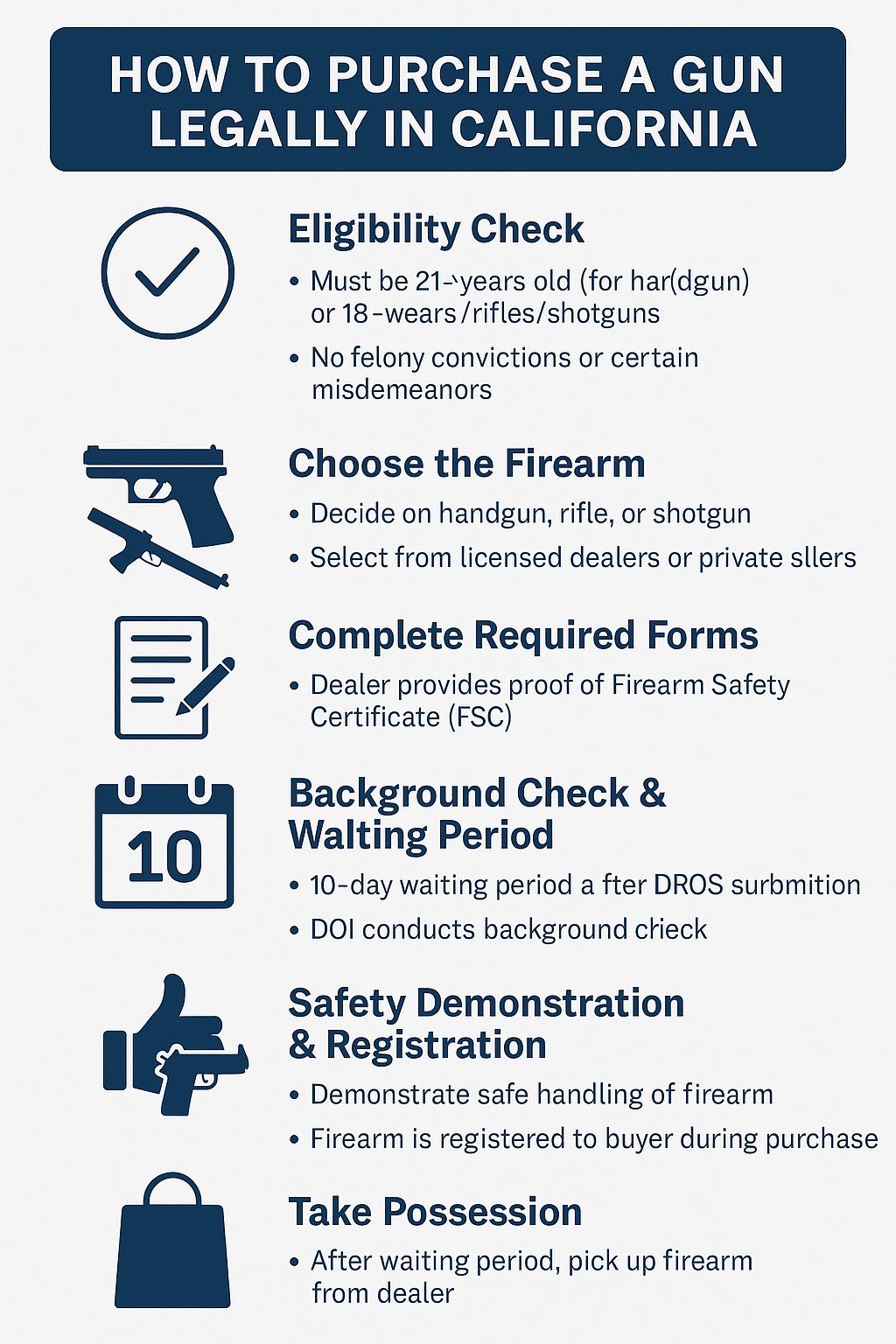
For many, California represents the epitome of a vibrant lifestyle, offering everything from sun-drenched beaches and majestic redwood forests to bustling cityscapes and world-class culinary experiences. Whether you’re planning an extended stay in Los Angeles, contemplating a move to the tech hubs of Silicon Valley, or simply exploring the historic charm of San Francisco, understanding the local landscape extends beyond attractions and accommodations to encompass the legal framework of daily life. For those interested in firearms, either as a matter of personal defense, sport, or a pre-existing lifestyle choice, navigating California’s unique gun laws is a crucial aspect of responsible citizenship and travel.
Unlike many states, California maintains some of the most stringent firearm regulations in the United States. This article aims to demystify the process of obtaining what is commonly referred to as a “gun license” in California, primarily focusing on the Concealed Carry Weapon (CCW) permit, which is the closest equivalent to a general “license to carry a gun.” We’ll explore this topic through the lens of responsible travel and lifestyle, helping you understand what to expect if you’re considering making California your temporary or permanent home, or simply wish to be informed during your visits to destinations like San Diego or the Napa Valley. Please remember, this guide provides general information and should not be considered legal advice. Always consult with a qualified legal professional for specific guidance regarding firearm laws.
Navigating California’s Unique Approach to Firearm Ownership
California’s approach to firearm regulation is often perceived as complex, especially for those accustomed to different laws in other states or countries. For travelers and prospective residents, understanding this regulatory environment is as important as knowing where to book the best suite or which Landmarks to visit. It’s about being fully informed to enjoy your California experience responsibly and within the bounds of the law.
Understanding the Landscape for Visitors and New Residents
When planning Travel to California or considering a longer stay, it’s vital to recognize that the state treats firearm ownership with a high degree of oversight. This affects not only those who wish to purchase a firearm within the state but also individuals who may be visiting with firearms acquired elsewhere. For instance, moving to California with firearms often requires specific registration processes that must be completed within a set timeframe. Ignoring these requirements can lead to serious legal consequences, making prior research an essential step for anyone considering a new Lifestyle in the Golden State.
Many people arrive in California drawn by its diverse offerings, from the serene beaches along the Pacific Coast Highway to the vibrant nightlife of Hollywood. For some, firearm ownership is an integrated part of their personal security or recreational activities. Understanding how California’s laws interact with these aspects is crucial. It’s not just about avoiding legal trouble; it’s about aligning with the state’s civic expectations and ensuring peace of mind during your stay, whether you’re at a Resort in Palm Springs or exploring a historic district in Sacramento.
Dispelling Myths: What “Gun License” Truly Means in California
The term “gun license” can be misleading in California. Unlike some jurisdictions where a single license permits both ownership and concealed carry, California separates these concepts. There isn’t a general “license” required simply to own a firearm in the traditional sense, provided it is a legally compliant firearm. Instead, residents must obtain a Firearm Safety Certificate (FSC) before purchasing or acquiring most firearms. This certificate demonstrates basic knowledge of firearm safety laws and practices. However, the FSC is distinct from a permit to carry a firearm, particularly concealed.
The closest equivalent to a “gun license” for carrying a firearm is the Concealed Carry Weapon (CCW) permit. This permit allows an individual to carry a concealed firearm in public, subject to specific restrictions. Obtaining a CCW in California is known to be significantly more challenging than in many other states due to the “good cause” requirement, which adds a layer of discretion to the application process. This nuanced approach reflects California’s broader regulatory philosophy, which emphasizes public safety through strict control over firearms. For those enjoying Tourism or seeking new Experiences in California, understanding this distinction is paramount.
The Path to a Concealed Carry Weapon (CCW) Permit in California
For individuals interested in carrying a concealed firearm in California, the process to obtain a CCW permit is rigorous and requires careful attention to detail. This process is managed at the county level by the sheriff’s office or, in some cases, by the police chief in larger cities. The eligibility criteria and application procedures can vary slightly from one county to another, such as between Orange County and San Mateo County, underscoring the importance of checking local requirements.
Eligibility and Application: A Detailed Overview
Generally, to be eligible for a CCW permit in California, applicants must:
- Be at least 21 years old.
- Be a resident of the county to which they are applying.
- Be a citizen of the United States or a legal permanent resident.
- Possess a good moral character.
- Satisfy the “good cause” requirement, demonstrating a compelling reason for needing to carry a concealed firearm that goes beyond general self-defense (though recent legal developments may influence this in the future, it has historically been a significant hurdle).
- Complete a comprehensive firearm safety training course.
- Pass a background check, which includes fingerprinting and a review of criminal history, mental health records, and other disqualifying factors.
The application process typically involves submitting a detailed application form, providing personal references, undergoing an interview with law enforcement personnel, and often a psychological evaluation. The discretion afforded to issuing authorities means that even if all criteria are met, approval is not guaranteed. This makes the CCW permit one of the more challenging permits to acquire, influencing how individuals may plan their personal security strategy while enjoying California’s diverse attractions, from the Santa Monica Pier to Yosemite National Park.
Training Requirements and Responsible Gun Ownership
A critical component of obtaining a CCW permit in California is the mandatory firearm training. Applicants are required to complete an approved course covering firearm safety, the safe handling and storage of firearms, and the legal responsibilities associated with carrying a concealed weapon. These courses typically range from 8 to 16 hours, combining classroom instruction with live-fire proficiency tests. The curriculum ensures that permit holders are not only proficient with their chosen firearm but also fully aware of the legal nuances of self-defense and the appropriate use of deadly force.
Beyond the initial training for a CCW, responsible gun ownership in California extends to continuous education and adherence to all state and local laws. This includes understanding restrictions on where firearms can be carried, such as government buildings, schools, and certain private establishments. For those exploring the state, whether staying at Hotels or booking long-term Accommodation, awareness of these restrictions is vital. California’s emphasis on training and responsible conduct reflects a broader commitment to public safety, aiming to integrate firearm ownership into the state’s unique social fabric thoughtfully.
Beyond the Permit: Responsible Firearm Lifestyle in California
Even without a CCW permit, responsible firearm ownership in California involves adhering to a strict set of regulations concerning storage, transportation, and permissible activities. For those integrating firearms into their Lifestyle within the state, understanding these rules is crucial for legal compliance and personal safety, whether they are a long-term resident or enjoying a temporary stay.
Storage, Transportation, and Travel Considerations
California has stringent laws regarding the safe storage of firearms, particularly in homes with minors present. Firearms must be stored in a locked container or rendered inoperable with a locking device. This measure aims to prevent accidental access and reduce firearm-related accidents, aligning with a family-friendly Tourism and residential environment. For travelers moving through California with firearms, the rules for transportation are equally strict. Generally, firearms must be unloaded and transported in a locked container, separate from ammunition, and not readily accessible from the passenger compartment. This applies whether you are driving to a recreational shooting range or merely passing through on your way to another state.
These transportation laws have implications for anyone planning road trips or moving belongings across state lines through California. It’s essential to be familiar with both federal and state laws to ensure compliance. For those staying at Hotels or Apartments, understanding the establishment’s policies on firearms, in addition to state laws, is also a key aspect of responsible Accommodation and Travel.
Engaging with California’s Shooting Sports and Outdoor Activities
Despite its strict gun laws, California offers a vibrant community for shooting sports enthusiasts. There are numerous shooting ranges, gun clubs, and outdoor recreational areas where firearm owners can safely and legally participate in target shooting, sport shooting competitions, and hunting. These activities provide a legitimate outlet for individuals who embrace firearm ownership as a recreational Lifestyle or competitive sport. Engaging with these communities can also be an excellent way to learn more about local regulations and best practices from experienced individuals.
For those interested in hunting, California requires specific hunting licenses and often additional tags for different game species. These regulations are separate from general firearm ownership laws but are crucial for ethical and legal participation in hunting activities within designated areas, which might include vast wilderness regions near Yosemite National Park or the rugged terrain of the Sierra Nevada mountains. Understanding the full spectrum of legal requirements is part of embracing the outdoor Activities and Experiences that California has to offer.
In conclusion, while the idea of a simple “gun license” in California is a misconception, the state does have clear pathways for responsible firearm ownership and, for those who meet stringent requirements, for obtaining a Concealed Carry Weapon permit. Navigating these laws is an integral part of understanding the Local Culture and legal framework, whether you’re visiting San Francisco for a weekend or planning a permanent move to Orange County. For anyone considering firearm ownership or carrying in California, thorough research, adherence to all regulations, and consulting legal professionals are paramount to ensure a safe, enjoyable, and lawful experience in this diverse and dynamic state. Enjoy your California adventures responsibly!