
California, often celebrated for its sun-drenched beaches, iconic landmarks, and vibrant lifestyle, is a dream destination for millions of travelers and a dynamic home for nearly 40 million residents. From the sprawling metropolis of [Los Angeles] and the tech hub of [San Francisco] to the picturesque vineyards of [Napa Valley] and the serene shores of [Lake Tahoe], the Golden State offers an unparalleled array of experiences. But amidst this backdrop of natural beauty and cultural richness, a different kind of buzz often surfaces, especially for sports enthusiasts: the legality of online sports betting and daily fantasy sports platforms like DraftKings. For those looking to combine their love for travel with a passion for sports, understanding the regulatory landscape in California is crucial. While daily fantasy sports have found a home in the state, the journey for traditional sports betting has been a more complex and winding path, reflecting a nuanced interplay of legal interpretations, legislative efforts, and the powerful interests of various stakeholders.
Navigating the Legal Landscape: Daily Fantasy Sports vs. Traditional Sports Betting
The question “Is DraftKings legal in California?” isn’t as straightforward as a simple yes or no, as it largely depends on which aspect of DraftKings you’re referring to. The platform offers two primary types of engagement: Daily Fantasy Sports (DFS) and traditional Sports Betting. In California, these two activities are treated very differently under the law, creating a distinct environment for residents and visitors alike.
The Current State of Play for DraftKings
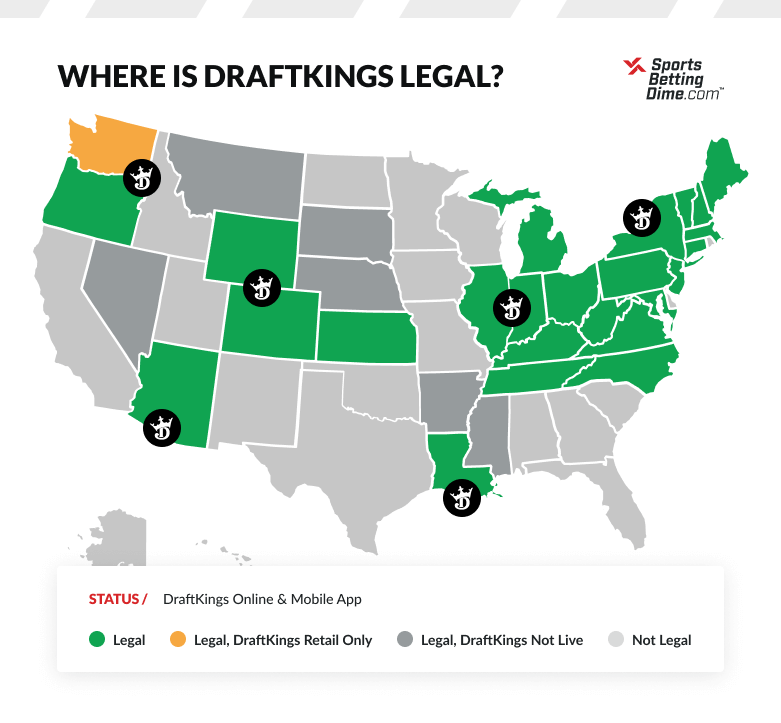
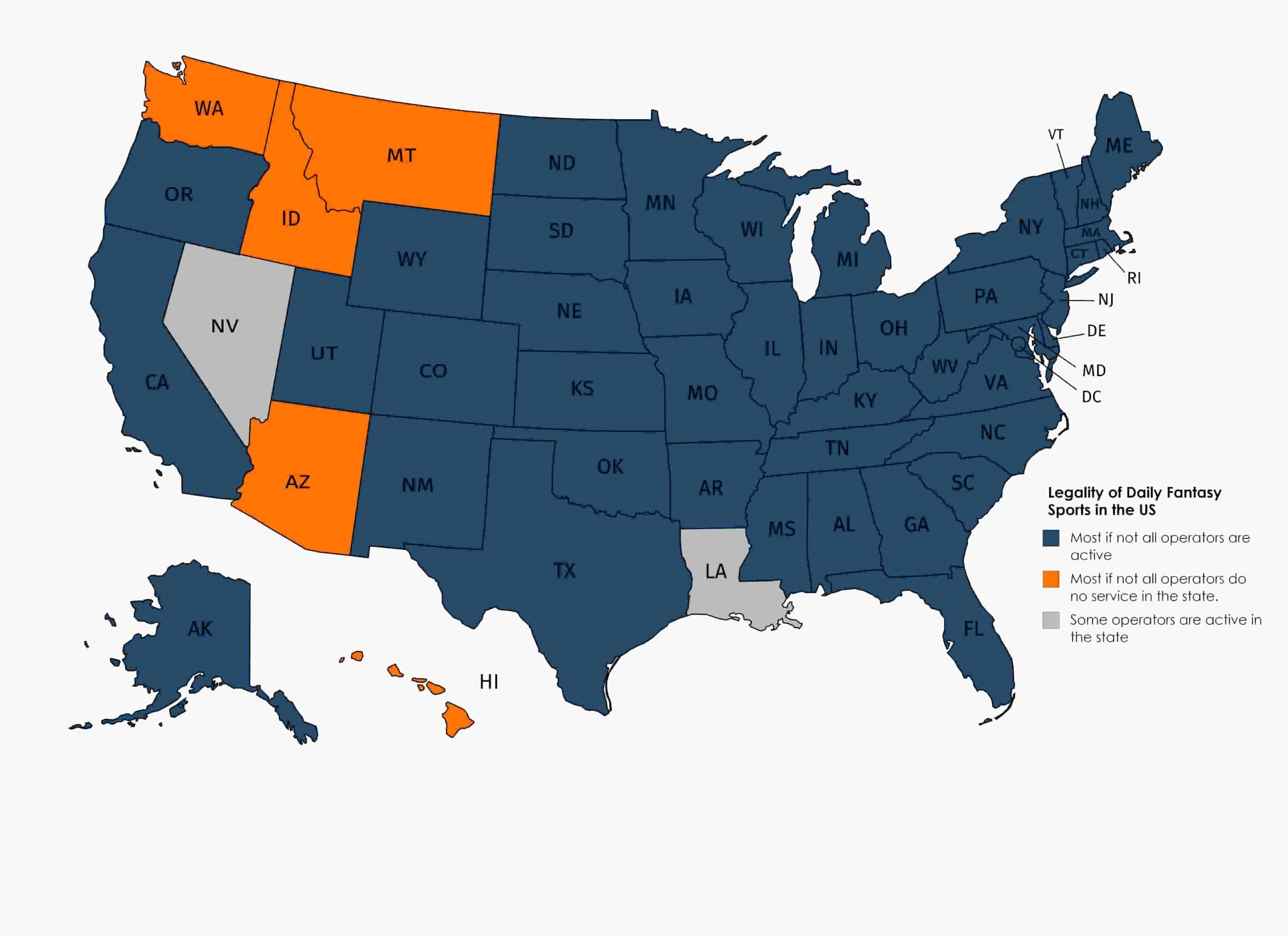
Currently, Daily Fantasy Sports (DFS) offered by platforms like [DraftKings] are widely available and generally considered legal in [California]. This means that if you’re visiting [San Diego] for a beach vacation, exploring the history of [Sacramento], or enjoying the vibrant nightlife of [Hollywood], you can likely participate in DFS contests on your mobile device. DFS operates under the premise that it is a game of skill, not chance. Participants draft virtual teams of real-world athletes and earn points based on the statistical performance of those athletes in actual games. This skill-based argument has allowed DFS to largely bypass the strict regulations that govern traditional gambling in many states, including California. Consequently, DraftKings, along with other major DFS operators, has been able to offer its fantasy contests to the vast Californian market without significant legal challenge.
However, the picture changes dramatically when it comes to traditional sports betting. This includes placing wagers on moneylines, point spreads, over/unders, prop bets, and futures. As of now, traditional sports betting remains illegal in California. This means that whether you’re staying at a [luxury hotel] in [Beverly Hills] or a [boutique accommodation] near [Anaheim], you cannot legally place a traditional sports bet online or in person within the state’s borders. The legal framework for gambling in California is primarily focused on tribal casinos and card rooms, which operate under specific compacts and licenses. The introduction of broad-based online or retail sports betting would require significant legislative changes and likely a constitutional amendment, processes that have proven to be contentious and challenging.
Why the Distinction Matters: Skill vs. Chance
The crux of the legal debate lies in the distinction between “skill” and “chance.” State gambling laws often define illegal gambling as any activity where participants wager money on an outcome determined predominantly by chance. Proponents of DFS argue that success in daily fantasy contests relies heavily on a participant’s knowledge of sports, player statistics, strategic team selection, and game theory, thus classifying it as a game of skill. This argument has been crucial in allowing DFS to operate in many states where traditional sports betting is prohibited.
In contrast, traditional sports betting is often seen by lawmakers as being predominantly a game of chance, or at least having a significant element of chance that places it squarely within existing gambling prohibitions. While sports knowledge and analytical skills can certainly improve a bettor’s chances, the inherent unpredictability of sporting events means that the outcome is never guaranteed, and luck plays a more prominent role than in DFS. This legal nuance is why DraftKings can offer its fantasy contests but not its full sportsbook functionality to users physically located within California. The debate over this distinction has been at the forefront of legislative battles across the United States, shaping the landscape of online gaming for travelers and residents alike.
The Quest for Legalization: A Look Back and Forward
California, with its massive population and passionate sports fan base, represents the holy grail for sports betting operators. The potential revenue generation, both for the state and for private enterprises, is enormous, fueling continuous efforts to bring traditional sports betting into the legal fold. However, the path to legalization has been fraught with challenges, primarily due to conflicting interests among powerful stakeholders.
Proposition 26 and 27: The Battle for California’s Sports Betting Market
The most recent and significant attempts to legalize sports betting in California came during the November 2022 election cycle with two competing ballot initiatives: Proposition 26 and Proposition 27.
-
Proposition 26 was a tribal-backed initiative that sought to legalize in-person sports betting at tribal casinos and state-licensed racetracks. It emphasized expanding the existing tribal gambling framework and aimed to protect the exclusivity of tribal casinos. For travelers seeking a traditional casino experience, this would have meant placing sports bets at integrated resorts like [Pechanga Resort Casino] in [Temecula], [Morongo Casino Resort & Spa] near [Palm Springs], or [Agua Caliente Casino Palm Springs]. These resorts, already popular destinations for entertainment, dining, and accommodation, would have added a sportsbook as a new amenity, enhancing the luxury travel and lifestyle offerings for guests.
-
Proposition 27, on the other hand, was primarily backed by major online sports betting operators, including [DraftKings], [FanDuel], and [BetMGM]. This initiative proposed legalizing online and mobile sports betting throughout the state, with a significant portion of tax revenues directed towards addressing homelessness and mental health issues. It envisioned a landscape where residents and tourists alike could place bets from anywhere in the state, whether they were enjoying the beaches of [Santa Monica], exploring the vineyards of [Sonoma County], or staying in a [vacation rental] in [Orange County].
Both propositions were ultimately defeated by a significant margin, highlighting the deep divisions and strong opposition from various groups. The failure of these initiatives underscored the complexity of navigating California’s political and economic landscape, where well-funded campaigns and entrenched interests played a critical role.
Key Players and Conflicting Interests
The struggle to legalize sports betting in California is characterized by a high-stakes standoff between several powerful entities:
-
California Tribal Nations: These sovereign nations operate the vast majority of casinos in California, which are significant economic engines for their communities. They are fiercely protective of their gaming exclusivity, viewing online sports betting as a potential threat to their brick-and-mortar operations and the economic stability it provides. Their primary concern is ensuring that any expansion of gambling continues to benefit their communities and respects their sovereign rights. Many tribal leaders advocated for a more controlled expansion, initially limited to their physical properties.
-
Card Rooms: These establishments, located in various cities like [San Jose], [Oakland], and [Sacramento], offer poker and other card games. They also seek a share of the potential sports betting market and have their own distinct interests, often clashing with tribal nations over the scope of gaming expansion.
-
Online Sports Betting Operators (like DraftKings): Companies such as [DraftKings], [FanDuel], [MGM Resorts International], and [Caesars Entertainment] see California as the largest untapped market in the U.S. Their business models are built around online and mobile platforms, making them strong proponents of widespread digital access to sports betting. They have invested heavily in campaigns to bring their offerings to the state, recognizing the immense revenue potential from California’s tech-savvy population and its millions of visitors.
-
The State Government: While the state stands to gain significant tax revenue from legalized sports betting, lawmakers must navigate these competing interests while also considering the social impacts and regulatory challenges. The political will to push through a solution that satisfies all parties has been elusive.
The failure of Propositions 26 and 27 illustrated that without a unified approach or a compromise that addresses the concerns of all major stakeholders, particularly the tribal nations, the path to legalizing traditional sports betting in California will remain exceptionally challenging.
California’s Allure: A Prime Market for Sports Betting and Tourism
California’s unique blend of economic power, cultural influence, and diverse attractions makes it an unparalleled market for nearly any industry, including the burgeoning sector of sports entertainment. The potential for legal sports betting to integrate with and enhance California’s already thriving tourism and lifestyle sectors is a compelling argument for its eventual legalization.
Economic Impact and Revenue Potential
With the largest population in the [United States] and one of the world’s largest economies, California represents an enormous economic opportunity for the sports betting industry. Analysts estimate that a legal and regulated sports betting market in California could generate billions of dollars annually in wagers, translating into hundreds of millions in tax revenue for the state. This revenue could be allocated to crucial public services, infrastructure projects, or even dedicated initiatives, as proposed by Proposition 27, targeting homelessness and mental health support.
The economic benefits extend beyond direct tax revenue. Legal sports betting could stimulate job creation in various sectors, from technology and hospitality to marketing and compliance. It could also draw new investments into the state, particularly from major gaming companies looking to establish or expand their presence, further bolstering California’s position as a global economic powerhouse. For a state that prides itself on innovation and economic leadership, unlocking this potential revenue stream remains a tantalizing prospect.
Enhancing the California Travel Experience
Legalized sports betting could significantly enhance the travel and tourism experience for visitors to California. Imagine watching an [NFL] game in a vibrant [Los Angeles] sports bar, with the option to place a live bet on the next score, or enjoying a [Golden State Warriors] game at a stadium in [San Francisco] with easy access to a mobile sportsbook. This integration would elevate the entertainment value for sports fans traveling to California for major events like the [Super Bowl], [World Series], [NBA Finals], or [Stanley Cup Finals].
Tourists already flock to California for its diverse attractions, from [Disneyland] and [Universal Studios Hollywood] to the serene beauty of the [Pacific Ocean] coastlines. Adding legal sports betting would provide another layer of entertainment, particularly for the demographic interested in sports. It could also encourage longer stays and increased spending, as visitors might extend their trips to coincide with major sporting events or to experience the thrill of betting in a regulated environment. This fusion of sports entertainment with California’s renowned hospitality could create unique tourism packages and attract a new segment of travelers, further solidifying the state’s status as a premier global destination.
Lifestyle and Accommodation: Where Sports Betting Meets California Hospitality
The integration of sports betting, if legalized, would not only impact the state’s economy but also profoundly shape the lifestyle and accommodation landscape across California. From sprawling integrated resorts to local sports bars, the way people engage with sports and entertainment could see a significant transformation.
Integrated Resorts and the Future of Sportsbooks
California’s tribal casinos, like [Pechanga Resort Casino] and [Morongo Casino Resort & Spa], are already major destinations offering a full suite of entertainment, dining, and luxury accommodation options. Should in-person sports betting become legal, these resorts would be prime locations for state-of-the-art sportsbooks. Imagine a traveler checking into a lavish suite, spending the day by the pool or enjoying a spa treatment, and then heading to a dedicated sportsbook lounge in the evening to watch games and place wagers. This model, prevalent in regulated markets like [Las Vegas], seamlessly blends gambling with high-end hospitality, enhancing the overall resort experience.
Such integration would not only attract sports bettors but also provide a new amenity for existing guests, adding value to their stay. The resorts could host watch parties for major sporting events, complete with special food and beverage offerings, creating a vibrant atmosphere that draws both casual fans and serious bettors. This would elevate the resorts beyond traditional casinos, positioning them as comprehensive sports entertainment hubs within California’s diverse tourism ecosystem.
Beyond the Casino: Sports Bars and Urban Entertainment
While tribal casinos would likely be central to in-person betting, the impact of online sports betting would be far more pervasive. For residents and visitors in cities like [San Jose], [Oakland], or [Anaheim], the ability to place bets from their smartphone or tablet would open up new avenues for entertainment. Sports bars across the state, from intimate local spots to large, bustling venues, could transform into de facto social betting hubs, where friends gather to watch games and engage in friendly competition with their mobile devices.
This would create a dynamic social environment, turning casual viewing into an interactive experience. Furthermore, for those staying in various forms of accommodation – from [budget hotels] in [Silicon Valley] to [vacation rentals] near [Disneyland] – the convenience of online betting means they wouldn’t need to travel to a specific location to participate. This decentralization of access would weave sports betting into the fabric of everyday California life and travel, making it an accessible form of entertainment wherever one might be enjoying the California lifestyle.
What Does This Mean for Visitors and Residents?
Understanding the current legal landscape and future prospects is essential for anyone interested in sports betting while in California, whether they’re a long-term resident or just passing through.
Engaging with Daily Fantasy Sports in California
For now, if you’re a fan of Daily Fantasy Sports, you’re in luck. Platforms like DraftKings offer a robust selection of DFS contests across various sports, available for legal play within California. This means you can manage your fantasy teams while exploring the [Golden Gate Bridge] in [San Francisco], relaxing on the beaches of [Malibu], or dining in [Santa Barbara]. It’s an accessible way to engage with professional sports, test your knowledge, and potentially win prizes, all within the bounds of current state law. Remember to always participate responsibly and within your means, as with any form of gaming.
Looking Ahead: The Future of Sports Betting in the Golden State
The future of traditional sports betting in California remains uncertain but is undoubtedly a topic of ongoing discussion and political maneuvering. The powerful forces at play – tribal sovereignty, state revenue needs, and the ambitions of national sports betting operators – mean that any resolution will be complex and hard-won. While 2022’s efforts failed, the immense financial potential and the growing acceptance of sports betting across the nation suggest that the issue is far from settled.
For travelers planning future trips to California, staying informed about legislative developments will be key. If sports betting were to become legal, it would undoubtedly open up new dimensions of entertainment, leisure, and lifestyle experiences across the state’s diverse regions. Until then, California continues to offer an incredible array of attractions and activities, with Daily Fantasy Sports providing a legal and exciting way for sports enthusiasts to engage with their passion in the Golden State. The journey towards full sports betting legalization is a long one, but for a state that has always been at the forefront of innovation and entertainment, it’s a journey many are eagerly watching unfold.
LifeOutOfTheBox is a participant in the Amazon Services LLC Associates Program, an affiliate advertising program designed to provide a means for sites to earn advertising fees by advertising and linking to Amazon.com. Amazon, the Amazon logo, AmazonSupply, and the AmazonSupply logo are trademarks of Amazon.com, Inc. or its affiliates. As an Amazon Associate we earn affiliate commissions from qualifying purchases.