
The allure of the open road is a powerful magnet, especially when it leads through the diverse landscapes and vibrant cities of California. For many, the ultimate expression of this freedom comes on two wheels, offering an intimate connection with the environment and an unparalleled sense of adventure. However, navigating the bustling highways and urban arteries of the Golden State presents unique challenges, particularly concerning traffic congestion. This is where the practice of “lane splitting” often comes into play, a topic that frequently sparks debate and confusion among both motorcyclists and drivers.
Lane splitting, also known as lane sharing, white-lining, or filtering, is the practice of a motorcyclist riding between lanes of stopped or slowly moving traffic. It’s a common sight on many California roadways, from the infamous traffic jams of Los Angeles to the commuter routes around San Francisco. But is this practice actually legal? And what does it mean for travelers, tourists, and residents exploring or residing in this dynamic state? Understanding the legal framework, safety considerations, and practical implications of lane splitting is crucial for anyone engaging with California’s unique driving culture, whether you’re a seasoned rider, a curious tourist, or a local driver. This article will delve into the specifics of California’s lane splitting laws, its impact on travel and tourism, and the broader lifestyle considerations for those experiencing the state from behind the handlebars or the steering wheel.
The Legality of Lane Splitting in California: A Clear Path
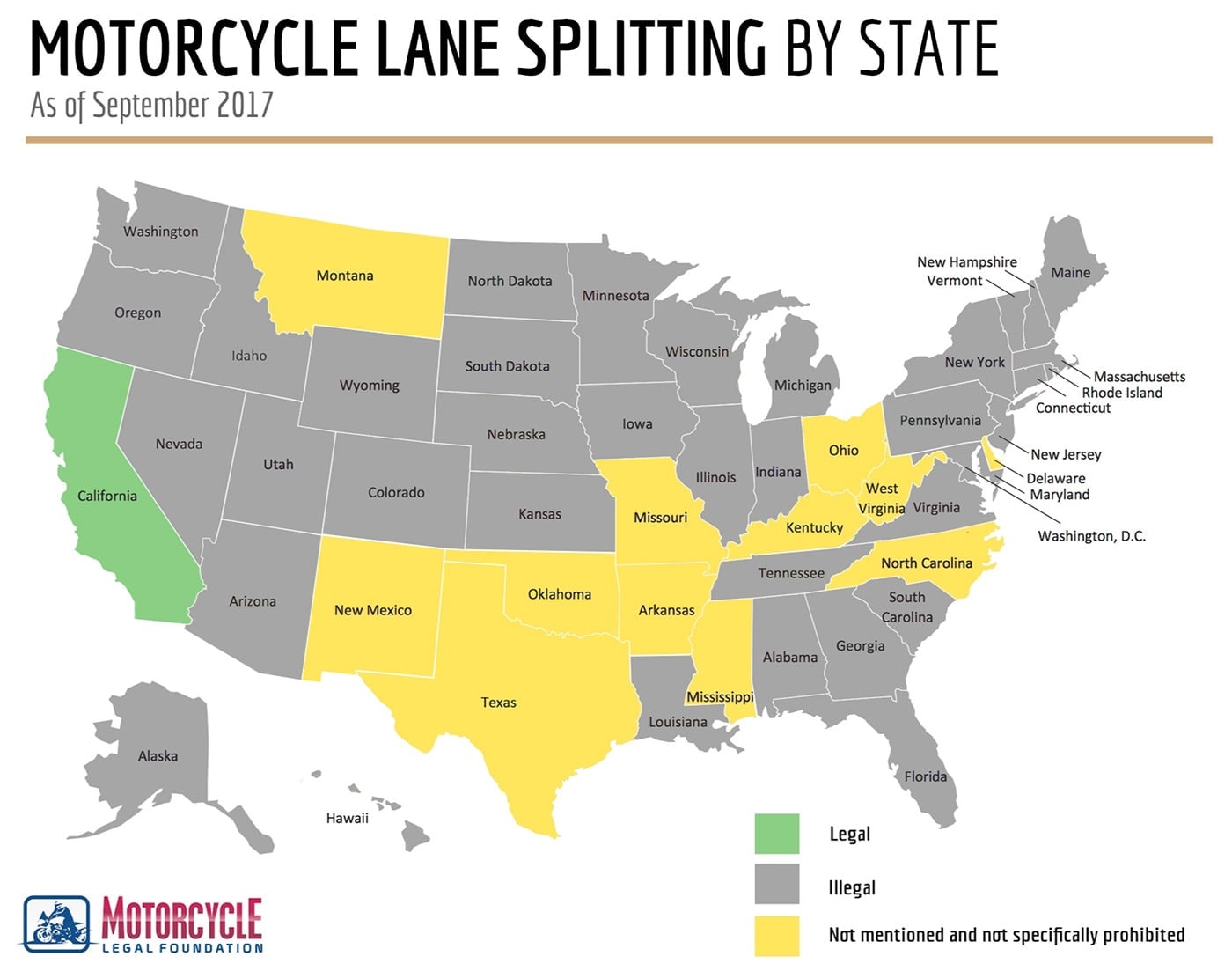
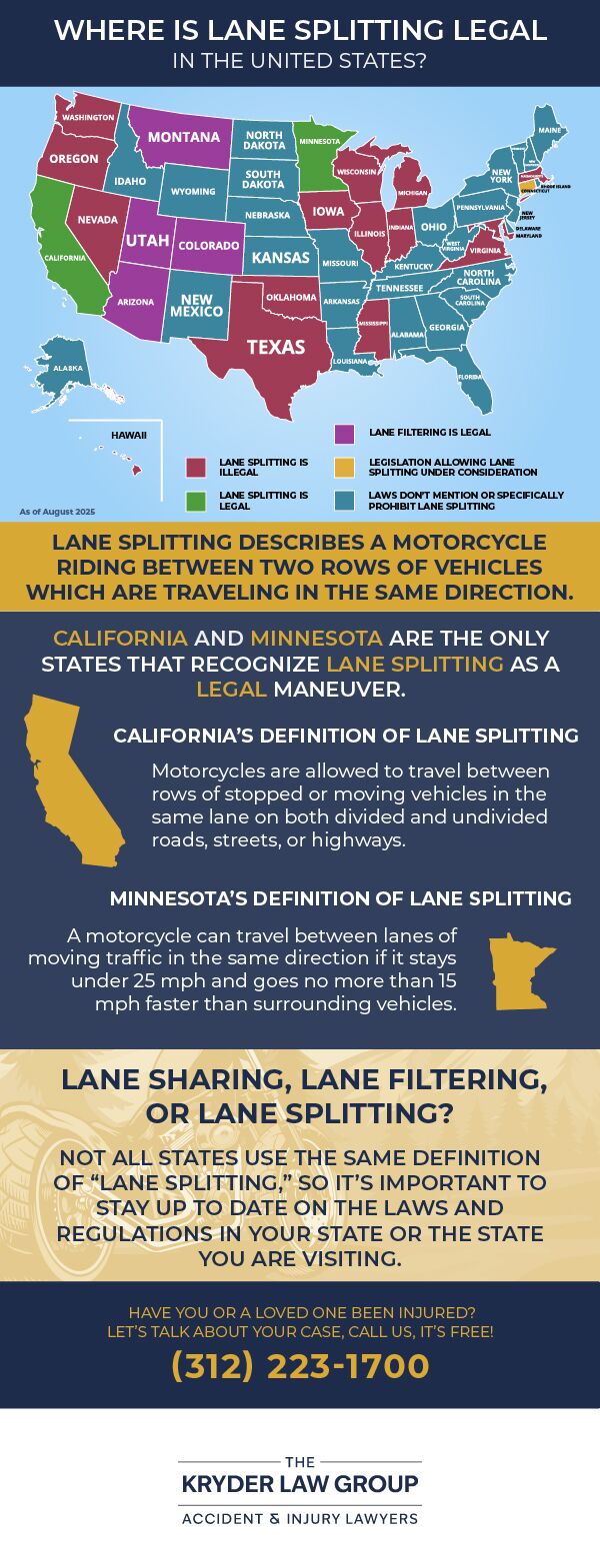
For years, the legality of lane splitting in California was a subject of considerable ambiguity, operating in a sort of legal gray area. While not explicitly prohibited, there was no specific law codifying its legality or setting clear guidelines. This lack of explicit regulation led to varied interpretations and inconsistent enforcement. However, that changed in 2016, making California the first and, currently, only U.S. state to formally legalize and regulate the practice of lane splitting. This pivotal legislative change brought much-needed clarity for motorcyclists and other road users, establishing a framework for safe and responsible execution of the practice.
A Historical Perspective on California’s Stance
Prior to 2016, the practice of lane splitting was not addressed in the California Vehicle Code. This absence of specific law meant that while it wasn’t explicitly illegal, its safety and appropriateness were often debated. The California Highway Patrol (CHP) had, for a long time, offered safety guidelines for lane splitting, which implicitly acknowledged the practice without formally legalizing it. These guidelines, while helpful, did not carry the force of law. The push for formal legalization stemmed from a recognition of several factors: the widespread practice of lane splitting by motorcyclists, its potential to alleviate traffic congestion, and a desire to improve safety by providing clear rules rather than leaving it to individual interpretation. The argument for legalization also highlighted the unique vulnerabilities of motorcyclists, particularly the risk of rear-end collisions in stopped traffic, which lane splitting can help mitigate.
What the Law Says Now: Vehicle Code 21658.1
The landmark legislation, Assembly Bill 51 (AB 51), signed into law in 2016, formally codified lane splitting into the California Vehicle Code under Section 21658.1. This statute defines lane splitting as “driving a motorcycle, as defined in Section 400, that has two wheels in contact with the ground, between stopped or moving vehicles located in the same lane, including on a divided or undivided street, road, or highway.” Crucially, the law specifies that lane splitting must be performed “in a safe and prudent manner.” While the law does not explicitly define “safe and prudent,” it empowers the California Highway Patrol to develop and publish lane splitting educational safety guidelines, which they subsequently did. This means that while lane splitting is legal, it is not an unrestricted right. Riders are expected to exercise judgment and caution, ensuring their actions do not endanger themselves or others. Factors like speed differential, lane width, and prevailing traffic conditions all play a role in determining whether a lane split is “safe and prudent.”
Safety Guidelines and Recommendations from the CHP
Following the passage of AB 51, the California Highway Patrol updated its official guidelines to reflect the new law and provide clear recommendations for safe lane splitting. These guidelines emphasize several key principles:
- Speed Differential: Motorcyclists should not lane split at speeds greater than 10 mph faster than the surrounding traffic. The faster the speed differential, the less time a rider has to react to sudden movements by other vehicles.
- Overall Speed: Lane splitting is generally safest when traffic is moving slowly. The CHP recommends that lane splitting should only be done when traffic is moving at 30 mph or less. Above this speed, the risks significantly increase.
- Lane Width: Riders should ensure there is sufficient space to safely pass between vehicles. Attempting to split narrow lanes or squeeze through tight gaps can be extremely dangerous.
- Driver Awareness: Motorcyclists should always assume that drivers may not see them. Maximizing visibility, using headlights, and wearing reflective gear are highly recommended.
- No Splitting Near On/Off Ramps or Around Large Vehicles: These areas present increased risks due to merging traffic and reduced visibility around trucks and buses.

These guidelines serve as a crucial resource for motorcyclists, offering practical advice to mitigate risks and promote responsible riding. For other drivers, understanding these recommendations can foster greater awareness and contribute to a safer road environment for everyone.
Lane Splitting and the California Travel Experience
For visitors and residents alike, California offers an unparalleled travel experience, from its iconic coastal drives to its bustling metropolitan centers. For motorcyclists, the ability to lane split adds a distinct dimension to this experience, influencing everything from travel times to how one navigates popular tourist destinations. It’s a feature of California’s road culture that impacts logistics and perception, making it an important consideration for anyone planning a trip, whether for leisure or business.
Efficiency and Time Savings for Motorcyclists
One of the most significant advantages of lane splitting for motorcyclists is the substantial time savings, particularly in areas prone to heavy traffic. Cities like Los Angeles, San Francisco, and San Diego are renowned for their congestion, and the ability to legally bypass gridlock can dramatically reduce travel times. For travelers on a tight schedule, perhaps trying to squeeze in a visit to Disneyland before a meeting in downtown LA, or trying to get from the Golden Gate Bridge to a restaurant in Sausalito, this efficiency is invaluable. It transforms what could be a frustrating crawl into a more fluid and manageable journey, making motorcycle travel a more attractive option for those who prioritize time and mobility. Furthermore, reducing time spent idling in traffic can also lead to minor fuel savings and a reduction in exhaust emissions, contributing to a slightly more eco-friendly mode of transport.
Navigating Tourist Destinations with Ease
California is home to countless world-famous tourist attractions, many of which are situated in or near heavily trafficked urban areas. Imagine trying to get to Universal Studios Hollywood or the Santa Monica Pier on a busy weekend. While cars might be bumper-to-bumper, a motorcyclist can legally and safely weave through traffic, reaching their destination more quickly. This ease of navigation extends to accessing hotel accommodations like the Grand Hyatt Hotel in San Francisco or the Beverly Wilshire, A Four Seasons Hotel in Beverly Hills, or even iconic landmarks like the Hollywood Walk of Fame or the Griffith Observatory. For motorcycle touring groups, this aspect of California law can significantly enhance their itinerary, allowing them to experience more of the state’s offerings without being unduly hampered by traffic delays. It provides a level of flexibility and spontaneity that is often elusive for those confined to a single lane.
A Unique Aspect of Californian Road Culture
Beyond the practical benefits, lane splitting has become an ingrained part of California’s road culture. For visitors from other states or countries where the practice is illegal or unknown, witnessing lane splitting can be a unique, if sometimes startling, experience. It reflects a certain pragmatism in California’s approach to traffic management and motorcycle safety. While it might initially appear aggressive to an uninitiated observer, understanding its legal basis and the safety guidelines can shift perception. For many riders, it’s not just about getting ahead, but about safely navigating congestion and being less exposed to potential rear-end collisions. This cultural aspect is something tourists, whether they are driving or riding, should be aware of, as it contributes to the distinct atmosphere of the state’s roadways. It highlights how local regulations can shape driving habits and expectations, creating a unique environment for travel and exploration.
Safety, Awareness, and Responsible Riding in the Golden State
The legality of lane splitting in California does not negate the inherent risks associated with motorcycling, nor does it excuse irresponsible behavior. In fact, due to the close proximity to other vehicles, lane splitting demands an even higher degree of awareness, skill, and responsibility from motorcyclists. For other drivers, understanding and anticipating lane-splitting motorcyclists is crucial for maintaining a safe environment for everyone. Both parties play an active role in ensuring the practice remains safe and effective, aligning with the “safe and prudent” requirement of the law.
Risks and Benefits: A Balanced Perspective
Lane splitting presents a unique set of risks and benefits that must be carefully weighed. On the benefit side, studies suggest that lane splitting can significantly reduce a motorcyclist’s risk of being involved in a rear-end collision in stop-and-go traffic. By moving through stalled lanes, riders avoid being stationary targets for inattentive drivers behind them. It can also help alleviate traffic congestion by reducing the footprint of motorcycles on the road and can lead to less wear and tear on the engine from constant stopping and starting.
However, the risks are equally significant. The primary danger lies in the reduced reaction time for both the motorcyclist and the surrounding drivers. Drivers might suddenly change lanes, open doors, or swerve without checking their mirrors for motorcycles. The limited space between vehicles increases the potential for side-swipes or collisions with car mirrors. In such scenarios, the motorcyclist, being unprotected, is highly vulnerable to serious injury. Furthermore, the practice can sometimes provoke “road rage” incidents from uninformed or frustrated drivers, adding another layer of risk. A balanced understanding acknowledges both the strategic advantages and the critical dangers, underscoring the need for extreme caution.
Tips for Motorcyclists: Prioritizing Your Safety
For motorcyclists choosing to lane split in California, adhering to best practices is paramount.
- Maintain Awareness: Always be looking several cars ahead and behind. Anticipate sudden movements from drivers.
- Control Your Speed: Strictly follow the CHP guidelines of no more than 10 mph faster than traffic, and only when traffic is 30 mph or less. Higher speeds drastically reduce reaction time.
- Ensure Visibility: Wear bright, reflective gear. Keep your headlight on, day and night. Consider using reflective tape on your helmet and bike.
- Assume You’re Invisible: Never assume drivers see you. Make eye contact if possible. Be prepared for unexpected lane changes or door openings.
- Choose Your Lanes Wisely: The far-left lane (next to the carpool lane or median) is often preferred as drivers are less likely to open a door on that side compared to the right-hand lanes. Avoid splitting near freeway on/off-ramps where merging traffic creates unpredictable movements.
- Give Space: Always allow for an escape route and avoid tight squeezes. If a gap looks too small, it probably is.
- Be Prepared to Stop: Keep your hands on your controls and be ready to brake or swerve if necessary.
Following these tips not only keeps the rider safer but also contributes to the overall legitimacy and acceptance of lane splitting as a safe practice.
Advice for Drivers: Sharing the Road Safely
For drivers in California, particularly tourists unfamiliar with the practice, understanding how to interact with lane-splitting motorcyclists is vital.
- Check Your Mirrors: Always perform a quick check of your mirrors before changing lanes or opening your door, even in stopped traffic. Motorcycles can appear seemingly out of nowhere.
- Allow Space: Avoid intentionally blocking a motorcyclist who is attempting to lane split. It is not only illegal to impede a lawful maneuver but also highly dangerous.
- Be Predictable: Avoid sudden, erratic movements. Signal your intentions clearly and well in advance.
- Maintain Your Lane: Resist the urge to drift between lanes when traffic is stopped or slow, as this reduces the space available for motorcyclists to split safely.
- Educate Yourself: Understanding that lane splitting is legal and why it is practiced can help reduce frustration and promote a safer, more harmonious road environment.
By exercising mutual respect and heightened awareness, both motorcyclists and drivers can navigate California’s roads safely, making the travel experience better for everyone.
Lane Splitting and the Broader Californian Lifestyle
Lane splitting in California is more than just a traffic maneuver; it’s intricately woven into the fabric of the state’s lifestyle, particularly for those who embrace the motorcycling culture. It influences everything from how people commute to work to how tourists explore scenic routes, embodying aspects of efficiency, freedom, and an awareness of environmental considerations. Its existence contributes to the unique character of travel and daily life within the Golden State.
Motorcycle Tourism in California: An Evolving Trend
California has long been a dream destination for motorcyclists, thanks to its stunning and varied topography, ranging from the sun-drenched beaches of Orange County to the majestic mountains of the Sierra Nevada, and iconic routes like the Pacific Coast Highway (Highway 1). The legality of lane splitting further enhances this appeal, making the state even more attractive for motorcycle tourism. Riders from around the world flock to California to experience its legendary roads, often renting bikes from various outlets to embark on epic journeys. The ability to navigate urban congestion with greater ease means more time spent enjoying picturesque landscapes like those found near Big Sur or the vineyards of Napa Valley, and less time idling. This efficiency allows for more ambitious itineraries, facilitating visits to multiple landmarks such as the Santa Barbara Mission or the Hearst Castle, all within a comfortable timeframe. For luxury travelers, this means a seamless experience from their five-star hotel to their next adventure, free from the exasperation of gridlock.
Environmental and Traffic Flow Considerations
From an urban planning and environmental perspective, lane splitting offers subtle but significant advantages. By allowing motorcycles to filter through traffic, it can reduce the overall impact of congestion. When motorcycles are not stuck in traffic, they spend less time idling, which in turn means reduced exhaust emissions. This contributes, albeit minimally, to better air quality, a constant concern in densely populated regions like the San Joaquin Valley or the Inland Empire. Furthermore, by occupying less “real estate” on the road, lane splitting can help improve traffic flow, even if marginally, as it frees up space that would otherwise be taken by a motorcycle in a full lane. While not a panacea for California’s massive traffic issues, it is recognized as one of the many strategies that contribute to more efficient use of existing road infrastructure, aligning with broader goals of sustainable urban mobility and environmental responsibility.
The Spirit of the Open Road and Californian Freedom
Ultimately, lane splitting embodies a facet of the unique spirit of freedom and innovation often associated with California. For many motorcyclists, riding is not just a mode of transport but a lifestyle choice, a declaration of independence and an embrace of the open road. The ability to legally lane split enhances this sense of freedom, allowing riders to bypass the mundane frustrations of traffic and get back to the exhilaration of the ride. It reflects a state willing to legislate a practice that, while debated, serves to improve the flow of traffic, enhance motorcyclist safety in specific conditions, and provide a unique travel advantage. Whether it’s a daily commute through Orange County or an epic journey up the Pacific Coast Highway, lane splitting remains a distinctive element of the Californian riding experience, allowing adventurers to truly embrace the freedom of the road.
Conclusion
In conclusion, the answer to “Is lane splitting legal in California?” is a resounding yes, making it a unique aspect of motorcycling and travel within the Golden State. Thanks to the passage of AB 51 in 2016, California stands alone in the U.S. for formally codifying this practice into law, complemented by clear safety guidelines from the California Highway Patrol. This legality significantly impacts the travel experience, offering motorcyclists unparalleled efficiency in navigating congested urban centers and reaching iconic tourist destinations with greater ease. From the bustling streets of Los Angeles to the scenic routes connecting cities like San Diego and San Francisco, lane splitting has become an integral part of the Californian road culture.
However, the privilege of lane splitting comes with a significant responsibility. Both motorcyclists and drivers must remain highly vigilant and adhere to safety guidelines to mitigate risks. For motorcyclists, this means exercising prudence, maintaining appropriate speeds, and maximizing visibility. For drivers, it involves increased awareness, checking mirrors diligently, and being predictable. When executed safely and responsibly, lane splitting not only saves time for riders but also contributes to better traffic flow and even minor environmental benefits.
Ultimately, lane splitting enhances the unique lifestyle of motorcycling in California, fostering a sense of freedom and efficiency that aligns with the spirit of adventure inherent in exploring this diverse state. Whether you’re planning a motorcycle tour along the Pacific Coast Highway, commuting to a business meeting, or simply enjoying the journey, understanding the nuances of lane splitting is essential for a safe, enjoyable, and distinctly Californian travel experience.
LifeOutOfTheBox is a participant in the Amazon Services LLC Associates Program, an affiliate advertising program designed to provide a means for sites to earn advertising fees by advertising and linking to Amazon.com. Amazon, the Amazon logo, AmazonSupply, and the AmazonSupply logo are trademarks of Amazon.com, Inc. or its affiliates. As an Amazon Associate we earn affiliate commissions from qualifying purchases.