
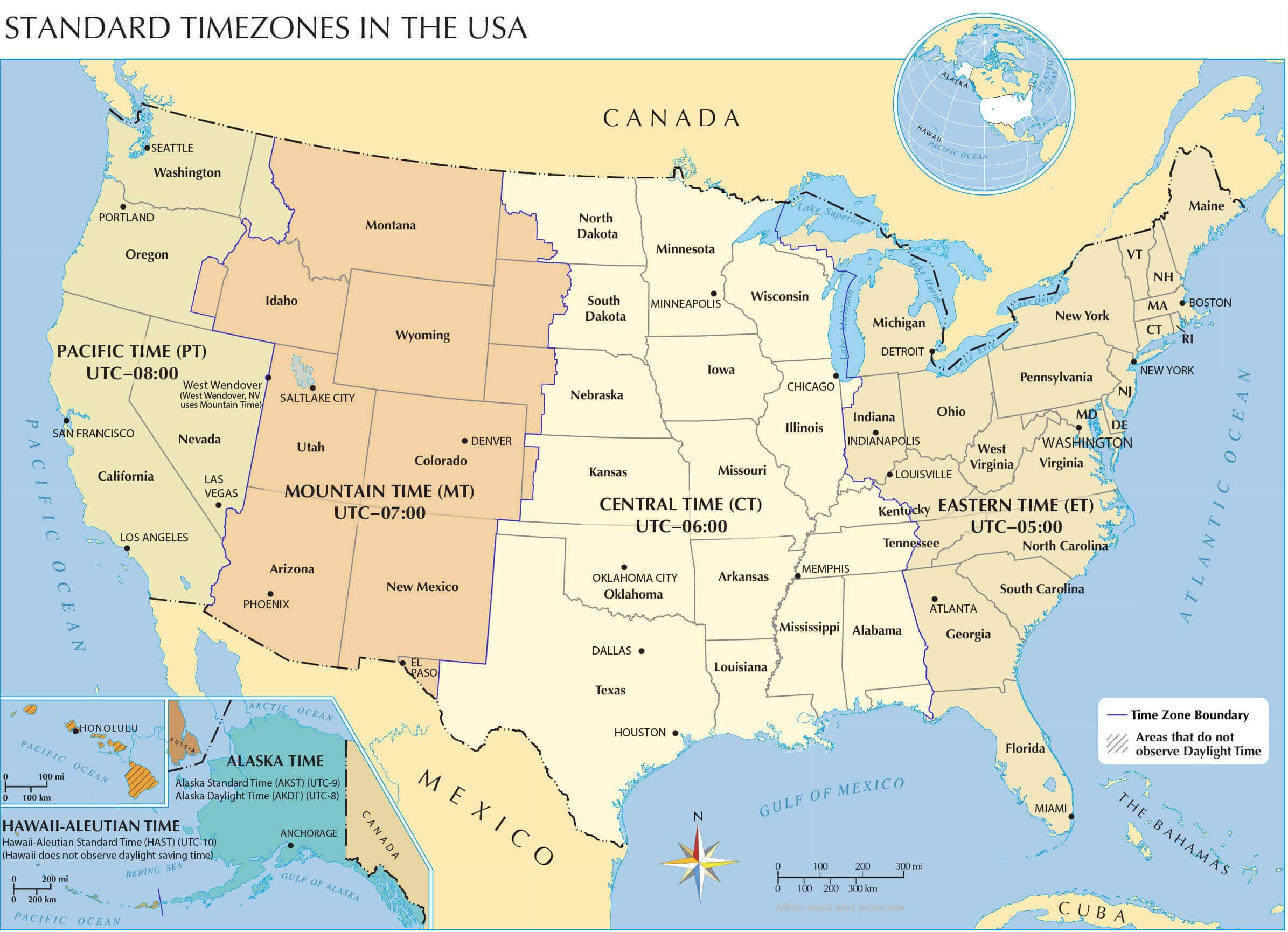
For anyone planning a trip, booking a stay, or simply curious about the rhythm of the Golden State, understanding the current time in California is an essential starting point. As a prime destination for travel, tourism, and diverse lifestyles, California operates predominantly within the Pacific Time Zone. This means it observes Pacific Standard Time (PST) for part of the year and Pacific Daylight Time (PDT) during the summer months. Currently, the time in California aligns with whichever of these two formats is in effect based on Daylight Saving rules. More specifically, during Daylight Saving Time (from the second Sunday in March to the first Sunday in November), California is on PDT, which is UTC-7. During the rest of the year, it observes PST, which is UTC-8.
But beyond a simple calculation of hours, delving into California’s time zone reveals a fascinating interplay with travel planning, luxury accommodation, cultural experiences, and the sheer joy of exploration. For globetrotters and local adventurers alike, synchronizing with California time is more than just setting your watch; it’s about optimizing your journey, ensuring seamless hotel bookings, maximizing your time at world-renowned landmarks, and immersing yourself fully in the vibrant California lifestyle. This comprehensive guide will navigate you through the intricacies of California time, providing insights into how it impacts every facet of your visit, from the moment you consider booking your flight to the unforgettable memories you create on the sun-drenched beaches or within the bustling cityscapes.
Understanding California’s Time Zone: Pacific Standard Time (PST) and Pacific Daylight Time (PDT)
At its core, California adheres to the Pacific Time Zone, a geographical region that encompasses most of the western United States and parts of Canada and Mexico. This time zone is primarily known by two acronyms: PST and PDT. Understanding the distinction between these two is crucial for any traveler.
-
Pacific Standard Time (PST): This is the official time observed during the winter months, typically from the first Sunday in November to the second Sunday in March. PST is 8 hours behind Coordinated Universal Time (UTC-8). During this period, the days are shorter, and the cooler climate blankets much of the state, though Southern California often retains its sunny disposition. Travelers visiting iconic sites like the Hollywood Walk of Fame or exploring the vineyards of Napa Valley during these months will find activities scheduled according to PST.
-
Pacific Daylight Time (PDT): Come spring, specifically on the second Sunday in March, California springs forward one hour, switching to PDT. This shift marks the beginning of Daylight Saving Time, extending the daylight into the evening. PDT is 7 hours behind Coordinated Universal Time (UTC-7). This period, stretching until the first Sunday in November, is characterized by longer, warmer days, making it a peak season for outdoor activities, beach visits to Santa Monica Pier, and extended evenings enjoying al fresco dining in cities like San Francisco or Los Angeles.
This annual transition is a vital piece of information for flight scheduling, hotel check-ins, and coordinating with tour operators. A miscalculation of even an hour can lead to missed connections, late arrivals, or a scramble to reschedule precious vacation time. Always double-check which time is currently in effect, especially when making bookings months in advance that might straddle the Daylight Saving changeover.
Navigating Time Differences Across the Globe
For international travelers or those arriving from different time zones within the United States, the time difference with California can be substantial. For example, when it’s noon in Los Angeles (PDT), it’s typically:
- 3 PM in New York City (Eastern Daylight Time, EDT)
- 8 PM in London (British Summer Time, BST)
- 9 PM in Paris (Central European Summer Time, CEST)
- 4 AM the next day in Tokyo (Japan Standard Time, JST)
- 5 AM the next day in Sydney (Australian Eastern Standard Time, AEST)
Such significant differences underscore the importance of preparation to combat jet lag. Strategies include gradually adjusting your sleep schedule a few days before departure, staying hydrated during your flight, and exposing yourself to natural light upon arrival in California to help reset your internal clock. High-end hotels and resorts throughout California are well-versed in assisting guests with jet lag, often offering amenities like blackout curtains, soothing spa treatments, and 24-hour room service to help ease the transition and ensure a restful start to your trip.
The Golden State Awaits: Planning Your California Itinerary with Time in Mind
Effective time management is the bedrock of a successful California adventure. Given the state’s vast geographical expanse and diverse offerings, from sun-drenched beaches to snow-capped mountains and bustling metropolises, a well-planned itinerary synchronized with local time can elevate your experience from good to extraordinary. Whether you’re interested in luxury travel, a budget-friendly family trip, or a focused business stay, considering the clock is paramount for maximizing your enjoyment of California’s attractions, dining, and vibrant culture.
Destinations and Attractions: Making the Most of Every Hour
California is a treasure trove of iconic destinations, each with its own rhythm and optimal visiting times. Knowing the current California time helps you plan your day around peak hours, opening times, and the best light for photography.
-
Southern California: In Los Angeles, early mornings are ideal for beating traffic to major attractions like [Universal Studios Hollywood](https://lifeoutofthebox.com/universal-studios- hollywood) or the Griffith Observatory. Visiting Disneyland Park in Anaheim often requires arriving before opening to make the most of the day, with evening parades and fireworks perfectly capping off a day under the California sky. In San Diego, planning your visit to the San Diego Zoo or Balboa Park early allows you to avoid the midday heat and crowds, leaving evenings open for strolls along the Gaslamp Quarter or enjoying the sunset over the Pacific Ocean from La Jolla.
-
Northern California: San Francisco demands a keen eye on the clock, particularly for popular spots. Catching the first ferry to Alcatraz Island or walking across the Golden Gate Bridge at sunrise offers unparalleled views and fewer crowds. Exploring the vineyards of Napa Valley or Sonoma Valley is best done with pre-booked tasting tours, which adhere strictly to schedules. For nature enthusiasts, visiting Yosemite National Park or Redwood National and State Parks requires early starts to secure parking and enjoy the serene beauty before the influx of visitors.
Understanding attraction operating hours in California time is non-negotiable. Many museums, theme parks, and national parks have specific opening and closing times that fluctuate seasonally. Always check official websites or use reliable travel guides to confirm schedules, especially if your visit coincides with holidays or the Daylight Saving Time transition.
Accommodation and Booking: Synchronizing Your Stay
The world of accommodation in California is as diverse as its landscape, ranging from opulent five-star hotels to cozy boutique guesthouses and convenient vacation rentals. Regardless of your preference, synchronizing your booking and arrival with California time is paramount for a smooth experience.
When booking flights and hotels from a different time zone, always confirm that the times displayed on your confirmations reflect local California time. This is particularly vital for international flights, where departure and arrival times can often be confusingly presented in local time of the origin and destination. A hotel’s check-in time (e.g., 3 PM PST/PDT) and check-out time (e.g., 11 AM PST/PDT) are rigid, and understanding these can save you from unexpected charges or delays.
Consider booking platforms like Booking.com or Expedia, which typically display times adjusted to your local settings, but it’s always wise to cross-reference with the hotel’s direct information. For luxury resorts such as the Waldorf Astoria Beverly Hills or a Four Seasons Hotels and Resorts property, concierges are adept at assisting guests with time-related queries, from arranging early check-ins to advising on optimal times for spa appointments or dinner reservations. Similarly, if you’re opting for a long-term stay in an Airbnb apartment or a private villa, clear communication with your host about your estimated arrival time in California time is essential for a seamless handover of keys and access instructions.
Business travelers, in particular, must be meticulous about time. Scheduling meetings, attending conferences, and coordinating with colleagues across different time zones necessitates a clear understanding of California’s current time. Many business hotels in cities like San Francisco (the heart of Silicon Valley) and Los Angeles offer advanced clock systems and wake-up services to ensure guests stay on schedule.
Embracing the California Lifestyle: Time, Culture, and Experiences
Beyond the practicalities of planning, understanding California time also means appreciating the unique rhythm of life that defines the Golden State. The California lifestyle is often associated with a laid-back attitude, but beneath this relaxed veneer lies a dynamic energy that pulses through its cities and natural landscapes from sunrise to well past sunset.
Food and Dining: Culinary Adventures Around the Clock
California’s culinary scene is world-renowned for its freshness, diversity, and innovation. The time of day significantly influences the dining experiences available, reflecting different aspects of the local culture.
- Breakfast & Brunch: California excels in the breakfast and brunch department. From vibrant cafes in Silver Lake to upscale brunch spots in Beverly Hills, mornings are a ritual. Many popular eateries, especially on weekends, see long queues starting as early as 8 AM, so timing your arrival can save you considerable waiting.
- Lunch: Midday meals can range from quick and healthy options at a farmers market in Santa Monica to leisurely business lunches in Downtown San Francisco. Food trucks, a staple of the California culinary landscape, typically operate during lunch hours in various city districts, offering a taste of diverse global cuisines.
- Dinner & Nightlife: Dinner is where California truly shines, with Michelin-starred restaurants in San Francisco and gourmet experiences in Los Angeles opening their doors typically from 5 PM or 6 PM. Happy hour, a beloved tradition, usually runs from 4 PM to 7 PM in many bars and restaurants, providing a perfect transition from a day of sightseeing to an evening of culinary delight. Nightlife in areas like West Hollywood or the Gaslamp Quarter often kicks off after 9 PM and can continue into the early hours, offering everything from live music to sophisticated cocktail lounges.
Activities and Entertainment: From Sunrise to Sunset
The diverse landscapes and metropolitan hubs of California offer a plethora of activities tailored to every hour of the day. Your understanding of local time allows you to seamlessly transition from one experience to the next.
- Morning Adventures: Start your day early with a surf lesson in Malibu as the sun rises over the Pacific Ocean, or embark on an invigorating hike through Runyon Canyon Park for panoramic views of Los Angeles. The cooler morning temperatures are also ideal for exploring desert landscapes in Palm Springs or Death Valley National Park.
- Daytime Exploration: Midday can be spent exploring world-class museums like The Getty Center or the California Academy of Sciences in San Francisco, enjoying the rides at Knott’s Berry Farm, or leisurely shopping on Rodeo Drive in Beverly Hills. For those seeking nature, a scenic drive along Highway 1 through Big Sur offers breathtaking coastal vistas, best enjoyed during daylight hours. Skiing or snowboarding at [Lake Tahoe](https://lifeoutofthebox.com/lake- tahoe) also requires careful planning around daylight hours during winter.
- Evening Entertainment: As dusk settles, California transforms. Catch a live show at the Hollywood Bowl, attend a concert at the Greek Theatre, or enjoy a sophisticated night out in the wine country of Healdsburg. Sports enthusiasts can cheer on their favorite teams at a Los Angeles Lakers game at the Crypto.com Arena or a San Francisco Giants game at Oracle Park.
The concept of “California time” often implies a certain relaxed approach to punctuality among locals, a gentle reminder that while schedules are important, there’s also an invitation to slow down and savor the moment. However, for a visitor, this should not translate into a disregard for official timings. Instead, it’s about finding a balance: being well-prepared with your itinerary while also allowing flexibility for spontaneous discoveries and embracing the unique pace of the Golden State.
In conclusion, knowing “What is the California time now?” is far more than a simple query about hours and minutes. It’s the key to unlocking an enriching and stress-free travel experience across one of the world’s most dynamic destinations. From coordinating flights and hotel bookings to experiencing world-class attractions and indulging in the vibrant local lifestyle, a clear understanding of the Pacific Time Zone, including its PST and PDT variations, empowers you to craft an unforgettable journey. So, set your watch, immerse yourself in the rhythm of California, and prepare to explore everything this incredible state has to offer, exactly on time.
LifeOutOfTheBox is a participant in the Amazon Services LLC Associates Program, an affiliate advertising program designed to provide a means for sites to earn advertising fees by advertising and linking to Amazon.com. Amazon, the Amazon logo, AmazonSupply, and the AmazonSupply logo are trademarks of Amazon.com, Inc. or its affiliates. As an Amazon Associate we earn affiliate commissions from qualifying purchases.