
The question “What Is Time In California?” extends far beyond a simple clock reading. For the intrepid traveler, the astute businessperson, or anyone planning a visit to the Golden State, understanding California’s relationship with time is fundamental to unlocking an exceptional experience. It encompasses not just the official time zone, but also the rhythms of daily life, the optimal moments to explore iconic landmarks, the nuances of booking accommodations, and how to immerse oneself in the distinctive lifestyle that defines this vibrant part of the United States. From the bustling metropolises of Los Angeles and San Francisco to the serene landscapes of Yosemite National Park and the sun-drenched beaches of San Diego, every aspect of your Californian adventure is subtly, yet significantly, influenced by the clock.
This guide delves into the multifaceted concept of time in California, offering insights for planning, travel, tourism, and maximizing every precious moment. Whether you’re chasing the perfect sunset, securing a prime dining reservation, or navigating a cross-country business call, grasping California’s temporal pulse is your key to a seamless and unforgettable journey.
Understanding California’s Time Zone: Pacific Standard Time (PST) & Pacific Daylight Time (PDT)
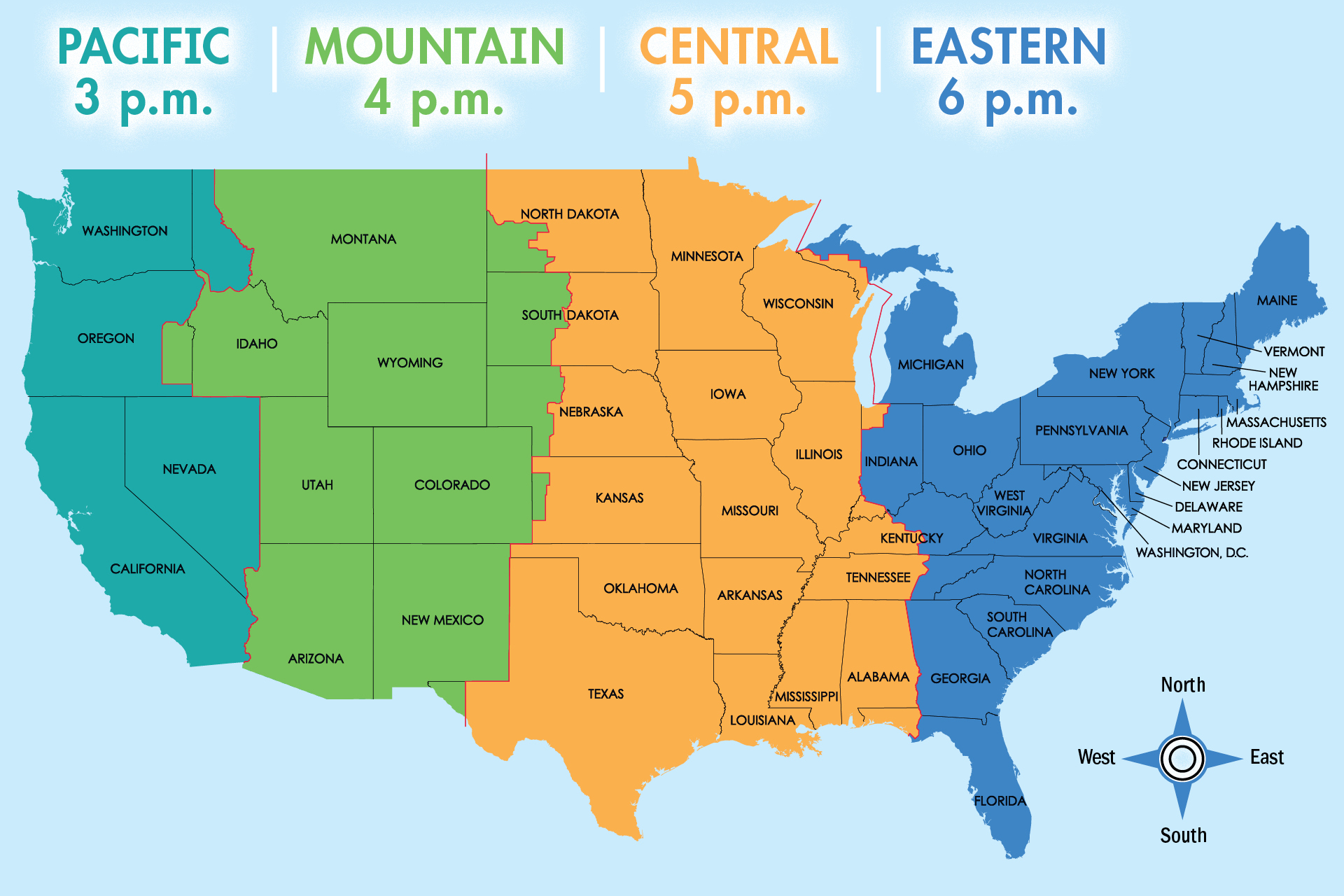
At its core, “What is time in California?” refers to its official time zone. California primarily operates on Pacific Standard Time (PST), which is UTC-8 during the winter months. However, like much of the United States, California observes Daylight Saving Time, transitioning to Pacific Daylight Time (PDT), or UTC-7, typically from the second Sunday in March to the first Sunday in November. This shift means that clocks spring forward an hour in March and fall back an hour in November.
For travelers, this biannual adjustment can be a critical detail. Arriving in March or April from outside the Pacific time zone, or departing in October or November, requires an awareness of these changes to avoid missed flights, late check-ins, or confusion with scheduled activities. It’s always prudent to confirm local time and daylight saving practices when planning your trip, especially if your visit straddles these transition periods. Reputable hotels and accommodation providers will always operate on the correct local time, but personal devices might need manual adjustment if not set to automatic time zone updates.
The impact of PST/PDT extends across the entire state, from the northern redwood forests near the Oregon border down to the bustling desert oasis of Palm Springs and the vibrant southern border city of San Diego. There are no internal time zone variations within California, simplifying statewide travel but emphasizing the need to synchronize with the Pacific clock, particularly for those arriving from different time zones like Eastern Standard Time (EST) or Central Standard Time (CST).
Navigating Time Differences: A Traveler’s Guide to California
Managing time differences is an art form for the modern traveler. When journeying to California, understanding and adapting to PST/PDT is crucial for a smooth and enjoyable experience, impacting everything from your physical well-being to your meticulously planned itinerary.
Planning Your Arrival and Departure
The most immediate effect of time differences is jet lag. Flying from the East Coast of the United States or international destinations means adjusting to a significant time shift. For example, moving from EST (UTC-5) to PST (UTC-8) means gaining three hours, which can disrupt sleep patterns and energy levels. Strategies like gradually shifting your sleep schedule a few days before departure, staying hydrated, avoiding excessive caffeine and alcohol on flights, and exposing yourself to natural light upon arrival in California can help mitigate jet lag. Hotels like the Waldorf Astoria Beverly Hills or Ritz-Carlton properties across the state often offer luxurious amenities designed to aid relaxation and recovery, from blackout curtains to tranquil spa services, which can be invaluable in overcoming the initial fatigue.
Furthermore, flight schedules are entirely dictated by local time. Always double-check arrival and departure times in PST/PDT to ensure you don’t miss connections or misjudge airport transfer times. When booking accommodation, consider flight arrival times relative to standard hotel check-in hours, typically mid-afternoon. If you’re arriving early, inquire about early check-in options or luggage storage to begin exploring immediately.
Synchronizing Your Itinerary
Every attraction, restaurant, and tour in California operates on the local time. Miscalculating this can lead to disappointment. Imagine arriving at Disneyland Park an hour late due to a time zone miscalculation, missing crucial early entry benefits, or finding that your reservation at a coveted Napa Valley winery has been canceled.
- Attraction Hours: Iconic spots like Universal Studios Hollywood, the Golden Gate Bridge visitor center, and Hearst Castle all have specific opening and closing times. Plan your visits meticulously, factoring in travel time between destinations, especially in sprawling cities like Los Angeles where traffic can be a significant time sink.
- Dining Reservations: California’s culinary scene is world-class, with many popular restaurants requiring advance reservations. Ensure you’re booking for the correct local time and arrive punctually. “Happy hour” specials, a popular lifestyle trend, are also time-sensitive.
- Tour Timings: Whether it’s a whale-watching tour off the coast of Monterey, a wine tasting tour in Sonoma, or a guided hike in Big Sur, scheduled tours depart promptly. Always aim to arrive early to check in and avoid missing your slot.
Business Travel and Remote Work Considerations
For business travelers or digital nomads, managing time zones in California is even more critical. Meetings with colleagues or clients in different parts of the country or the world require careful scheduling. A 9 AM PST meeting is 12 PM EST, 5 PM GMT, and potentially the middle of the night in Asia. Businesses utilizing flexible work arrangements may find themselves coordinating across multiple time zones. Many Hilton and Marriott properties in major California cities offer dedicated business centers, high-speed internet, and quiet workspaces to facilitate these international connections. Planning your work schedule to align with crucial overlap hours can significantly enhance productivity and communication, ensuring that valuable business opportunities are not lost to a simple miscalculation of time.
Maximizing Your California Experience Across the Clock
California offers a myriad of experiences, each best enjoyed at specific times of the day. Understanding the rhythm of the state allows you to curate an itinerary that leverages daylight, evening ambiance, and regional characteristics.
Morning Adventures and Early Bird Excursions
California mornings often present crisp air and fewer crowds, ideal for a range of activities.
- Sunrise Hikes: Witnessing the sunrise from Griffith Observatory in Los Angeles or a coastal trail in Santa Barbara offers breathtaking views and a tranquil start to the day.
- Breakfast Spots: Embrace California’s vibrant brunch culture, from farm-to-table cafes in Sacramento to trendy eateries in San Francisco. Getting an early start can help you beat the rush at popular spots.
- Theme Park Entry: Arriving at theme parks like Disneyland or Universal Studios Hollywood right at opening allows you to experience popular rides with shorter queues, maximizing your ticket value.
- Beach Walks: Enjoy the quiet beauty of California’s coastline, like Santa Monica Pier, before the midday crowds descend, perfect for a peaceful stroll or an invigorating jog.
Afternoon Exploration and Leisure
Midday in California is ideal for exploring museums, galleries, and indulging in shopping or beach relaxation.
- Cultural Institutions: Spend afternoons immersed in art at the Getty Center or history at the California Academy of Sciences.
- Shopping: Explore the boutiques of Beverly Hills or the unique shops in San Francisco’s Mission District.
- Beach Time: The sun is usually at its peak, making it perfect for sunbathing, swimming, or surfing along the Central Coast. Remember sun protection, especially between 10 AM and 4 PM.
Evening Entertainment and Nightlife
As the sun sets, California transforms into a hub of evening activities and vibrant nightlife.
- Sunset Views: Iconic locations like the Santa Monica Pier, the cliffs of La Jolla, or the Golden Gate Bridge offer spectacular sunset vistas.
- Dining Experiences: Enjoy world-class cuisine, from Michelin-starred restaurants in Los Angeles to cozy bistros in San Francisco. Late-night dining options are abundant in major cities.
- Live Performances: Catch a show at the Hollywood Bowl, a play in the Theater District of San Francisco, or live music in any of California’s vibrant urban centers.
- Stargazing: Away from city lights, places like Joshua Tree National Park or Death Valley National Park offer unparalleled opportunities for stargazing, a truly magical end to any day.
The Rhythms of California’s Diverse Regions
California’s vastness means different regions have slightly different daily rhythms.
- Southern California’s Pace: Southern California often embodies a more relaxed, sun-drenched pace, with longer evenings spent outdoors. Beach cities exemplify a laid-back lifestyle, while Los Angeles maintains a constant hum of activity.
- Northern California’s Bustle: Northern California, especially San Francisco, can feel a bit more brisk and business-oriented during weekdays, though its evenings offer a sophisticated urban scene.
- Wine Country’s Schedule: In Napa Valley and Sonoma, tasting room hours are specific, often closing mid-to-late afternoon, making early planning essential.
- Mountain and Desert Timings: In areas like Lake Tahoe or the Mojave Desert, activities are heavily influenced by natural light and weather conditions. Ski resorts operate on daylight hours, while desert explorations are often best at cooler times of day, like sunrise or sunset.
Time and Accommodation: Making the Most of Your Stay
The choice of accommodation and how you interact with its services are also intertwined with time. Whether you’re staying in a luxury resort, a boutique hotel, or a cozy vacation apartment, understanding the temporal rules can significantly enhance your comfort and convenience.
Check-in/Check-out Times and Early Arrivals/Late Departures
Standard check-in times in California hotels are typically between 3:00 PM and 4:00 PM PST/PDT, while check-out is usually around 11:00 AM or 12:00 PM. If your flight arrives early, inquire about early check-in. Many hotels will try to accommodate if rooms are available, especially for loyalty program members. Otherwise, they almost always offer luggage storage, allowing you to head out and explore without being burdened by bags. Similarly, for late flights, a late check-out might be available for an extra fee, or at the very least, you can store your luggage and enjoy the hotel’s common amenities or continue your tourism activities until your departure. Resorts like the Four Seasons often have lounge areas, spas, and restaurants that can be utilized during these transition periods.
Booking Strategies Across Time Zones
When booking flights and hotels from a different time zone, always verify the time zone of the booking platform and the property. What appears to be a good deal might be misleading if you’re not factoring in the actual local time. For example, a “24-hour flash sale” might expire earlier than anticipated if you’re on EST. Setting reminders in California time can help you snag the best deals for flights, hotel suites, or villas. Furthermore, popular travel times, such as holidays or major events like the Coachella Valley Music and Arts Festival or the Academy Awards, necessitate booking well in advance, irrespective of your home time zone, as California hotels fill up quickly.
Utilizing Hotel Amenities
Your internal clock, especially if suffering from jet lag, might not align with standard hotel operating hours. A 24-hour gym can be a lifesaver for an early morning workout when your body still thinks it’s midday back home. Many hotels now offer round-the-clock room service, providing flexibility for meals outside traditional dining times. If you’re staying at a resort with a spa or pool, be mindful of their specific operating hours to plan your relaxation time effectively. Understanding these timings can allow you to make the most of your stay, catering to your personal schedule rather than being entirely dictated by the local clock.
Experiencing California’s Lifestyle: Time as a Cultural Element
Beyond the practicalities, time in California is also a cultural element, influencing everything from social customs to regional variations in daily life. Embracing these temporal nuances can deepen your immersion in the local culture.
The Laid-Back Pace of Southern California vs. Northern California’s Bustle
While both parts of the state adhere to PST/PDT, the perception and utilization of time can differ. Southern California, particularly its beach cities and Palm Springs, often exudes a more relaxed, “California casual” vibe. People might seem less rushed, and activities like lingering over brunch or extended beach days are common. In contrast, Northern California, especially around San Francisco and Silicon Valley, can feel more fast-paced and geared towards innovation and business. Understanding these subtle differences can help travelers adjust their expectations and pace, whether they’re seeking a tranquil escape or an energetic urban adventure.
Seasonal Timings and Events
California’s diverse climate means that the “best time” to visit for certain activities or regions varies significantly.
- Ski Season: Lake Tahoe and other Sierra Nevada resorts are bustling from late fall through spring.
- Beach Season: The coastal areas are most popular in summer, though Southern California beaches are enjoyable year-round.
- Wine Harvest: Napa Valley experiences its peak “crush season” in late summer and early fall, offering unique tourism experiences.
- Desert Exploration: Death Valley National Park and Joshua Tree National Park are best visited in the cooler months, avoiding extreme summer heat.
Knowing the optimal seasonal timing ensures you align your visit with your desired experiences, from wildflowers in spring to fall foliage in the mountains.
Culinary Timings
Food is a cornerstone of California’s culture, and specific culinary timings are part of the local lifestyle.
- Brunch Culture: A leisurely brunch, especially on weekends, is a beloved California tradition. Many establishments offer extensive brunch menus until mid-afternoon.
- Happy Hour: From late afternoon to early evening, “happy hour” specials are a popular social ritual across the state, offering discounted drinks and appetizers.
- Late-Night Dining: In major cities, late-night eateries cater to those enjoying the nightlife or just having a later dinner, reflecting a flexible approach to meal times.
Embracing these temporal food customs allows for a more authentic and enjoyable culinary experience while on your travels.
Conclusion
“What is time in California?” is a question with many layers. On the surface, it’s about Pacific Standard Time and Pacific Daylight Time. Delve deeper, and it becomes a crucial element of effective travel planning, smart accommodation choices, and enriching tourism experiences. From overcoming jet lag to synchronizing your itinerary with local rhythms, understanding California’s clock is paramount. It influences when you can hike the majestic trails of Yosemite National Park, when you can enjoy a leisurely brunch in San Francisco, or when you must attend a critical business meeting with colleagues across continents.
By paying attention to these temporal details, travelers can unlock the full potential of their Californian adventure, transforming a simple trip into a masterfully orchestrated journey. The Golden State awaits, ready to be explored at your own well-timed pace, ensuring every moment is cherished and every experience is truly unforgettable.
LifeOutOfTheBox is a participant in the Amazon Services LLC Associates Program, an affiliate advertising program designed to provide a means for sites to earn advertising fees by advertising and linking to Amazon.com. Amazon, the Amazon logo, AmazonSupply, and the AmazonSupply logo are trademarks of Amazon.com, Inc. or its affiliates. As an Amazon Associate we earn affiliate commissions from qualifying purchases.