
For travelers and residents alike, understanding “What Time California?” goes far beyond a simple glance at a clock. It’s about grasping the rhythm of a diverse state, from its bustling metropolises to its serene natural landscapes. California, a land of innovation, stunning coastlines, and iconic landmarks, operates on a singular time zone that dictates everything from global business dealings to the best moments to catch a sunset over the Pacific Ocean. This guide will delve into the intricacies of California’s time, its practical implications for travel and tourism, and how it shapes the vibrant lifestyle found across the Golden State. Whether you’re planning a vacation, a business trip, or considering a long-term stay, knowing the time in California is your first step to an unforgettable experience.
Understanding California’s Time Zone: Pacific Standard and Daylight Time
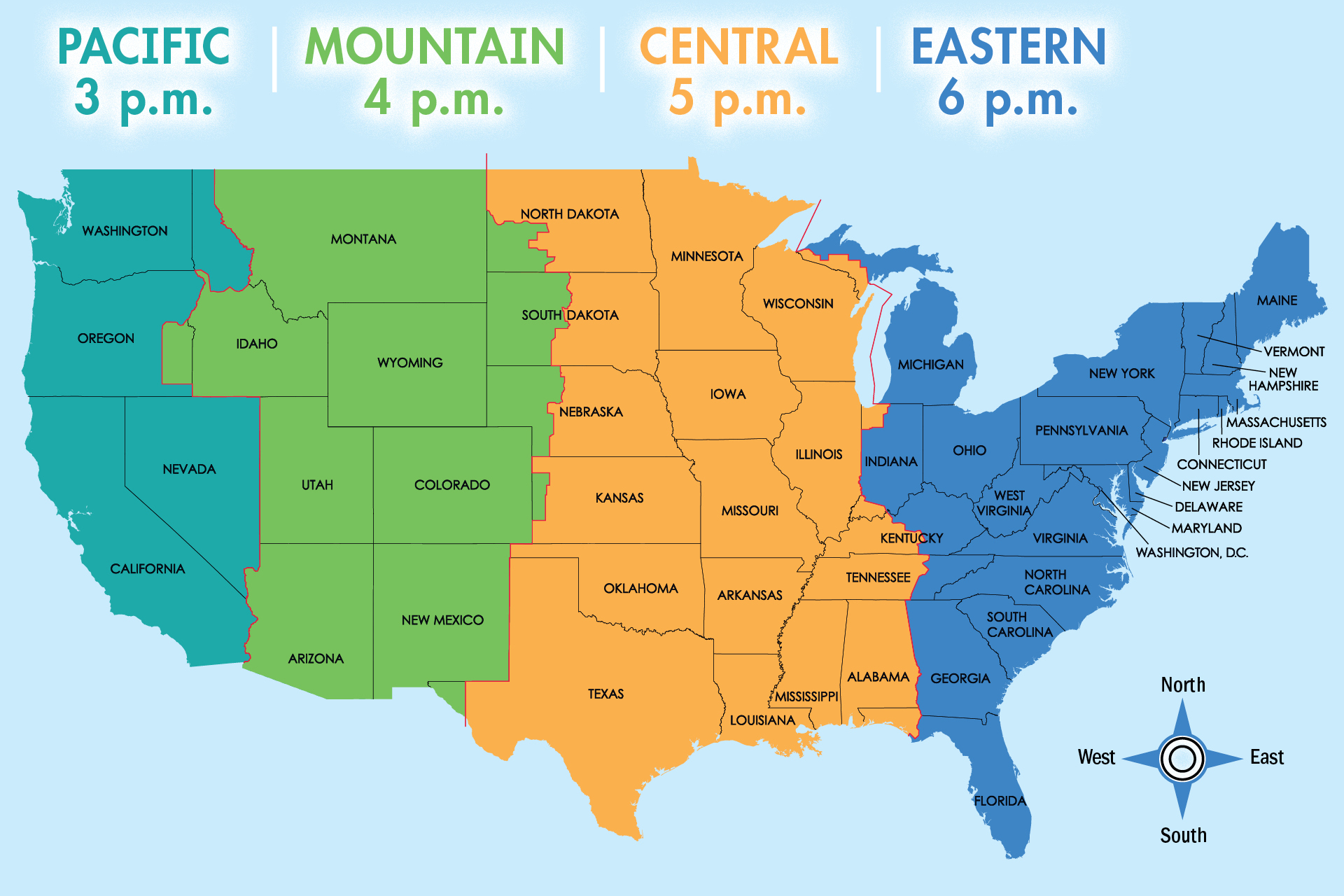
At its core, all of California adheres to one primary time zone, simplifying schedules across its vast and varied geography. This consistency is a blessing for those exploring the state, removing the need to constantly adjust watches as you travel from north to south or east to west.
The Pacific Time Zone Explained
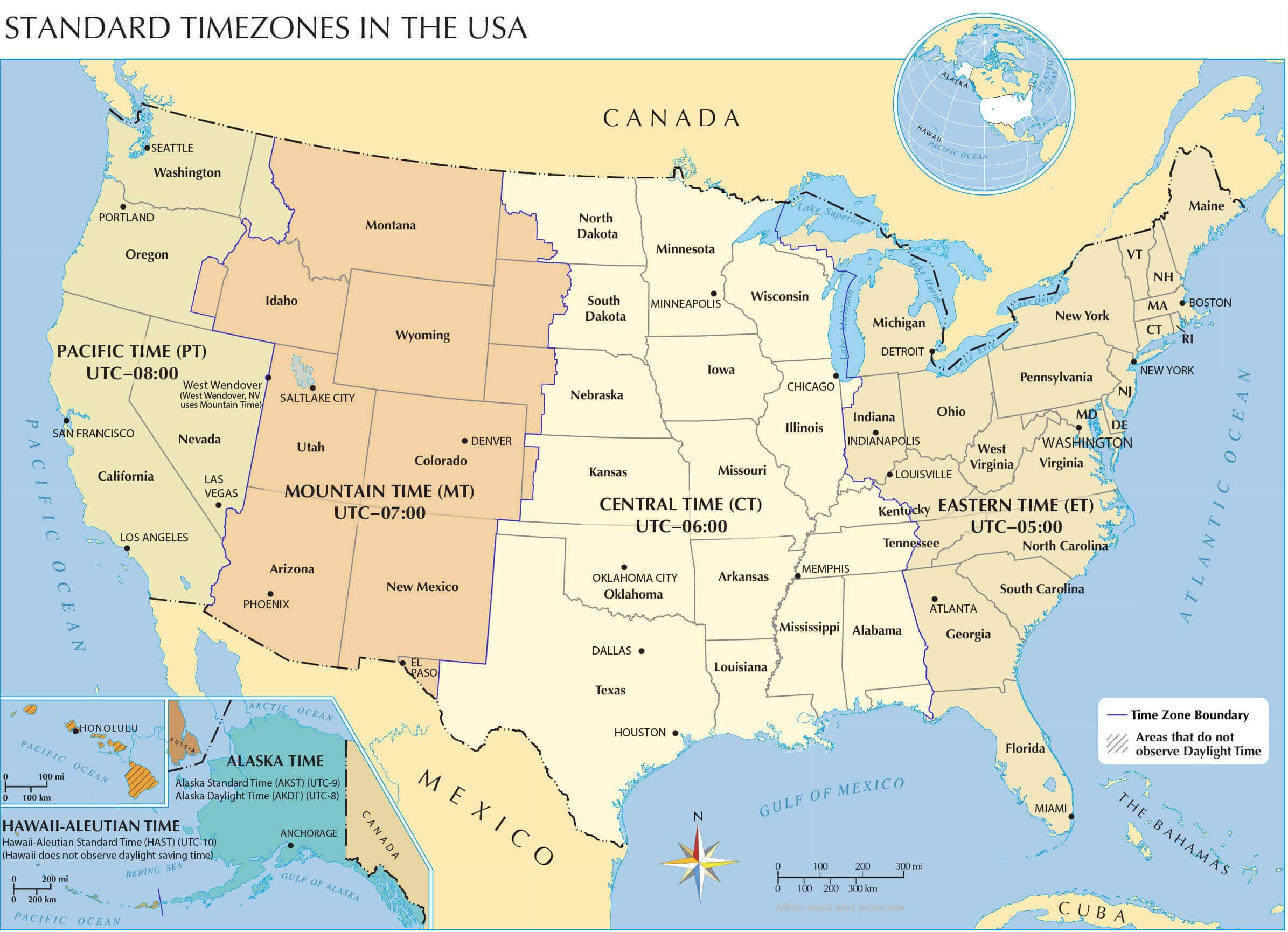
California observes the Pacific Time Zone (PT), which transitions between Pacific Standard Time (PST) during the fall and winter months, and Pacific Daylight Time (PDT) in the spring and summer. Pacific Standard Time is UTC-8, meaning it is eight hours behind Coordinated Universal Time. When daylight saving time begins, typically in early March, clocks spring forward an hour, shifting to Pacific Daylight Time (UTC-7). This change maximizes daylight hours during the warmer seasons, allowing for longer evenings to enjoy outdoor activities and attractions. The shift back to Pacific Standard Time occurs in early November, when clocks fall back an hour. For international travelers, understanding this distinction is crucial for scheduling flights, confirming hotel check-in times, and coordinating meetings or calls with contacts in different parts of the world, whether in Europe or Asia. Even domestic visitors from states like Texas or Florida will need to adjust their internal clocks by two or three hours, respectively, upon arrival.
Geographical Consistency Across the State
Unlike some larger states that span multiple time zones, California’s single time zone ensures seamless planning. From the northern redwood forests to the southern deserts, and from the bustling urban centers of Los Angeles and San Francisco to the state capital of Sacramento, everyone operates on the same clock. This uniformity is a significant advantage for those undertaking extensive road trips through the state, perhaps from San Diego up to Napa Valley or from the beaches of Malibu to the high Sierra Nevada mountains around Lake Tahoe. It eliminates any confusion about local times, making it easier to synchronize travel plans, accommodation bookings, and activity schedules without the added complexity of time zone changes within state borders. This straightforward approach allows visitors to focus on the rich experiences California has to offer, rather than constantly performing mental arithmetic for local time.
The Practicalities of Time for California Travelers
Time management takes on a new dimension when traveling to California, especially for those crossing multiple time zones. From battling jet lag to optimizing your itinerary, understanding the practical implications of California’s time is key to a smooth and enjoyable trip.
Planning Your Arrival and Departure
For international visitors or those arriving from the East Coast of the United States, jet lag can be a significant hurdle. When flying into major hubs like Los Angeles International Airport (LAX) or San Francisco International Airport (SFO), anticipating the time difference is crucial. Experts recommend adjusting your sleep schedule gradually before departure, staying hydrated during your flight, and exposing yourself to natural sunlight upon arrival to help reset your circadian rhythm. Planning an early evening arrival can help you settle into your accommodation and potentially get a full night’s sleep closer to local time. Similarly, when departing, factor in the time difference for your return journey to avoid scheduling important commitments too soon after landing back home. Efficient arrival and departure planning ensures you start and end your California adventure feeling refreshed and ready for whatever comes next, rather than battling fatigue.
Navigating Attraction Hours and Event Schedules
California’s diverse array of attractions and activities often have varying operating hours, and these can sometimes be influenced by the time of year, especially during Pacific Daylight Time when evenings are longer. Theme parks like Disneyland in Anaheim and Universal Studios Hollywood in Los Angeles typically extend their hours during peak seasons and summer months to take advantage of the extended daylight. Museums such as The Getty Center in Los Angeles or the California Academy of Sciences in San Francisco often have specific opening and closing times that require pre-booking, especially for timed entry slots.
For outdoor excursions to natural wonders like Yosemite National Park or Joshua Tree National Park, understanding sunrise and sunset times is vital for planning hikes and ensuring safety. Similarly, reserving tables at popular restaurants, booking tickets for Broadway shows at the Pantages Theatre, or attending a concert requires checking local times well in advance. Always consult official websites for the most up-to-date information on operating hours and event schedules to avoid disappointment and make the most of your valuable time in California.
Time and the California Lifestyle: From Sunrise to Sunset
The rhythmic ebb and flow of time in California dictates more than just schedules; it shapes the very essence of the Golden State’s lifestyle. From the tranquil beginnings of a coastal morning to the vibrant energy of a metropolitan evening, each part of the day offers distinct experiences that define the California dream.
Early Mornings: Coastal Serenity and Urban Bustle
As the sun begins its ascent over the mountains to the east, casting a golden glow across the land, California awakens with a characteristic blend of tranquility and industriousness. Along the coast, the early hours offer unparalleled serenity, whether it’s watching surfers catch the first waves in Malibu or enjoying a peaceful stroll along the beach in Santa Monica before the crowds arrive. These moments provide a perfect opportunity for quiet reflection or an invigorating start to the day. Inland, in cities like San Francisco, the aroma of freshly brewed coffee permeates the air, particularly in neighborhoods like the Mission District, signaling the start of the urban bustle. Early morning hikes are a popular lifestyle choice, with trails in Griffith Park or Runyon Canyon in Los Angeles offering stunning city views and a healthy start before the heat of the day fully sets in. For many Californians, these early hours are a cherished time to connect with nature, engage in personal well-being, or simply enjoy the quiet before the full swing of the day.
Golden Afternoons: Exploring Landmarks and Indulging in Culture
As the day progresses into the golden hours of the afternoon, California truly comes alive with opportunities for exploration and cultural immersion. This is an ideal time to visit iconic landmarks, benefiting from good natural light for photography and often milder temperatures. Imagine strolling across the magnificent Golden Gate Bridge in San Francisco, or taking a ferry to Alcatraz Island for a dive into history. In Los Angeles, the afternoon is perfect for seeking out your favorite stars on the Hollywood Walk of Fame or exploring the vibrant arts scene. For those seeking culinary delights and relaxation, afternoons in regions like Napa Valley and Sonoma County are dedicated to wine tasting tours amidst picturesque vineyards, offering a leisurely indulgence in California’s renowned wine culture. Cultural institutions like The Getty Center provide hours of artistic and architectural exploration, while shopping districts across various cities buzz with activity. The mild California climate in the afternoon often makes it the most comfortable time to enjoy outdoor attractions and sightseeing, blending leisure with discovery.
Enchanting Evenings: Dining, Entertainment, and Stargazing
When day transitions into evening, California transforms, offering a different spectrum of experiences. Sunsets over the Pacific Ocean are legendary, particularly from scenic overlooks in Malibu or Santa Barbara, providing a breathtaking backdrop for an early dinner. Dining options are endless, ranging from world-class cuisine in San Francisco to trendy eateries in West Hollywood and diverse flavors in San Diego’s Gaslamp Quarter. The state’s entertainment scene truly shines after dark, with live music venues, comedy clubs, and theatrical productions offering a captivating end to the day. For a different kind of evening spectacle, away from the city lights, California’s national parks, such as Joshua Tree National Park or Death Valley National Park, transform into celestial observatories, perfect for stargazing under some of the clearest skies in North America. Whether you’re seeking a vibrant nightlife, a romantic dinner, or a tranquil moment under a blanket of stars, California after dark promises enchanting memories.
Time Management for California Business and Events
Beyond leisure, the time in California plays a pivotal role in its dynamic business landscape and event planning. Its strategic location on the West Coast, combined with its innovation-driven economy, makes understanding its time zone essential for both local enterprises and global collaborators.
Conferences and Conventions
California is a global hub for conferences, conventions, and trade shows, attracting professionals from every industry imaginable. Major venues like the Moscone Center in San Francisco and the Los Angeles Convention Center host thousands of events annually. For organizers and attendees, managing time across various origins is crucial. Event schedules are meticulously planned around the Pacific Time Zone, requiring international delegates, particularly from Europe or Asia, to make significant adjustments for virtual participation or live attendance. Companies regularly host internal meetings and webinars that must account for colleagues in different parts of the United States and beyond, often leading to early mornings or late evenings for participants not on Pacific Time. Successful business engagement in California hinges on this careful time coordination, ensuring that all participants can connect and collaborate effectively, bridging geographical distances with a shared understanding of the local clock.
Global Connectivity and Remote Work
The unique position of California on the western edge of the continental United States creates both opportunities and challenges for global connectivity. While it means a significant time difference with Europe (typically 9 hours ahead) and Asia (typically 15-18 hours behind, depending on the specific location), California has become a leader in flexible work arrangements. The rise of remote work has allowed many professionals to leverage the state’s appealing lifestyle while maintaining global connections. This often translates to adjusting one’s personal schedule to accommodate international meetings, whether it means starting the workday earlier to connect with colleagues in London or working later into the evening for discussions with teams in Tokyo. California’s tech-forward mindset also means that tools for time zone management and virtual collaboration are widely adopted, helping to streamline communication despite the temporal gaps. This adaptability underscores how California manages to stay globally competitive while offering its residents an unmatched quality of life, shaped by its distinct time.

Making the Most of Your California Time: Accommodation and Experiences
Optimizing your time in California isn’t just about knowing the clock; it’s about making strategic choices that enhance your entire travel experience. From selecting the perfect place to stay to crafting an itinerary that maximizes every precious moment, intelligent planning ensures a rich and fulfilling adventure.
Selecting Your Ideal Accommodation
Your choice of accommodation can significantly impact how efficiently you manage your time and access California’s myriad attractions. Staying in a strategically located hotel, resort, apartment, or villa can minimize travel time between destinations, giving you more hours to explore. For instance, if your primary goal is theme park adventures, choosing a hotel near Disneyland in Anaheim or Universal Studios Hollywood in Los Angeles is paramount. If luxury and relaxation are your priority, a stay at iconic establishments like The Beverly Hills Hotel or the historic Hotel del Coronado in San Diego might mean you spend more time enjoying their amenities, which is a choice in itself. Booking during off-peak seasons can often yield better rates and less crowded attractions, allowing for a more relaxed pace. Consider the proximity of your lodging to public transportation, major highways, and desired landmarks. Reading reviews and comparing options is crucial, ensuring your accommodation aligns with your itinerary and saves you valuable time, whether it’s by offering quick access to morning hikes or being close to late-night entertainment venues.
Maximizing Every Moment
With so much to see and do, maximizing every moment in California requires thoughtful planning and a flexible mindset. Crafting an efficient itinerary that groups nearby attractions together can significantly reduce travel time. For example, when in San Francisco, visiting the Golden Gate Bridge, Alcatraz Island, and the Ferry Building Marketplace in consecutive order makes logistical sense. Similarly, exploring Los Angeles by distinct neighborhoods like Hollywood, Santa Monica, and Downtown LA can be more efficient than crisscrossing the sprawling city.
However, it’s equally important not to over-schedule. Allow for spontaneous discoveries, leisurely meals, and moments of relaxation, as these often become the most memorable parts of a trip. Travel between major regions, like driving from Los Angeles to San Francisco or venturing into national parks, can take several hours, so factor this into your daily plans. Embrace the journey as much as the destination. By balancing structured sightseeing with flexible exploration, you ensure that every hour spent in California contributes to a rich tapestry of experiences, making your trip truly unforgettable.
LifeOutOfTheBox is a participant in the Amazon Services LLC Associates Program, an affiliate advertising program designed to provide a means for sites to earn advertising fees by advertising and linking to Amazon.com. Amazon, the Amazon logo, AmazonSupply, and the AmazonSupply logo are trademarks of Amazon.com, Inc. or its affiliates. As an Amazon Associate we earn affiliate commissions from qualifying purchases.