
California, a land of unparalleled beauty, beckons travelers with its diverse landscapes, vibrant cities, and iconic landmarks. From the sun-kissed beaches of Southern California to the majestic redwoods of the north, the golden state offers an endless array of destinations and experiences. However, for those planning a visit, understanding the reality of California’s fire season is crucial for a safe and enjoyable journey. This guide delves into when and why wildfires occur, their impact on travel and tourism, and how to plan your accommodation and itinerary responsibly, ensuring your lifestyle as a traveler remains unhindered.
Understanding California’s Fire Season: The Shifting Landscape
The question “When is California fire season?” no longer has a simple, fixed answer. What was once a predictable period in late summer and fall has evolved into a year-round concern, albeit with peak intensity during specific months. For travelers, understanding this dynamic is the first step in planning a resilient trip.
The Shifting Calendar: When to Expect Wildfires
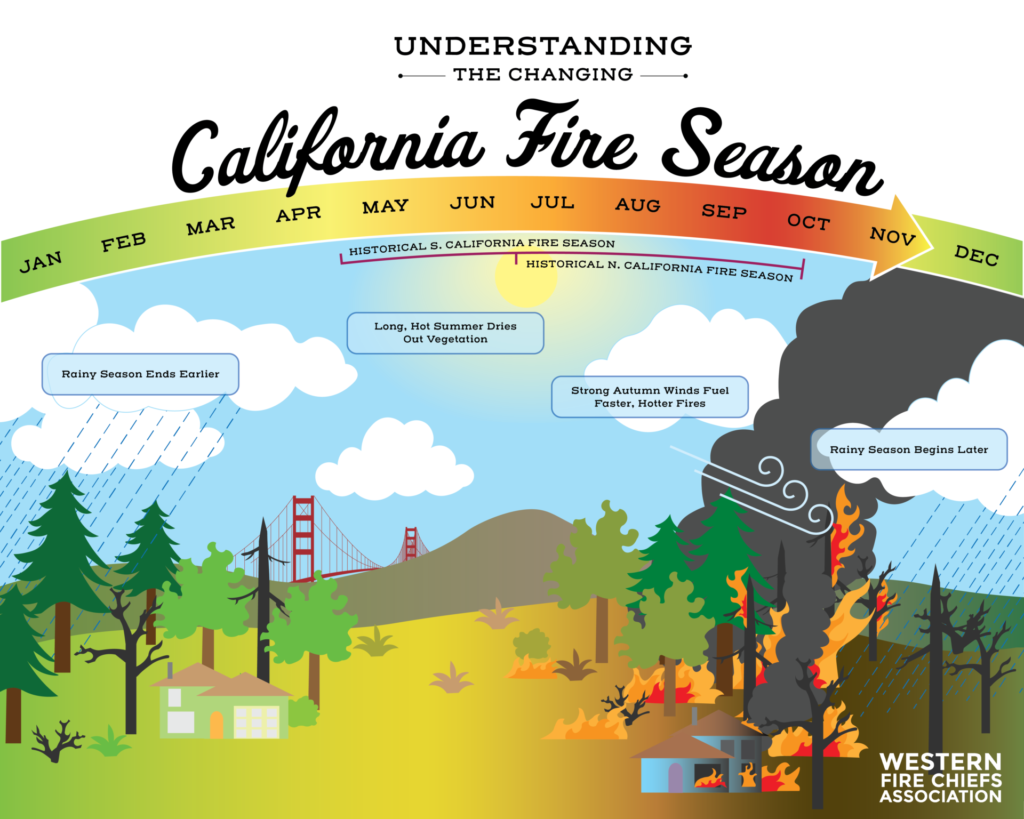
Historically, California’s fire season ran from approximately May or June through October or November. This period was characterized by dry conditions following the wet winter and spring, combined with high temperatures and strong winds. However, in recent years, due to climate change and prolonged droughts, the “fire season” has significantly expanded. It’s not uncommon now to see major wildfires ignite as early as March and persist well into December, particularly in areas like Southern California.
While fires can occur at any time, the peak remains largely concentrated in the late summer and fall months. For Northern California, this often means August through October, influenced by dry conditions and the notorious Diablo winds. In Southern California, the peak often extends into November and even December, driven by the hot, dry Santa Ana winds that sweep across the region. Therefore, while travel can be fantastic year-round, visitors planning trips during these traditional peak periods should exercise heightened awareness and flexibility.
Key Factors: Weather, Drought, and Human Activity
Several interconnected factors contribute to California’s wildfire risk:
- Prolonged Drought: Years of below-average rainfall leave forests, chaparral, and grasslands extremely dry, turning them into highly combustible fuel. This directly impacts regions that are popular for outdoor activities and nature-based tourism, such as the Sierra Nevada Mountains and coastal ranges.
- High Temperatures: Heat waves exacerbate drought conditions, drying out vegetation even further and making it more susceptible to ignition.
- Strong Winds: These are perhaps the most dangerous elements. Winds like the Santa Ana winds in the south and Diablo winds in the north fan small fires into raging infernos, pushing embers miles ahead and causing rapid, unpredictable spread. They can quickly turn a scenic road trip along the Pacific Coast Highway into a hazardous situation.
- Accumulated Fuel: Over a century of fire suppression policies has led to an unnatural buildup of dead trees and dense undergrowth, providing vast amounts of fuel for fires.
- Human Activity: While lightning can cause wildfires, a significant percentage, often over 80%, are human-caused – from downed power lines, carelessly discarded cigarettes, unattended campfires, sparks from vehicles, or even arson. This underscores the importance of responsible travel behavior, particularly when exploring natural attractions or engaging in outdoor lifestyle pursuits like camping.
Geographic Hotspots and Vulnerable Regions
While no part of California is entirely immune, certain regions are consistently more vulnerable to severe wildfires due to their topography, vegetation, and weather patterns. These include:
- Southern California’s brush-covered hills and canyons, particularly around Los Angeles and San Diego, where the Santa Ana winds are prevalent. Popular resorts and coastal destinations in these areas can be impacted.
- The Sierra Nevada Mountains, including areas surrounding Yosemite National Park and Lake Tahoe, are prone to large forest fires, which can affect hiking experiences and access to pristine natural landmarks.
- Northern California’s Wine Country, including Napa Valley and Sonoma Valley, has seen devastating fires, impacting the tourism industry centered around vineyards, boutique hotels, and gourmet food.
- Coastal Central California, especially Big Sur, where steep terrain and dense vegetation can lead to challenging fire situations, affecting scenic drives and outdoor adventures.
Travelers should monitor conditions specifically for their chosen destinations, especially if their travel plans involve remote areas or heavily forested attractions.
Impact on Travel and Tourism: Navigating the Challenges
Wildfires in California can have a profound and often immediate impact on travel plans, from minor inconveniences to complete disruption of a vacation. Understanding these potential challenges allows for better preparation and decision-making, ensuring your travel lifestyle remains focused on exploration and enjoyment.
Disruptions to Destinations and Attractions
The most direct impact of a wildfire is the closure of popular destinations and attractions. National and state parks, such as Yosemite National Park or portions of the Pacific Coast Highway near Big Sur, may close entirely or limit access due to active fires, smoke, or fire danger. Hiking trails, campgrounds, and scenic viewpoints can become inaccessible. For those who booked specialized experiences like wine tours in Napa Valley or whitewater rafting in the Sierra Nevada Mountains, these activities may be canceled or relocated.
Furthermore, entire towns or regions might be under evacuation orders, meaning all hotels, resorts, and other accommodation options become unavailable. This can lead to last-minute changes for travelers, potentially requiring new bookings or even cutting a trip short. The cascading effect can also impact neighboring areas as evacuees and displaced residents seek temporary accommodation, potentially limiting availability for spontaneous travel or increasing prices.
Air Quality and Health Considerations
Even if a fire isn’t directly in your chosen destination, smoke can drift hundreds of miles, significantly degrading air quality. This can turn a blue sky hazy, obscure scenic views, and pose serious health risks, especially for individuals with respiratory conditions, the elderly, or young children. Symptoms can range from irritated eyes and sore throats to severe breathing difficulties.
For travelers, poor air quality can diminish the enjoyment of outdoor activities and attractions. A planned hike in a national park might become unfeasible, or a stroll through a city like San Francisco or Los Angeles less pleasant. It’s important to monitor air quality reports from reputable sources like AirNow or IQAir when traveling during fire season and adjust your plans to indoor activities or consider shifting destinations if conditions are unhealthy.
Road Closures and Travel Logistics
Wildfires often necessitate road closures, impacting travel logistics and potentially stranding travelers. Major highways, scenic routes, and local roads may be shut down for safety reasons, firefighting operations, or to facilitate evacuations. This can lead to lengthy detours, significant delays, or even the inability to reach your intended destination or accommodation.
For those embarking on a road trip through California, frequent checks of road conditions via the California Department of Transportation (Caltrans) website are essential. GPS systems may not always reflect the most current closures, so cross-referencing with official state resources is critical. These disruptions can add unexpected stress and time to a vacation, making flexible planning and alternative routes a necessity.
Planning Your Trip During Fire Season: Smart Strategies for Travelers
While the challenges of California’s fire season are real, they do not mean travel is impossible or ill-advised. With careful planning, flexibility, and a commitment to staying informed, you can still enjoy an incredible California experience, adapting your lifestyle of exploration to the prevailing conditions.
Researching Conditions and Staying Informed
Knowledge is your most powerful tool. Before and during your trip, make it a priority to regularly check official sources for wildfire activity, air quality, and road closures:
- CAL FIRE (California Department of Forestry and Fire Protection): This is the primary source for active fire incidents, containment levels, and evacuation orders. Their website and social media channels are invaluable.
- National Weather Service: Provides critical weather forecasts, including red flag warnings (indicating critical fire weather conditions like high winds and low humidity).
- National Park Service and California State Parks: Check the specific park websites for closures, air quality advisories, and conditions affecting their attractions.
- Caltrans: For up-to-date information on road closures and traffic impacts.
- Air Quality Monitors (AirNow, IQAir): These provide real-time air quality data for various locations, helping you decide whether outdoor activities are safe.
- Local Tourism Boards: Many cities and regions, from Sacramento to San Francisco, have dedicated websites or social media channels that offer localized updates relevant to visitors.
Make it a daily habit to check these sources, especially if your plans involve high-risk areas or outdoor activities.
Flexible Bookings and Travel Insurance
When planning accommodation and activities during fire season, prioritize flexibility.
- Flexible Cancellation Policies: Look for hotels, resorts, apartments, or villas that offer free cancellation up to 24-48 hours before arrival. Many booking platforms like Booking.com or Airbnb clearly highlight these options. This allows you to adjust your plans without financial penalty if conditions worsen.
- Travel Insurance: Investing in comprehensive travel insurance is highly recommended. Ensure your policy covers trip interruption or cancellation due to natural disasters, mandatory evacuations, or even air quality issues. Read the fine print carefully, as some policies have specific clauses regarding wildfires. A “cancel for any reason” (CFAR) policy, though more expensive, offers the broadest protection and peace of mind for those practicing a luxury travel lifestyle.

Alternative Destinations and Experiences
If your primary destination is affected by fire or smoke, be prepared to pivot. California is vast and diverse, offering many alternative attractions:
- Coastal Escapes: If inland areas are smoky, consider shifting to coastal cities like San Diego, Santa Barbara, or Monterey. Coastal breezes often provide better air quality.
- City Breaks: Embrace the urban lifestyle by exploring museums, art galleries, world-class food scenes, and indoor attractions in San Francisco, Los Angeles, or Sacramento.
- Higher Elevations (with caution): Sometimes, higher elevations above the smoke layer can offer clear skies and refreshing air, but always check local conditions and fire risks. Lake Tahoe can be stunning, but it too has faced fire threats.
- Consider North vs. South: Fires tend to be localized. If Southern California is experiencing severe conditions, Northern California might be clear, and vice-versa. This allows for adapting your trip to a different part of the state.
Having a Plan B or C, even if loosely defined, can save your vacation from disappointment and transform a potentially stressful situation into a new and unexpected experience.
Safe Practices and Responsible Travel: A Tourist’s Duty
As a visitor to California, your role extends beyond enjoying the attractions and amenities of your hotel. Responsible tourism during fire season means being prepared, respecting local regulations, and minimizing your own fire risk. This demonstrates respect for the local communities and the environment you’re visiting.
Preparedness for Accommodations
Even when staying in a seemingly safe urban hotel or resort, a level of personal preparedness is prudent:
- Emergency Kit: Consider having a small “go-bag” ready, especially if staying in areas closer to wildlands or in a villa or apartment rental. Include essentials like copies of important documents, a small first-aid kit, medications, a flashlight, and comfortable shoes.
- Evacuation Routes: Familiarize yourself with the evacuation routes from your accommodation and surrounding area. Ask hotel staff about their emergency procedures.
- Communication: Ensure your phone is charged and you have a way to receive emergency alerts. Let someone know your itinerary.
While most commercial hotels and resorts will have established safety protocols, individual preparedness adds an extra layer of security, aligning with a self-sufficient travel lifestyle.
Respecting Local Regulations and Warnings
Adhering to local rules and warnings is non-negotiable. This includes:
- Fire Bans: Obey all fire bans, including restrictions on campfires, barbecues, and smoking in certain areas. This applies whether you are camping or staying in a cabin rental.
- Red Flag Warnings: During periods of Red Flag Warnings, extreme caution is advised. Avoid activities that could spark a fire, such as operating machinery, using off-road vehicles, or even parking in tall, dry grass.
- Evacuation Orders: If an evacuation order is issued for your area, leave immediately and follow official instructions. Do not wait or try to get closer to observe the fire; your safety is paramount.
- Park Closures: Respect all park and landmark closures. These are put in place for your safety and to allow emergency services to work effectively.
Your responsible actions can literally save lives and preserve California’s natural beauty for future generations of travelers.
Supporting Affected Communities
When fires do occur, the impact on local communities, especially those reliant on tourism, can be devastating. As a traveler, you can play a part in their recovery:
- Return Visits: Once areas are safe and open, consider planning future travel to support local businesses, hotels, and attractions that have been affected.
- Shop Local: When visiting, spend your money in locally owned shops, restaurants, and accommodation providers.
- Donations: If you feel compelled, consider donating to reputable charities assisting fire victims and recovery efforts.
By being a considerate and informed traveler, you contribute positively to the resilience of California’s diverse regions and the people who call them home.
Conclusion
California’s allure is undeniable, with its captivating destinations, luxurious resorts, and vibrant lifestyle offerings. While the extended and intensified fire season presents a unique challenge for tourism, it should not deter you from exploring this magnificent state. By understanding “When is California fire season?” and implementing smart planning strategies – from flexible accommodation bookings to staying constantly informed about conditions – you can navigate the risks effectively.
Embrace responsible travel practices, prioritize safety, and be ready to adapt your itinerary, and you’ll find that the golden state still offers an abundance of unforgettable experiences. With its resilient communities and breathtaking landmarks, California remains a premier destination for every kind of traveler, offering its beauty year-round to those who approach it with respect and preparedness.
LifeOutOfTheBox is a participant in the Amazon Services LLC Associates Program, an affiliate advertising program designed to provide a means for sites to earn advertising fees by advertising and linking to Amazon.com. Amazon, the Amazon logo, AmazonSupply, and the AmazonSupply logo are trademarks of Amazon.com, Inc. or its affiliates. As an Amazon Associate we earn affiliate commissions from qualifying purchases.