
For many, Florida conjures images of sun-drenched beaches, thrilling theme parks, and vibrant cultural experiences. It’s a top global destination for travelers seeking everything from luxurious resort stays to budget-friendly family adventures. However, when planning a trip to the Sunshine State, understanding the nuances of its weather patterns, particularly the hurricane season, is crucial for a smooth and enjoyable journey. This comprehensive guide will delve into what you need to know about Florida’s hurricane season, offering insights into travel planning, accommodation choices, and how to make the most of your visit, even during the wetter months. Whether you’re considering a stay in Miami, exploring the magic of Orlando, or relaxing on the Gulf Coast, being informed is your best travel companion.
Understanding Florida’s Hurricane Season: Dates and Dynamics
The thought of a hurricane can be daunting, but with proper knowledge and preparation, it doesn’t have to derail your Florida travel dreams. The official Atlantic Hurricane Season, which impacts Florida and the broader Caribbean region, runs for half the year, bringing specific considerations for tourists and residents alike.
Official Dates and Peak Activity
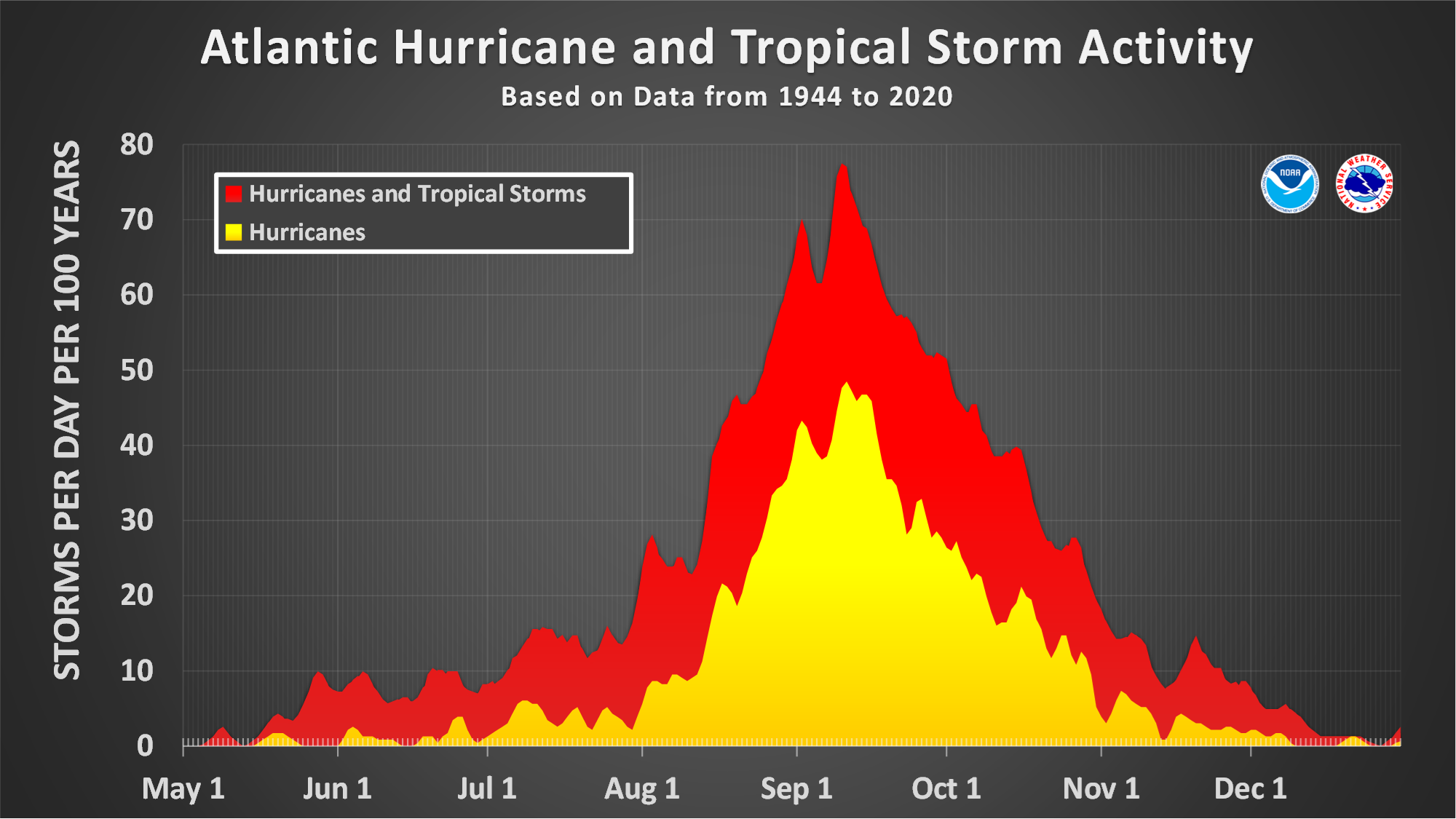
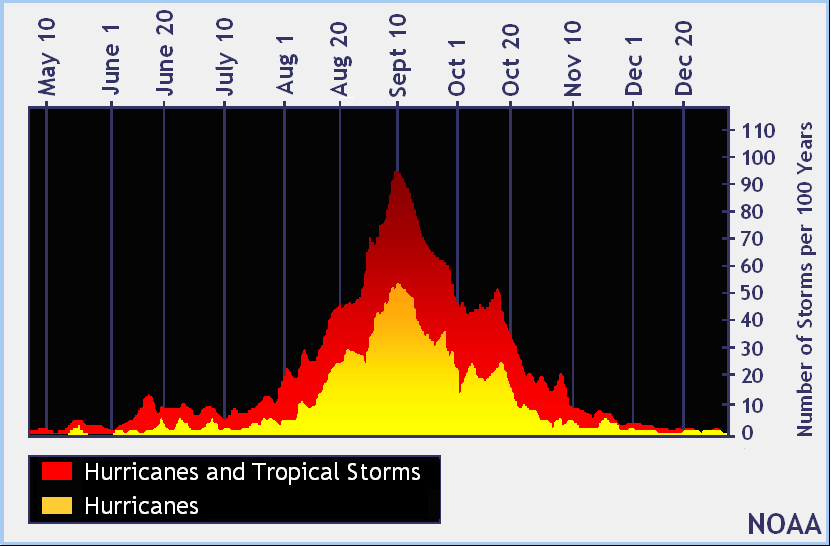
The Atlantic Hurricane Season officially begins on June 1st and concludes on November 30th each year. This six-month window is when tropical storms and hurricanes are most likely to form in the Atlantic Ocean, the Caribbean Sea, and the Gulf of Mexico. While storms can occur at any point during this period, historical data indicates a distinct peak in activity. The most active months are typically August, September, and October, with mid-September often marking the statistical peak of the season. During these months, sea surface temperatures are at their warmest, providing the necessary energy for these powerful weather systems to develop and strengthen.
For travelers, understanding this timeline is paramount. A trip in early June or late November might carry a lower statistical risk of encountering a major storm than a visit in September. However, it’s important to remember that even outside the peak, a storm can form, and staying informed about weather forecasts is a year-round practice when considering coastal destinations. While the prospect of a hurricane might deter some, many visitors still choose to travel during these months, often benefiting from lower prices and fewer crowds, especially outside of major holiday weekends.
The Science Behind Hurricanes and Florida’s Vulnerability
Hurricanes, also known as tropical cyclones, are formidable rotating storm systems characterized by low-pressure centers, strong winds, and heavy rainfall. They form over warm ocean waters, typically above 80°F (26.5°C), which provides the heat and moisture needed for their genesis. Once formed, they are steered by prevailing atmospheric currents. Florida’s geographical position, a peninsula jutting into the warm waters of the Atlantic Ocean and the Gulf of Mexico, makes it uniquely susceptible to these phenomena.
The state’s extensive coastline, stretching thousands of miles, means that virtually every part of Florida is within potential striking distance of a storm. The Florida Keys, South Florida (including Miami and Fort Lauderdale), and the Panhandle region (like Pensacola and Panama City Beach) are historically more exposed to direct hits. The warm waters surrounding Florida, combined with its relatively flat terrain, offer little natural protection against storm surges, high winds, and torrential rains that can accompany these systems. The Caribbean Sea and the Gulf of Mexico are major breeding grounds for these storms, with systems often moving towards the United States mainland after traversing Cuba or the Bahamas. The proximity of these warm water bodies means that storms can sometimes develop and intensify quickly near Florida’s shores, leaving less time for preparation than storms originating further east in the Atlantic Ocean.
Planning Your Florida Trip During Hurricane Season
While the hurricane season carries inherent risks, it shouldn’t deter you from experiencing the beauty and excitement of Florida. With strategic planning, informed decisions, and flexible arrangements, you can still have an incredible and safe trip.
Travel Insurance: A Smart Investment
One of the most crucial considerations for travel during hurricane season is purchasing comprehensive travel insurance. This isn’t just a suggestion; it’s a vital safeguard. A good travel insurance policy can protect your financial investment in your trip against unforeseen circumstances like storm-related cancellations, delays, or even evacuations. Look for policies that specifically cover “cancel for any reason” (CFAR) or those that explicitly include coverage for natural disasters and weather events. Ensure you understand the terms and conditions, especially regarding when coverage begins (often, you cannot purchase insurance once a storm has been named or is threatening your destination). Travel insurance can provide peace of mind, knowing that if a hurricane impacts your plans, you won’t lose your hard-earned money on flights, hotels, or pre-paid excursions. It’s an essential part of responsible tourism during these months.
Flexible Booking and Accommodation Options
When booking flights and accommodations, prioritize flexibility. Many airlines and hotels offer more lenient cancellation or rebooking policies during hurricane season, but it’s essential to confirm this at the time of booking. Opt for refundable rates for hotels and consider booking directly with resorts or apartment rentals that have clear, traveler-friendly cancellation clauses. This flexibility is key for accommodation, whether you’re looking for a luxury suite in Naples, a family-friendly resort in Orlando, or a quaint villa in Sarasota.
Reviewing the amenities offered by your chosen accommodation is also important. Look for resorts and hotels that boast robust infrastructure, possibly with generators, or those that have established hurricane preparedness plans. Some properties might offer “hurricane guarantees,” allowing guests to rebook without penalty if a hurricane threatens their stay. For those considering long-term stays, discussing potential evacuation policies with the property management is a wise step. Websites often provide reviews and comparison tools that highlight these aspects, helping you make an informed decision for your stay, be it a cozy apartment or a sprawling resort.

Budget Travel Opportunities
One of the less-talked-about advantages of traveling during hurricane season, particularly outside the peak times, is the potential for significant savings. As demand typically decreases due to weather concerns, airlines, hotels, and attractions often offer lower prices, making it an excellent time for budget travelers to experience Florida’s many offerings. Accommodation rates, from lavish suites to more modest apartments, tend to be more competitive. Theme parks may have shorter lines, and popular attractions can be enjoyed with fewer crowds. This can translate into more affordable flights, discounted resort packages, and better deals on rental cars.
If you’re willing to embrace a bit of uncertainty and prioritize flexibility, you might find yourself enjoying a luxury travel experience without the luxury price tag. Even within this period, certain times offer better value, such as the weeks immediately after the busy summer tourist season ends and before the holiday season begins. This lifestyle choice allows for more expansive experiences within a set budget, enabling travelers to splurge on local cuisine, unique activities, or perhaps extend their stay.
Ensuring Safety and Enjoyment During Your Visit
Navigating hurricane season requires vigilance, but it doesn’t mean your trip has to be filled with anxiety. With proactive measures and access to reliable information, you can enhance your safety and still savor the unique experiences Florida has to offer.
Monitoring Weather Forecasts and Official Channels
Staying informed is your best defense. Before and during your trip, make it a habit to regularly check weather forecasts from reputable sources. The National Hurricane Center (NHC), a division of the National Oceanic and Atmospheric Administration (NOAA), is the definitive source for hurricane tracking and advisories in the United States. Their website and mobile apps provide real-time updates, storm tracks, and intensity predictions. Local news channels and emergency management agencies in your destination city (e.g., Miami-Dade Emergency Management or Orlando Emergency Management) are also invaluable resources for specific local conditions and directives.
Pay close attention to watches and warnings: a hurricane watch means conditions are possible within 48 hours, while a hurricane warning means conditions are expected within 36 hours. Familiarize yourself with the advisory system and understand what actions are recommended at each stage. Many hotels and resorts will also have established communication protocols with their guests during severe weather events, so ensure you know how they will disseminate information.
Emergency Kits and Evacuation Plans
While the hope is you won’t need them, having a basic understanding of emergency preparedness can alleviate stress. If a storm threatens your location, local authorities will issue guidance, including potential evacuation orders. It’s wise to have an emergency kit ready, even if minimal, containing essentials like copies of important documents, medications, a first-aid kit, battery chargers for phones, and a supply of cash.
Hotels and resorts often have their own emergency plans, and it’s prudent to inquire about these upon check-in. They can provide guidance on shelter locations or safe areas within the property. If an evacuation is ordered, follow the instructions of local officials immediately. Knowing the primary evacuation routes from your specific destination, whether it’s Key West or Jacksonville, can save precious time. Organizations like FEMA (Federal Emergency Management Agency) and state emergency management divisions offer extensive resources on hurricane preparedness for both residents and visitors.
Exploring Florida Safely During Hurricane Season
Despite the season’s concerns, Florida’s diverse attractions can still be enjoyed. The key is choosing your destinations wisely and being flexible with your itinerary.
Coastal vs. Inland Destinations
Consider diversifying your itinerary to include both coastal and inland destinations. While coastal cities like Tampa, St. Petersburg, and Daytona Beach offer stunning beaches and marine activities, they are more directly exposed to storm surge and coastal flooding. Inland destinations, such as Orlando (home to Walt Disney World Resort and Universal Orlando Resort) or areas around Gainesville and Lakeland, are generally safer from the most destructive coastal impacts. While they can still experience heavy rains and high winds, the risk of storm surge is eliminated.
For those determined to experience the beautiful Florida Keys, be particularly mindful of their vulnerability as a low-lying island chain. Always have a backup plan or an alternative destination in mind if weather conditions deteriorate. This strategic choice helps balance the desire for specific experiences with pragmatic safety considerations.
Theme Parks and Attractions: Operational Policies
Florida’s world-famous theme parks, including Walt Disney World Resort and Universal Orlando Resort, are meticulously prepared for hurricane season. They have robust operational policies and communication systems in place. While they rarely close for an entire day unless a direct hit is imminent, they may adjust operating hours, close outdoor attractions during severe weather, or even offer “hurricane guarantees” on vacation packages, allowing guests to reschedule without penalty.
Always check the official websites of attractions like Busch Gardens Tampa Bay, Kennedy Space Center Visitor Complex, or even museums and cultural sites in St. Augustine Historic District for their specific weather policies. Many indoor attractions, shopping centers, and dining establishments remain open even during inclement weather, offering alternative entertainment options. This allows travelers to still enjoy local culture and activities, even if outdoor plans are temporarily disrupted.
Enjoying Florida’s Natural Landmarks
Florida is renowned for its stunning natural beauty, from the unique ecosystem of Everglades National Park to the pristine beaches of South Beach and the remote wonders of Dry Tortugas National Park. During hurricane season, visitors can still explore these landmarks, but with added caution. Hiking trails, kayaking routes, and beach access might be temporarily closed due to heavy rains, high winds, or rough surf. Always check with park services or local authorities for current conditions and closures.
If venturing into natural areas, especially during the wetter months, be prepared for mosquitoes and other insects. Respect wildlife, particularly after heavy rains when animals might be displaced. For those interested in eco-tourism, many guides and tour operators are well-versed in navigating seasonal weather and can offer safe, alternative experiences if initial plans are disrupted. This thoughtful approach ensures that appreciation for Florida’s natural heritage goes hand-in-hand with safety.
Beyond the Storm: The Advantages of Off-Peak Travel
While the hurricane season presents challenges, it also offers unique advantages that make it an appealing time for certain types of travelers.
The Shoulder Seasons: Best Times to Visit
For those keen to avoid the peak hurricane months but still benefit from off-peak advantages, consider the shoulder seasons: early June or late October/November. These periods typically see fewer named storms compared to August and September, yet still offer pleasant weather and reduced crowds. Early June marks the official start, but significant storm activity is historically lower. By late October and November, tropical activity begins to wane, and the weather cools to a wonderfully comfortable range, perfect for outdoor activities without the oppressive summer heat or humidity.
Traveling during these shoulder seasons provides a balance: you get to enjoy the warmth of Florida without the height of summer crowds or the statistical peak of hurricane activity. This can be ideal for family trips, romantic getaways, or even business stays, as the overall travel experience tends to be more relaxed and less congested.
Advantages of Off-Peak Travel
Choosing to travel during the hurricane season, particularly outside the peak, aligns perfectly with certain travel lifestyles. It’s often a boon for budget travel, as mentioned, but also for those seeking a more relaxed pace. With fewer crowds, you’ll experience shorter waits at attractions, easier restaurant reservations, and more spacious beaches. This can significantly enhance your travel experience, allowing for deeper engagement with local culture and activities without the hustle and bustle of peak tourist periods.
Luxury travel can also be more attainable, with premium suites and resorts potentially offering better rates or exclusive packages. Even for family trips, the reduced crowds can make navigating theme parks or popular attractions less stressful. It’s an opportunity to see a different side of Florida – perhaps a quieter, more authentic experience, where the focus shifts from just ticking off landmarks to truly immersing oneself in the destination. The threat of a storm is a real consideration, but with meticulous planning, flexible booking, and a commitment to staying informed, the off-peak hurricane season can unveil some of Florida’s’s best-kept travel secrets.
In conclusion, while Florida’s hurricane season from June 1st to November 30th requires careful planning, it doesn’t mean you should strike the Sunshine State off your travel list. By understanding the risks, investing in travel insurance, embracing flexible bookings, and staying informed through official channels, you can still enjoy a fantastic and safe trip. Florida remains an incredible destination year-round, offering unforgettable experiences for every type of traveler, even when the weather forecast demands a bit more attention.
LifeOutOfTheBox is a participant in the Amazon Services LLC Associates Program, an affiliate advertising program designed to provide a means for sites to earn advertising fees by advertising and linking to Amazon.com. Amazon, the Amazon logo, AmazonSupply, and the AmazonSupply logo are trademarks of Amazon.com, Inc. or its affiliates. As an Amazon Associate we earn affiliate commissions from qualifying purchases.