
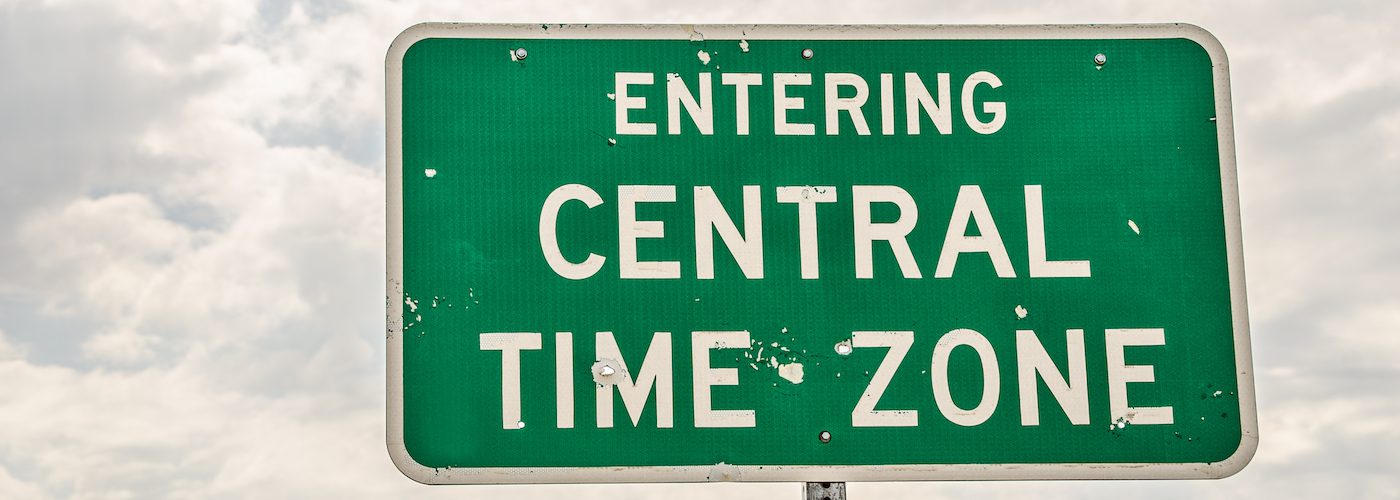
For anyone planning a trip, scheduling a business call, or simply curious about the rhythm of one of America’s most dynamic cities, knowing the current time in Chicago, USA, is essential. Chicago operates on Central Time, which observes both Central Standard Time (CST) and Central Daylight Time (CDT) depending on the season. During CST, it is UTC-6, meaning it is six hours behind Coordinated Universal Time. When CDT is in effect, it shifts to UTC-5, five hours behind UTC, as clocks are moved forward by one hour to make better use of daylight. This time zone, shared by many states in the central United States, plays a crucial role in everything from flight schedules and hotel check-ins to planning your immersive tourism experiences in the Windy City. Beyond a simple numerical display of hours and minutes, understanding Chicago’s time zone is the first step in unlocking a seamless and enjoyable journey through its iconic landmarks, vibrant culture, and diverse lifestyle offerings. This guide will not only clarify the time but also delve into how it impacts your travel, accommodation choices, and exploration of this magnificent destination.

Navigating Chicago’s Time Zone: Central Standard Time (CST) and Central Daylight Time (CDT)
Understanding Chicago’s time zone isn’t just a matter of setting your watch; it’s fundamental to planning a successful itinerary, especially when traveling from different parts of the world. The transition between Central Standard Time (CST) and Central Daylight Time (CDT) is a key factor that can influence everything from your arrival coordination to the timing of your daily activities. For those embarking on an adventure to the bustling metropolis, a clear grasp of this temporal shift can make all the difference in maximizing your time and minimizing any potential disruptions.
Understanding CST/CDT and Its Impact on Travel Plans
Chicago observes Central Time. This means that for roughly half the year, from early November to mid-March, the city is on Central Standard Time (CST), which is 6 hours behind Coordinated Universal Time (UTC-6). During this period, when it’s noon UTC, it’s 6:00 AM in Chicago. The rest of the year, from mid-March to early November, Chicago switches to Central Daylight Time (CDT), which is 5 hours behind Coordinated Universal Time (UTC-5). This shift, commonly known as Daylight Saving Time, moves clocks forward by an hour, granting longer daylight evenings during the warmer months.
For travelers, this time zone dynamic has several practical implications. Firstly, flight schedules and airport transfers are entirely governed by local time. If you’re flying in from the East Coast, you’ll gain an hour (or two, if coming from the Atlantic Time Zone), which can be a welcome bonus for early arrivals. Conversely, travelers from the West Coast will lose one or two hours, necessitating careful planning for connecting flights or ground transportation upon arrival at O’Hare International Airport or Midway International Airport.
Hotel check-ins and check-outs are strictly timed according to local Chicago time. Arriving much earlier than your hotel’s standard check-in time (often 3:00 PM or 4:00 PM) might mean a wait, even if it feels like a reasonable hour back home. Similarly, understanding the time difference is crucial for coordinating tour timings, restaurant reservations, and showtimes. Missing a booked architectural boat tour on the Chicago River or a coveted dinner reservation because of a time zone miscalculation can be a frustrating experience.
Furthermore, business travelers will find this understanding invaluable. Scheduling virtual meetings with colleagues or clients in different time zones requires precise coordination to avoid early morning or late-night calls. For families traveling with children, adjusting to the new time zone can lead to jet lag, especially if crossing multiple time zones. Tips for mitigating jet lag include adjusting your sleep schedule gradually before travel, staying hydrated, and exposing yourself to natural light upon arrival to help reset your internal clock. Maintaining communication with friends and family back home also hinges on knowing the time difference to avoid inconvenient calls.
Why Time Matters for Your Chicago Itinerary
Beyond mere logistics, understanding Chicago’s time zone is about optimizing your entire travel experience and embracing the city’s unique rhythms. The shift to Central Daylight Time, in particular, dramatically impacts how you plan your days.
Maximizing daylight hours for sightseeing is perhaps the most significant benefit of CDT. With longer evenings, visitors have ample opportunity to explore landmarks like Millennium Park, marvel at the Cloud Gate sculpture (affectionately known as “The Bean”), or stroll along Navy Pier well into the evening, often with stunning sunsets over Lake Michigan as a backdrop. This extended daylight is perfect for outdoor activities, whether it’s a walk through Lincoln Park Zoo or simply enjoying the vibrant atmosphere of Chicago’s neighborhoods.
Planning meals, shows, and events becomes a strategic exercise. If you’re hoping to catch a Broadway in Chicago performance or enjoy a deep-dish pizza at a popular spot like Lou Malnati’s or Giordano’s, being punctual is key. Many popular attractions and restaurants can have long queues, especially during peak tourist seasons or weekend evenings. Knowing the time allows you to schedule your visits efficiently, perhaps opting for earlier dining times to beat the rush or reserving tickets in advance to guarantee entry to places like the Art Institute of Chicago or the Field Museum.
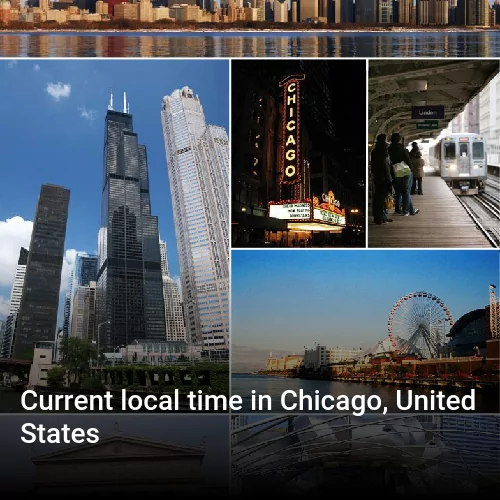
Consideration for peak hours at attractions also ties into time zone awareness. Weekday mornings, especially right when museums open, can be less crowded than afternoon hours. Similarly, popular observation decks like Skydeck at Willis Tower or 360 Chicago at the John Hancock Center offer incredible city views, but timing your visit around sunrise or sunset can provide breathtaking photographic opportunities, albeit with potentially larger crowds. Being aware of the local time helps you strategize your visits to these landmarks, whether you prefer solitude or the bustling energy of peak times. In essence, mastering Chicago’s time zone is about more than just knowing what time it is; it’s about making the most of every precious moment in this captivating city.
Exploring the Windy City: Iconic Landmarks and Attractions
Chicago is a city of superlatives, boasting an architectural skyline that rivals any in the world, a vibrant arts scene, world-class museums, and an unmistakable Midwestern charm. For any traveler, the allure of the Windy City lies in its diverse offerings, from awe-inspiring structures to serene green spaces and lively cultural districts. Understanding the sheer scope of its attractions is key to crafting an itinerary that resonates with your interests, ensuring you capture the essence of this magnificent destination.
Must-Visit Chicago Landmarks
When you land in Chicago, a treasure trove of iconic landmarks awaits, each telling a story of the city’s rich history, architectural prowess, and cultural vibrancy. Your visit would be incomplete without experiencing these renowned sites:
- Millennium Park: A masterpiece of modern landscape design, this park is perhaps best known for the mesmerizing “Cloud Gate,” affectionately called “The Bean.” Its reflective surface offers unique photo opportunities of the city skyline. Don’t miss the interactive Crown Fountain, an art piece featuring giant faces spitting water, and the Jay Pritzker Pavilion, an outdoor concert venue.
- Navy Pier: Stretching into Lake Michigan, Navy Pier is a hub of entertainment, dining, and family fun. Its most prominent feature is the Centennial Wheel, offering panoramic views of the city and the lake. Beyond the wheel, you’ll find gardens, shops, restaurants, and boat tours departing regularly.
- Art Institute of Chicago: Consistently ranked among the top museums in the world, the Art Institute of Chicago houses an extraordinary collection spanning centuries and cultures. From Impressionist masterpieces to contemporary works, visitors can spend days exploring its vast galleries.
- Museum Campus: This unique park area along Lake Michigan is home to three of Chicago’s premier institutions, making it a cultural powerhouse:
- Field Museum: A natural history museum famous for “Sue,” the most complete Tyrannosaurus rex skeleton ever found, alongside vast collections of artifacts from natural and cultural history.
- Shedd Aquarium: One of the largest aquariums in the world, Shedd Aquarium is home to thousands of aquatic animals, offering immersive exhibits that transport visitors to marine ecosystems from around the globe.
- Adler Planetarium: America’s first planetarium, offering stunning sky shows and exhibits that explore the wonders of the universe.
- Lincoln Park Zoo: One of the few free zoos in the United States, Lincoln Park Zoo is a beloved urban oasis. It’s home to a diverse array of animals and offers a tranquil escape with beautiful gardens, all within the sprawling Lincoln Park.
- Architectural Boat Tours on the Chicago River: No visit to Chicago is complete without experiencing its world-renowned architecture up close. A boat tour on the Chicago River offers unparalleled views and insightful commentary on the city’s iconic skyscrapers, showcasing why Chicago is considered an architectural mecca.
- Willis Tower (Skydeck): Once the tallest building in the world, the Willis Tower remains an awe-inspiring structure. Its Skydeck offers breathtaking views that stretch across four states on a clear day, including “The Ledge,” glass boxes that extend out from the building’s 103rd floor.
- John Hancock Center (360 Chicago): Another iconic skyscraper, the John Hancock Center provides equally spectacular views from its 360 Chicago observation deck. For thrill-seekers, “TILT” offers a unique experience, literally tilting visitors out over the Magnificent Mile.
Beyond the Mainstream: Local Culture and Hidden Gems
While Chicago’s famous landmarks are undeniable draws, the city’s true character often shines brightest in its diverse neighborhoods and less-trafficked spots. Venturing beyond the main tourist arteries allows for a deeper immersion into the local culture and lifestyle, offering unique experiences that reveal the authentic spirit of Chicago.
- Neighborhood Exploration: Each of Chicago’s 77 community areas possesses its own distinct personality.
- Wicker Park and Bucktown: Known for their bohemian vibe, independent boutiques, vintage shops, lively music venues, and art galleries. It’s a fantastic place for a leisurely stroll, grabbing a coffee, or enjoying an evening out.
- Lincoln Park: Beyond the zoo, this affluent neighborhood boasts beautiful brownstones, upscale dining, and access to significant portions of the Lincoln Park itself, offering serene paths and lakeside views.
- Gold Coast: Characterized by historic mansions, luxury boutiques, and a refined atmosphere, it’s perfect for a sophisticated stroll or a visit to an elegant restaurant.
- Pilsen: A vibrant Mexican-American neighborhood renowned for its stunning street art murals, lively cultural scene, and authentic Mexican cuisine. It’s a feast for the senses and a true representation of Chicago’s multicultural fabric.
- The Deep-Dish Pizza Experience: While not strictly “hidden,” truly savoring Chicago’s famous deep-dish pizza is an experience in itself. Beyond the big names, explore local favorites in various neighborhoods for a more intimate taste. Remember, this isn’t fast food; it’s a hearty, satisfying meal designed to be shared and enjoyed slowly.
- Blues and Jazz Clubs: Chicago has a legendary history as a cradle of blues and jazz. Spend an evening at an intimate club like Buddy Guy’s Legends or Andy’s Jazz Club to immerse yourself in live music that vibrates with the city’s soul. These venues offer a glimpse into Chicago’s profound musical heritage.
- Street Art and Public Art Installations: Beyond the famous Millennium Park sculptures, Chicago is adorned with incredible public art. Keep an eye out for murals in neighborhoods like Pilsen and West Loop, and don’t forget the works by artists like Picasso, Miró, and Calder scattered throughout the Loop and other areas.
- Local Markets and Food Halls: For a taste of local life, visit one of Chicago’s numerous farmers’ markets (seasonal) or year-round food halls like Revival Food Hall or French Market. These offer an incredible array of local produce, artisanal goods, and diverse culinary delights, reflecting the city’s vibrant food scene.
By dedicating time to both the iconic and the intimate, you’ll gain a richer, more nuanced appreciation for Chicago’s multifaceted charm, uncovering experiences that cater to every taste and travel style.
Accommodation and Lifestyle in Chicago: A Traveler’s Guide
Choosing the right accommodation is paramount to a successful trip, especially in a city as diverse as Chicago. The options range from opulent luxury hotels to cozy boutique stays and practical apartment rentals, each catering to different preferences and budgets. Beyond where you rest your head, Chicago offers a lifestyle for every kind of traveler, whether you’re seeking high-end indulgence, budget-friendly adventures, a family-focused getaway, or a productive business trip. Navigating these choices effectively ensures your stay is not just comfortable, but truly enhances your overall travel experience.
Choosing Your Perfect Stay: Hotels, Resorts, and Unique Apartments
Chicago’s accommodation landscape is as varied as its architecture, promising a perfect fit for every traveler. Your choice will largely depend on your travel style, budget, and desired amenities.
For those seeking the pinnacle of indulgence, luxury hotels in Chicago are second to none. Situated predominantly along the Magnificent Mile, the Loop, and the River North areas, these establishments offer unparalleled service, exquisite dining, and world-class amenities such as spas, indoor pools, and concierge services. Examples include:
- The Langham Chicago: Housed in a Mies van der Rohe building, it offers sophisticated riverfront views and an award-winning spa.
- Four Seasons Hotel Chicago: Known for its impeccable service and prime location near shopping and attractions.
- Peninsula Chicago: Famed for its elegant atmosphere, fine dining, and impressive rooftop pool.
- Waldorf Astoria Chicago: Blends European luxury with Chicago charm, offering spacious rooms and a serene spa.
Mid-range options provide an excellent balance of comfort, convenience, and value. These hotels are often found across various neighborhoods, offering amenities like fitness centers, on-site restaurants, and business services without the premium price tag. Brands like Marriott, Hilton, and Hyatt all have strong presences, many of which offer fantastic views and proximity to public transport.
For travelers looking for something with more character, boutique hotels offer unique design, personalized service, and a distinct local feel.
- Hotel Zachary at Gallagher Way: Located directly across from Wrigley Field, it’s perfect for baseball fans and those seeking a vibrant neighborhood experience.
- The Robey in Wicker Park: A stylish Art Deco landmark offering breathtaking skyline views from its rooftop bar.
For longer stays, family trips, or groups, apartment rentals via platforms like Airbnb or specialized services offer the comforts of home, including kitchens and multiple bedrooms. This option can be particularly cost-effective and provides an opportunity to live like a local in residential neighborhoods. Many serviced apartments also cater to business travelers seeking extended stays.
When making your choice, consider the following factors:
- Location: Do you want to be in the thick of the action (Loop, River North), close to specific attractions, or prefer a quieter residential area?
- Amenities: Is a pool, fitness center, or on-site dining a priority?
- Budget: Chicago has options for every price point, but prices fluctuate significantly with season and events.
Experiencing Chicago’s Diverse Lifestyles
Chicago is a city that caters to every imaginable lifestyle, making it an incredibly versatile destination for all types of travelers.
For the budget traveler, Chicago offers plenty of ways to experience its charm without breaking the bank. Many of its most iconic attractions, like Millennium Park and Lincoln Park Zoo, are free to enter. Public transportation (CTA trains and buses) is efficient and affordable, and dining options range from casual eateries to world-renowned restaurants, allowing for flexible spending. Exploring neighborhoods on foot, picnicking in parks, and taking advantage of free museum days are excellent ways to enjoy the city economically.
On the other end of the spectrum, luxury experiences abound. Indulge in fine dining at Michelin-starred restaurants like Alinea or Smyth, shop at high-end boutiques along the Magnificent Mile, or secure a private architectural tour. Luxury accommodations, personal shoppers, and VIP access to cultural events can elevate a trip into an unforgettable splurge.
Family-friendly trips are easily accommodated in Chicago. The city boasts a wealth of attractions that delight all ages, including the Shedd Aquarium, Field Museum, and the Museum of Science and Industry. Many hotels offer family suites and kid-friendly amenities, while parks and playgrounds provide ample space for children to burn off energy. Planning activities that appeal to different age groups and taking advantage of early entry times for popular attractions can make a family vacation seamless.
For business stays, Chicago is a major global hub, frequently hosting large conventions and corporate events at facilities like McCormick Place. Hotels in the Loop and River North often feature extensive business facilities, meeting rooms, and executive lounges. The efficient CTA system and readily available ride-sharing services ensure easy commutes to meetings, while a vibrant dining and entertainment scene provides ample opportunities for client dinners and networking. Many accommodations also cater to longer-term business travelers with serviced apartments or extended-stay options, complete with essential amenities for a comfortable and productive visit.
No matter your reason for visiting or your preferred style of travel, Chicago offers a rich tapestry of experiences and accommodations designed to meet your specific needs, making every moment spent in the city truly your own.
Planning Your Chicago Journey: Essential Travel Tips
A well-planned trip to Chicago can transform a good vacation into an extraordinary one. From understanding the best times to visit to mastering the city’s transportation networks, a few key considerations will ensure your experience is smooth, enjoyable, and packed with memorable moments. Being prepared for Chicago’s diverse weather patterns and knowing how to navigate its bustling streets are vital components of any successful travel strategy.
Best Time to Visit and What to Pack
Choosing the ideal time to visit Chicago largely depends on your priorities and what you wish to experience, as each season offers its own unique charm and challenges.
Summer (June to August) is arguably the most popular time to visit. The weather is generally warm and sunny, perfect for enjoying outdoor festivals, architectural boat tours on the Chicago River, and spending time at Navy Pier or along the lakefront. However, this is also peak tourist season, meaning larger crowds and higher prices for flights and accommodation. Humidity can be high, and occasional thunderstorms are possible.
- Packing for Summer: Light clothing, shorts, t-shirts, comfortable walking shoes, a light jacket or sweater for cooler evenings or air-conditioned indoors, sunglasses, and sunscreen. An umbrella or light rain jacket is also advisable.
Fall (September to November) offers pleasant temperatures and beautiful foliage, especially in early fall. The crowds begin to thin after Labor Day, making it a great time for sightseeing. Cultural events and culinary festivals are abundant. Late fall can bring chilly winds and the start of winter’s bite.
- Packing for Fall: Layers are key. Long-sleeved shirts, sweaters, light to medium weight jackets, jeans or trousers, and comfortable walking shoes. A warmer coat might be necessary towards November.
Winter (December to March) transforms Chicago into a picturesque, albeit very cold, wonderland. The city sparkles with holiday lights, ice skating rinks open, and many indoor attractions like museums and theaters provide cozy escapes. While challenging due to snow and freezing temperatures, winter offers a unique, festive atmosphere and significantly lower prices.
- Packing for Winter: Heavy winter coat (waterproof/windproof), warm sweaters, thermal layers, hats, gloves, scarves, and waterproof boots with good grip.
Spring (April to May) sees the city reawaken with budding trees and warmer temperatures. It’s a transitional period, so weather can be unpredictable, ranging from mild and sunny to surprisingly cold or rainy. Spring is excellent for those looking to avoid peak crowds and enjoy blossoming gardens.
- Packing for Spring: Again, layers are essential. Medium-weight jacket, sweaters, long-sleeved shirts, jeans, and comfortable shoes. An umbrella or rain jacket is a must.
Regardless of the season, comfortable walking shoes are non-negotiable, as Chicago is a city best explored on foot.
Getting Around Chicago
Chicago boasts an excellent and comprehensive transportation system, making it easy to navigate the city without a car.
- Public Transportation (CTA): The Chicago Transit Authority (CTA) operates an extensive network of ‘L’ trains (elevated and subway) and buses, covering almost every corner of the city and connecting to the airports. The Ventra card system allows for easy payment across both modes. A multi-day pass can be a cost-effective option for tourists. The ‘L’ lines, particularly the Brown, Red, and Blue lines, are iconic and efficient ways to travel between major attractions and neighborhoods.
- Ride-Sharing and Taxis: Services like Uber and Lyft, along with traditional yellow cabs, are readily available throughout the city, offering convenience, especially for late-night travel or when carrying luggage.
- Walking and Biking: Chicago’s grid system and flat terrain make it a very walkable city, particularly downtown and along the lakefront. Many areas are pedestrian-friendly, offering stunning architectural views at every turn. The city also has an extensive network of bike lanes and a popular bike-sharing program, Divvy, perfect for exploring the Lakefront Trail or cruising through parks.
- Water Taxis: During warmer months, water taxis operate on the Chicago River and Lake Michigan, offering a scenic and unique way to get between certain attractions like Navy Pier, Magnificent Mile, and Museum Campus.
By understanding Chicago’s time zone and seasonal nuances, coupled with efficient navigation strategies, you’re well on your way to crafting a memorable and enriching travel experience in this truly magnificent USA destination. Every minute spent planning will translate into hours of enjoyment in the vibrant pulse of Chicago.
LifeOutOfTheBox is a participant in the Amazon Services LLC Associates Program, an affiliate advertising program designed to provide a means for sites to earn advertising fees by advertising and linking to Amazon.com. Amazon, the Amazon logo, AmazonSupply, and the AmazonSupply logo are trademarks of Amazon.com, Inc. or its affiliates. As an Amazon Associate we earn affiliate commissions from qualifying purchases.