
When planning a trip to the Windy City, one of the first questions that often comes to mind is, “What’s the temperature in Chicago?” While this query might seem straightforward, asking about Chicago’s temperature goes far beyond a simple meteorological reading. It delves into the very essence of the city’s dynamic personality, influencing everything from the ideal wardrobe to the best time for exploring its world-class attractions, experiencing its vibrant local culture, and choosing the perfect accommodation. Chicago’s temperature dictates the rhythm of its tourism, the pulse of its lifestyle, and the unforgettable experiences awaiting every traveler.
Nestled on the southwestern shores of Lake Michigan, Chicago is renowned for its architectural marvels, deep-dish pizza, thriving arts scene, and, perhaps most famously, its dramatic seasonal shifts. The literal temperature can swing from sweltering summer highs to biting winter lows, each extreme offering a unique lens through which to appreciate the city. But beyond the Fahrenheit or Celsius, Chicago also possesses an emotional and experiential “temperature”—a warmth of hospitality, a chill of urban sophistication, and a sizzling energy that pervades its neighborhoods, landmarks, and culinary scene. This comprehensive guide will explore Chicago’s multifaceted temperature, helping you prepare for a memorable journey regardless of when you decide to visit.
Embracing Chicago’s Climate: A Seasonal Snapshot
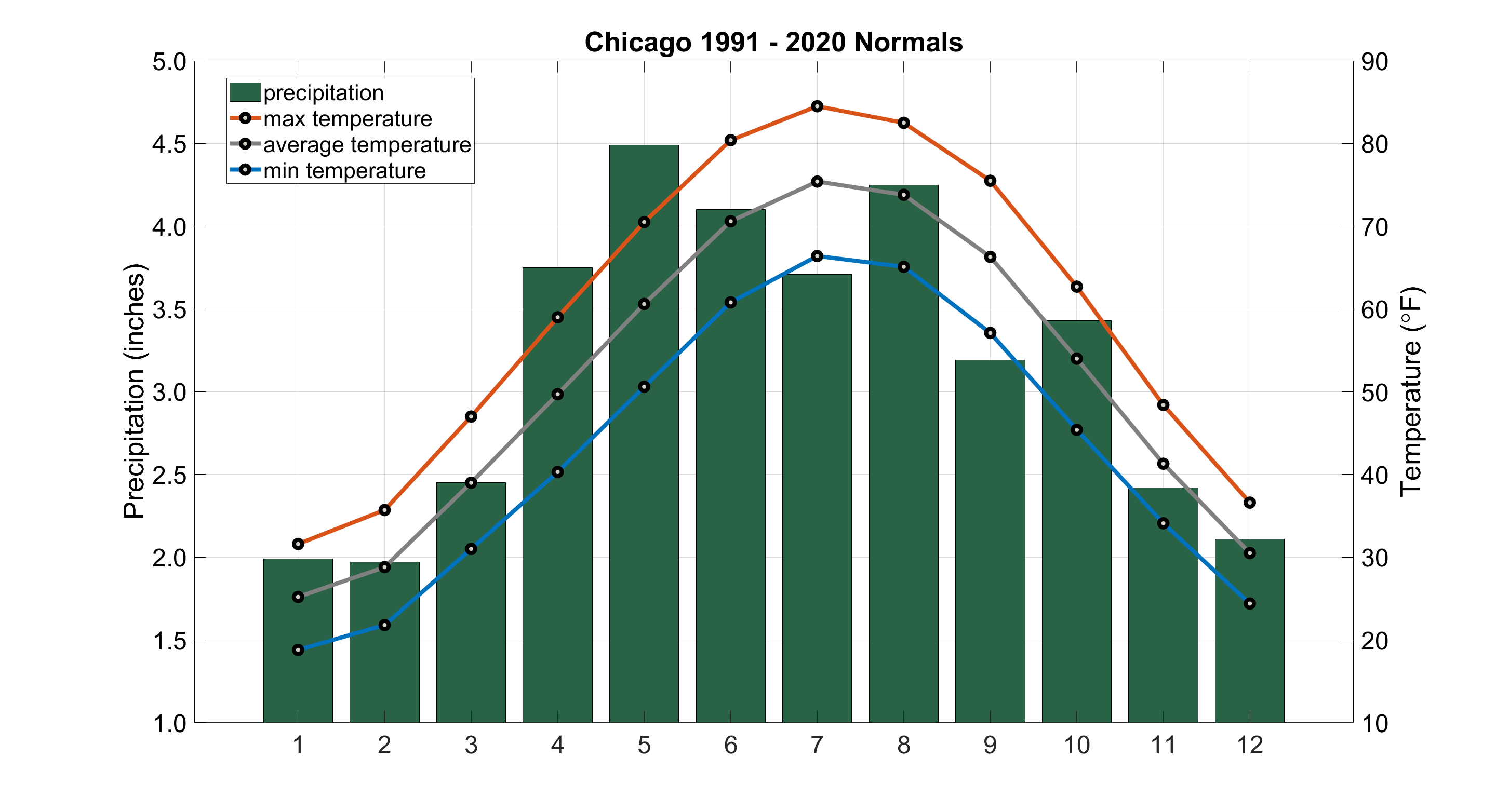
Chicago’s climate is characterized by four distinct seasons, each bringing its own charm and challenges. Understanding these variations is crucial for an enjoyable travel experience, guiding your packing decisions, activity planning, and even your choice of accommodation.
Summer: The Vibrant Heat (June, July, August)
Summer in Chicago is nothing short of spectacular. The city truly comes alive under the warm sun, with average temperatures ranging from 75°F (24°C) to 85°F (29°C), though heatwaves can push temperatures into the 90s°F (30s°C). Humidity can be high, making the air feel even warmer. This is peak tourist season, and for good reason: the city’s parks, beaches, and outdoor attractions are bustling with activity.
You’ll find crowds enjoying the shores of Lake Michigan, strolling through Millennium Park to see “The Bean” (Cloud Gate), or cruising down the Chicago Riverwalk. Outdoor dining flourishes, rooftop bars offer stunning skyline views, and the calendar is packed with festivals, concerts in Grant Park, and baseball games at Wrigleyville. For accommodation, booking well in advance is essential, as hotels and apartments fill up quickly. Many luxury hotels, such as The Langham Chicago or The Peninsula Chicago, offer refreshing pools and air-conditioned comfort, providing a cool oasis amidst the summer heat.
Autumn: Crisp Air and Colorful Charm (September, October, November)
As summer’s warmth gently recedes, Chicago transitions into a breathtaking autumn. September often feels like an extension of summer, with pleasant temperatures around 70°F (21°C). By October, the air becomes crisp and cool, averaging 50-60°F (10-16°C), and by November, a definite chill sets in, with temperatures dropping to 40°F (4°C) or lower. The city’s parks and tree-lined streets erupt in a riot of fall colors, making it an incredibly picturesque time to visit.
This season is ideal for sightseeing without the intense summer crowds. Stroll through Lincoln Park, explore the architectural boat tours before they close for winter, or immerse yourself in the world-class collections at the Art Institute of Chicago or the Field Museum. Accommodation prices tend to be more moderate than in summer, offering great value for a comfortable stay. Boutique hotels like Thompson Chicago or Viceroy Chicago in the Gold Coast neighborhood provide a cozy retreat.
Winter: The Wintry Wonderland (December, January, February)
Chicago’s winters are legendary for their cold temperatures and heavy snowfall. Average daytime temperatures typically hover between 20°F (-7°C) and 35°F (2°C), but wind chill factors can make it feel much colder, especially near Lake Michigan. Sub-zero temperatures are not uncommon. Despite the chill, winter reveals a different, magical side of the city.
The festive season transforms Chicago into a dazzling display of lights and holiday markets like Christkindlmarket. Ice skating in Millennium Park, exploring the indoor wonders of the Shedd Aquarium, Museum of Science and Industry, or the Art Institute of Chicago, and enjoying Broadway shows are popular activities. Winter also brings lower travel costs and significantly reduced crowds, making it an excellent time for budget-conscious travelers or those seeking a more serene urban experience. Many hotels, from historic gems like The Palmer House Hilton to modern apartments, offer enticing winter packages, complete with luxurious amenities to escape the cold.
Spring: Rebirth and Renewal (March, April, May)
Spring in Chicago is a season of transition, marked by fluctuating temperatures and the gradual awakening of the city. March can still feel quite wintry, with averages around 40°F (4°C), but by April, temperatures climb to a more comfortable 50-60°F (10-16°C). May brings truly pleasant spring weather, with averages in the 60s°F (16-21°C), and trees and flowers bursting into bloom.
This season is perfect for witnessing Chicago emerge from its winter slumber. Outdoor spaces like Lincoln Park Zoo and the city’s numerous botanical gardens become vibrant. The Chicago River is dyed green for St. Patrick’s Day, and patio dining begins to reappear. Spring is a shoulder season, offering a good balance of pleasant weather, fewer crowds than summer, and competitive accommodation rates. It’s an excellent time for a city break, allowing travelers to enjoy both indoor cultural attractions and the burgeoning outdoor scene.
Beyond the Thermometer: Chicago’s Experiential Temperature
Beyond the literal highs and lows of the mercury, Chicago exudes an experiential “temperature” that defines its character and impacts a traveler’s journey. This encompasses the warmth of its hospitality, the heat of its cultural offerings, and the coolness of its sophisticated urban vibe.
The Warmth of Hospitality: Accommodation Choices and Comfort
Chicago’s hospitality industry is renowned for its diverse offerings, catering to every style of traveler and budget. From ultra-luxury resorts to boutique hotels, comfortable suites, and spacious apartments, the city’s accommodation scene reflects its commitment to welcoming visitors.
- Luxury Travel: For those seeking a high “temperature” of indulgence, Chicago boasts an array of five-star hotels. The Langham Chicago, situated along the Chicago River in the historic Mies van der Rohe building, offers impeccable service and stunning views. The Peninsula Chicago on the Magnificent Mile provides an oasis of calm and opulence. The Ritz-Carlton, Chicago, also on the Magnificent Mile, combines classic elegance with modern amenities. These establishments often come with extensive amenities like spas, gourmet dining, and concierge services, ensuring maximum comfort, especially during extreme weather.
- Boutique and Lifestyle Hotels: Neighborhoods like River North and the West Loop are brimming with trendy boutique options. Hotels like Hotel EMC2, Godfrey Hotel Chicago, or Moxy Chicago Downtown offer unique designs, vibrant social spaces, and often cater to a younger, more design-conscious crowd. These spots often embody the energetic “temperature” of Chicago’s contemporary culture.
- Budget and Family-Friendly Stays: Chicago also provides numerous options for budget-conscious travelers and families. Well-known chains like SpringHill Suites Chicago Downtown/River North offer comfortable stays with good amenities. Apartments and long-term stay options, available through various booking platforms, can provide more space and cost savings, particularly for extended visits, allowing families to feel the warmth of a home away from home.
The Heat of Culture: Attractions, Food, and Local Experiences
The cultural “temperature” of Chicago is consistently high, buzzing with energy and creativity year-round. The city is a treasure trove of landmarks, from the towering Willis Tower (formerly Sears Tower) with its breathtaking Skydeck to the iconic Cloud Gate sculpture in Millennium Park. Each offers a unique perspective on Chicago’s architectural prowess and urban planning.
- World-Class Museums: The “Museum Campus,” home to the Field Museum, Shedd Aquarium, and Adler Planetarium, provides endless hours of indoor exploration, perfect for days when the weather is extreme. The Art Institute of Chicago is consistently ranked among the best museums globally.
- Culinary Scene: Chicago’s food scene offers a diverse range of “temperatures,” from the comforting warmth of a deep-dish pizza to the sizzling sophistication of Michelin-starred dining. The West Loop and River North are culinary hotspots, offering everything from trendy gastropubs to innovative fine dining experiences. Food tours are an excellent way to sample the city’s diverse flavors and learn about its gastronomic history.
- Arts and Entertainment: The city’s theaters, music venues (from jazz clubs to major arenas like United Center), and public art installations contribute to a vibrant cultural temperature that never cools down. Whether you’re catching a show in the Theatre District or enjoying live music, there’s always something to ignite your senses.
The Chill of Budgeting: Navigating Costs Across Seasons
Understanding Chicago’s “temperature” also extends to the financial aspect of travel. Costs for accommodation, flights, and even some attractions can fluctuate significantly depending on the season, offering opportunities for both luxury and budget travel.
- Peak Season (Summer): Expect the highest prices for hotels and flights, especially from June to August. Popular attractions can also have longer queues, and events often require advance ticket purchases. This is the time for those who don’t mind paying a premium for ideal weather and a bustling atmosphere.
- Shoulder Seasons (Spring & Fall): These periods offer a moderate financial “temperature.” Prices for hotels and flights are generally lower than in summer, but still higher than in winter. You get a good balance of pleasant weather and fewer crowds, making it a great time for value-conscious travelers.
- Off-Peak Season (Winter): Chicago’s winter is the most budget-friendly time to visit. Hotels offer significant discounts, flights are often cheaper, and many attractions are less crowded. While the literal temperature is chilly, the financial “temperature” is much cooler, making luxury experiences more accessible. Many resorts and hotels offer enticing deals to draw visitors during this quieter period.
Planning Your Perfect Chicago Trip: Temperature-Tailored Advice
Ultimately, the “temperature” of Chicago you experience is largely within your control, shaped by careful planning and an understanding of the city’s seasonal nuances.
Packing Smart for Every Season
Regardless of when you visit, layering is key.
- Summer: Light clothing, sunscreen, a hat, and comfortable walking shoes are essential. A light jacket or sweater for cooler evenings or air-conditioned indoor spaces is also advisable.
- Autumn: Layers are crucial. Pack sweaters, light to medium jackets, scarves, and perhaps a waterproof outer layer. Boots are recommended.
- Winter: Heavy winter coat, thermal layers, hats, gloves, scarves, and waterproof, insulated boots are non-negotiable. Be prepared for extreme cold.
- Spring: Bring layers that can be added or removed as temperatures fluctuate. A medium-weight jacket, sweaters, and a waterproof shell are good choices.
Seasonal Events and Must-Dos
Each season in Chicago unlocks unique experiences:
- Summer: Lollapalooza (music festival), Taste of Chicago (food festival), architectural boat tours on the Chicago River, beach days on Lake Michigan.
- Autumn: Chicago Marathon, Open House Chicago (architectural access), apple picking near the city, fall foliage tours.
- Winter: Christkindlmarket, ice skating at Millennium Park, Magnificent Mile Lights Festival, enjoying cozy indoor attractions.
- Spring: St. Patrick’s Day river dyeing, enjoying the blooming flowers at the Lincoln Park Conservatory, outdoor markets beginning to open.
Booking Your Stay: When and Where
The best time to book your accommodation depends heavily on your travel season. For summer, booking 3-6 months in advance is recommended. For spring and fall, 1-3 months should suffice. For winter, you might find excellent last-minute deals, but booking a few weeks ahead is still wise, especially around the holidays. Consider the neighborhood that best fits your planned activities – River North for nightlife and dining, the Loop for business and attractions, or the Gold Coast for luxury and shopping.
In conclusion, “What’s the temperature in Chicago?” is a question with many answers. It’s the invigorating chill of a winter morning, the refreshing breeze off Lake Michigan in summer, the vibrant warmth of a deep-dish pizza, and the cool sophistication of its renowned architecture. By understanding both the literal and experiential temperatures of this magnificent city, you can tailor your visit to suit your preferences, ensuring a trip that is not only comfortable but also deeply enriching. Chicago awaits, ready to enchant you with its unique and ever-changing “temperature.”
